
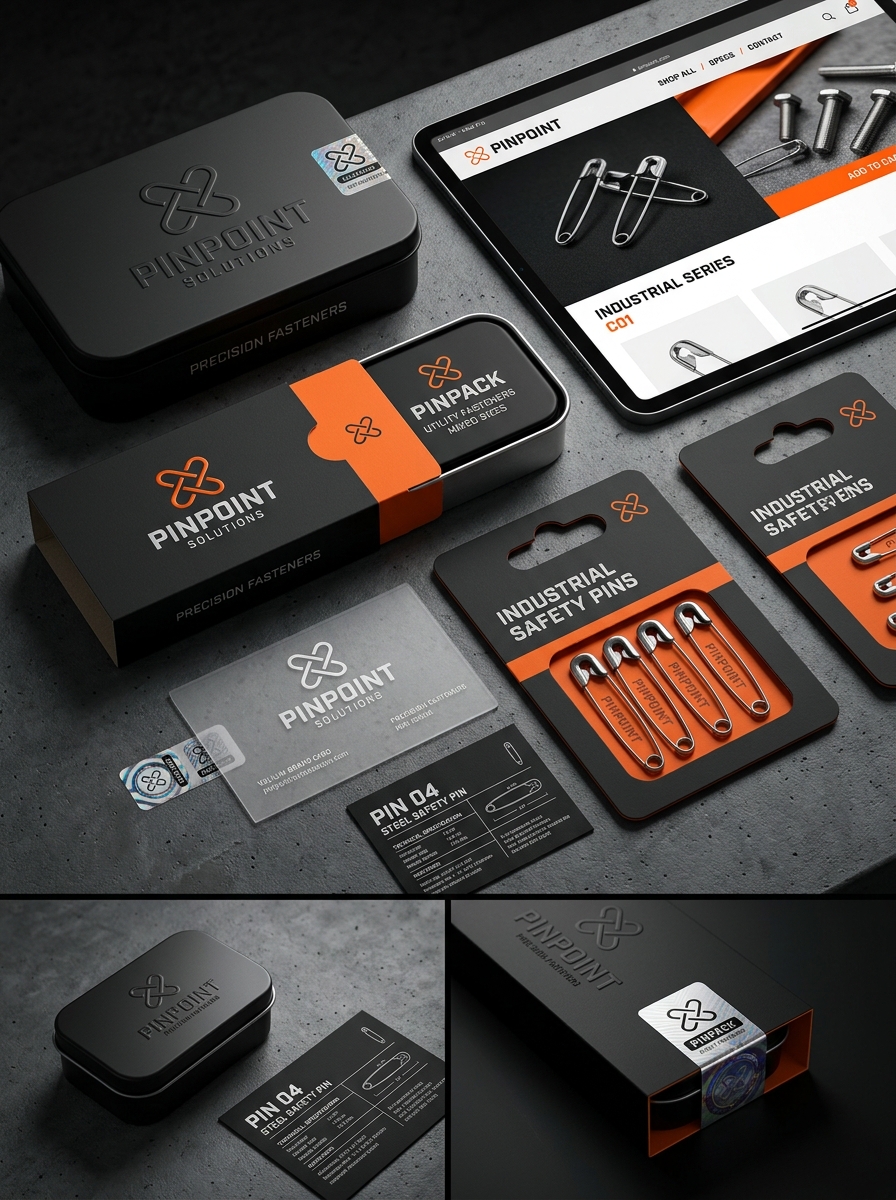
Developing effective safety pin packaging requires a delicate balance between industrial utility and shelf-side appeal. While these small metal fasteners are often viewed as mere commodities, their presentation plays a crucial role in brand differentiation and consumer convenience. Sophisticated design goes beyond containment; it must address structural integrity to prevent accidental punctures while offering clear visibility for various sizes and finishes.
This guide explores the fundamental principles of safety pin packaging, focusing on how to harmonize aesthetic choices with functional requirements. By prioritizing ergonomic opening mechanisms and sustainable materials, manufacturers can significantly enhance the user experience. Whether designing for bulk industrial distribution or premium craft markets, understanding these essential guidelines ensures your product remains secure, accessible, and visually compelling throughout its lifecycle.
The Importance of Functional Safety Pin Packaging
Functional packaging for safety pins is essential for maintaining both user safety and product longevity. High-quality containers prevent accidental injuries by ensuring sharp points remain shielded during storage. Beyond protection, well-designed packaging facilitates organization, allowing users to quickly identify different sizes and materials, such as rust-resistant stainless steel or nickel-plated finishes, which are vital for sewing and garment repairs.
Moreover, robust packaging guards against environmental damage, such as moisture, which can lead to corrosion. Whether stored in a sewing kit or a first-aid box, a secure, re-closable container preserves the spring tension and structural integrity of each pin. Investing in functional storage ensures these versatile fasteners are always organized, accessible, and ready for immediate use in any emergency or crafting application.
Identifying Target Demographics and Brand Identity
Successful marketing of safety pins hinges on segmenting diverse user groups. Primary target demographics span from textile crafters and professional tailors to parents requiring rust-resistant fasteners for childcare. Additionally, the athletic community utilizes heavy-duty pins for race bibs, while the fashion industry adopts them as both functional tools and punk-inspired aesthetic accessories.
Building a cohesive brand identity involves highlighting specific product attributes that resonate with these niches. Premium brands often emphasize stainless steel construction and snag-free designs to appeal to high-end garment makers. Conversely, bulk suppliers focus on affordability and industrial strength. By aligning packaging and messaging with specific use cases-such as quilting, jewelry making, or emergency repairs-manufacturers can establish authority and trust within the competitive haberdashery market.
Sustainable Material Selection for Hardware Products
In the production of hardware essentials like safety pins, selecting sustainable materials is a primary step toward environmental responsibility. Modern manufacturing prioritizes high-grade stainless steel and recycled brass over low-quality alloys. These materials are chosen for their exceptional durability and rust resistance, which significantly extends the product's lifecycle and reduces waste.
By utilizing recyclable metals and implementing nickel-free plating, manufacturers minimize ecological toxicity and energy consumption. Sourcing metals from post-consumer scrap further lowers the carbon footprint associated with raw ore extraction. This strategic focus on material integrity ensures that even small hardware items like safety pins align with circular economy principles, providing consumers with reliable, eco-friendly fastening solutions that do not compromise on strength or performance.
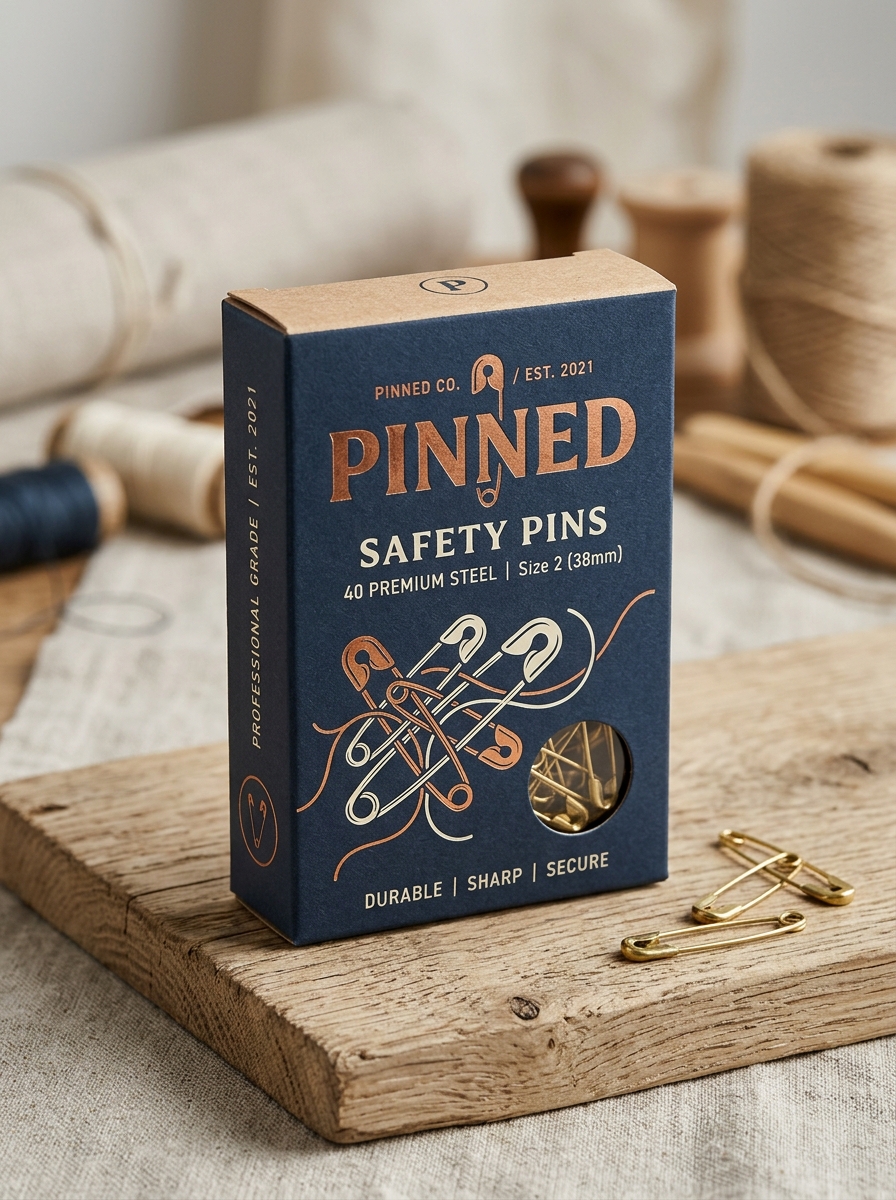
Aesthetic Elements of Effective Fastener Branding
To elevate safety pins from mere utility to a branded experience, manufacturers must focus on specific aesthetic elements that signal quality and reliability. Effective fastener branding leverages high-quality finishes-such as polished nickel, matte black, or antique brass-to communicate durability and style to the consumer.
The visual identity is further defined by the silhouette of the fastener. A streamlined wire gauge and a precision-molded head design convey engineering excellence. Additionally, packaging plays a vital role; utilizing minimalist typography or vintage-inspired motifs helps evoke a sense of heritage and security. By harmonizing these tactile and visual components, a brand transforms a simple commodity into a recognizable symbol of craftsmanship, ensuring the safety pin stands out in both the craft and high-fashion industries.
Innovative Storage Solutions for Reusable Packaging
In the realm of sustainable logistics, safety pins serve as indispensable fasteners for securing fabric wraps, industrial laundry bags, and protective liners. Implementing innovative storage solutions for these components-such as magnetic dispensers, modular sorting bins, or color-coded organizers-streamlines the transition toward circular packaging models.
By integrating heavy-duty stainless steel safety pins into reusable textile systems, businesses can significantly reduce their reliance on single-use plastic ties and adhesives. Efficient storage prevents hardware loss and enhances worker safety during high-volume assembly. These semantic-driven organizational strategies focus on durability, accessibility, and waste reduction, ensuring that safety pins remain a high-performance tool in modern, eco-friendly inventory management and garment transportation systems.
Safety Standards and Secure Closure Mechanisms
Safety pins are precision-engineered to meet rigorous safety standards, ensuring both durability and user protection. The core of a secure pin lies in its locking closure mechanism, which features a protective hood or cap designed to fully encapsulate the sharpened point, effectively preventing accidental pricks or skin irritation.
High-quality fasteners utilize heavy-duty stainless steel or nickel-free alloys to comply with ISO and ASTM international standards. These materials offer high tensile strength and corrosion resistance, which are essential for medical, industrial, and apparel applications. Furthermore, the coiled spring tension is calibrated to remain securely closed under physical stress while allowing for smooth manual operation. Modern safety pins often incorporate a double-lock feature, ensuring the fastener stays engaged during movement, providing a reliable solution for garment attachment and emergency repairs.
Enhancing Product Visibility through Smart Windows
In the competitive sewing notions market, safety pin packaging utilizes smart window designs to significantly improve consumer engagement. These transparent apertures allow shoppers to verify the pin gauge, material finish-such as nickel-plated or stainless steel-and point sharpness without opening the container.
By providing a clear view of the product, brands build consumer trust and reduce purchase hesitation. For quilters and tailors, seeing the exact size and assortment ensures the pins meet specific project requirements. Furthermore, these integrated windows protect the structural integrity of the packaging while serving as a silent salesperson, highlighting the quality of the coil and head design. This visual transparency is essential for retail displays, where quick identification of specialized fasteners facilitates a faster, more confident buyer journey.
Organizing Technical Details and Quantity Specifications
Efficient inventory management for safety pins requires a structured approach to technical specifications and volume metrics. Technical details center on standardized sizes-ranging from Size 00 (19mm) to Size 4 (76mm)-and wire gauge, which determines piercing strength and flexibility. Material composition, such as nickel-plated steel, stainless steel, or brass, is categorized to ensure the correct level of corrosion resistance for specific textile or medical environments.
Quantity specifications are typically organized by commercial units to facilitate bulk procurement and logistics:
- Individual Count: Standard for retail assortment packs.
- Gross: The traditional wholesale unit of 144 pins.
- Great Gross: Industrial-scale volume consisting of 1,728 pins.
By aligning these technical dimensions with precise quantity data, organizations ensure product consistency and supply chain efficiency.
Optimizing Retail Display and Shelf Presence
Maximizing the visibility of safety pins in a retail environment requires strategic merchandising techniques. Utilizing pegboard hooks for carded sets ensures that various sizes-from small brass pins to large heavy-duty steel options-remain organized and visible at eye level.
To enhance shelf presence, consider these optimization strategies:
- Cross-Merchandising: Position pins near sewing kits, fabric bolts, or laundry supplies to drive impulse buys.
- Packaging Variety: Use clear blister packs for professional presentation and bulk jars for the crafting segment.
- Categorization: Clearly label sections by finish (nickel-plated, gold, or colorful) and specific utility, such as quilting or tailoring.
Effective retail displays focus on accessibility and clear signage, highlighting features like rust-resistance and safety locks to influence purchasing decisions quickly.
Future Trends in Minimalist and Green Packaging
As sustainability becomes a priority, the safety pin industry is moving toward eco-friendly packaging solutions. Future trends focus on reducing environmental impact through minimalist design and the elimination of single-use plastics. Key advancements include:
- Plastic-Free Containers: Transitioning from plastic blister packs to FSC-certified cardboard or recyclable paper pouches.
- Biodegradable Materials: Utilizing compostable plant-based films for bulk safety pin assortments.
- Reusable Storage: Shifting toward durable metal tins that encourage long-term use and organizational utility.
- Soy-Based Inks: Implementing non-toxic, eco-friendly printing for product labeling to enhance recyclability.
These green packaging innovations prioritize a circular economy, catering to eco-conscious consumers while maintaining the integrity and protection of the safety pins during transit and storage.
Leave a comment