
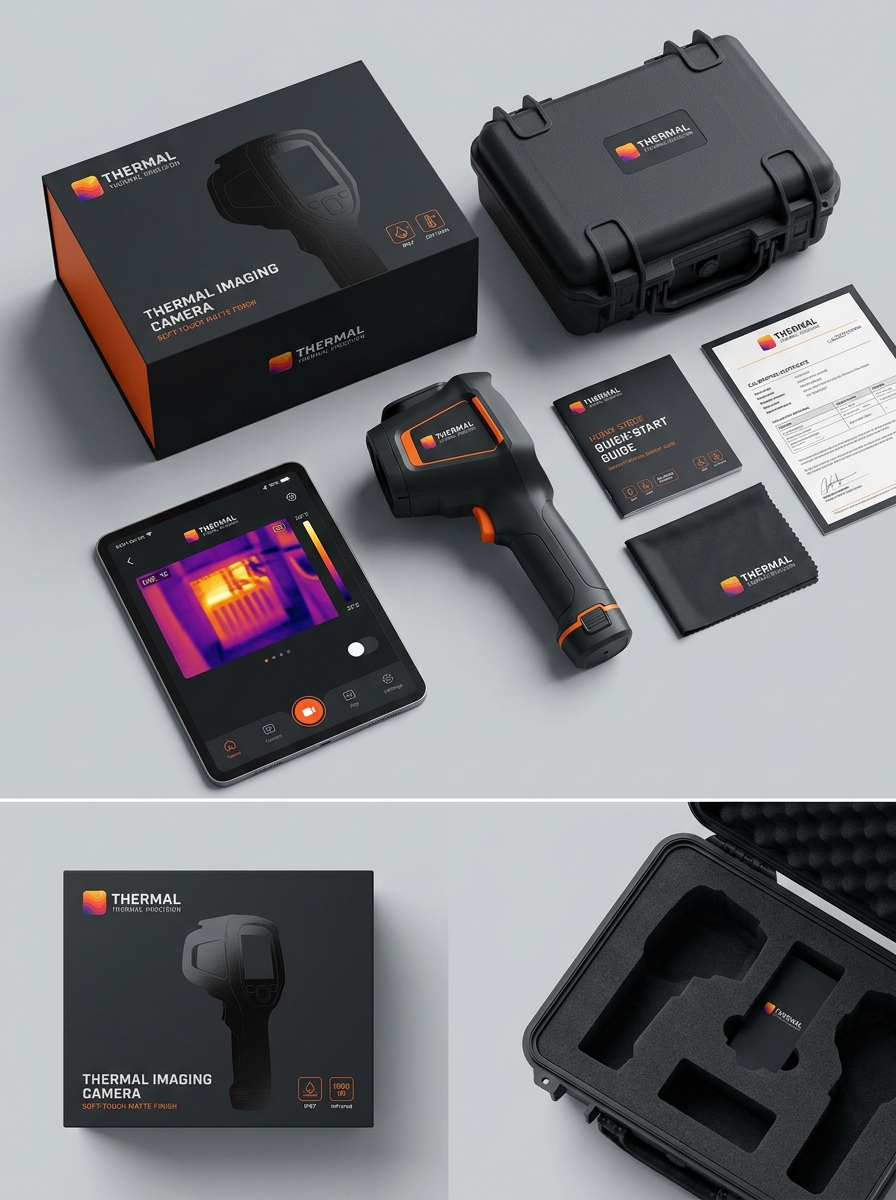
Effective packaging for thermal imaging cameras serves a dual purpose: ensuring the physical safety of sensitive optoelectronics and establishing a premium brand presence. As these high-precision instruments become essential across industrial and thermography sectors, manufacturers must prioritize design concepts that balance structural integrity with aesthetic sophistication.
Optimizing the unboxing experience through a cohesive visual identity involves strategic color palettes, technical typography, and sustainable materials. By integrating protective internal architecture with compelling graphic design, companies can communicate reliability and innovation from the first point of contact. This analysis explores how refined packaging solutions can safeguard hardware while elevating the overall market perception of professional thermal imaging solutions.
The Strategic Importance of Thermal Camera Packaging
For high-precision thermal imaging cameras, strategic packaging is essential to safeguard sensitive infrared sensors and delicate germanium optics. These instruments require specialized protection against mechanical shocks, vibrations, and electrostatic discharge (ESD), which can compromise complex internal electronics.
Effective packaging ensures transport safety and maintains sensor calibration by mitigating environmental stressors like moisture and temperature fluctuations. Robust, custom-molded inserts prevent the misalignment of the thermal core during transit. Furthermore, professional packaging reflects the device's technical sophistication and provides organized storage for critical accessories like batteries and lenses. Ultimately, high-quality housing and shipping materials are vital for preserving the longevity, accuracy, and reliability of professional-grade thermography equipment.
Engineering Structural Integrity for Sensitive Infrared Sensors
The performance of a thermal imaging camera depends heavily on the structural integrity of its internal housing. Sensitive infrared sensors, such as microbolometers, are highly susceptible to mechanical shock, vibration, and thermal fluctuations. Engineering these devices requires robust, precision-machined frames-often utilizing magnesium alloys or reinforced polymers-to ensure dimensional stability.
Maintaining a rigid internal architecture is vital to prevent optical misalignment between the germanium lens and the focal plane array (FPA). Furthermore, advanced structural design manages thermal expansion, ensuring that heat generated by internal electronics does not interfere with the sensor's thermal sensitivity. By protecting the vacuum seal and mitigating external stressors, high-quality engineering preserves long-term calibration accuracy and ensures the delivery of reliable, high-resolution thermographic data in demanding environments.
Defining a Premium Visual Identity for Precision Tools
A premium visual identity for thermal imaging cameras synthesizes rugged durability with sophisticated technology. In the realm of high-performance precision tools, the aesthetic must communicate accuracy and professional-grade reliability. This identity is established through ergonomic industrial design, high-contrast user interfaces (UI), and premium materials engineered to withstand harsh industrial environments.
For professional thermographers, a refined visual language-incorporating intuitive iconography and sleek, functional housing-elevates the overall user experience. By prioritizing clarity and high-resolution thermal optics, a brand reinforces its position as a leader in diagnostic precision. Strategic visual branding ensures the device is perceived as an essential, high-stakes investment for industrial inspections, building diagnostics, and electrical maintenance, effectively distinguishing the product in a competitive global market.
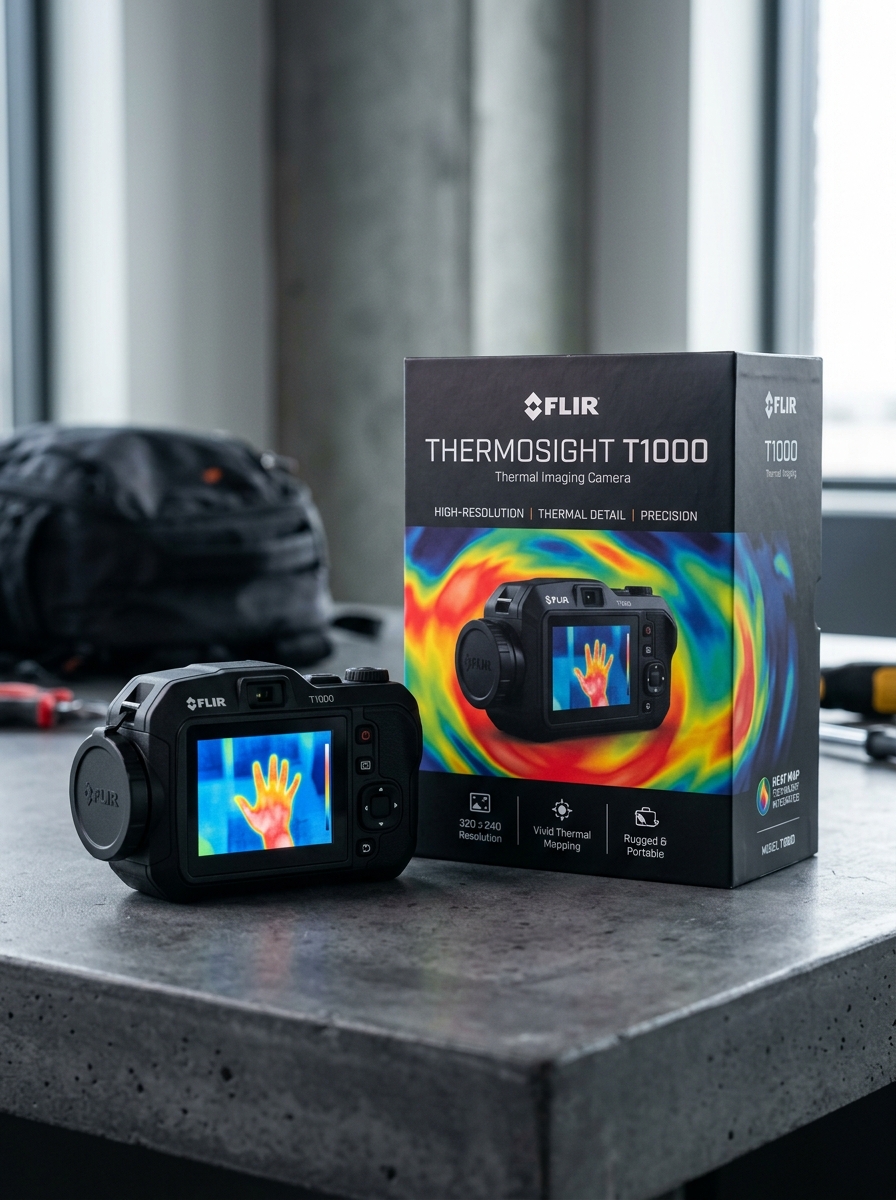
Leveraging Heat Map Aesthetics in Graphic Design
The visual language of thermal imaging cameras has transcended its technical origins in thermography to become a prominent trend in modern graphic design. By mimicking the infrared spectrum, designers utilize vibrant color gradients-ranging from "hot" magentas and yellows to "cold" cyan and deep blues-to create high-contrast, futuristic compositions.
These heat map aesthetics leverage the psychological associations of temperature and energy. Incorporating thermal-style visuals allows brands to convey high-tech innovation and data-driven narratives. Whether applied to digital interfaces, brand identity, or abstract photography, the aesthetic translates invisible heat signatures into compelling visual storytelling. This technique not only captures attention through bold color palettes but also provides a unique way to highlight focal points within a design, making complex information both accessible and artistically striking.
Material Selection for Industrial and Consumer Markets
Material selection for thermal imaging cameras depends on balancing optical performance, durability, and price points. In industrial markets, precision and ruggedness are paramount. Lenses are typically crafted from high-grade Germanium (Ge) or Zinc Selenide (ZnSe) due to their superior long-wave infrared (LWIR) transparency. Camera housings often utilize magnesium alloys or reinforced polymers to survive harsh environments and high temperatures.
Conversely, consumer markets prioritize portability and affordability. Manufacturers often opt for Chalcogenide glass, which can be molded into lenses more cheaply than diamond-turned Germanium. While high-end industrial sensors favor Vanadium Oxide (VOx) for better sensitivity, consumer-grade devices may use Amorphous Silicon (a-Si) to reduce costs.
Selecting the appropriate infrared-transparent materials and detector substrates ensures optimal thermal sensitivity (NETD) and device longevity across diverse operational settings.
The Unboxing Experience as a Branding Touchpoint
For professional-grade thermal imaging cameras, the brand journey begins long before the first heat signature is captured. A premium unboxing experience serves as a critical branding touchpoint, signaling precision, reliability, and technical excellence. When thermographers or building inspectors open high-quality packaging, the organized presentation of infrared sensors, rugged carrying cases, and calibration certificates reinforces professional authority.
Strategically designed inserts protect sensitive thermal optics while communicating a commitment to durability. Including intuitive quick-start guides and branded accessories ensures a seamless transition from product discovery to field deployment. By treating the initial reveal as an extension of the device's sophisticated technology, manufacturers foster immediate trust and elevate the perceived value of their thermography equipment. This attention to detail transforms a simple delivery into a professional milestone, solidifying brand loyalty and customer satisfaction.
Communicating Technical Specifications and Regulatory Data
Accurately communicating the technical specifications of a thermal imaging camera is essential for ensuring operational efficiency and safety. Professional documentation must highlight critical performance metrics such as thermal sensitivity (NETD), spatial resolution, and spectral response. These parameters determine the device's ability to detect subtle temperature gradients and produce high-contrast thermograms for precise analysis.
Furthermore, regulatory data confirms compliance with international safety and quality standards, including CE marking, FCC certifications, and IEC standards for measurement accuracy. Transparent reporting of IP ratings (Ingress Protection) and calibration intervals ensures the equipment meets rigorous industrial or medical requirements. Providing this structured technical data allows stakeholders to make informed decisions, ensuring the infrared technology adheres to legal frameworks and specific application needs.
Eco-Friendly Packaging Solutions for Specialized Electronics
Protecting high-precision thermal imaging cameras requires a balance between structural integrity and environmental responsibility. Our sustainable packaging approach for specialized electronics focuses on reducing the carbon footprint while ensuring sensitive infrared sensors and germanium lenses remain secure during transit.
Key components of our eco-friendly strategy include:
- Biodegradable Molded Pulp: Offers custom-fit cushioning that replaces traditional petroleum-based foams.
- Recyclable Corrugated Cardboard: Provides durable outer protection that is fully circular and easy to repurpose.
- ESD-Safe Compostable Materials: Protects delicate circuitry from electrostatic discharge without contributing to permanent plastic waste.
By utilizing soy-based inks and plastic-free inserts, we ensure that advanced thermography technology is delivered through a supply chain that prioritizes ecological health without compromising device calibration or safety.
Balancing Durability with Aesthetic Minimalism
Modern thermal imaging cameras must bridge the gap between rugged industrial utility and sleek, ergonomic design. Achieving this balance involves integrating high-strength materials, such as reinforced polycarbonates or magnesium alloys, which provide superior impact resistance without adding unnecessary bulk.
Aesthetic minimalism ensures that controls remain intuitive and the form factor stays compact for handheld portability. By prioritizing a "less is more" philosophy, manufacturers eliminate protruding components prone to snagging, while internal shock-absorption systems maintain infrared sensor integrity.
Seamlessly integrated IP67-rated seals offer protection against water and dust without compromising the camera's professional profile. This synergy allows thermal devices to withstand harsh field conditions-ranging from firefighting to electrical inspections-while maintaining a sophisticated, user-centric appearance that optimizes operational efficiency in any environment.
Future Trends in Intelligent Packaging for Thermal Devices
The evolution of thermal imaging cameras is increasingly driven by advancements in intelligent packaging. Modern trends focus on Vacuum Wafer-Level Packaging (VWLP), which minimizes the footprint of infrared detectors while maintaining the high thermal sensitivity required for precision sensing. By integrating MEMS-based micro-sensors directly into the housing, manufacturers can monitor internal vacuum integrity and temperature fluctuations in real-time.
Additionally, the adoption of IoT-integrated smart packaging allows for predictive maintenance, alerting users to potential hardware failures before they occur. Emerging materials, such as phase-change heat sinks and advanced EMI shielding, ensure that high-resolution thermal sensors remain stable in compact, ruggedized environments. These innovations are critical for the next generation of miniaturized thermal modules used in automotive safety, industrial automation, and portable diagnostic tools.
Leave a comment