
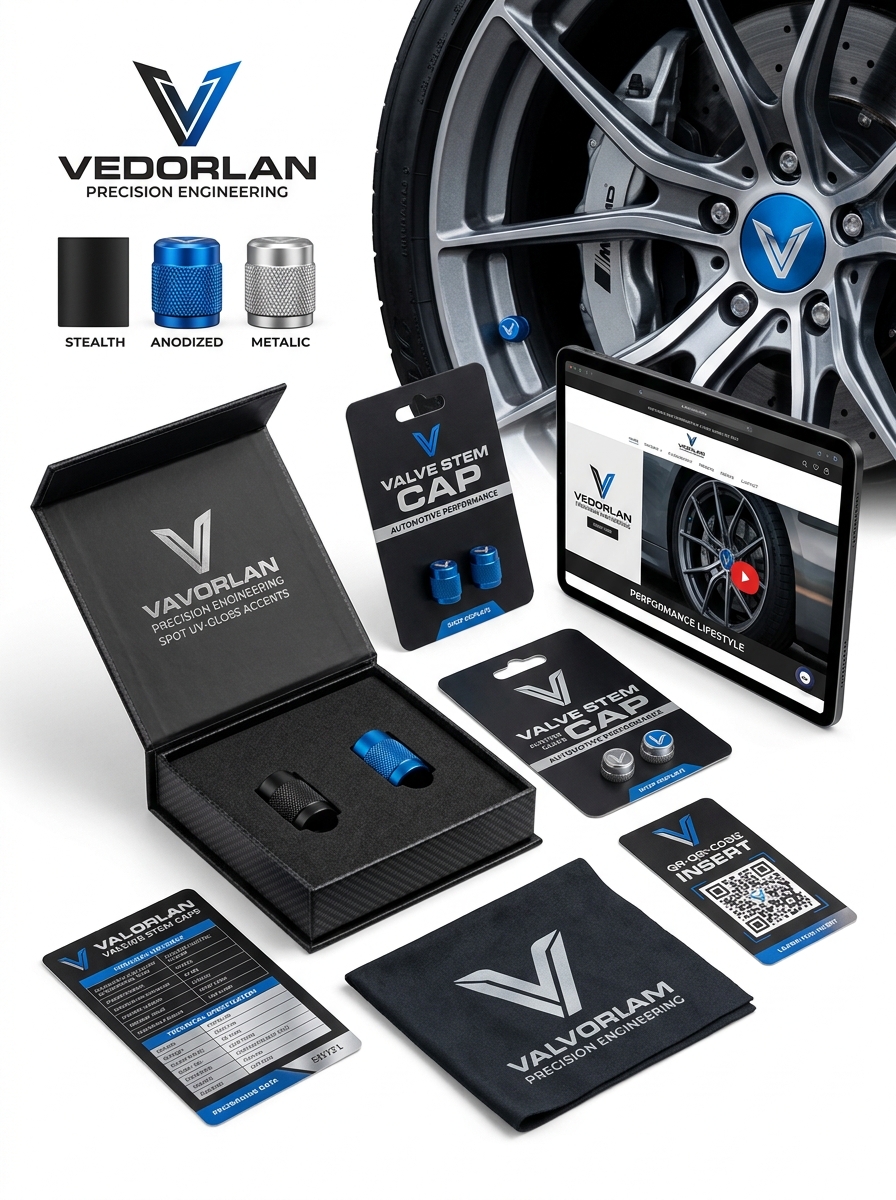
Valve stem cap packaging design serves as the crucial intersection between product protection and consumer attraction. While these small automotive components are often overlooked, their presentation on retail shelves defines brand authority and perceived value. Effective packaging must balance structural integrity-ensuring delicate threads and finishes remain intact-with compelling visual aesthetics that resonate with automotive enthusiasts.
By integrating bold typography, transparent viewing windows, and ergonomic materials, manufacturers can transform a simple utility item into a premium accessory. Understanding the synergy between functional engineering and visual storytelling is essential for capturing market interest. This exploration delves into the core concepts of packaging durability and the artistic elements that drive modern trends, ensuring your products command attention and provide a superior unboxing experience through thoughtful, high-impact design strategies.
The Evolution of Valve Stem Cap Packaging Strategies
Initially, valve stem cap packaging was purely functional, with products sold in bulk bins or simple polybags for mechanical use. However, as these small components transitioned into popular aftermarket accessories, packaging strategies evolved to prioritize retail visibility and brand differentiation.
The shift moved toward blister packs and hang-tags, which offered better protection against loss and theft while allowing consumers to inspect the finish of metal or decorative caps. Modern strategies now emphasize sustainable packaging, utilizing recyclable cardboard and biodegradable materials to meet eco-friendly consumer demands. Furthermore, premium custom valve caps are often presented in high-end, branded boxes that enhance the unboxing experience. This evolution reflects a broader move from basic utility to sophisticated marketing, ensuring product integrity while appealing to the aesthetic and environmental values of contemporary vehicle owners.
Defining Target Demographics for Automotive Accessories
Understanding the target demographics for valve stem caps is essential for effective market positioning. This niche automotive accessory appeals to three primary segments:
- Car Enthusiasts: Individuals focused on vehicle aesthetics and customization who seek premium materials like chrome, aluminum, or branded logos to enhance wheel appearance.
- Maintenance-Conscious Drivers: Practical consumers who prioritize vehicle longevity. They view valve stem caps as critical protective components that prevent dust, moisture, and road debris from damaging the valve core.
- Off-Road and Heavy-Duty Users: Professionals or hobbyists requiring high-durability, airtight seals to maintain optimal tire pressure in extreme environments.
By identifying these groups-ranging from style-driven hobbyists to safety-focused commuters-retailers can better tailor their inventory of automotive accessories to meet specific consumer demands for both form and function.
Balancing Structural Integrity with Aesthetic Appeal
A premium valve stem cap must harmonize functional durability with visual excellence. To maintain structural integrity, manufacturers utilize robust materials such as anodized aluminum, stainless steel, or heavy-duty brass. These materials provide essential resistance against corrosion, road salt, and temperature fluctuations, ensuring the internal valve core remains protected from debris and moisture.
Beyond performance, aesthetic appeal is achieved through precision machining and diverse finishes, including chrome plating or custom colors. The engineering challenge lies in ensuring that decorative elements do not add excessive weight, which could lead to centrifugal force issues at high speeds. By integrating rubber O-ring seals within sleek, stylish housings, these components offer a reliable airtight secondary seal while providing a sophisticated finishing touch to any automotive wheel assembly.
Visual Hierarchy and Brand Identity on Small Surfaces
Designing for a valve stem cap requires mastering micro-aesthetics. Due to the limited surface area, visual hierarchy is achieved through high-contrast elements and tactile textures. Brands utilize the flat top of the cap for primary identity, often employing laser etching or embossing to display logos that remain legible at a miniature scale.
Brand identity is further reinforced through material choice and finish. Premium manufacturers use specific knurling patterns and anodized colors to signify performance and luxury. By prioritizing a singular focal point-typically a brand mark or a distinct color pop-designers ensure that even a small component contributes to the vehicle's overall cohesive look. This strategic use of "micro-branding" transforms a functional dust cover into a subtle yet powerful statement of quality and attention to detail.
Leveraging Color Psychology in Performance Part Design
In high-end automotive engineering, valve stem caps are more than mere protective seals; they are vital elements of visual communication. By applying color psychology to performance part design, manufacturers can influence the perceived character of a vehicle. For example, red anodized finishes evoke a sense of urgency, speed, and heat, making them a popular choice for racing applications.
Conversely, blue signifies precision and cooling, while black or carbon fiber finishes suggest stealth and lightweight durability. Beyond aesthetics, these color choices serve as semantic markers that signal quality and intent to the observer. Integrating strategic color palettes into small components like valve caps allows enthusiasts to reinforce a cohesive branding message, bridging the gap between mechanical functionality and the psychological experience of performance.
Sustainable Material Selection for Modern Automotive Branding
In the evolving automotive landscape, even small components like the valve stem cap serve as vital touchpoints for brand identity. Modern manufacturers are increasingly prioritizing sustainable material selection, moving away from virgin plastics toward recycled aluminum, brass, and bio-based composites.
Choosing eco-friendly materials for tire accessories reduces the overall carbon footprint while offering enhanced durability and corrosion resistance. These premium, sustainable options ensure a secure, airtight seal, protecting the tire valve core from debris and moisture.
For brands, integrating recycled materials into valve stem caps signals a commitment to environmental stewardship. This strategic shift not only appeals to eco-conscious consumers but also elevates the perceived value of the vehicle through high-quality, ethically sourced hardware that maintains optimal tire pressure and safety.
Optimizing Retail Visibility Through Functional Form Factors
In the automotive aftermarket, valve stem caps represent a high-velocity impulse category where retail success is dictated by physical design. Retailers maximize shelf appeal by leveraging functional form factors that balance tactile utility with visual prominence. Ergonomic features, such as knurled textures or hexagonal profiles, do more than improve grip; they create faceted surfaces that catch light on point-of-purchase (POP) displays.
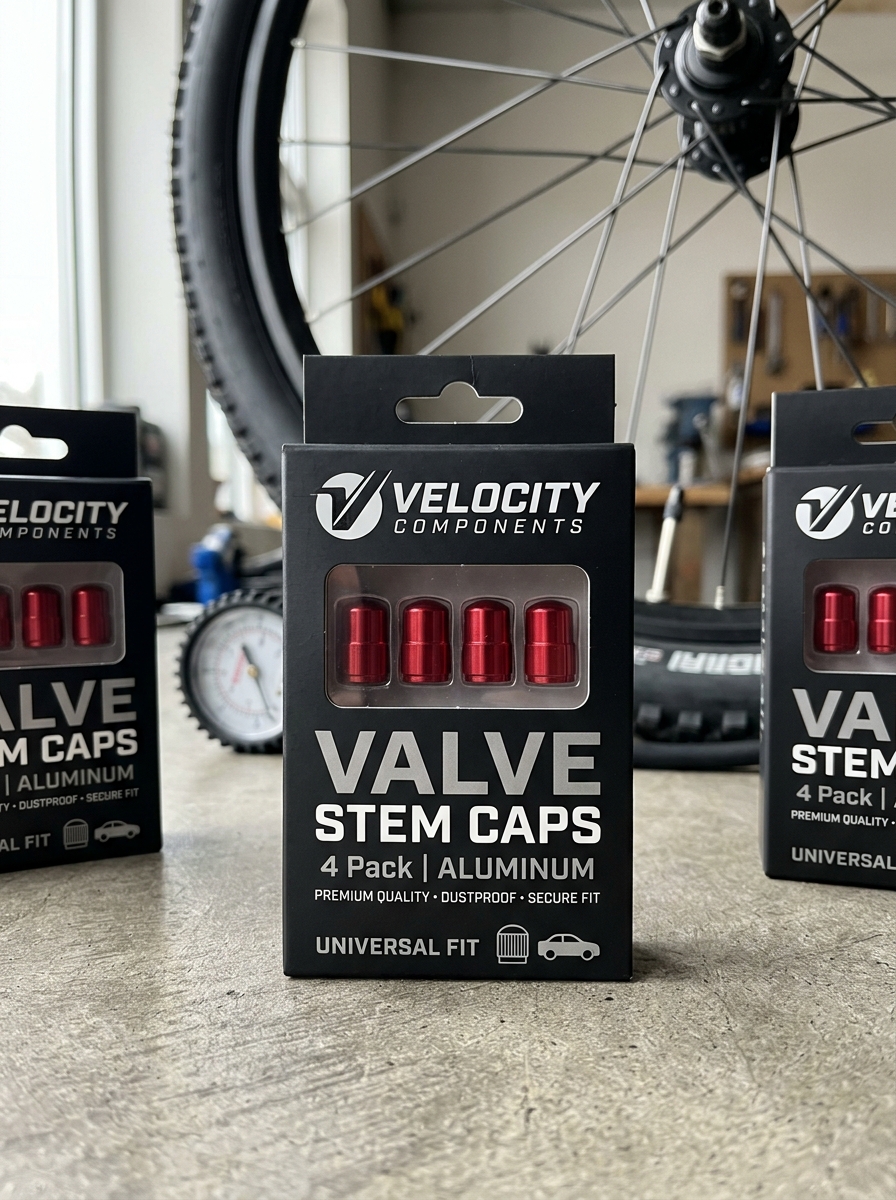
To drive conversions, manufacturers utilize diverse materials-ranging from anodized aluminum to chrome-plated plastic-presented in transparent blister packaging. This allows consumers to verify color precision and thread quality instantly. By strategically engineering these small-scale components for high-visibility hanging strips or gravity-fed bins, retailers optimize floor space while ensuring these essential tire maintenance accessories remain a primary focus for consumers seeking both valve core protection and vehicle personalization.
Effective Typography for Technical Specifications and Fitment
In the automotive aftermarket, precise typography is crucial for communicating valve stem cap specifications. Clear font choices enhance the readability of technical data, such as thread dimensions (8V1), pressure tolerances, and material types like anodized aluminum or ABS plastic.
To optimize for user experience and search clarity, use a strong visual hierarchy. Bolding critical fitment information-such as "TPMS Compatible" or "Universal Fit"-allows technicians and enthusiasts to quickly verify compatibility. Utilizing structured lists and high-contrast sans-serif fonts ensures that measurements remain legible on small screens. Semantic HTML implementation further aids screen readers in navigating complex fitment charts. By prioritizing legibility and structure, brands can reduce purchase errors and ensure customers select the correct protective caps for their specific vehicle applications.
The Impact of Transparency and Product Visibility on Sales
In the automotive accessories market, product visibility is a primary driver for valve stem cap conversions. Utilizing transparent blister packaging allows consumers to immediately verify material quality, color matching, and the presence of internal O-ring seals. This visual confirmation reduces perceived risk and enhances trust, which is essential for impulse-driven retail purchases.
Strategic transparency showcases the aesthetic appeal of premium alloy or specialty caps, ensuring the product meets the customer's specific vehicle styling needs. For e-commerce, high-definition imagery serves as "digital transparency," bridging the gap between physical inspection and online shopping. By prioritizing clear visibility, manufacturers can significantly improve click-through rates and reduce return frequencies, as buyers feel more confident in the product's compatibility and durability before finalizing their transaction.
Emerging Trends in Luxury and Performance Packaging Finishes
In the premium automotive aftermarket, valve stem caps have evolved into significant branding opportunities. Current trends focus on high-performance finishes such as Physical Vapor Deposition (PVD) and anodized coatings, which offer superior UV resistance and a high-luster metallic aesthetic.
Manufacturers are increasingly adopting laser-etched logos and carbon fiber inlays to appeal to luxury vehicle owners seeking a bespoke appearance. Beyond aesthetics, functional finishes like knurled textures and anti-seize internal linings are becoming standard in performance packaging to prevent galvanic corrosion. These advanced surface treatments-ranging from matte powder coatings to electroplated chrome-ensure that valve stem caps provide both a sophisticated visual accent and long-term durability against harsh environmental elements. By leveraging these innovative finishes, brands can significantly elevate the perceived value of these essential wheel components.
Leave a comment