
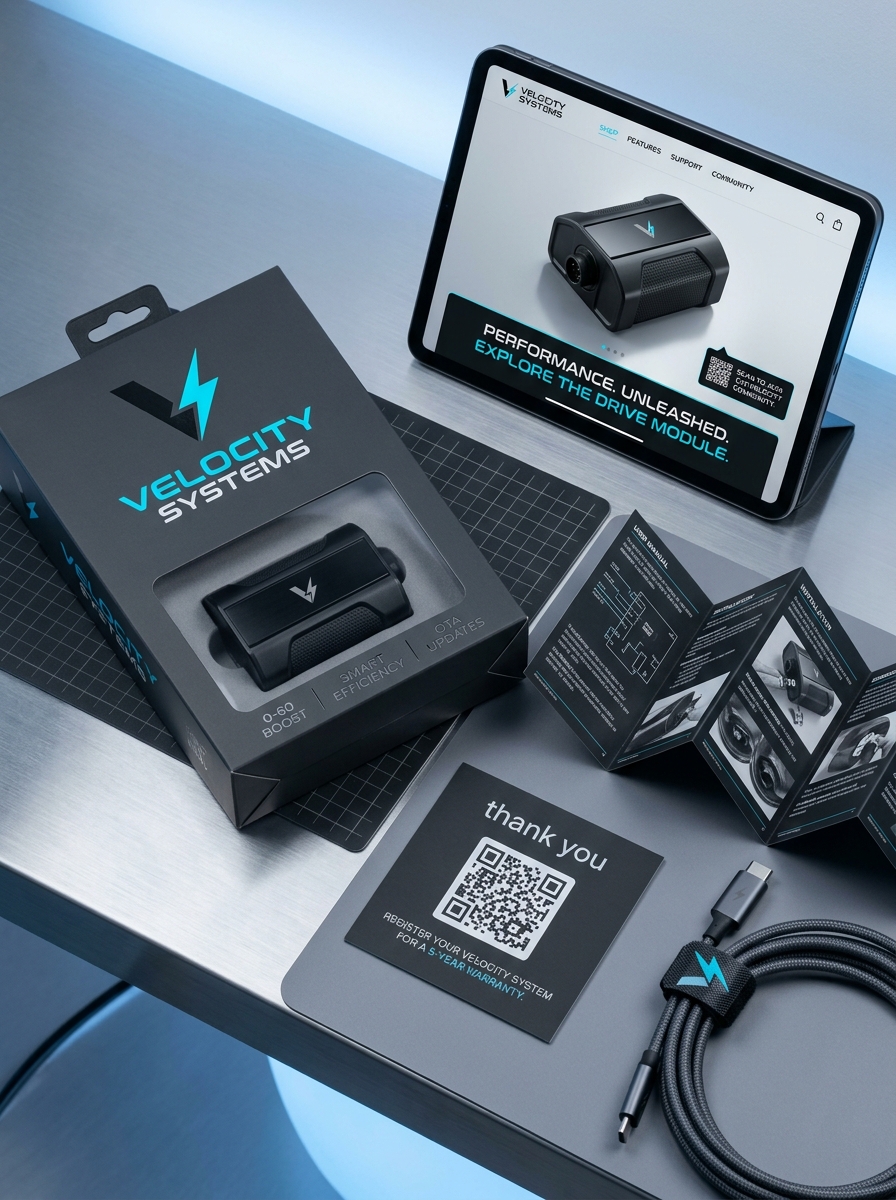
Modern USB car charger packaging transcends simple product protection, serving as a vital touchpoint for brand aesthetics and consumer engagement. To capture attention in a saturated electronics market, designers must integrate innovative structural concepts with a cohesive visual identity that signals reliability and high-speed performance.
By focusing on minimalist design, sustainable materials, and intuitive unboxing experiences, manufacturers can significantly elevate the perceived value of their hardware. This exploration delves into how strategic graphic elements and premium finishes transform standard utility items into lifestyle accessories, ensuring that your packaging effectively communicates your brand's core values while maximizing retail shelf impact.
Defining Visual Identity for Modern Car Charger Brands
In a crowded marketplace, establishing a distinct visual identity for USB car chargers is essential for building consumer trust and brand recognition. Modern branding transcends mere functionality, focusing on a cohesive aesthetic that aligns with contemporary vehicle interiors.
Key elements of a premium visual strategy include:
- Material Excellence: Utilizing brushed aluminum or matte finishes to convey durability and high-end quality.
- Ergonomic Design: Creating compact, low-profile shapes that sit flush with the dashboard for a seamless look.
- Functional Lighting: Integrating subtle LED indicators that provide status updates without distracting the driver.
- Consistent Color Palettes: Using sophisticated tones like space gray, carbon fiber, or metallic silver.
By prioritizing these design cues and clear iconography for Power Delivery (PD) ports, brands communicate technological sophistication and reliability to tech-savvy commuters.

Selecting Durable and Sustainable Packaging Materials
Choosing the right packaging for a USB car charger requires a balance between structural integrity and environmental impact. Durable materials, such as high-density corrugated cardboard, are essential to protect the internal circuitry and metallic connectors from impact during shipping and handling.
To improve sustainability, manufacturers are transitioning to eco-friendly packaging solutions. Utilizing FSC-certified recycled paper, biodegradable molded pulp, and soy-based inks reduces the carbon footprint without compromising protection. Eliminating single-use plastic windows in favor of die-cut designs ensures the entire box remains 100% recyclable.
Investing in sustainable packaging materials not only safeguards the device but also aligns with consumer demand for green electronics. By selecting premium, earth-friendly substrates, brands can enhance the unboxing experience while promoting a circular economy for mobile accessories.
Structuring Technical Specifications for Maximum Clarity
Organizing technical data for a USB car charger ensures users can quickly identify compatibility and performance. To optimize for both readability and SEO, specifications should be presented using structured HTML elements like descriptive lists or tables.
Key technical attributes to highlight for maximum clarity include:
- Power Output: Total wattage and individual port distribution (e.g., PD 30W or QC 18W).
- Input/Output Voltage: Compatibility with 12V-24V vehicle systems and specific charging profiles.
- Port Configuration: Clear distinction between USB-C and USB-A connectors.
- Safety Certifications: Integrated protections against over-voltage, short-circuits, and overheating.
Semantic formatting allows search engines to index vital performance metrics accurately. This helps consumers find chargers that match their specific device requirements while reducing technical friction during the decision-making process.
The Role of Minimalist Aesthetics in Premium Tech Design
In the evolving landscape of mobile accessories, a USB car charger is no longer just a functional utility; it is a vital component of a vehicle's interior ecosystem. Premium tech design leverages minimalist aesthetics to bridge the gap between high-speed performance and sophisticated style.
By utilizing low-profile silhouettes and high-grade materials like zinc alloy or brushed aluminum, manufacturers create devices that integrate seamlessly into modern dashboards. This "less is more" approach reduces visual clutter and ensures the charger does not obstruct gear shifts or console controls.
Beyond beauty, minimalist design enhances durability and heat management. For the discerning consumer, a compact, sleek form factor signifies quality and reliability, transforming a simple power adapter into a discreet statement of modern technology and functional elegance.
Enhancing the Consumer Unboxing Experience
The unboxing experience serves as the first physical touchpoint between a brand and a customer. For a USB car charger, premium packaging significantly elevates perceived value. Utilizing sturdy, eco-friendly materials with magnetic closures or custom-fit inserts ensures the device is presented as a high-quality electronic tool rather than a generic commodity.
To optimize this experience, manufacturers should include clear, concise User Manuals and visible technical specifications regarding Power Delivery (PD) and Quick Charge (QC) compatibility. Thoughtful touches, such as a frustration-free pull tab or a dedicated slot for included charging cables, reduce initial friction. By focusing on these sensory and functional details, brands can foster immediate consumer trust, encourage positive reviews, and differentiate their power solutions in a competitive mobile accessory market.
Color Psychology and Brand Recognition in Retail
In the competitive USB car charger market, color psychology is a vital tool for influencing consumer behavior. Retailers leverage specific hues to trigger psychological associations and enhance brand recognition. For example, metallic silver and black chargers often denote premium technology and reliability, appealing to professional users. In contrast, vibrant accents like red or neon green suggest speed and high-output energy, attracting performance-oriented buyers.
Consistent use of color across product lines helps brands stand out on crowded retail shelves, fostering immediate visual identification. By aligning charger aesthetics with brand identity, manufacturers can communicate value-whether it is minimalist elegance or rugged durability-without saying a word. Ultimately, strategic color selection bridges the gap between functional mobile power and the emotional preferences of the modern driver, driving both initial sales and long-term brand loyalty.
Protective Structural Engineering for Delicate Electronics
High-performance USB car chargers are engineered with robust structural integrity to safeguard sensitive internal circuitry from the rigors of the road. The outer housing, often crafted from fire-retardant polycarbonate or aircraft-grade aluminum, provides a primary defense against physical impact and thermal stress.
Strategic internal engineering ensures long-term reliability through several key features:
- Shock Resistance: Reinforced spring-loaded contacts maintain a stable electrical connection despite vehicle vibrations.
- Heat Dissipation: Advanced PCB layouts and thermal pads efficiently vent heat, preventing component degradation during rapid charging.
- Circuit Isolation: Precise structural spacing prevents short circuits and manages electromagnetic interference (EMI).
This protective architecture ensures that delicate microchips and voltage regulators provide a clean, consistent power flow, protecting both the charger and your connected mobile devices.
Integrating Smart Features and Digital Connectivity Elements
Modern USB car chargers have evolved into sophisticated power hubs by integrating smart technology and digital connectivity. Advanced models now feature Intelligent IC chips that automatically detect a connected device's specific power requirements. This ensures optimal charging speeds while providing essential protection against overcurrent and overheating.
Beyond simple power delivery, many chargers incorporate Bluetooth connectivity, allowing them to sync with mobile applications to monitor vehicle battery health or track parking locations via GPS. Integrated digital LED displays provide real-time voltage feedback, offering drivers immediate insight into their vehicle's electrical performance. By merging high-speed data protocols with IoT capabilities, these chargers transform from basic accessories into vital components of the connected vehicle ecosystem, ensuring a seamless and safe user experience for modern commuters.
Optimizing Shelf Presence for Competitive Market Advantage
To dominate the USB car charger market, brands must prioritize shelf impact through strategic packaging and clear value propositions. Effective retail presentation involves high-visibility graphics that highlight essential technical features such as Power Delivery (PD), Quick Charge (QC) compatibility, and total wattage output.
Maximizing competitive advantage requires optimizing the point-of-purchase experience through several key factors:
- Visual Hierarchy: Using bold typography to communicate rapid charging speeds and multi-port configurations.
- Build Quality Transparency: Utilizing windowed packaging so consumers can inspect the alloy casing or compact form factor.
- Consumer Trust: Highlighting safety certifications and universal compatibility with iOS and Android devices.
By focusing on these semantic retail drivers, manufacturers differentiate their automotive power accessories, ensuring higher conversion rates in a crowded consumer electronics landscape.
Future Trends in Eco-Friendly Accessory Packaging
The evolution of USB car charger packaging is shifting toward complete sustainability to meet consumer demand for green electronics. Future trends prioritize biodegradable materials, such as molded pulp and FSC-certified recycled cardboard, replacing traditional single-use plastic blisters. Manufacturers are increasingly adopting minimalist designs that reduce raw material consumption and decrease shipping weights, effectively lowering the overall carbon footprint of mobile accessories.
Key innovations include the use of soy-based inks and water-soluble adhesives, which simplify the recycling process. Furthermore, "plastic-free" window displays crafted from plant-based cellulose are becoming the industry standard. These eco-conscious packaging advancements ensure that high-speed charging technology aligns with global environmental goals, appealing to environmentally aware drivers who prioritize sustainable lifecycles for their tech gadgets.
Leave a comment