
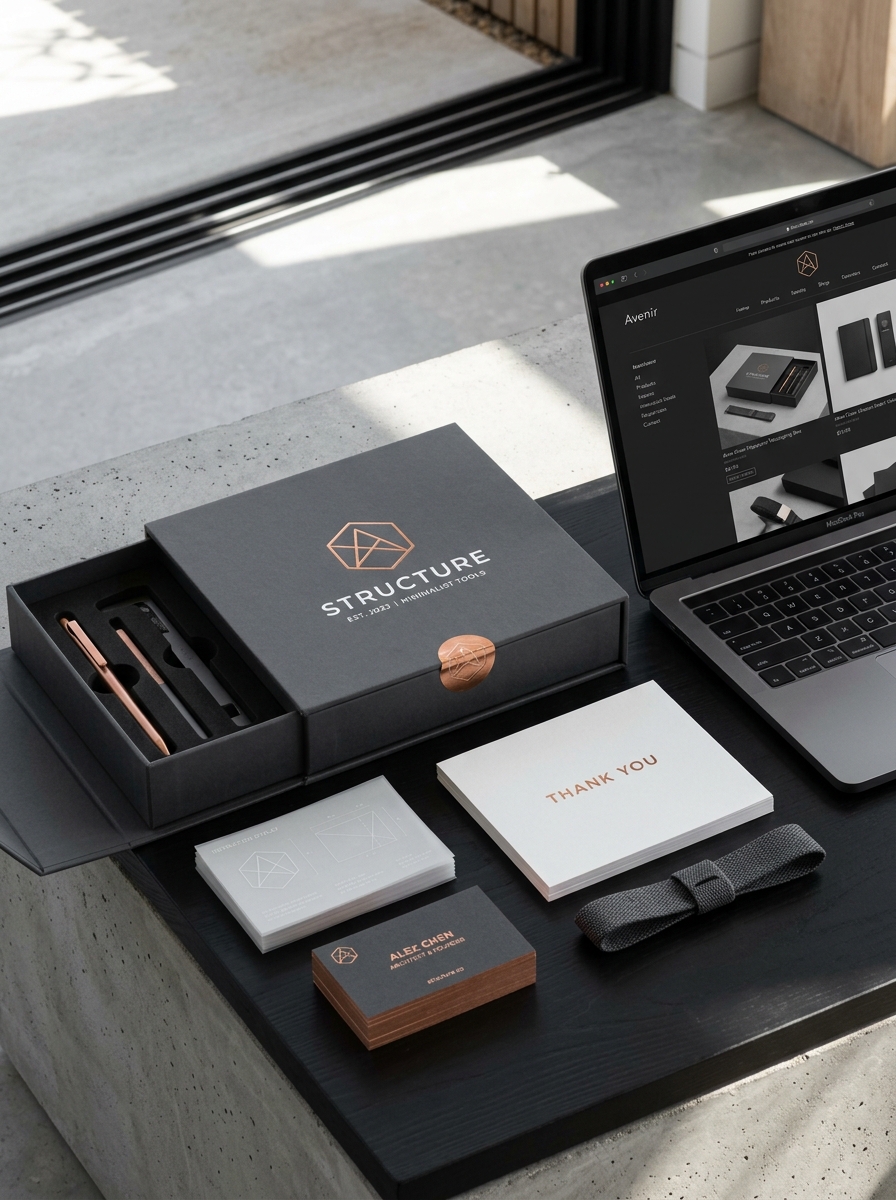
Effective desk organizer packaging design transcends simple containment; it serves as a crucial bridge between functional utility and sophisticated visual aesthetics. As the initial physical touchpoint for consumers, the box must communicate brand identity while ensuring the product remains secure during transit.
To achieve mastery in this niche, designers must balance structural integrity with minimalist design elements that appeal to organized professionals. By prioritizing the unboxing experience and utilizing sustainable materials, a brand can differentiate itself and build immediate trust. This guide examines the essential concepts of layout, typography, and material selection necessary to create packaging that resonates with modern workspace trends and drives long-term consumer engagement.
The Strategic Importance of Desk Organizer Packaging
Strategic desk organizer packaging is a vital component of product lifecycle management and brand positioning. Beyond its primary function of protecting fragile materials-such as acrylic, sustainable wood, or metal mesh-from transit damage, packaging serves as a critical marketing tool. It facilitates a premium unboxing experience that reinforces customer satisfaction and brand loyalty.
To optimize for both functionality and retail appeal, manufacturers focus on several key elements:
- Durability: Custom-fit inserts prevent scratches and structural failure during shipping.
- Sustainability: Utilizing eco-friendly, recyclable materials appeals to the environmentally conscious office professional.
- Information Design: Clear labeling and instructional graphics highlight assembly ease and organizational benefits.
Ultimately, high-quality packaging elevates the perceived value of an office accessory, transforming a simple storage solution into a professional-grade productivity essential.
Identifying Your Target Audience and Workspace Persona
To choose or market the ideal desk organizer, you must first define the specific workspace persona and their unique organizational needs. Different users require tailored solutions based on their daily habits:
- The Minimalist: Seeks sleek, hidden storage to maintain a clutter-free environment and mental clarity.
- The Creative Professional: Requires modular compartments for diverse tools like brushes, tablets, and swatches.
- The Corporate Executive: Prioritizes premium materials and cable management for a high-end, functional aesthetic.
- The Student: Needs high-capacity, durable bins for textbooks, stationery, and tech accessories.
By identifying your target audience-whether they are remote workers or gamers-you can select organizers with the right ergonomics and utility to optimize productivity and complement their specific desktop environment.
Material Selection for Durability and Environmental Impact
Choosing the right materials for desk organizers is essential for balancing long-term performance with ecological responsibility. Selecting high-quality components ensures your workspace remains functional while minimizing your environmental footprint.
- Sustainable Wood & Bamboo: These renewable resources provide a natural aesthetic and are biodegradable, making them excellent choices for eco-conscious offices.
- Recycled Metals: Steel and aluminum offer unmatched durability and are often infinitely recyclable, preventing waste from entering landfills.
- Post-Consumer Plastics: Opting for recycled plastics reduces the demand for virgin petroleum-based materials while maintaining a lightweight, versatile design.
Prioritizing durability reduces the frequency of replacements, directly contributing to a sustainable consumption cycle. By investing in resilient, ethically sourced materials, you create an efficient workspace that supports both productivity and planetary health.
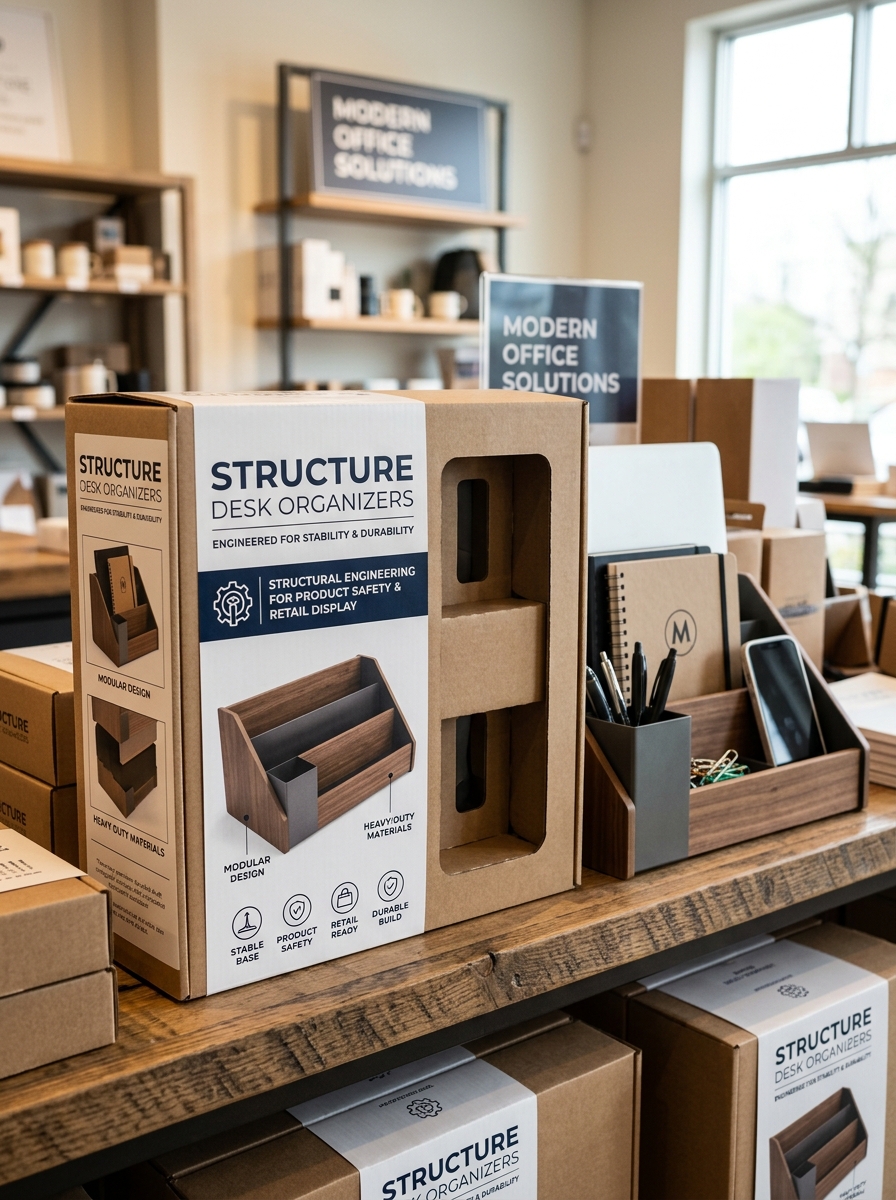
Structural Engineering for Product Safety and Retail Display
Premium desk organizers rely on precise structural engineering to balance aesthetic appeal with functional safety. Utilizing high-density materials like reinforced ABS plastic or cold-rolled steel ensures superior load-bearing capacity, preventing structural failure under the weight of heavy books or office equipment.
Product safety is prioritized through beveled edges and anti-skid silicone bases, which minimize workplace hazards and protect desk surfaces. From a retail display perspective, engineering focuses on modularity and nesting capabilities. These design features optimize shelf space and ensure product stability during transit. By integrating robust construction with ergonomic details, these organizers offer a "retail-ready" solution that maintains its integrity from the warehouse to the executive office, ensuring long-term durability and consumer trust.
Visual Aesthetics and Minimalist Design Trends
Modern desk organizers have evolved beyond simple utility, becoming essential elements of workspace visual aesthetics. Current minimalist design trends focus on the "less is more" philosophy, utilizing clean lines, neutral color palettes, and premium materials such as sustainable bamboo, brushed metal, and clear acrylic.
By reducing visual clutter, these sleek organization systems promote mental clarity and enhance productivity. A minimalist desk setup prioritizes functional beauty, ensuring that every tool has a dedicated place without overwhelming the senses. Key features of this trend include modular components and hidden cable management, which contribute to a streamlined, professional environment. Investing in aesthetically pleasing office accessories transforms a chaotic workstation into an inspiring, high-performance sanctuary that aligns with contemporary interior design standards.
Optimizing Typography and Information Hierarchy
Effective desk organization relies on clear information hierarchy and intuitive visual cues. By utilizing labels with legible typography and distinct font weights, you can identify compartment contents instantly, significantly reducing cognitive load. Establishing a visual priority involves placing high-frequency tools in the primary "hot zone" of your workspace while relegating secondary items to lower-tier organizers.
Semantic structuring of your physical layout ensures that the most critical resources are the most accessible. Consider using bold, sans-serif labels for broad categories and smaller, precise text for specific sub-items. This systematic approach to spatial typography streamlines your workflow, enhances focus, and maintains a clutter-free environment designed for peak productivity and rapid item retrieval.
The Art of the Premium Unboxing Experience
A premium unboxing experience transforms a high-quality desk organizer into a statement of professional refinement. The journey begins with tactile, heavy-duty packaging that protects the integrity of the materials, whether they are handcrafted wood, top-grain leather, or brushed metal.
Meticulous presentation, utilizing precision-cut foam inserts and sustainable protective layers, communicates craftsmanship and luxury. This sensory process-the weight of the box, the subtle aroma of natural materials, and the visual harmony of the components-reassures the professional of their investment. By prioritizing these finer details, brands elevate workspace aesthetics from the moment of arrival. This ritual bridges the gap between purchase and utility, ensuring the transition to an organized desktop feels as sophisticated and seamless as the product itself.
Incorporating Functional and Interactive Packaging Features
Modern desk organizer packaging has evolved beyond simple protection to become an extension of the product itself. By integrating functional design, manufacturers are creating value-added experiences that resonate with organized professionals.
Key interactive and functional features include:
- Repurposable Boxes: Packaging designed to be converted into drawer dividers or cable tidies, minimizing waste.
- QR Code Integration: Scannable codes that provide instant access to assembly videos, ergonomic setup guides, or digital planners.
- Modular Inserts: Protective cardboard structures that double as temporary stationery caddies or smartphone stands.
These interactive packaging features not only enhance the unboxing experience but also reinforce a brand's commitment to sustainability and workspace efficiency, ensuring every element of the purchase serves a practical purpose.
Sustainability and Eco-Friendly Packaging Solutions
Modern office organization now prioritizes environmental responsibility alongside functionality. Sustainable desk organizers are increasingly crafted from renewable resources like bamboo, cork, and FSC-certified wood, or high-quality recycled plastics and metals. These materials ensure long-term durability, reducing the waste cycle associated with disposable office supplies.
Beyond the product itself, eco-friendly brands implement green packaging solutions. This includes using 100% recyclable corrugated cardboard, biodegradable fillers, and soy-based inks instead of harmful plastics or styrofoam. By choosing organizers with minimalist packaging and carbon-neutral shipping options, consumers can maintain a clutter-free workspace while minimizing their ecological footprint. Transitioning to sustainable stationery storage is a vital step toward a circular economy and a greener professional environment.
Measuring the Impact of Packaging on Brand Loyalty
In the competitive desk organizer market, packaging serves as the first physical touchpoint, significantly influencing long-term consumer retention. A premium unboxing experience does more than protect the product; it communicates brand values and meticulous attention to detail. When customers receive a sleek monitor stand or modular tray in sturdy, eco-friendly packaging, it validates their purchase and builds immediate trust.
Measuring this impact involves analyzing repeat purchase rates and organic social media engagement. High-quality materials and intuitive internal layouts reinforce a professional brand image, transforming a simple office accessory into a lifestyle statement. By investing in sustainable, well-branded packaging, companies foster deeper brand loyalty, ensuring users return for future workspace upgrades. Ultimately, the quality of the presentation is a key indicator of the quality of the organizer itself.
Leave a comment