
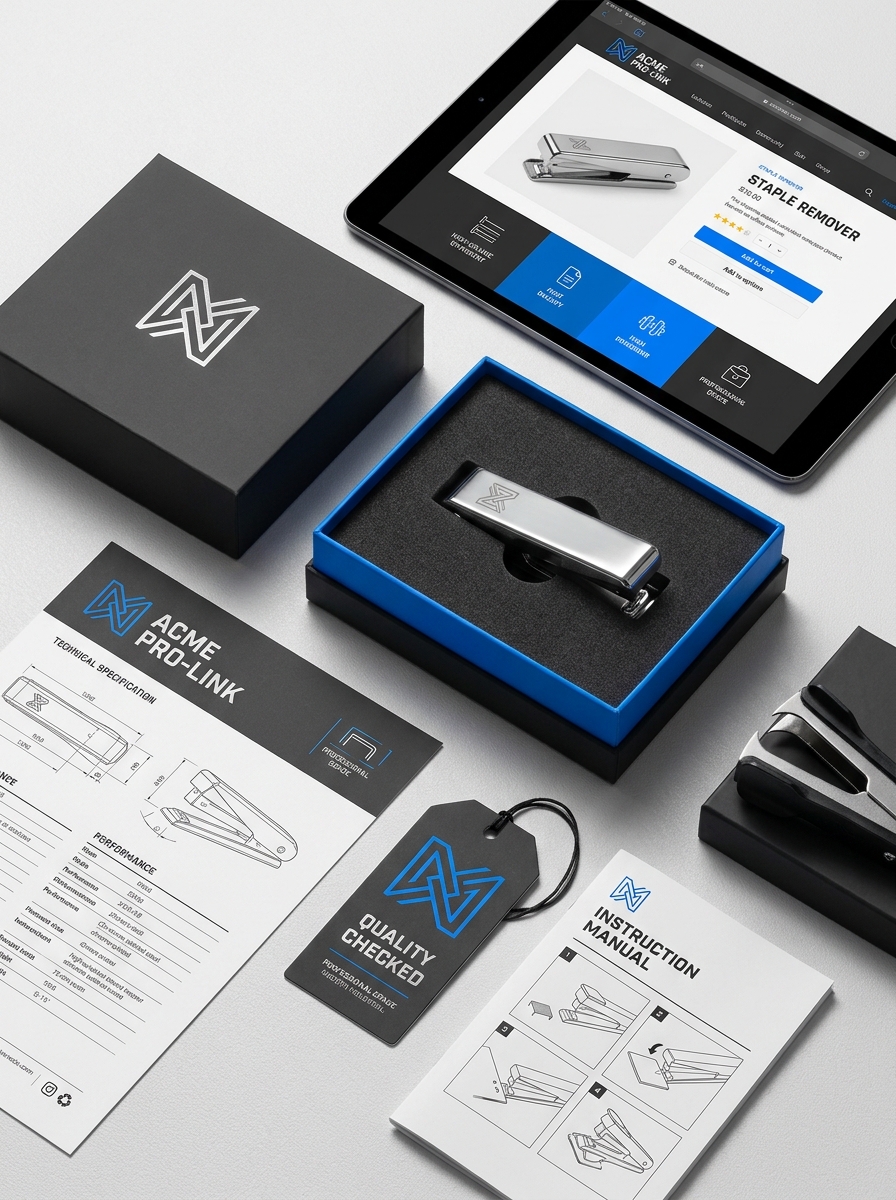
Effective staple remover packaging design bridges the gap between functional utility and shelf-side appeal. While often categorized as a secondary office accessory, the container for this tool serves as a vital touchpoint for brand identity and consumer trust.
Successful designs prioritize structural integrity and clear visual communication to highlight ergonomic features and safety mechanisms. By integrating minimalist aesthetics with strategic typography and transparent window elements, manufacturers can transform a simple utility item into a premium retail product.
This guide explores the essential concepts of structural packaging and the visual guidelines necessary to command attention in the stationery market. We analyze how intentional material selection and balanced graphic layouts create a cohesive user experience from the retail shelf to the office desk.
The Evolution of Modern Staple Remover Packaging Design
The journey of staple remover packaging has transitioned from basic industrial utility to sophisticated, consumer-centric design. Historically, these office tools were sold in generic bulk boxes with minimal branding. Today, manufacturers prioritize shelf-impact and user experience through innovative structural engineering.
Modern designs frequently utilize sustainable materials, such as recyclable molded pulp and FSC-certified paperboard, replacing traditional PVC blister packs. This evolution focuses on "frustration-free" packaging, ensuring the tool is easily accessible while remaining protected during transit.
By incorporating transparent windows and minimalist typography, brands highlight the ergonomic features of the staple remover. This shift reflects broader trends in the office supply industry, where eco-friendly packaging and clear visual communication are essential for capturing the attention of environmentally-conscious consumers and professional procurement officers alike.
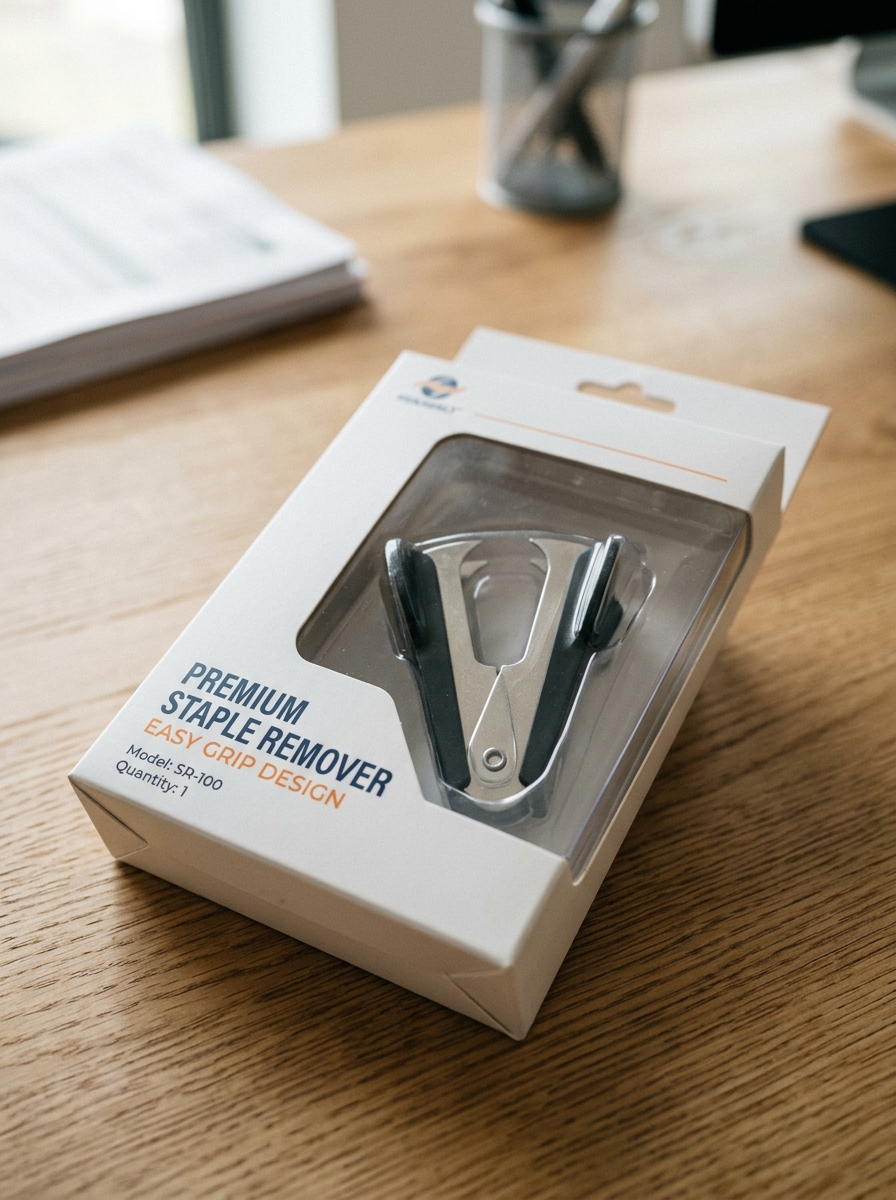
Prioritizing Product Visibility and Material Integrity
Effective staple removal requires a strategic balance between surgical precision and surface preservation. Modern staple removers are engineered to enhance product visibility, allowing users to align extraction tips accurately without obstructing their line of sight. This visual clarity is essential for preventing misplaced pressure and accidental punctures.
To maintain material integrity, high-performance tools often utilize a "push-style" lift mechanism rather than a traditional jaw-style pinch. By lifting the staple vertically, these devices protect the structural fibers of the document or substrate, effectively eliminating the risk of jagged tears or unsightly holes. Utilizing polished, hardened steel ensures the tool glides smoothly under the crown, making it an indispensable asset for archival tasks where maintaining the pristine condition of the original medium is non-negotiable.
Ergonomic Structural Design for Enhanced User Experience
Modern staple removers prioritize user comfort through sophisticated ergonomic engineering. Unlike traditional claw-style tools, ergonomic models feature contoured handles and soft-touch grips that distribute pressure evenly across the hand. This structural optimization is essential for minimizing hand strain and preventing repetitive motion injuries during high-volume document processing.
Key design elements of an ergonomic staple remover include:
- Non-slip surfaces: Providing superior control and preventing accidental slips.
- Leverage-assisted mechanisms: Reducing the physical force required to extract heavy-duty staples.
- Symmetrical bodies: Ensuring ease of use for both left and right-handed individuals.
By focusing on human-centric design, these tools improve office productivity and ensure that the staple removal process is smooth, efficient, and gentle on both the user and the paper.
Leveraging Color Psychology in Office Supply Branding
In the competitive landscape of desk accessories, branding for staple removers strategically employs color psychology to influence consumer perception and purchasing behavior. Manufacturers select specific palettes to communicate functional benefits and brand identity. For instance, blue is frequently used to evoke trust and reliability, signaling that the tool is dependable for high-volume administrative tasks.
Conversely, black or chrome finishes suggest professional sophistication and durability, making them ideal for executive settings. Vibrant hues like red or neon green are utilized to enhance visibility on a cluttered workspace, emphasizing speed and efficiency. By leveraging these visual cues, office supply brands can differentiate their ergonomic staple removers, aligning product aesthetics with the psychological needs of the user to drive brand loyalty and market share.
Essential Information Hierarchy for Consumer Packaging
Effective packaging for staple removers must prioritize a clear information hierarchy to assist consumer decision-making. At the primary level, the product type and mechanism-whether jaw-style or push-style-should be immediately visible.
- Functionality: Highlight compatibility with standard (24/6, 26/6) or heavy-duty industrial staples.
- Ergonomics: Emphasize comfort features like non-slip grips or contoured handles for high-volume use.
- Safety Features: Clearly denote integrated safety locks or protective shields to prevent injury during storage.
Secondary information should include material durability, such as chrome-plated steel, and brand-specific value propositions. By organizing these elements semantically, manufacturers ensure office professionals and DIY enthusiasts can quickly identify the best tool for document management or upholstery tasks, reducing purchase friction and enhancing the user experience.
Integrating Sustainability in Stationery Product Protection
Modern stationery brands are increasingly prioritizing eco-conscious solutions for staple removers. Protecting these essential office tools during transit no longer necessitates excessive single-use plastics. Instead, innovative manufacturers are shifting toward biodegradable corrugated cardboard and molded pulp inserts to secure items.
These sustainable protection methods ensure that both claw-style and push-style removers reach consumers in peak condition while significantly minimizing the environmental footprint. Furthermore, focusing on high-quality stainless steel construction enhances product longevity, effectively reducing long-term office waste.
By adopting plastic-free transit protection and FSC-certified packaging, the stationery industry aligns with global circular economy goals. This transition ensures that even small accessories contribute to a greener workplace without compromising on durability, safety, or functional performance.
Safety Engineering for Sharp Tool Housing and Transit
The safety engineering of staple removers focuses on mitigating risks associated with sharp extraction teeth. High-quality housing designs incorporate locking mechanisms that keep the tool closed when idle, ensuring the pointed tips remain shielded during transit and storage.
To prevent accidental injuries, manufacturers utilize impact-resistant materials and ergonomic shielding. For professional-grade models, advanced safety features include spring-loaded guards or retractable blades that only engage during the de-stapling process. These engineering standards are critical for maintaining a secure office environment, as they prevent puncture wounds while facilitating the safe transport of tools in bags or desk drawers. By prioritizing structural integrity and protective enclosures, modern staple removers deliver both efficiency and user protection.
Minimalist Aesthetics and Contemporary Visual Identity
Modern staple removers have transcended their purely utilitarian origins to become essential components of a minimalist office aesthetic. Contemporary visual identity in workspace design emphasizes clean lines, neutral color palettes, and unobtrusive forms. Today's premium staple removers often feature sleek, ergonomic silhouettes-such as pen-style push removers-that replace traditional, bulky jaw-style mechanisms.
These design innovations align with a professional visual identity, where office stationery reflects efficiency and sophistication. By prioritizing high-quality materials like matte-finished metals and polished resins, manufacturers ensure these tools integrate seamlessly into modern interior design. This focus on minimalist beauty reduces visual clutter, fostering a streamlined environment where functionality and style coexist, elevating a mundane administrative task into a refined user experience.
Maximizing Retail Shelf Appeal and Consumer Engagement
In the competitive office supplies market, staple removers must stand out through strategic retail placement and innovative packaging. To maximize shelf appeal, manufacturers prioritize ergonomic designs and vibrant color palettes that capture consumer attention instantly. High-visibility blister packs are essential, allowing customers to inspect the build quality of both jaw-style and pusher-type removers before purchase.
Effective consumer engagement is driven by highlighting unique selling points like "paper protection" and "non-slip comfort grips." By utilizing retail-ready displays and concise branding, retailers enhance the perceived value of these essential stationery tools. Optimized product positioning ensures that whether for home offices or corporate environments, these durable tools remain accessible, driving higher conversion rates through a blend of functional aesthetics and clear communication of utility.
Future Directions in Smart and Eco-Friendly Packaging Solutions
The evolution of staple remover packaging is pivoting toward sustainability and digital integration. Modern manufacturers are transitioning from traditional plastic blister packs to biodegradable materials and FSC-certified recycled cardboard. This shift significantly reduces the carbon footprint and plastic waste associated with small office tool distribution.
Smart packaging innovations, such as integrated QR codes, now offer instant access to digital ergonomic guides and local recycling instructions, eliminating the need for paper inserts. By adopting soy-based inks and zero-plastic designs, the industry is aligning with circular economy principles. These future-ready solutions ensure that even the simplest desk accessories contribute to broader corporate green initiatives and improved supply chain transparency.
Leave a comment