
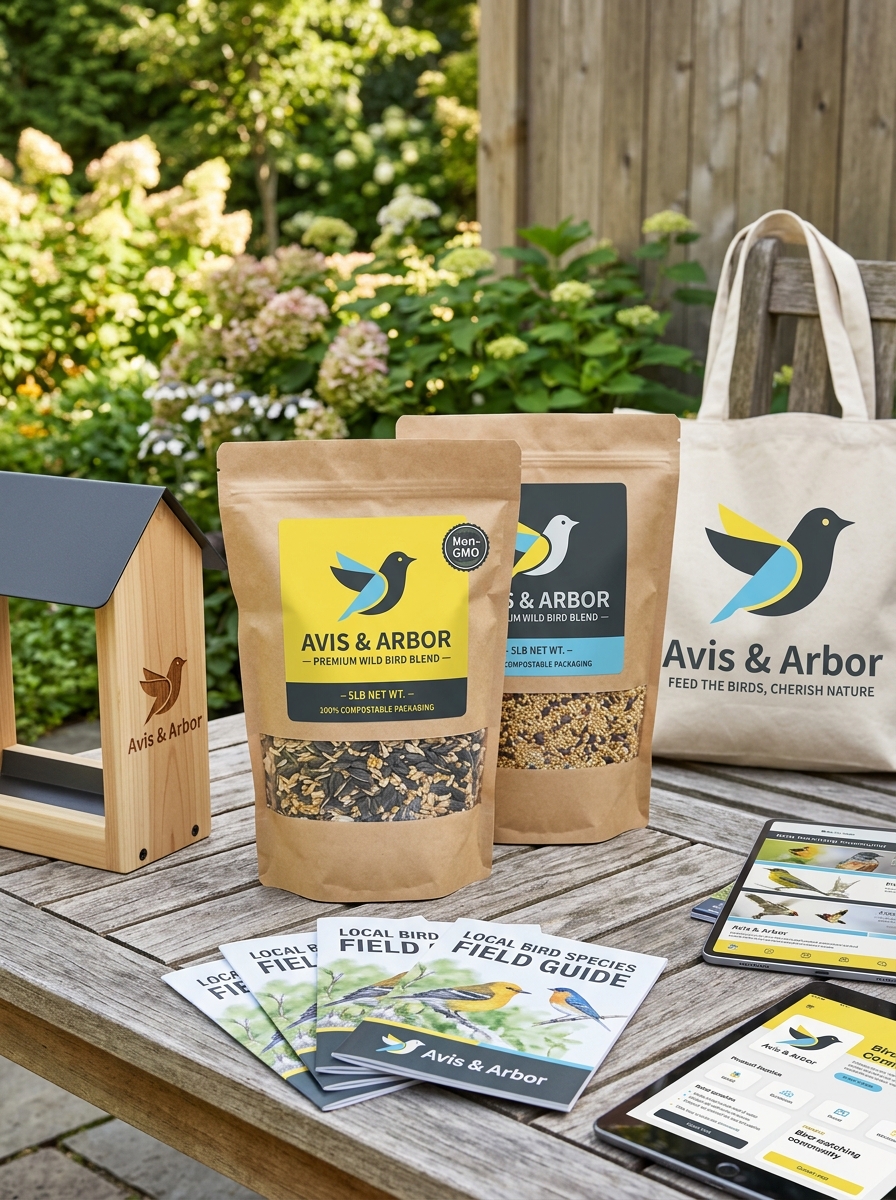
Modern bird seed packaging design has evolved into a sophisticated fusion of functional engineering and artistic storytelling. As the market for premium avian nutrition expands, manufacturers must balance structural integrity with visual allure to capture the attention of discerning hobbyists. Effective packaging serves as a critical touchpoint, protecting delicate seeds from moisture and pests while communicating brand values through sustainable materials and innovative shelf-presence strategies.
Current aesthetic trends emphasize minimalist layouts, high-definition botanical illustrations, and tactile finishes that evoke a deep connection to the natural world. From resealable stand-up pouches to eco-friendly paper-based solutions, the industry is shifting toward designs that prioritize both user convenience and environmental responsibility. By integrating these essential concepts, brands can transform a simple commodity into a premium experience that resonates with nature lovers and promotes long-term loyalty.
The Evolution of Modern Bird Seed Packaging Design
Historically, bird seed was distributed in generic paper sacks or bulk bins, focusing purely on basic utility. As bird feeding transitioned from a rural necessity to a popular suburban hobby, packaging design evolved to balance aesthetics with long-term functionality. Early innovations introduced plastic liners to prevent moisture ingress and pest infestation.
Today, modern packaging prioritizes freshness and sustainability. High-barrier films now protect seeds from UV damage and oxidation, preserving vital nutritional oils. Sophisticated features like integrated resealable zippers and transparent "viewing windows" allow consumers to inspect seed quality instantly. Furthermore, many brands are shifting toward eco-friendly, recyclable, or compostable materials to meet the demands of environmentally conscious consumers. This evolution from simple bags to high-tech, brand-driven containers ensures that wild bird food remains fresh, nutrient-dense, and convenient for the modern enthusiast.
Balancing Durability with Moisture Protection Requirements
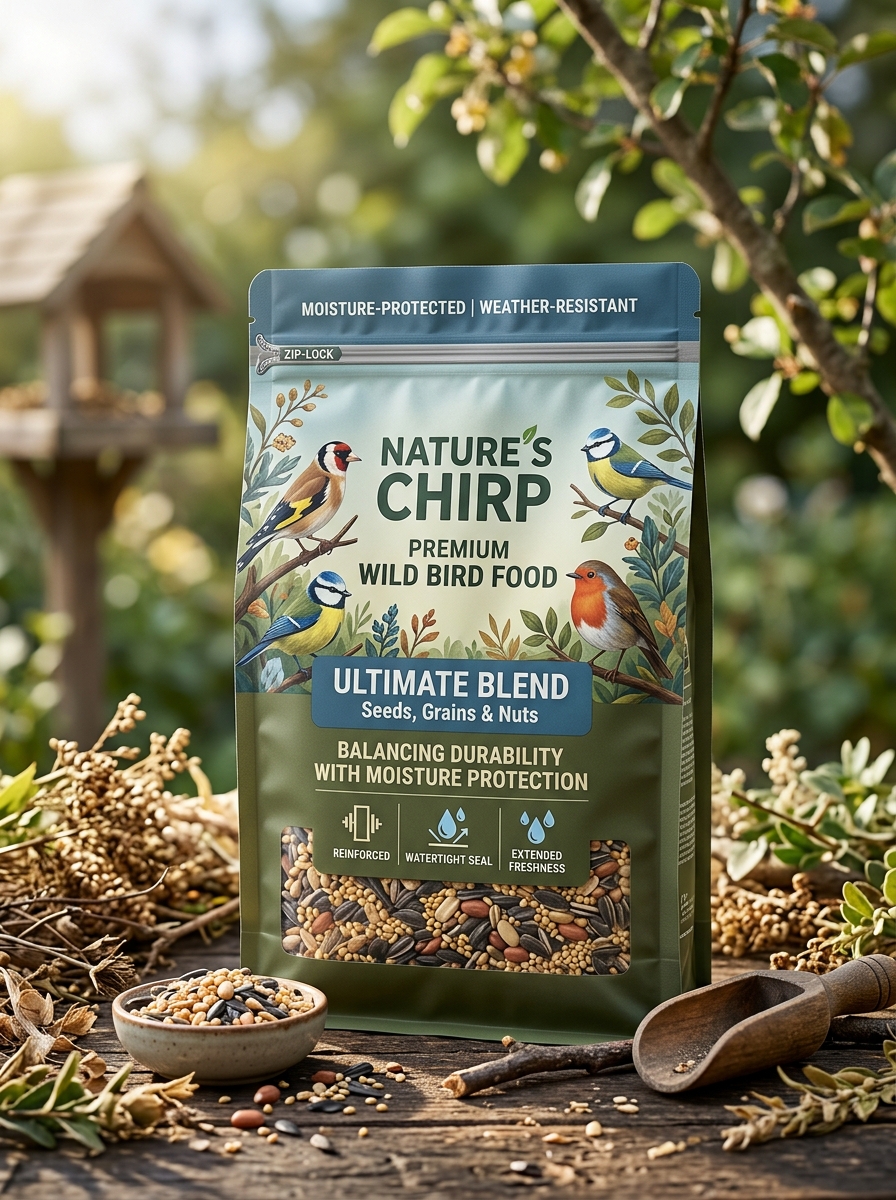
To maintain the nutritional quality of bird seed, packaging must achieve a technical balance between physical ruggedness and atmospheric defense. Durability is essential to prevent punctures and tears caused by heavy seed mixes, sharp hulls, or rough handling during distribution. Common materials like woven polypropylene provide high tensile strength but often require additional layers to combat environmental factors.
Moisture protection is equally vital; excess humidity leads to clumping, mold growth, and the development of dangerous mycotoxins. Manufacturers utilize moisture-barrier laminates and polyethylene linings to create an airtight seal. By integrating puncture-resistant outer layers with high-barrier inner films, the packaging protects against internal abrasion while ensuring the seeds remain dry and shelf-stable. This dual-layered approach preserves essential oils and vitamins, ensuring a safe, high-energy food source for avian species.
Sustainable Material Choices for the Eco-Conscious Birder
Selecting the right bird seed involves more than nutritional analysis; it requires a commitment to environmental stewardship. Eco-conscious birders prioritize sustainable packaging and organic sourcing to protect delicate avian habitats.
Opt for bird seed housed in biodegradable paper, burlap, or compostable materials instead of single-use plastics. These choices significantly reduce landfill waste and prevent harmful microplastics from entering the ecosystem. Furthermore, selecting certified organic, non-GMO seeds ensures that no synthetic pesticides or chemical fertilizers contaminate the food chain, preserving soil health and local insect populations.
By investing in bulk quantities and responsibly sourced materials, you minimize your carbon footprint while supporting a circular economy. These intentional decisions ensure your backyard feeding station contributes positively to global conservation efforts and long-term biodiversity.
Visual Storytelling through Artistic Ornithological Illustrations
Artistic ornithological illustrations provide a captivating lens through which we understand bird seed and avian foraging habits. These detailed renderings do more than showcase vibrant plumage; they narrate the vital connection between wild birds and their nutritional sources. By depicting specific species alongside their preferred grains, nuts, and oil-rich seeds, these illustrations act as an essential educational tool for birding enthusiasts.
Visual storytelling highlights how beak morphology dictates a bird's diet, such as the powerful mandibles required to crack sunflower shells. These artistic works foster a deeper appreciation for biodiversity, encouraging the use of high-quality, species-specific bird seed blends in backyard feeders. Through this blend of science and art, we gain insight into natural foraging patterns, ensuring that supplemental feeding effectively supports the health and survival of local bird populations.
The Psychology of Color in Avian Product Branding
Color psychology is a strategic tool in bird seed packaging designed to influence consumer trust and perception. Branding often utilizes earthy tones like forest green and deep brown to signify organic, natural ingredients that mimic a wild bird's natural habitat. These hues reassure bird enthusiasts of the product's ecological purity.
Conversely, vibrant yellow and bright orange are frequently employed to represent high-energy grains, sunflowers, and sun-ripened nutrients. Red accents are used to draw the eye to berry-flavored mixes or high-calorie suet, as red is a primary attractant for species like hummingbirds. By aligning visual palettes with nutritional expectations, manufacturers communicate health benefits and product freshness instantaneously, helping pet owners make quick, informed decisions on the retail shelf.
Strategic Use of Product Windows and Transparency
In the premium bird seed market, product windows are a vital tool for building consumer trust. These transparent packaging features allow bird enthusiasts to visually verify seed quality and freshness before purchase. By providing a clear view of the mix, brands demonstrate that their formula is free from excessive dust, debris, or low-quality "filler" grains like red milo.
True transparency extends to ingredient integrity and clear labeling. When customers can see high-energy components like black oil sunflower seeds, nyjer, and hulled peanuts, it reinforces the brand's commitment to avian nutrition. This strategic openness helps hobbyists select the best blends for specific wild bird species, ensuring a high-value product that promotes vibrant backyard ecosystems and long-term customer loyalty.
Typography and Information Architecture for Seed Mixtures
In the context of bird seed packaging and digital catalogs, typography and information architecture (IA) are vital for consumer clarity. Proper typographic hierarchy ensures that essential data-such as crude protein levels, fat content, and specific seed types like nyjer or safflower-is immediately legible. High-contrast, sans-serif fonts are often preferred for ingredient lists to maintain readability at smaller scales.
Strategic information architecture organizes complex mixtures by bird species, seasonal relevance, and compatible feeder types. By categorizing data into logical groups, such as "No-Waste Blends" or "High-Energy Suet," manufacturers help hobbyists make informed decisions. Well-structured IA utilizes bulleted lists and clear headings to highlight allergen warnings and storage instructions, ensuring the product is used safely and effectively to support local avian health.
Functional Innovations in Resealable and Pourable Packaging
Modern bird seed packaging has evolved to prioritize both product longevity and user convenience. Resealable closures, such as heavy-duty sliders and press-to-close zippers, are now industry standards. these features create an airtight seal that maintains nutritional freshness while protecting contents from moisture and common pests like weevils or rodents.
In addition to preservation, ergonomic pour spouts and integrated side handles have revolutionized how enthusiasts fill feeders. These functional innovations allow for controlled, mess-free dispensing, significantly reducing seed waste. High-barrier laminated films provide the structural integrity necessary for bulk storage, ensuring the seeds remain dry and viable. By integrating these advanced packaging solutions, manufacturers offer a superior user experience that keeps bird seed secure, accessible, and fresh for backyard wildlife.
Minimalist Aesthetic Trends in Premium Wild Bird Feed
The premium wild bird feed market is undergoing a visual transformation, driven by minimalist aesthetic trends that prioritize transparency and sustainability. Modern birding enthusiasts are increasingly drawn to "clean" packaging designs featuring muted earth tones and clear viewing windows, which highlight the raw quality of the natural bird food inside.
This design shift focuses on high-nutrient density, removing artificial dyes and decorative fillers to showcase the organic beauty of pure black oil sunflower seeds, hulled nuts, and dried fruit. By adopting a "less is more" philosophy, premium brands align their products with contemporary outdoor decor and eco-conscious values. This minimalist approach enhances shelf appeal while reassuring consumers of the product's biological integrity, catering specifically to the sophisticated needs of modern backyard conservationists.
Future Directions in Smart and Interactive Packaging Solutions
The evolution of bird seed packaging is pivoting toward smart technologies that enhance product integrity and consumer engagement. Future trends prioritize the integration of QR codes and NFC tags, enabling hobbyists to access real-time data regarding seed sourcing, nutritional profiles, and avian migration patterns directly from the bag.
Innovative interactive packaging features, such as Augmented Reality (AR), will soon transform standard bags into educational tools, offering bird-watching tips and digital species identification. On the functional side, freshness sensors and time-temperature indicators are being developed to monitor seed quality, ensuring the delivery of mold-free, high-nutrient food for backyard wildlife.
By merging intelligent tracking with sustainable materials, the bird seed industry is moving toward a tech-driven future that fosters environmental stewardship and a deeper connection between enthusiasts and local ecosystems.
Leave a comment