
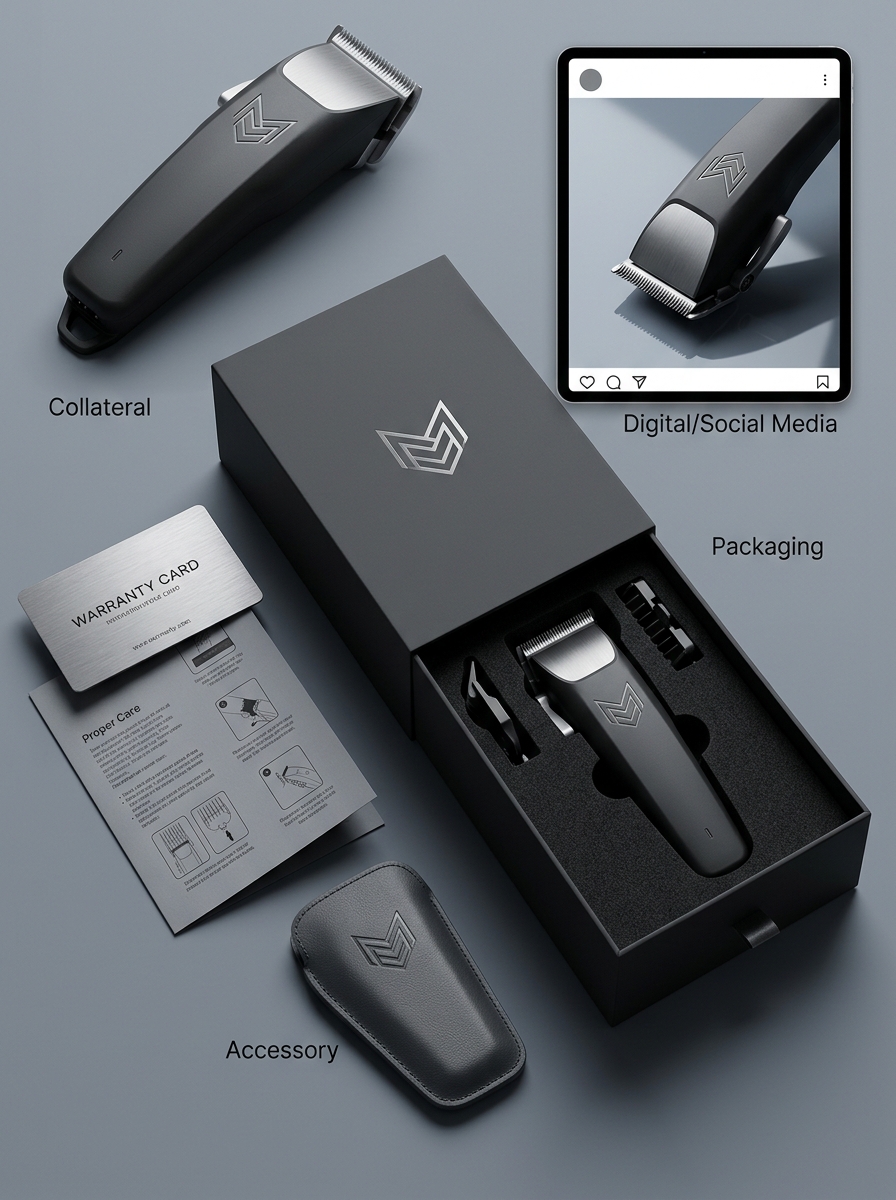
Modern nail clipper packaging design has transcended its traditional role of basic containment, emerging as a vital touchpoint for brand aesthetics and consumer engagement. As the grooming industry shifts toward premium personal care, the visual and tactile appeal of packaging serves as a silent communicator, conveying quality and precision before the tool is even used.
By exploring creative concepts-ranging from sustainable minimalist sleeves to high-end magnetic cases-manufacturers can significantly enhance their shelf presence. This introduction examines how strategic structural design and innovative graphic elements elevate simple grooming tools into luxury lifestyle essentials. Focusing on the intersection of functionality and artistry, we uncover how thoughtful packaging transforms the retail experience and fosters brand loyalty through an impactful first impression.
The Importance of First Impressions in Grooming Products
In the competitive landscape of personal care, the first impression of grooming tools like nail clippers is paramount. When a consumer handles a clipper, the tactile feedback-its weight, material finish, and ergonomic design-immediately signals quality and reliability. High-grade stainless steel and a sleek, modern aesthetic do more than just look professional; they communicate precision and longevity.
For many, grooming is an essential ritual of self-care. Consequently, a well-designed tool enhances the user experience and builds immediate brand trust. If a product appears flimsy, users frequently associate it with poor performance or jagged cuts. Conversely, a sharp silhouette and premium build suggest hygiene and superior engineering. Mastering these initial visual and physical cues is essential for establishing authority and ensuring customer satisfaction in any daily grooming routine.
Translating Brand Values into Tangible Packaging Design
Effective nail clipper packaging serves as a physical manifestation of a brand's core philosophy. For premium grooming brands, translating values like precision and durability into tangible design involves selecting high-grade materials, such as soft-touch matte finishes or minimalist metallic accents.
Sustainability-focused companies prioritize biodegradable substrates and soy-based inks to signal environmental responsibility directly to the consumer. Beyond aesthetics, the structural integrity of the packaging ensures protection for sharp, stainless-steel edges, reinforcing a commitment to safety and professional quality.
By integrating ergonomic unboxing experiences with clear, sophisticated typography, manufacturers bridge the gap between abstract brand promises and the user's tactile reality. This strategic alignment not only enhances perceived value but also builds long-term consumer trust through consistent sensory cues.
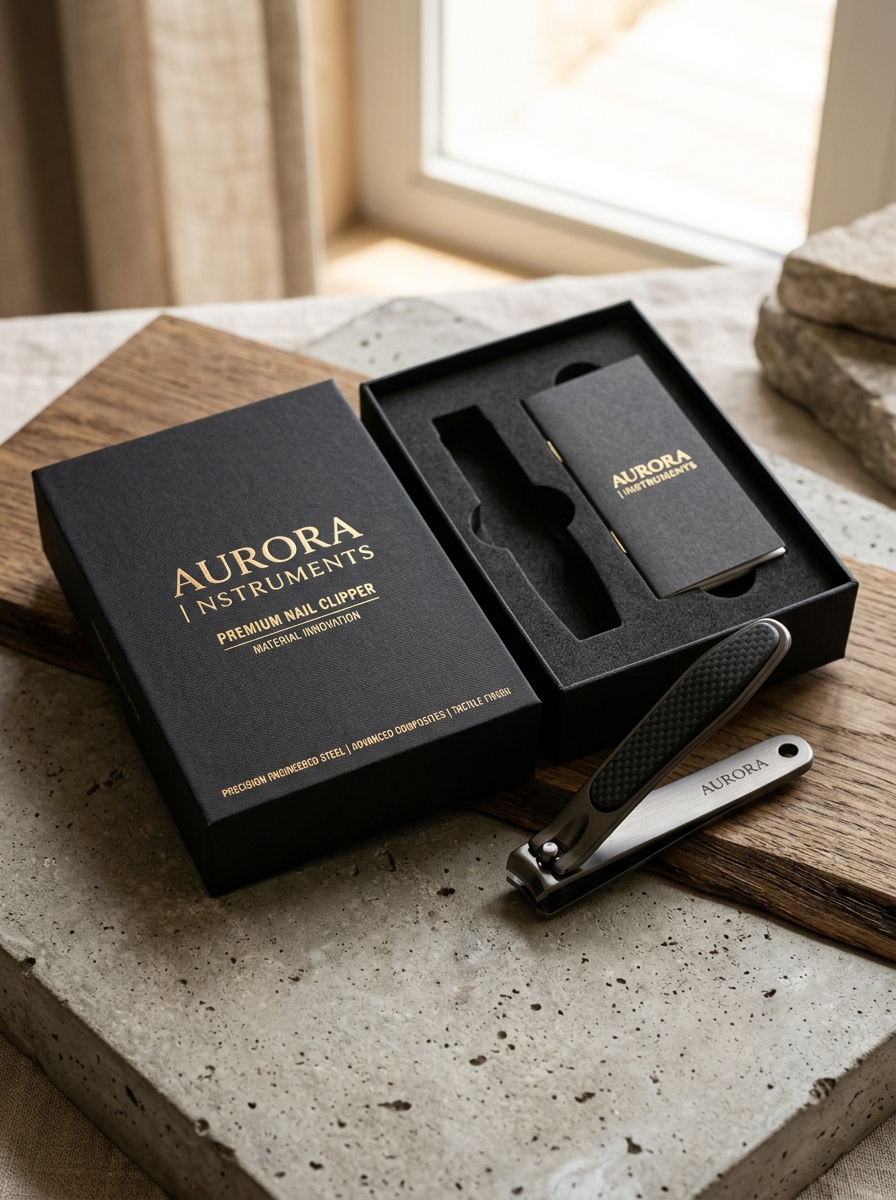
Material Innovation and the Pursuit of Premium Textures
Modern nail clippers have evolved through significant material innovation, moving beyond basic metals to high-carbon stainless steel and medical-grade alloys. These advanced materials ensure exceptional durability, corrosion resistance, and a lasting sharp edge for precision grooming.
The pursuit of premium textures has introduced sophisticated finishes such as sandblasted matte, PVD coatings, and brushed surfaces. These tactile enhancements offer more than just aesthetic appeal; they provide superior ergonomic grip and non-slip control. By combining metallurgical excellence with refined surface treatments, manufacturers create professional-grade tools with a balanced, weighted feel. This focus on high-quality materials minimizes nail splitting and elevates a routine hygiene task into a premium self-care experience.
The Role of Minimalism in Contemporary Tool Aesthetics
Modern nail clippers have evolved beyond mere utility, embracing minimalist design principles that prioritize both form and function. In contemporary tool aesthetics, the "less is more" philosophy focuses on sleek silhouettes, matte finishes, and high-grade stainless steel construction. This transition removes unnecessary bulk, resulting in ergonomic instruments that offer precision without visual clutter.
Minimalist design in grooming tools emphasizes intuitive use. By integrating features like hidden nail catchers or 360-degree rotary blades into a streamlined frame, manufacturers create a seamless user experience. These clippers serve as both high-performance tools and sophisticated lifestyle accessories. This aesthetic shift reflects a broader trend in industrial design, where durability and simplicity define luxury, ensuring that everyday essentials remain timeless, portable, and highly functional for the modern consumer.
Functional Engineering for Safety and Portability
Modern nail clippers represent a peak in functional engineering, prioritizing both user safety and compact design. High-quality models utilize precision-aligned curved blades that mimic the natural nail shape, ensuring a clean cut while minimizing the risk of painful splitting or jagged edges.
Safety is further integrated through ergonomic levers and non-slip grips, which provide optimal mechanical leverage and control. To enhance portability, many clippers feature a fold-away construction or 360-degree rotating levers, allowing them to remain slim and travel-friendly.
Advanced engineering often includes integrated nail catchers to prevent debris scatter and vacuum-hardened stainless steel for long-term durability. These features ensure that even the most compact grooming tool provides a professional, safe, and efficient experience anywhere.
Eco-Friendly Approaches to Sustainable Nail Care Kits
Transitioning to sustainable nail care begins with selecting high-quality, long-lasting tools that reduce environmental waste. Traditional grooming sets often rely on disposable plastics, but eco-friendly kits prioritize durability and recyclability. Opting for professional-grade stainless steel nail clippers is a primary step, as these tools offer superior precision and can be fully recycled at the end of their lifecycle.
A sustainable approach also involves replacing single-use items. Swap disposable emery boards for glass nail files or bamboo-handled tools to minimize landfill contributions. Furthermore, look for kits housed in plastic-free packaging, such as recycled cardboard or reusable metal tins. By investing in a well-crafted, plastic-free nail care set, you reduce personal waste while maintaining optimal hygiene. Embracing these eco-conscious habits ensures your grooming routine supports a healthier planet without compromising on performance.
Visual Hierarchy and Strategic Color Palettes
In the design of premium nail clippers, visual hierarchy is essential for highlighting functional excellence. By utilizing varied scale and placement, manufacturers draw immediate focus to critical components like the precision-ground blades and ergonomic levers. This structural arrangement ensures that users instinctively recognize the tool's durability and ease of use.
Strategic color palettes further enhance this consumer perception. While polished stainless steel or chrome finishes communicate hygiene and clinical precision, matte black or metallic accents often signify professional-grade quality. Modern grooming brands may also use soft-touch coatings in muted tones to appeal to lifestyle-oriented markets. These deliberate aesthetic choices, combined with clear focal points, establish a strong brand identity and signal superior craftsmanship in the competitive personal care industry.
Creating a Memorable Unboxing Experience for Consumers
For premium nail clippers, the unboxing experience serves as the first indicator of quality. Transitioning from basic plastic blisters to sophisticated, sustainable packaging elevates the brand's perceived value. A memorable presentation often includes:
- Custom Inserts: Precision-cut foam or magnetic trays that keep high-carbon stainless steel tools secure and organized.
- Tactile Finishes: Utilizing matte-coated boxes or embossed logos to provide a luxury feel upon first touch.
- Added Value: Including a microfiber cleaning cloth, a leather travel pouch, or an illustrated guide on ergonomic nail care.
By focusing on these sensory details, manufacturers transform a routine grooming tool into a luxury self-care essential. A professional unboxing experience builds consumer trust, reduces returns, and encourages social sharing, positioning your clippers as the superior choice in a competitive market.
Shelf Appeal and Market Differentiation Strategies
In the competitive personal care market, nail clippers must leverage strategic shelf appeal to capture consumer attention. Differentiation begins with ergonomic product design and the use of premium materials, such as surgical-grade stainless steel or matte finishes, which signal durability and precision.
To stand out, manufacturers employ several key strategies:
- Niche Branding: Tailoring products for specific segments, such as ultra-safe clippers for infants or heavy-duty tools for podiatry.
- Innovative Packaging: Utilizing high-visibility blister packs or eco-friendly minimalist boxes that highlight unique features like integrated nail catchers.
- Functional Value: Promoting 360-degree rotating heads or non-slip grips that improve the user experience.
By emphasizing precision engineering and aesthetic modernism, brands can transform a standard grooming utility into a premium lifestyle accessory, driving higher margins and brand loyalty.
Merging Technology with Traditional Packaging Concepts
Modern nail clippers represent a sophisticated synergy between cutting-edge engineering and time-tested design principles. Manufacturers are increasingly integrating high-carbon stainless steel and laser-cut precision-technologies once exclusive to surgical instruments-into tools that respect traditional ergonomic forms. This fusion results in superior cutting leverage and lifelong durability.
The evolution extends to presentation, where innovative materials meet heritage aesthetics. By replacing single-use plastics with sustainable packaging solutions like recyclable metal tins or refined wood cases, brands elevate a simple hygiene tool into a luxury grooming essential. This approach balances modern mechanical performance with the classic appeal of artisan craftsmanship, ensuring that professional-grade manicure tools meet contemporary environmental standards without sacrificing their historical reliability.
Leave a comment