
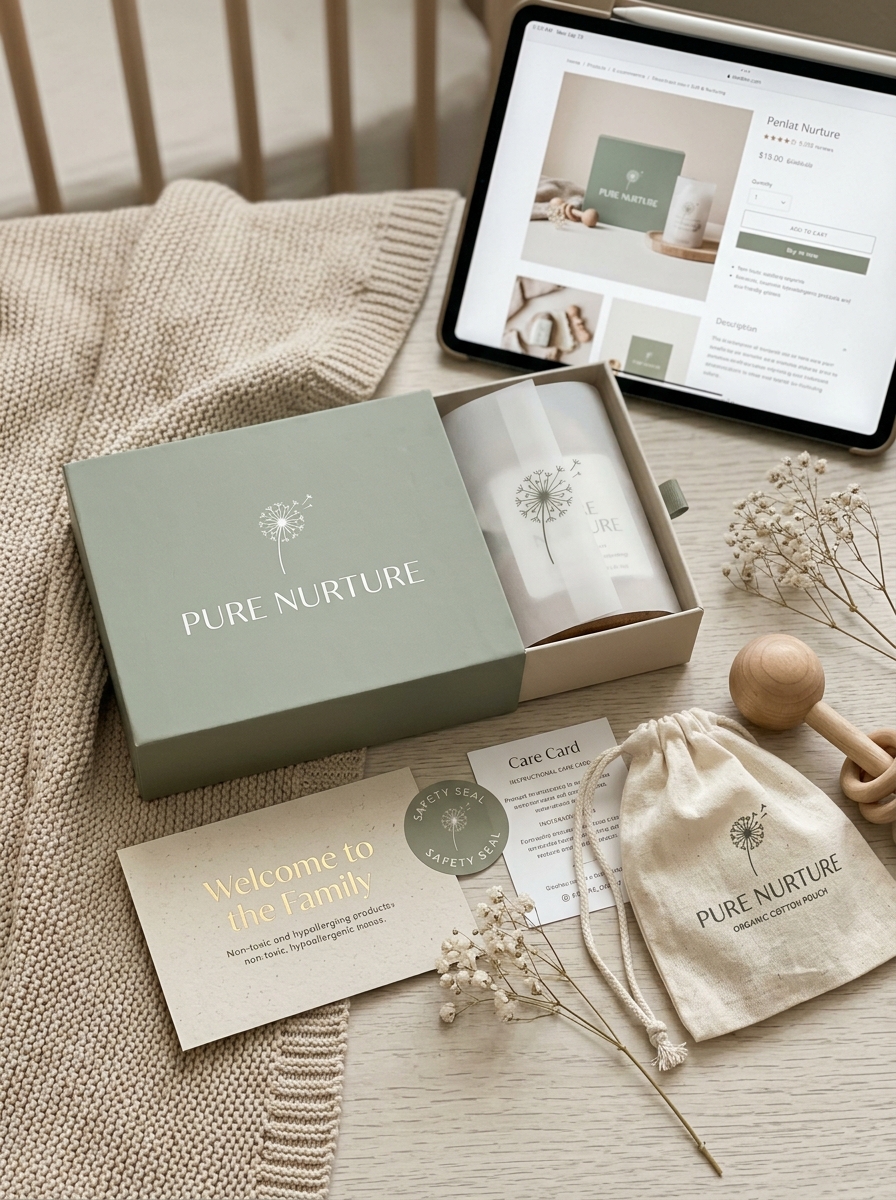
Creating exceptional baby brush packaging requires a delicate balance between functional safety and emotional resonance. For brands entering the infant grooming market, mastering design concepts that prioritize soft visual aesthetics is essential for building immediate trust with parents. By integrating gentle color palettes, ergonomic structures, and tactile finishes, designers can effectively communicate a product's premium quality and gentleness.
This exploration into visual aesthetics and strategic branding delves into how transparent windows, sustainable materials, and playful typography influence purchasing decisions. Understanding the nuances of nursery-themed presentation allows manufacturers to elevate their products from simple tools to cherished baby essentials. Discover the core principles of packaging design that harmonize protection with a sophisticated, nurturing appeal to capture the modern caregiver's attention.
Strategic Packaging Foundations for Baby Care Products
Strategic packaging for a baby brush focuses on three core pillars: protection, safety, and brand transparency. As an essential infant grooming tool, the packaging must safeguard delicate bristles-whether natural goat hair or soft synthetic fibers-from environmental contaminants and deformation during transit.
Utilizing BPA-free, recyclable, or sustainable materials resonates with eco-conscious parents, while a transparent window design allows consumers to verify the texture and quality of the bristles. Effective baby care packaging should also feature prominent safety certifications and ergonomic box designs that reflect the gentle nature of the grooming experience. By prioritizing hygienic standards and aesthetic appeal, brands can build long-term consumer trust, ensuring the brush remains pristine from the manufacturing facility to the nursery.
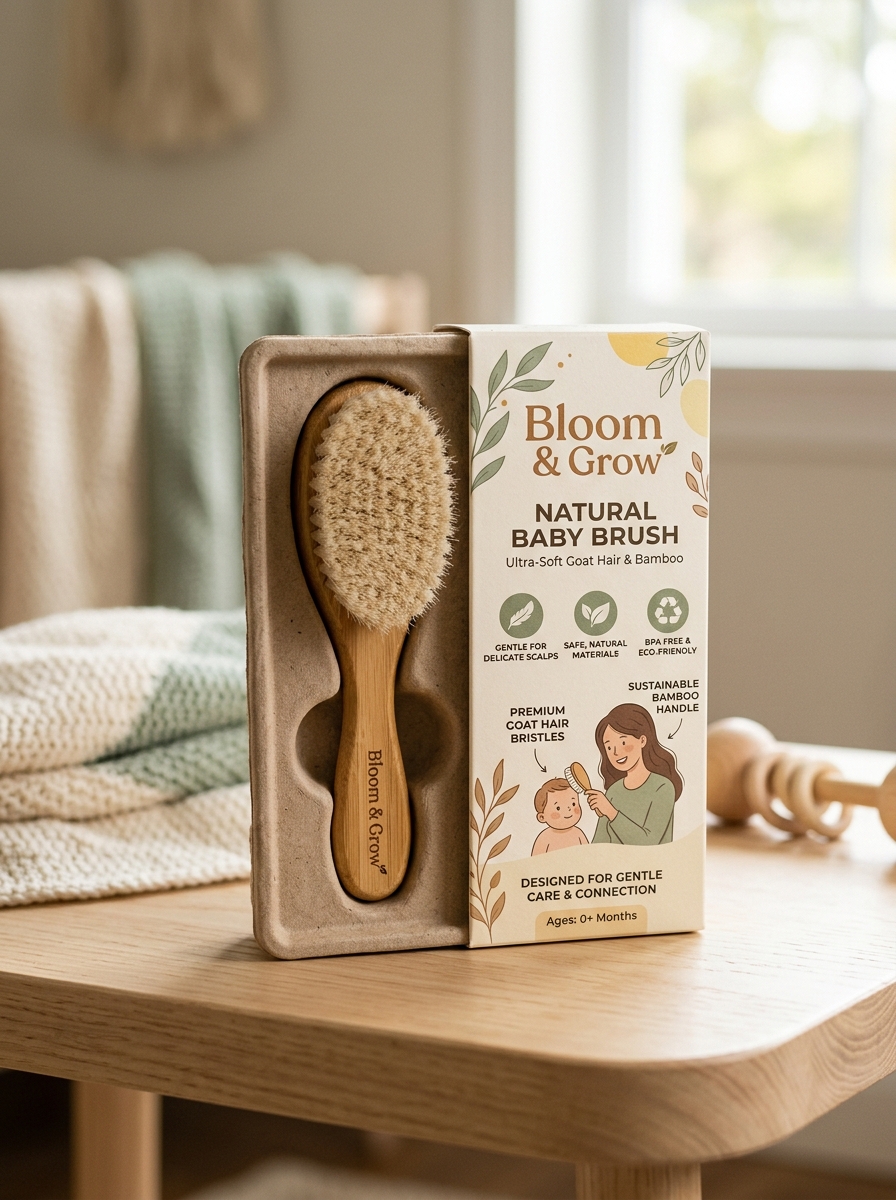
Identifying Core Demographics and Parental Consumer Behavior
The primary demographic for the baby brush market consists of new parents and caregivers of infants (0-24 months). These consumers prioritize safety, material integrity, and ergonomics. Market data highlights that Millennial and Gen Z parents are the most active buyers, often seeking eco-friendly options like natural goat hair bristles or BPA-free silicone.
Parental consumer behavior is heavily influenced by social proof and health recommendations. Purchases are typically driven by specific needs, such as managing cradle cap or stimulating scalp circulation. Additionally, gift-givers represent a vital secondary segment, frequently purchasing grooming sets for baby showers. To capture this audience, brands must focus on "gentle care" narratives and transparency regarding manufacturing standards, as today's parents meticulously research product reviews and safety certifications before completing a purchase.
Visual Safety Cues and Material Transparency in Design
In infant grooming, visual safety cues and material transparency are essential for building parental trust. Designers prioritize rounded edges and ergonomic, non-slip handles to signal physical safety and prevent accidental injury to a baby's delicate scalp.
Material transparency involves the clear disclosure of non-toxic components. Premium baby brushes utilize:
- BPA-free plastics and food-grade silicone to ensure chemical safety.
- Natural goat hair bristles for sustainable, soft grooming.
- Hypoallergenic materials to prevent skin irritation and cradle cap issues.
By providing visible certifications and explicit material lists, manufacturers ensure that every brush is free from phthalates and lead. These transparent design choices empower parents to verify product integrity, ensuring a soothing, hazard-free experience during daily hair care routines for newborns and toddlers.
Psychographics of Color Palettes for Infant Accessories
The color palette of a baby brush significantly influences consumer behavior and parental sentiment. Psychographically, soft pastels like powder blue and muted mint resonate with caregivers seeking a sense of tranquility and safety during grooming rituals. These hues activate nurturing instincts, suggesting a gentle touch for a newborn's sensitive scalp.
In contrast, modern parents often gravitate toward neutral earth tones and natural wood finishes. These selections reflect values of sustainability and organic living, positioning the accessory as a premium, eco-conscious choice. Meanwhile, vibrant primary colors are strategically used to stimulate infant visual development and sensory engagement. By aligning color theory with parental aspirations, brands transform a simple grooming tool into an emotional touchpoint that reinforces the bond between parent and child while ensuring functional appeal.
Balancing Playful Typography with Information Hierarchy
Designing for a Baby Brush brand requires a delicate blend of whimsy and functional clarity. Playful typography captures the joyful essence of childhood, utilizing rounded terminals and vibrant colors to build emotional resonance with parents. However, maintaining a disciplined information hierarchy is essential to ensure product safety and benefits are clearly communicated.
To achieve this balance, use expressive display fonts for primary headings to establish brand personality, while transitioning to highly legible sans-serif typefaces for technical details. By strategically manipulating font weight, scale, and white space, you can guide the eye from the engaging brand story to critical data, such as soft-bristle technology or ergonomic features. This structural approach ensures the design remains approachable without sacrificing the readability necessary for an informed consumer experience.
Enhancing Brand Value Through Structural Packaging Innovation
In the competitive infant care market, structural packaging innovation transforms a standard baby brush into a premium brand statement. By moving beyond traditional folding cartons, brands can utilize unique geometries and sustainable materials that mirror the product's safety and quality.
Innovative structural design serves several critical functions:
- Shelf Differentiation: Custom silhouettes and die-cut windows capture parental attention in crowded retail environments.
- Tactile Experience: Premium textures and ergonomic opening mechanisms communicate a sense of care and luxury.
- Functional Utility: Reusable cases protect delicate bristles and extend the brand's presence in the nursery.
By integrating form and function, structural packaging reinforces brand identity and justifies premium pricing, ultimately driving consumer trust and long-term loyalty.
Sustainable Material Selection for Modern Baby Brushes
Modern parents increasingly prioritize eco-friendly nursery essentials. Selecting sustainable materials for baby brushes is crucial for both infant safety and environmental health. High-quality, sustainable brushes typically feature FSC-certified beechwood or bamboo handles, providing biodegradable alternatives to traditional plastics.
For bristles, natural goat hair is a premier choice due to its exceptional softness and hypoallergenic qualities, making it ideal for a newborn's sensitive scalp. Other eco-conscious options include:
- Plant-based fibers: For vegan-friendly, effective grooming.
- Medical-grade silicone: A durable, recyclable, and BPA-free alternative.
By choosing ethically sourced components, parents ensure a non-toxic, chemical-free experience. These sustainable selections reduce environmental impact while providing gentle, effective care for a baby's delicate hair and scalp, reflecting a commitment to both quality and ecological responsibility.
Photography and Illustration Styles for Nursery Aesthetics
Capturing the essence of a baby brush requires a blend of soft visuals and comforting imagery. Photography styles for nursery products typically leverage natural, diffused lighting and macro shots to highlight the gentle texture of soft goat hair bristles. Lifestyle photography focusing on intimate "mother and baby" grooming moments helps establish an emotional connection and demonstrates product safety.
In terms of illustration styles, minimalist line art and hand-painted watercolors are trending. These artistic approaches often feature whimsical woodland or botanical themes that complement modern nursery decor. By utilizing muted, gender-neutral palettes-such as sage green, dusty rose, or warm oatmeal-brands can align their baby grooming kits with contemporary nursery aesthetics. This cohesive visual strategy ensures the baby brush is perceived as both a functional essential and a beautiful keepsake.
Regulatory Standards and Essential Labeling Requirements
Ensuring the safety of a baby brush involves strict adherence to international regulatory standards. Products must comply with CPSC (Consumer Product Safety Commission) guidelines in the US or EN 71 standards in Europe, ensuring they are free from sharp edges and hazardous materials like lead, BPA, and phthalates.
Essential labeling requirements for infant grooming tools include:
- Age Suitability: Clearly stating the intended age range for safe use.
- Material Transparency: Identifying bristle types, such as natural goat hair or soft synthetic nylon.
- Manufacturer Details: Providing traceability through contact information and batch codes.
- Safety Warnings: Instructions to prevent misuse and protect the infant's delicate fontanelle.
Compliance ensures that every baby brush is hypoallergenic, non-toxic, and safe for sensitive scalps, meeting the rigorous demands of modern childcare safety legislation.
Evolving Trends in Premium Baby Brush Packaging Design
The landscape of premium baby brush packaging is undergoing a significant transformation, driven by a demand for sustainability and sophisticated aesthetics. Modern designs are moving away from traditional plastic encasements toward eco-friendly materials, such as FSC-certified cardboard and biodegradable windows. This shift reflects the values of environmentally conscious parents who seek luxury without compromise.
Visually, trends favor minimalist branding with soft, gender-neutral color palettes and matte finishes that provide a tactile, high-end feel. Packaging now often features interactive elements, like die-cut sections that allow customers to feel the soft, natural bristles before purchase. By integrating ergonomic unboxing experiences and reusable keepsake boxes, manufacturers are elevating the humble baby brush into a cherished gift, blending functional protection with superior brand storytelling.
Leave a comment