
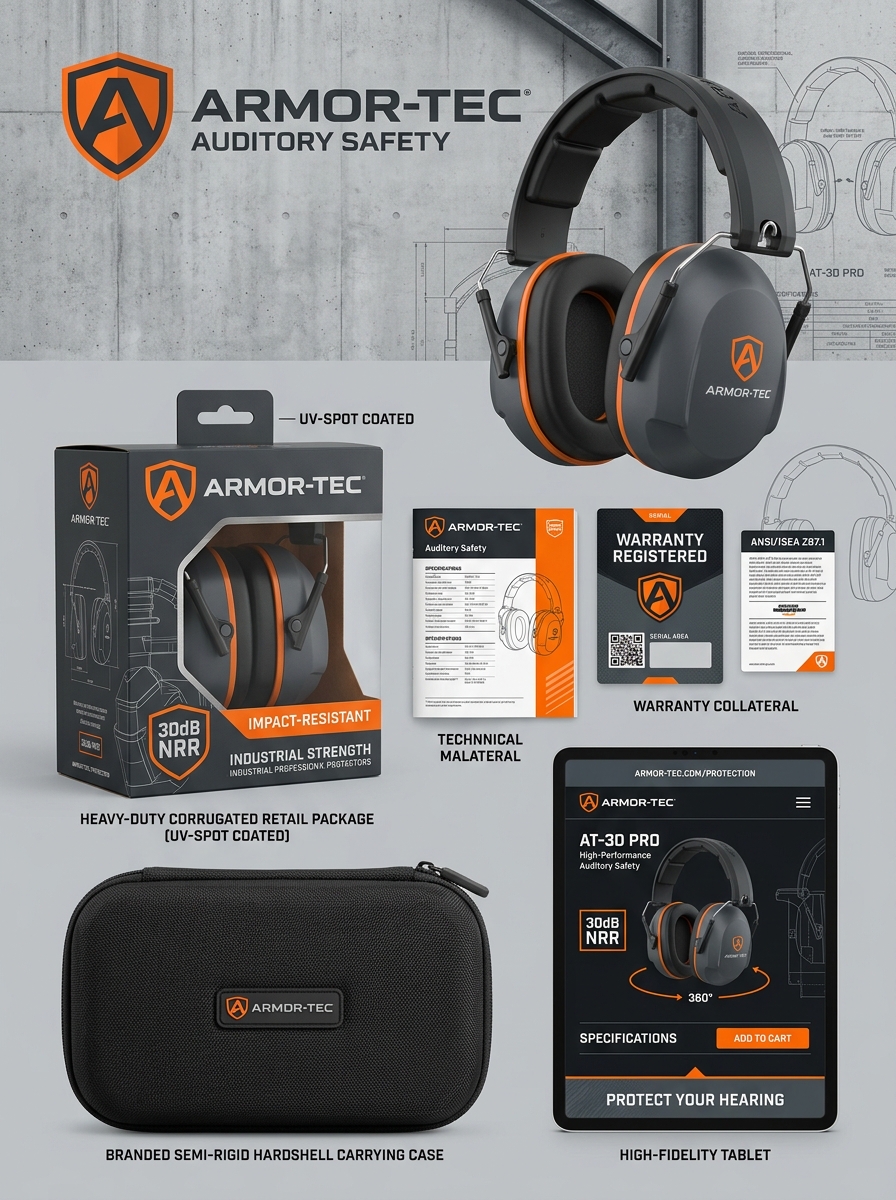
Safety ear muff packaging design serves as the vital intersection between industrial utility and modern retail appeal. Beyond providing physical protection for the product, effective packaging must articulate rigorous safety standards through sophisticated visual aesthetics and strategic conceptual principles.
By leveraging high-contrast color palettes, ergonomic structural shapes, and clear technical typography, manufacturers can significantly influence professional purchasing decisions and foster brand reliability. This exploration delves into how protective gear branding balances technical data with high-impact graphic design to capture consumer attention. Understanding these fundamental design frameworks ensures that hearing protection equipment stands out while communicating its primary mission: uncompromising user safety and performance.
Evolution of Protective Gear Packaging
The packaging for safety ear muffs has undergone a significant transformation, mirroring advancements in industrial safety standards and environmental consciousness. Traditionally, Personal Protective Equipment (PPE) was distributed in bulk, utilitarian cardboard boxes designed solely for warehouse storage. However, modern trends have shifted toward retail-ready and sustainable solutions.
Today, manufacturers have transitioned from high-waste plastic blister packs to eco-friendly, biodegradable corrugated materials. This evolution focuses on reducing the carbon footprint while maintaining the structural integrity of the hearing protection during transit. Modern packaging often features integrated QR codes for digital user manuals and resealable designs that serve as long-term storage cases. By combining sustainability with functional design, the evolution of protective gear packaging ensures that safety and environmental responsibility are prioritized from the moment of purchase.
Color Psychology and Visual Communication in PPE
Color choice in safety ear muffs transcends aesthetics, serving as a vital tool for workplace safety and compliance. In industrial environments, high-visibility colors like neon yellow, orange, and lime green ensure workers remain visible in low-light conditions or near heavy machinery.
Visual communication through color-coding allows safety officers to verify protection levels at a glance. For instance, specific hues may indicate distinct Noise Reduction Ratings (NRR) or designate authorized personnel within high-decibel zones.
Furthermore, color psychology influences worker behavior: red often denotes immediate hazards, while blue is frequently used to signal mandatory PPE requirements. By leveraging these visual cues, organizations enhance situational awareness, reduce accident risks, and streamline safety inspections through intuitive, non-verbal communication protocols across the job site.
Typography and Information Hierarchy for Safety Ratings
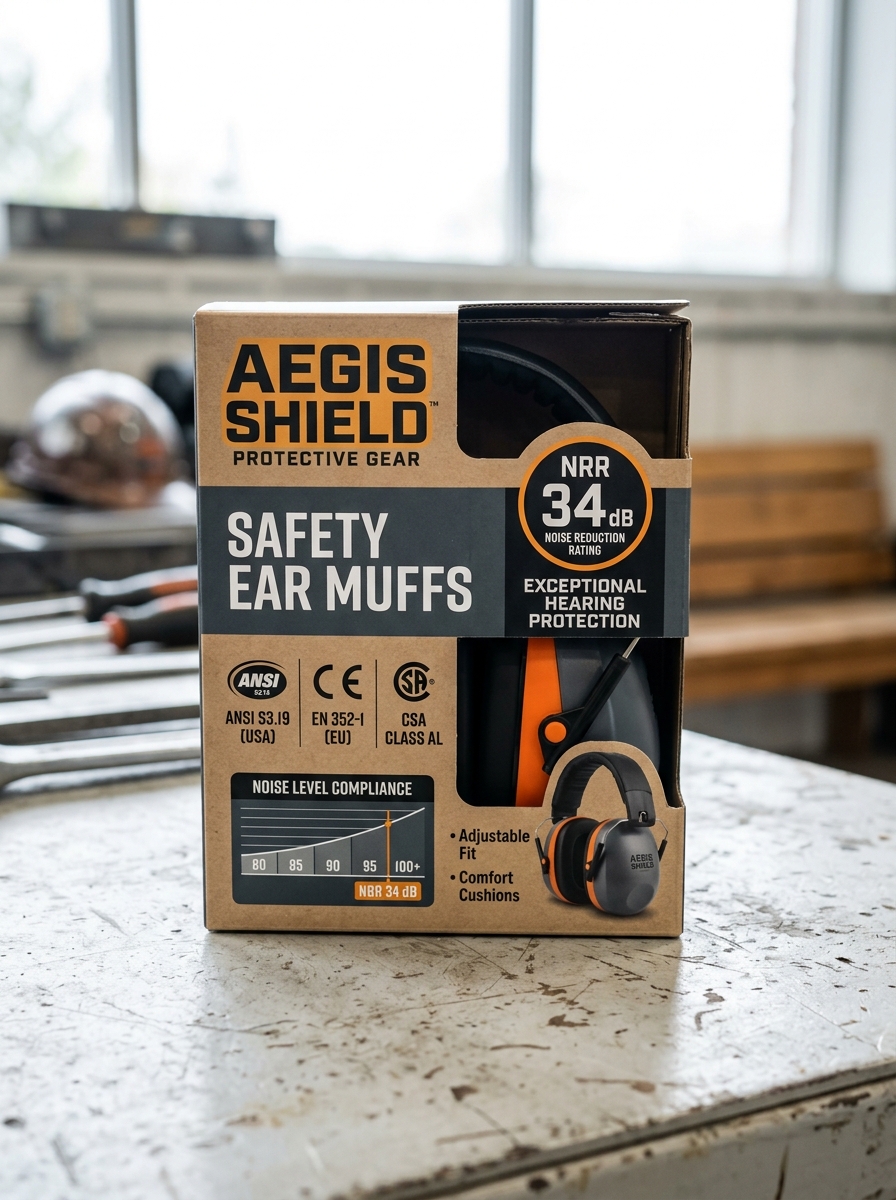
In the design of safety ear muffs, typography and information hierarchy are vital for communicating the Noise Reduction Rating (NRR) effectively. To ensure workplace safety, the decibel attenuation value must be the most prominent visual element.
- Visual Weight: High-contrast, bold sans-serif fonts should be used for the primary rating to remain legible in low-light industrial environments.
- Categorization: Smaller font sizes are appropriate for secondary data, such as ANSI or CE testing standards, which provide technical validation without distracting from the main safety figure.
- Clarity: Proper letter spacing and the use of "dB" symbols help users quickly identify the protection level.
Establishing a clear logical flow ensures that workers can select the correct PPE at a glance, reducing the risk of noise-induced hearing loss through improved readability.
Selecting Durable and Sustainable Materials
When choosing high-quality safety ear muffs, prioritizing material integrity is essential for long-term hearing protection. Durable models typically feature high-impact ABS plastic shells and corrosion-resistant stainless steel headbands, ensuring they withstand harsh industrial environments without cracking or losing clamping force.
Sustainability in PPE is increasingly vital. Leading manufacturers now utilize recycled polymers and bio-based foams to reduce environmental impact. To further enhance sustainability, look for ear muffs designed with replaceable ear cushions and foam inserts. These "hygiene kits" extend the product's service life, significantly reducing plastic waste. By selecting rugged, eco-friendly materials, you ensure reliable noise reduction performance while supporting a circular economy in workplace safety gear.
Balancing Rugged Industrialism with Modern Aesthetics
Modern safety ear muffs bridge the gap between heavy-duty performance and contemporary design. Historically, hearing protection was bulky and purely utilitarian. Today, manufacturers embrace rugged industrialism by utilizing high-density polymers and reinforced steel components that withstand harsh construction and manufacturing environments.
Simultaneously, these tools incorporate modern aesthetics through slim-profile ear cups, ergonomic memory foam padding, and sophisticated matte finishes. This design evolution ensures high Noise Reduction Ratings (NRR) without the cumbersome weight of traditional gear. By blending impact-resistant durability with streamlined silhouettes, modern personal protective equipment (PPE) appeals to a professional workforce that values both style and safety. This synergy proves that industrial-grade ear muffs can be incredibly resilient while maintaining a sleek, fashion-forward appearance suitable for any job site.
Optimizing the Unboxing Experience for End Users
For safety ear muffs, the unboxing experience serves as the critical bridge between purchase and protection. To optimize this touchpoint, manufacturers should prioritize frustration-free packaging that allows immediate access to the equipment. Clear, high-visibility labeling of the Noise Reduction Rating (NRR) and certification standards (like ANSI or CE) builds instant user confidence.
Include an intuitive quick-start guide positioned at the top of the box to ensure users achieve a proper acoustic seal immediately. Incorporating QR codes for fitment video tutorials can further reduce user error. Additionally, providing a reusable storage pouch within the package adds perceived value and encourages long-term maintenance. By focusing on a clean layout and essential instructional hierarchy, brands can enhance user safety, promote compliance, and establish a professional first impression that reinforces product quality.
Engineering Protective Form Factors for Delicate Hardware
Safety ear muffs are meticulously engineered to safeguard the human auditory system-the body's most sensitive delicate hardware. The architectural design utilizes a dual-cup form factor, typically constructed from high-impact thermoplastics and lined with specialized acoustic dampening materials.
- Acoustic Insulation: High-density open-cell foam inserts dissipate sound energy, converting harmful vibrations into low-level heat.
- Ergonomic Sealing: Liquid or foam-filled ear cushions create a hermetic seal around the pinna, preventing sound leakage through gaps.
- Clamping Force: Tensioned headbands provide the precise pressure necessary to maintain a consistent barrier without compromising user comfort.
By integrating these advanced protective form factors, ear muffs achieve significant Noise Reduction Ratings (NRR), shielding fragile inner-ear structures from permanent sensorineural damage in high-decibel environments.
Universal Design and Accessibility in Safety Branding
Universal design in safety ear muffs ensures that critical hearing protection is functional for all workers, regardless of physical ability or head size. By prioritizing inclusive ergonomics, brands develop products featuring telescopic adjustment arms, pressure-equalizing cushions, and lightweight materials that accommodate diverse anatomical needs. This user-centric approach ensures a consistent Noise Reduction Rating (NRR) across a broad demographic.
Accessibility in safety branding extends to intuitive features such as tactile icons for orientation and high-contrast color schemes for visibility in low-light industrial settings. By integrating universal design principles, manufacturers enhance workplace safety compliance and comfort. This commitment to inclusivity ensures that life-saving personal protective equipment (PPE) is easy to deploy, fostering a more equitable and protected workforce through thoughtful, accessible engineering.
Market Positioning Through Innovative Structural Layouts
Strategic market positioning for safety ear muffs relies heavily on advanced structural engineering. Manufacturers differentiate their products by integrating ergonomic headband architectures and dual-shell designs that maximize Noise Reduction Ratings (NRR). These innovative layouts, featuring telescopic adjustments and liquid-foam cushions, cater to diverse professional environments ranging from heavy industrial sites to high-decibel airports.
By optimizing the physical footprint and weight distribution, brands can position their gear as premium "all-day wear" solutions. This focus on acoustic structural integrity not only enhances user safety but also secures a competitive edge in the crowded PPE market. Additionally, incorporating low-profile designs ensures compatibility with hard hats and face shields, further expanding market reach through versatile, multi-functional utility.
The Future of Smart and Eco-Conscious Ear Muff Packaging
As the demand for sustainable personal protective equipment (PPE) grows, the packaging for safety ear muffs is undergoing a significant transformation. Manufacturers are moving away from single-use plastics, opting for biodegradable materials and recyclable corrugated cardboard to minimize environmental impact.
Beyond sustainability, "smart" packaging is enhancing user safety and compliance. Modern ear muff boxes now integrate:
- QR Codes: Offering instant access to digital fitting guides and Noise Reduction Rating (NRR) data.
- Augmented Reality (AR): Allowing workers to visualize proper seal techniques via smartphone.
- Eco-Labels: Providing transparent information regarding the product's carbon footprint.
This evolution ensures that hearing protection is not only effective but also aligns with global green initiatives, merging technological innovation with ecological responsibility.
Leave a comment