
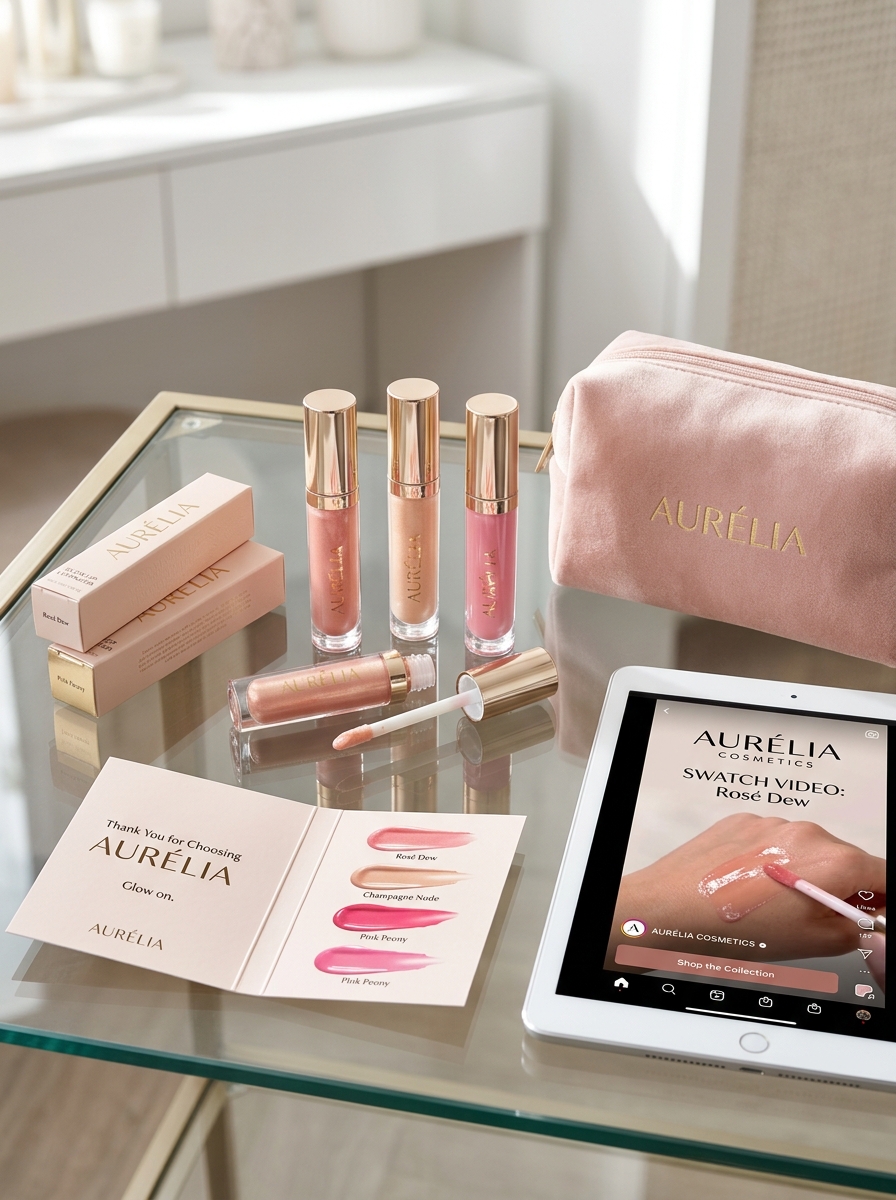
Mastering the art of lip gloss packaging design requires a delicate balance between functional utility and sensory appeal. Within a marketplace driven by visual storytelling, the primary container acts as the definitive touchpoint for brand aesthetics and consumer trust. High-impact packaging goes beyond mere containment; it serves as a silent ambassador that communicates luxury, innovation, and professional identity.
To captivate a discerning audience, designers must prioritize key elements such as premium material selection, ergonomic applicator engineering, and cohesive color palettes. By integrating thoughtful typography with sustainable finishes, beauty brands can transform a routine cosmetic product into a coveted lifestyle accessory. Understanding these core design principles is vital for any label aiming to command shelf presence and foster long-term customer loyalty through superior visual branding and tactile excellence.
The Role of Visual Storytelling in Lip Gloss Packaging
Visual storytelling in lip gloss packaging serves as a silent brand ambassador, bridging the gap between product utility and consumer emotion. Through strategic use of color palettes, typography, and materiality, packaging communicates a brand's narrative-whether it signifies minimalist luxury or vibrant, trendy youthfulness.
Transparent components often allow the specific texture and pigment of the gloss to act as a primary visual hook, showcasing shimmers or high-shine finishes that entice the buyer. These sensory cues help consumers envision the product's effect before application. By integrating semantic design elements, brands create an immediate identity that resonates on crowded retail shelves. Ultimately, storytelling through packaging transforms a simple cosmetic into a lifestyle statement, enhancing perceived value and fostering lasting brand loyalty.
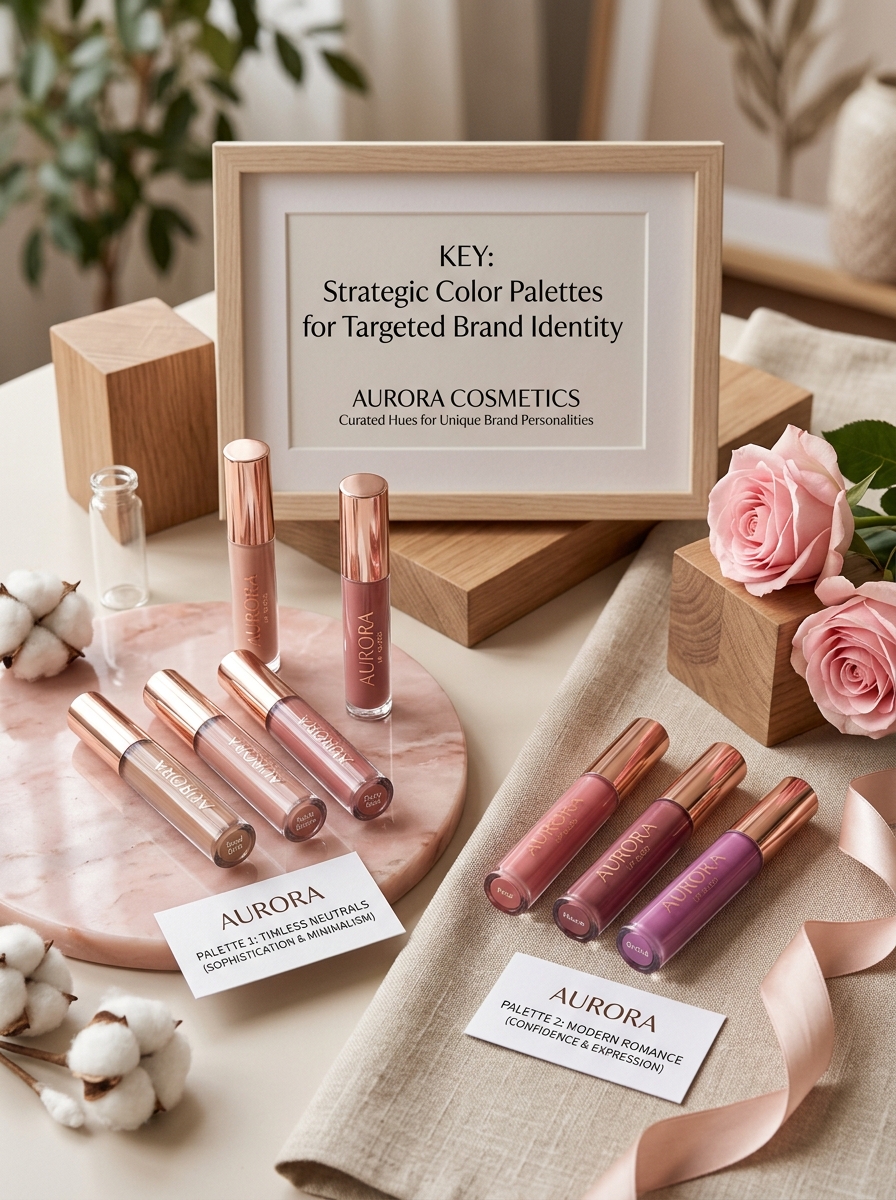
Strategic Color Palettes for Targeted Brand Identity
In the competitive beauty market, a strategic lip gloss color palette is essential for defining brand identity and capturing specific consumer demographics. High-end luxury brands often curate sophisticated nudes and muted roses to evoke timeless elegance, while indie labels may leverage high-shine neons or iridescent glitters to appeal to Gen Z's preference for bold self-expression.
Effective color curation utilizes psychological triggers to influence purchasing behavior. For example, a range of sheer, botanical-infused glosses reinforces a "clean beauty" ethos, whereas opaque, high-pigment finishes suggest professional-grade artistry. By aligning lip gloss formulations with deliberate color stories, brands establish a recognizable visual signature. This semantic alignment enhances brand loyalty and ensures products resonate with the target audience's lifestyle, driving market differentiation and long-term commercial success.
Typography and Logo Placement for Instant Recognition
In the competitive lip gloss market, visual branding is essential for shelf impact. Typography should reflect the product's identity-utilizing sleek, modern sans-serifs for high-shine finishes or sophisticated serifs for luxury collections. Since lip gloss tubes provide limited surface area, font legibility is the priority; bold, clean lettering ensures the brand name is readable even on miniature packaging.
Strategic logo placement is equally vital for brand recall. Centering the logo on the primary display panel or embossing it onto the applicator cap ensures visibility during application. High-contrast colors between the typography and the gloss shade improve accessibility and aesthetic appeal. By harmonizing font weight with brand voice and placing logos where they remain unobstructed by the hand, manufacturers create a cohesive look that fosters instant recognition among beauty consumers.
Premium Materials and the Tactile Consumer Experience
In the luxury beauty sector, the tactile consumer experience is defined by the intersection of high-grade formulations and ergonomic packaging. Premium lip glosses utilize sophisticated emollients, such as cold-pressed botanical oils and specialized vegan waxes, to achieve a superior viscosity that eliminates stickiness. These materials ensure a smooth glide and consistent hydration.
Beyond the formula, physical components like weighted glass vials and plush doe-foot applicators provide vital sensory feedback. A deliberate "click" or a substantial hand-feel signals quality to the user. By prioritizing premium materials, brands enhance the perceived value, ensuring every application is a multisensory ritual of comfort and luxury. This synergy between ingredient integrity and tactile design is essential for driving brand loyalty in a competitive cosmetic market.
The Impact of Transparency and Product Visibility
In the beauty industry, transparency is a vital psychological trigger for consumers. Clear lip gloss packaging allows shoppers to immediately assess the true shade, texture, and finish of a product. High product visibility builds consumer trust by ensuring the color seen in the tube accurately reflects the final application.
Furthermore, transparent tubes highlight unique formula attributes, such as suspended shimmer, pearlescent pigments, or a high-shine consistency. By showcasing the product directly, brands leverage visual appeal to drive impulse purchases. Utilizing high-quality, clear materials like PETG or glass not only protects the formula but also communicates a premium brand identity. Ultimately, visibility serves as a silent salesperson, emphasizing quality and helping the lip gloss stand out on crowded retail shelves through immediate visual gratification.
Ergonomic Applicator Design and Functional Luxury
Modern lip gloss innovation extends beyond the formula to the applicator design. An ergonomic applicator acts as a bridge between functional utility and high-end luxury. Precision-engineered wands, such as the oversized doe-foot or curved reservoirs, are crafted to mimic the natural contour of the lips. This ensures a seamless, one-swipe application that distributes the perfect amount of product without streaking or clumping.
In the beauty industry, functional luxury is defined by the tactile experience. Soft-touch materials and balanced weight in the wand provide stability, while specialized flocked tips enhance the high-shine finish. By integrating thoughtful design with performance, brands elevate a simple makeup step into a sophisticated ritual, proving that the delivery system is just as vital as the gloss formula itself for achieving a professional, uniform result.
Sustainable Solutions in Modern Cosmetic Design
The beauty industry is undergoing a significant shift as lip gloss manufacturers embrace eco-conscious innovations. Modern cosmetic design now prioritizes sustainability by utilizing Post-Consumer Recycled (PCR) plastics, bio-based resins, and glass packaging to minimize environmental impact.
Beyond external packaging, internal formulations are evolving. Many brands are replacing petroleum-derived emollients with plant-based waxes and ethically sourced botanical oils. Furthermore, the rise of refillable lip gloss systems allows consumers to reuse premium applicators, drastically reducing single-use plastic waste. By implementing these circular economy principles, brands provide high-shine performance while meeting the growing demand for ethical and transparent beauty standards. These advancements ensure that luxury and environmental responsibility coexist within the modern makeup kit.
Enhancing the Unboxing Experience Through Secondary Packaging
In the competitive beauty industry, lip gloss secondary packaging serves as a vital touchpoint for brand storytelling. While the primary tube holds the formula, the outer box defines the initial consumer interaction. High-quality cardstock, custom finishes like soft-touch lamination, or spot UV effects elevate the perceived value of the cosmetics, making the product feel like a luxury gift.
Beyond aesthetics, effective secondary packaging provides essential protection during transit and offers necessary space for ingredient transparency and branding. By integrating sustainable materials and "Instagrammable" structural designs, brands can foster deeper customer loyalty. Investing in premium outer layers transforms a simple purchase into a memorable unboxing experience that resonates with modern beauty enthusiasts and encourages social media sharing.
Differentiating Luxury versus Mass Market Aesthetics
In the beauty industry, the visual identity of lip gloss serves as a primary indicator of market positioning. Luxury aesthetics prioritize minimalism, tactile sophistication, and "quiet luxury." High-end brands typically utilize weighted glass components, metallic accents, and embossed logos to convey prestige. Their formulations often focus on a refined, non-sticky "glass-like" finish and skin-nourishing ingredients.
In contrast, mass market aesthetics emphasize accessibility and trend-driven appeal. Drugstore brands often feature lightweight plastic packaging, vibrant color palettes, and bold typography to stand out on crowded shelves. While luxury products lean toward subtle, sheer elegance, mass market glosses frequently highlight high-impact pigments, intense shimmer, and playful scents. Understanding these design cues helps consumers distinguish between premium investment pieces and budget-friendly, everyday essentials within the cosmetics landscape.
Maintaining Brand Consistency Across Future Collections
To scale a successful lip gloss brand, maintaining a cohesive identity is vital for long-term consumer trust. As you expand into new seasonal drops or limited editions, ensure your visual identity remains recognizable through consistent packaging silhouettes, logo placement, and typography.
Beyond aesthetics, brand consistency relies on a signature product experience. This includes:
- Formulation Integrity: Keeping core textures, such as non-sticky finishes or specific hydration levels, uniform across all shades.
- Scent Profiles: Utilizing a consistent fragrance or flavor palette that customers associate with your brand.
- Color Storytelling: Ensuring new pigments align with your brand's established mood, whether minimalist and sheer or bold and avant-garde.
By anchoring future collections in these core elements, you reinforce your market position while allowing for creative innovation within a structured, semantic brand framework.
Leave a comment