
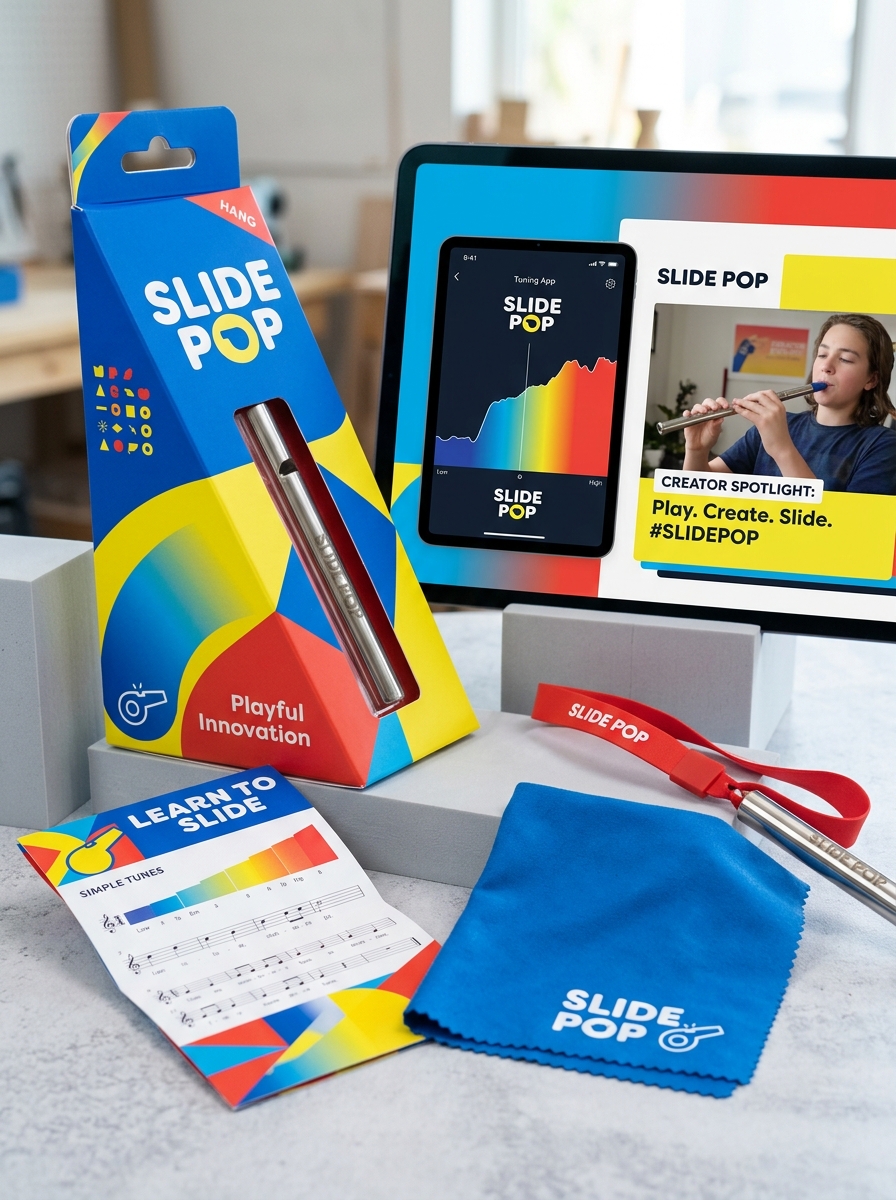
Effective packaging for slide whistles requires a strategic balance between structural protection and playful visual storytelling. As these instruments occupy a unique niche between professional musical tools and novelty items, their presentation must capture the imagination of diverse audiences. Achieving a premium look involves more than just selecting a box; it requires a deep understanding of aesthetic principles and functional design.
To master this craft, designers must prioritize the safety of the delicate slide mechanism while integrating vibrant color palettes and tactile finishes that reflect the instrument's melodic range. This exploration delves into how thoughtful branding and innovative layouts can transform simple housing into a compelling brand experience. By focusing on core design concepts, manufacturers can ensure their slide whistles command attention while maintaining peak performance for the end-user.
The Evolution of Slide Whistle Packaging Aesthetics
The visual identity of slide whistle packaging has transitioned from utilitarian containers to sophisticated marketing tools. In the early 20th century, these instruments were typically housed in simple cardboard tubes with basic monochromatic labeling, prioritizing protection over shelf appeal.
As the slide whistle became a staple of vaudeville and toy markets, packaging aesthetics shifted toward bold, Art Deco typography and vibrant primary colors. Mid-century designs introduced clear acetate windows, allowing consumers to see the nickel-plated or colorful plastic finishes. Today, contemporary packaging often reflects two distinct paths: retro-revival designs that evoke nostalgia through vintage illustrations, and eco-friendly, minimalist boxes for professional-grade instruments. Modern branding leverages high-resolution graphics and sustainable materials to highlight the instrument's unique glissando capabilities and its enduring legacy in both musical education and comedic performance.
Understanding Target Demographics for Musical Toy Design
Designing an effective slide whistle requires analyzing specific user groups to balance functionality and play value. The primary demographic consists of toddlers and preschool children, where the focus is on sensory exploration, cause-and-effect discovery, and developing fine motor skills through simple glissando movements.
Beyond early childhood, music educators represent a vital secondary market. They utilize slide whistles as intuitive pedagogical tools for teaching pitch recognition and breath control. Additionally, novelty performers and sound effects artists seek durable, high-fidelity instruments for comedic timing and atmospheric textures.
Successful musical toy design must prioritize age-appropriate ergonomics, non-toxic materials, and acoustic consistency. By tailoring the slide whistle's resistance and grip to these diverse demographics, manufacturers can optimize engagement across educational, recreational, and professional settings.
Structural Integrity and Protective Material Selection
The durability and acoustic performance of a slide whistle depend on rigorous material selection. High-quality models typically utilize nickel-plated brass, stainless steel, or high-impact ABS plastic to ensure structural integrity against physical impact and environmental moisture. These materials are chosen for their ability to maintain a perfectly cylindrical bore, which is essential for a smooth, uninterrupted glissando.
To preserve longevity and playability, specific protective measures are integrated into the construction:
- Corrosion Resistance: Metal components are often plated to withstand humidity and breath condensation.
- Airtight Seals: Precision-engineered plungers use specialized gaskets to prevent air leakage.
- Low-Friction Coatings: Internal rods are treated to reduce wear during rapid sliding motions.
By balancing rigidity with resonant properties, manufacturers ensure the instrument remains airtight and functional for long-term musical use.
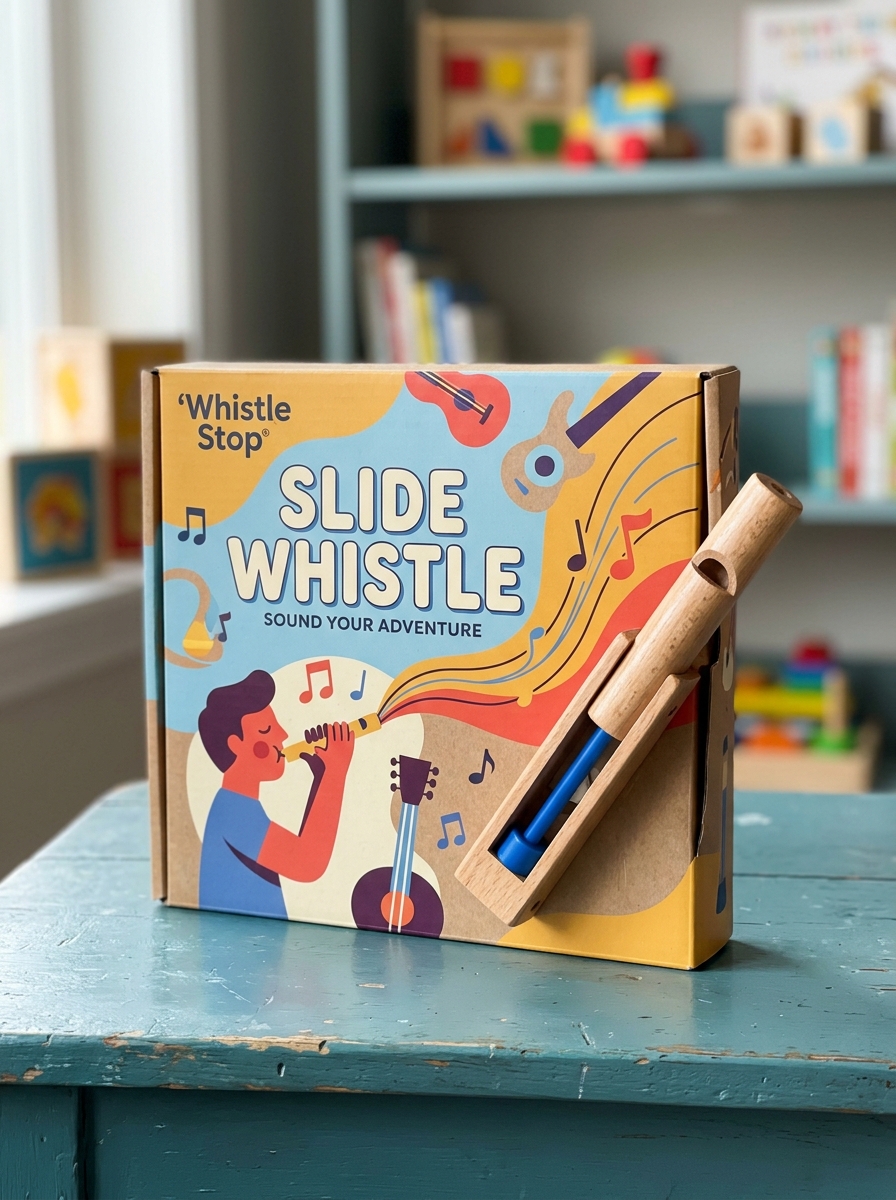
Visual Branding Through Color Theory and Illustration
Building a compelling visual identity for the slide whistle requires a strategic application of color theory to mirror its whimsical, glissando sound. Utilizing a palette of vibrant, high-energy hues-such as primary reds, bright yellows, and electric blues-communicates the playfulness and kinetic energy inherent in the instrument's design.
Complementing these colors, custom illustrations play a vital role in brand recognition. Fluid, sweeping lines in vector graphics can visually represent the "sliding" pitch, creating a sense of motion. By integrating stylized imagery that balances nostalgic toy aesthetics with modern graphic design, brands can appeal to both music educators and professional performers. This synergy of color and illustration establishes a cohesive brand personality, ensuring the slide whistle stands out in a competitive musical instrument market.
Balancing Nostalgia and Modernity in Instrument Graphics
The slide whistle occupies a unique space in musical history, evoking the playful nostalgia of vintage cartoons and vaudeville. In contemporary instrument graphics, designers face the challenge of preserving this whimsical heritage while meeting modern aesthetic standards for digital interfaces and hardware branding.
Achieving this balance involves blending classic silhouettes with sleek, minimalist design elements. Effective visual representations often incorporate:
- High-definition textures that mimic traditional nickel or polished resin.
- Retro-inspired palettes paired with clean, geometric typography.
- Tactile UI elements that mirror the physical movement of the slide mechanism.
By integrating these components, designers transform the slide whistle from a simple toy into a sophisticated creative tool. This evolution ensures the instrument remains visually relevant for modern music production software without losing its charming, historical identity.
Sustainable Packaging Innovations for Wind Instruments
As environmental awareness grows, manufacturers are revolutionizing how wind instruments, such as the slide whistle, are protected during transit. Modern sustainable packaging innovations focus on replacing traditional single-use plastics with eco-friendly alternatives like FSC-certified recycled cardboard and biodegradable molded pulp.
These advancements utilize organic fibers from bamboo or sugarcane to create custom-fit inserts that secure the slide whistle's delicate plunger and sound chamber without the need for foam. Additionally, many brands now employ soy-based inks and plastic-free adhesives, ensuring the entire unboxing experience is compostable. By optimizing package dimensions to reduce shipping volume and minimize carbon footprints, the music industry is aligning acoustic craftsmanship with ecological responsibility, ensuring that the joy of music contributes to a healthier planet.
The Role of Typography in Musical Brand Identity
Typography serves as a visual bridge between the auditory experience of the slide whistle and its market perception. For an instrument characterized by playful glissandos and whimsical pitch shifts, font selection is critical in establishing a cohesive brand identity. Rounded, fluid typefaces often mirror the smooth, sliding motion of the piston, evoking a sense of kinetic energy and fun suitable for educational or novelty markets.
Conversely, bold, vintage-inspired serif fonts can root the instrument in its rich history within vaudeville and early jazz recordings. By aligning line weight and kerning with the instrument's sonic "sweep," designers create a rhythmic visual language. Effective typography ensures that whether the slide whistle is marketed as a professional orchestral tool or a childhood toy, the brand identity resonates immediately with the target audience's expectations.
Creating an Immersive Unboxing Experience for Musicians
For musicians, the journey with a new instrument begins at the moment of discovery. An immersive unboxing experience for a slide whistle transforms a simple purchase into a professional milestone. To optimize this transition, packaging should prioritize tactile quality, using materials that reflect the instrument's resonance and craftsmanship.
Including a quick-start glissando guide or a frequency chart adds immediate value for the performer. By focusing on sensory details-such as the smooth mechanical feel of the slide and the clarity of the first note-brands can elevate the slide whistle from a novelty to a sophisticated compositional tool. A well-designed presentation reinforces the instrument's utility in modern music, ensuring the artist feels inspired from the very first breath.
Maximizing Shelf Impact in Retail Environments
To maximize the shelf impact of the slide whistle, retailers must leverage its playful nature through vibrant, high-contrast packaging. Utilizing clear-window boxes allows customers to immediately see the instrument's finish, whether it is a professional nickel-plated model or a colorful novelty version.
Effective merchandising involves placing slide whistles at eye level within "impulse buy" zones or novelty music sections. Because the slide whistle is defined by its glissando sound, incorporating QR codes on the packaging for instant audio demonstrations can bridge the gap between visual appeal and auditory curiosity.
Strategic grouping with complementary rhythm instruments creates a cohesive musical discovery area. By focusing on tactile packaging and interactive elements, retailers can transform this simple instrument into a high-visibility standout that captures the attention of both children and nostalgic adults.
Safety Regulations and Technical Specifications for Packaging
Slide whistles must adhere to rigorous international safety standards, including EN71 and ASTM F963. Packaging is legally required to feature visible choking hazard warnings and age-appropriateness labels, specifically addressing small components like the slide stopper.
Technical specifications for slide whistle packaging focus on durability and hygiene. To ensure product integrity, manufacturers utilize:
- Non-Toxic Materials: Use of BPA-free plastics and lead-free inks for all printed box elements.
- Compliance Markings: Inclusion of CE, UKCA, or CCPSA marks, along with manufacturer contact details and GS1 barcodes.
- Protective Barriers: Sealed polybags or blister packs to prevent moisture ingress and maintain the instrument's lubrication.
Optimized dimensions prevent internal movement, protecting the slide mechanism from misalignment during transit and ensuring the instrument remains pitch-perfect for the consumer.
Leave a comment