
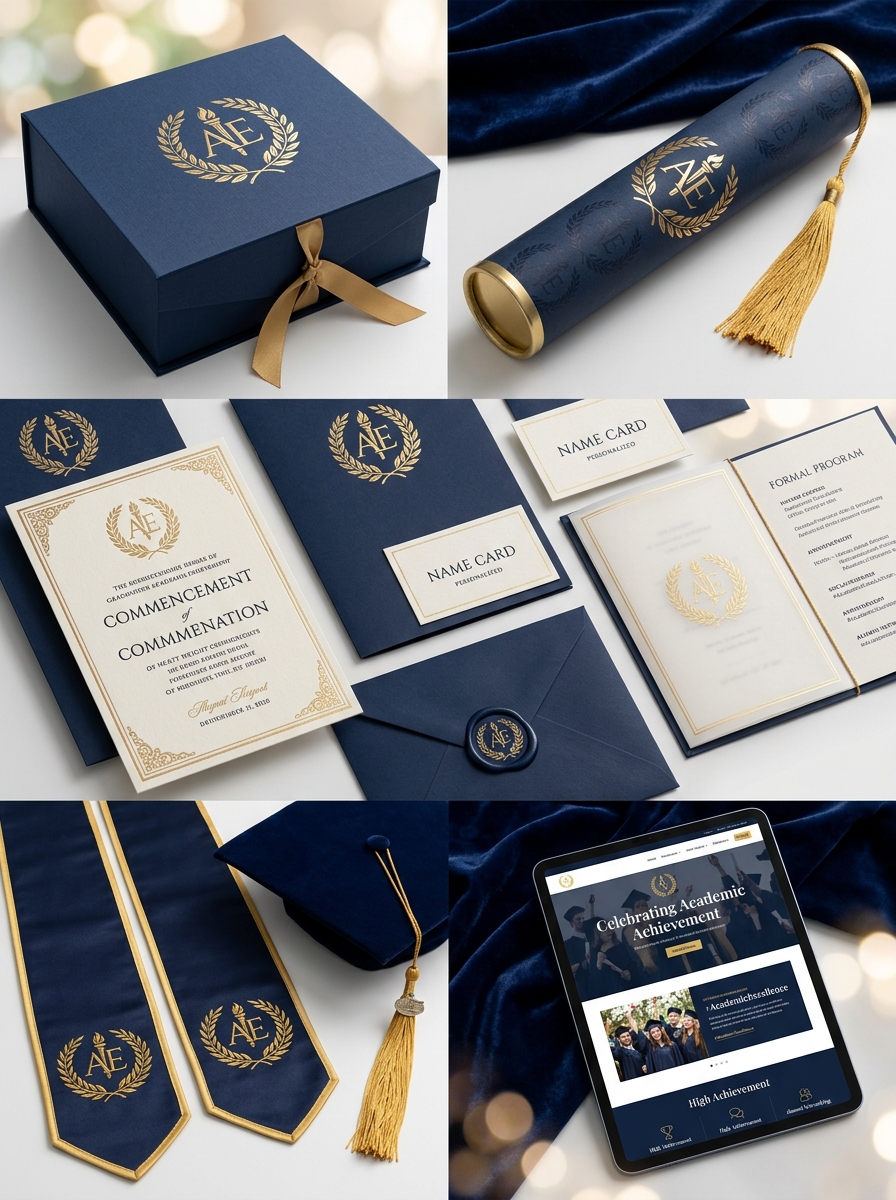
Graduation projects represent the pinnacle of a designer's academic journey, where theoretical knowledge converges with creative execution. Mastering graduation packaging design requires a sophisticated balance between fundamental aesthetic principles and rapidly evolving conceptual trends. As emerging creators aim to solidify their professional portfolios, understanding the nuances of tactile storytelling and visual identity becomes paramount.
From the integration of sustainable materials to the bold use of minimalist typography, contemporary packaging serves as a holistic brand experience rather than a mere container. By exploring the intersection of structural innovation and emotional resonance, designers can craft narratives that captivate industry leaders. This exploration delves into the essential strategies for navigating the modern landscape of packaging, ensuring every final project reflects both artistic maturity and market relevance in a rapidly changing design world.
The Evolution of Graduation Gift Packaging
Graduation gift packaging has transitioned from simple utilitarian wraps to sophisticated, symbolic presentations. Historically, academic milestones were celebrated with modest envelopes or plain paper, focusing primarily on the utility of the gift. As the gifting industry expanded, packaging evolved to incorporate iconic imagery such as mortarboards, tassels, and specific school colors, turning the container into a celebratory keepsake.
Today, the evolution reflects broader cultural shifts toward sustainability and personalization. Modern graduates often receive gifts in eco-friendly materials, reusable wooden crates, or minimalist aesthetic boxes that prioritize environmental impact. Furthermore, the rise of "unboxing" culture has turned graduation packaging into an immersive experience. From custom-engraved details to tech-integrated digital gift tags, contemporary packaging now honors the graduate's unique journey as much as the achievement itself.
Symbolism and Academic Color Palettes
Graduation regalia functions as a sophisticated visual language where specific academic color palettes represent a graduate's field of study and achievement level. This tradition, governed by the Intercollegiate Code, assigns distinct hues to various disciplines, allowing for immediate recognition of scholarly expertise.
- White: Represents Arts, Letters, and Humanities.
- Golden Yellow: Signifies the Sciences and Mathematics.
- Drab (Tan): Indicates Business and Accountancy.
- Green: Denotes Medicine and Health fields.
These colors are primarily displayed on the velvet borders of academic hoods and the tassels of mortarboards. By blending historical prestige with modern academic standards, these palettes symbolize the dedication, rigorous training, and professional identity earned through years of higher education.
Typography and Scholarly Graphic Elements
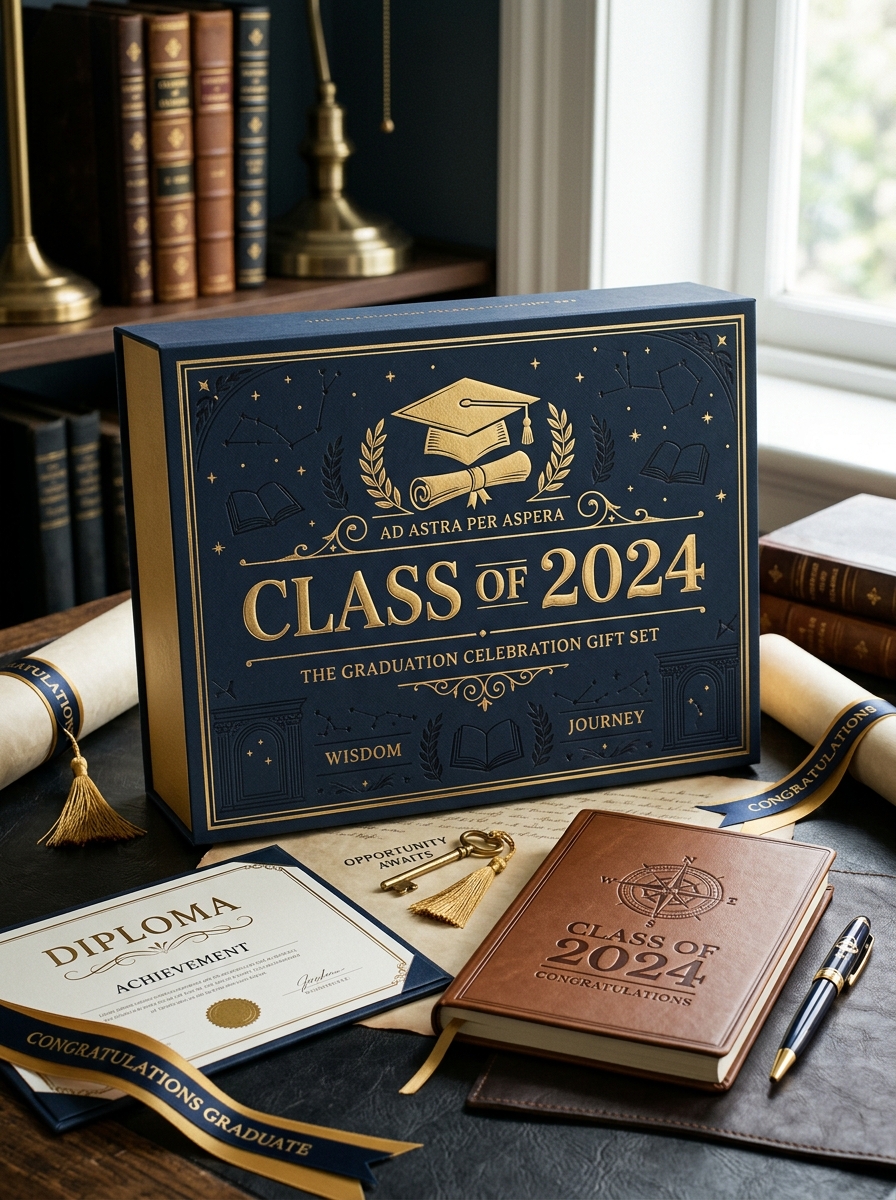
Graduation aesthetics utilize traditional typography and symbolic imagery to communicate academic prestige. High-contrast serif typefaces, such as Caslon or Garamond, are frequently employed to evoke a sense of history, authority, and formal achievement. For diplomas and commencement invitations, elegant calligraphic scripts signify the personal importance of the milestone.
These typographic choices are paired with scholarly graphic elements that reinforce the theme of success. The mortarboard, tassel, and laurel wreath serve as universal emblems of merit. Additionally, university seals, scrolls, and architectural motifs like Greek columns emphasize institutional heritage and the structural pursuit of knowledge. Collectively, these visual components create a semantic language that honors the transition from student to alumnus, ensuring the design reflects the gravity and celebration of the event.
Materiality and the Perception of Achievement
In the context of graduation, materiality refers to the physical artifacts-such as diplomas, tassels, and academic regalia-that transform abstract intellectual labor into a tangible reality. These objects function as semiotic markers, validating a student's transition from academic preparation to professional recognition.
The perception of achievement is deeply rooted in these sensory experiences. Holding a physical degree or moving a tassel signifies a permanent shift in social and academic status. While the knowledge acquired is intangible, the materiality of the ceremony provides the necessary psychological weight to solidify a sense of accomplishment. These tangible symbols serve as external evidence of perseverance, allowing graduates and society to quantify and celebrate the successful completion of rigorous academic milestones.
The Art of the Unboxing Experience
In the context of graduation, the unboxing experience is more than just opening a package; it is a curated sensory journey that celebrates a significant life milestone. Whether a graduate is receiving a commencement kit, a diploma cover, or a luxury gift, the "art" lies in the emotional build-up and tactile presentation.
A premium unboxing experience utilizes high-quality materials, such as embossed textures and branded tissue paper, to create a sense of prestige. By incorporating personalized notes or commemorative inserts, brands and institutions transform a simple delivery into a lasting memory. This strategic presentation rewards the graduate's hard work, fosters a deep emotional connection, and provides a shareable moment that honors their transition from academic life to professional success.
Sustainable Solutions for Commemorative Designs
As graduation milestones approach, the demand for meaningful keepsakes often impacts the environment. Implementing sustainable solutions for commemorative designs ensures that celebrating academic achievements aligns with ecological responsibility. Modern eco-friendly practices focus on reducing waste through innovative material selection and ethical production.
Key strategies for greener graduation memorabilia include:
- Recycled Fabrics: Caps and gowns crafted from recycled PET plastic bottles.
- Eco-Friendly Paper: Using FSC-certified or plantable seed paper for diplomas and invitations.
- Digital Alternatives: Utilizing digital programs to minimize physical waste.
- Durable Keepsakes: Designing high-quality awards meant for long-term preservation.
By prioritizing ethically sourced materials and circular design principles, educational institutions can honor their graduates while protecting the planet for future generations.
Personalization and Bespoke Finishing Touches
Personalization transforms standard graduation attire into a meaningful narrative of academic success. Incorporating bespoke finishing touches-such as custom-embroidered stoles, monogrammed caps, or specialty tassels-allows graduates to showcase their unique journey and specific achievements.
These tailored details serve as more than just decoration; they elevate traditional regalia into a cherished keepsake. Whether adding a university crest, graduation year, or honor society insignias, bespoke elements provide a sophisticated flair that distinguishes every student.
By focusing on high-quality craftsmanship and individual expression, graduates can celebrate their commencement with a sense of pride and personal identity. Investing in these personalized details ensures that the milestone ceremony is as unique as the hard-earned degree it commemorates.
Modern Minimalism vs. Traditional Elegance
When planning a graduation ceremony, choosing between modern minimalism and traditional elegance defines the event's atmosphere. Modern minimalism focuses on clean lines, monochromatic palettes, and functional design. This aesthetic appeals to graduates prioritizing sustainability and contemporary style, often utilizing digital invitations and streamlined, uncluttered venues to keep the focus on the achievement itself.
Conversely, traditional elegance honors academic heritage through time-honored rituals and sophisticated details. This style embraces rich textures, embossed stationery, and formal floral arrangements to evoke a sense of prestige. While minimalism champions the "less is more" philosophy, traditional elegance thrives on classic symbolism and opulent decor.
Whether opting for a sleek, understated celebration or a grand, timeless affair, both styles serve to commemorate the significant transition from student to alumnus in a personalized, memorable way.
Integrating Digital Elements and Interactive Tech
Modern graduation ceremonies are evolving by integrating digital elements and interactive technology to enhance the commencement experience. Incorporating live streaming ensures that global audiences and distant family members can participate in real-time celebrations, regardless of their physical location.
On-site, interactive social media walls display live congratulatory posts using event hashtags, fostering a real-time sense of community. Furthermore, transitioning to digital programs via QR codes reduces environmental waste while offering dynamic content like graduate bios and video tributes.
Augmented Reality (AR) photo filters and specialized mobile apps provide personalized engagement, allowing students to share their milestones instantly. These technological advancements bridge the gap between traditional prestige and modern accessibility, making graduation more inclusive, engaging, and memorable for the digital-native generation.
Designing for Legacy and Longevity
In the context of graduation, designing for legacy and longevity shifts the focus from a single ceremony to a lifetime of impact. A well-structured graduation experience serves as a strategic foundation, ensuring that academic achievements translate into a permanent professional and personal heritage.
To achieve true longevity, educational institutions and graduates prioritize several key elements:
- Sustainable Alumni Networks: Building robust platforms for lifelong mentorship and global networking.
- Durable Credentials: Utilizing secure, verifiable digital badges and transcripts that remain accessible for decades.
- Institutional Heritage: Creating meaningful traditions that anchor the graduate's identity to the school's long-term history.
By treating commencement as a durable asset rather than a fleeting event, we ensure that the value of an education endures and evolves, securing a lasting legacy in an ever-changing world.
Leave a comment