
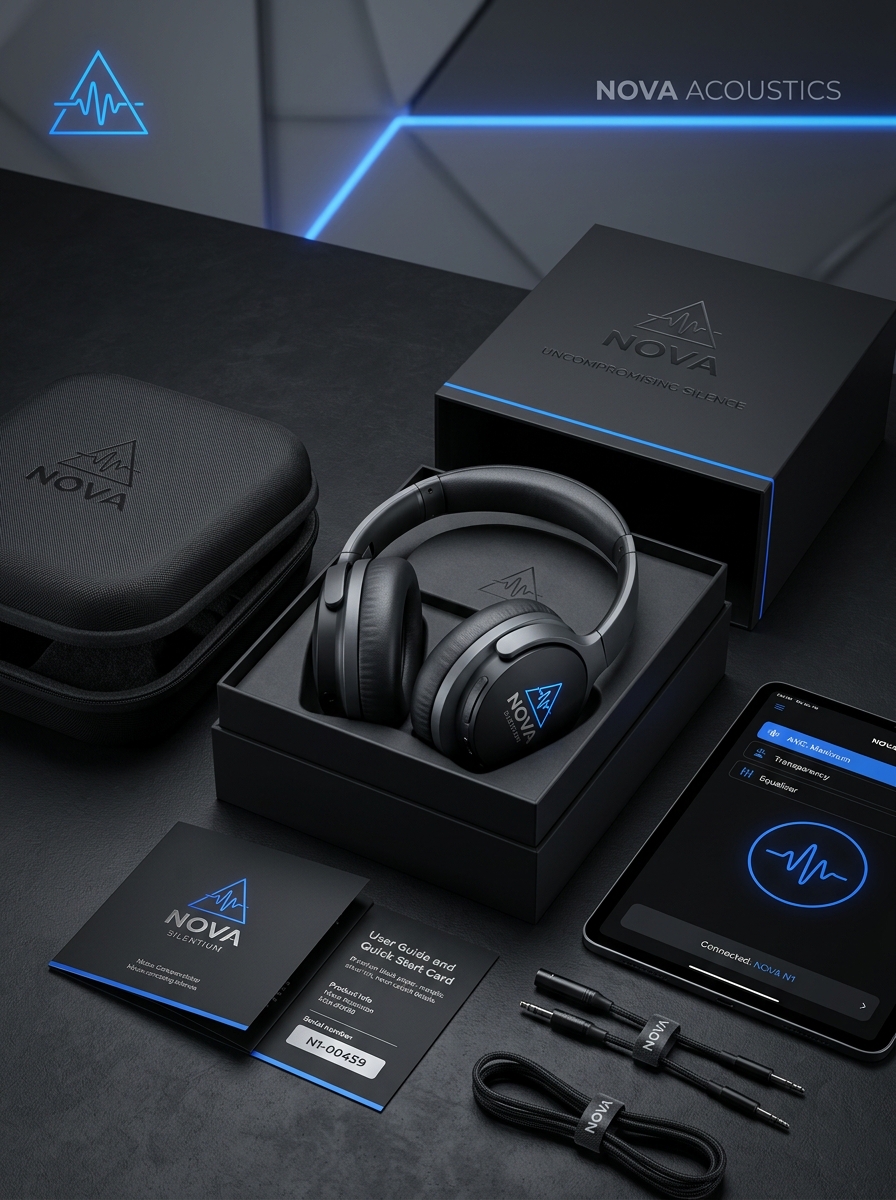
The journey toward elite audio immersion begins long before a listener activates active noise cancellation. For premium headphone brands, the packaging serves as the first physical touchpoint, bridging the gap between sophisticated engineering and consumer anticipation. Mastering the art of visual storytelling through box design requires a delicate balance of minimalist aesthetics and structural innovation.
This guide examines the core principles of high-end packaging, focusing on how tactile materials and evocative imagery communicate silence, luxury, and clarity. By integrating thoughtful structural design with bold visual concepts, designers can create an unboxing experience that mirrors the precision of the hardware inside. Explore how to leverage brand identity and sensory details to transform standard containers into iconic representations of acoustic excellence and technological prowess.
The Psychology of Premium Headphone Packaging Design
For high-end noise canceling headphones, the unboxing experience is a critical touchpoint in consumer psychology. Premium packaging serves as a physical manifesto of the technology inside. Manufacturers utilize minimalist aesthetics, matte textures, and heavy-gauge cardstock to communicate luxury and durability.
The "slow-release" vacuum seal of a box lid creates anticipation, mirroring the sophisticated engineering of Active Noise Cancellation (ANC). By using organized interior layouts and magnetic closures, brands reinforce a sense of precision and calm. This sensory journey triggers positive emotional responses, justifying the premium price point and building brand loyalty before the user even experiences the first note of music. High-quality materials signify that the product is an investment in silence and sonic clarity.
Defining Visual Identity Through Minimalist Aesthetics
In the realm of high-end noise canceling headphones, visual identity is increasingly defined by minimalist aesthetics. Modern design focuses on a "less is more" philosophy, utilizing clean lines, matte finishes, and seamless transitions to communicate sophisticated engineering. This sleek hardware reflects the technology's core purpose: eliminating environmental clutter to provide a pure, focused auditory experience.
By prioritizing ergonomic silhouettes and neutral color palettes, brands create a timeless appeal that transcends fleeting trends. These minimalist choices emphasize premium materials and build quality over flashy ornamentation. Ultimately, a refined visual language allows noise canceling devices to function as both high-performance tools and understated fashion accessories, solidifying a brand's position in the premium audio market through intentional, clutter-free design.
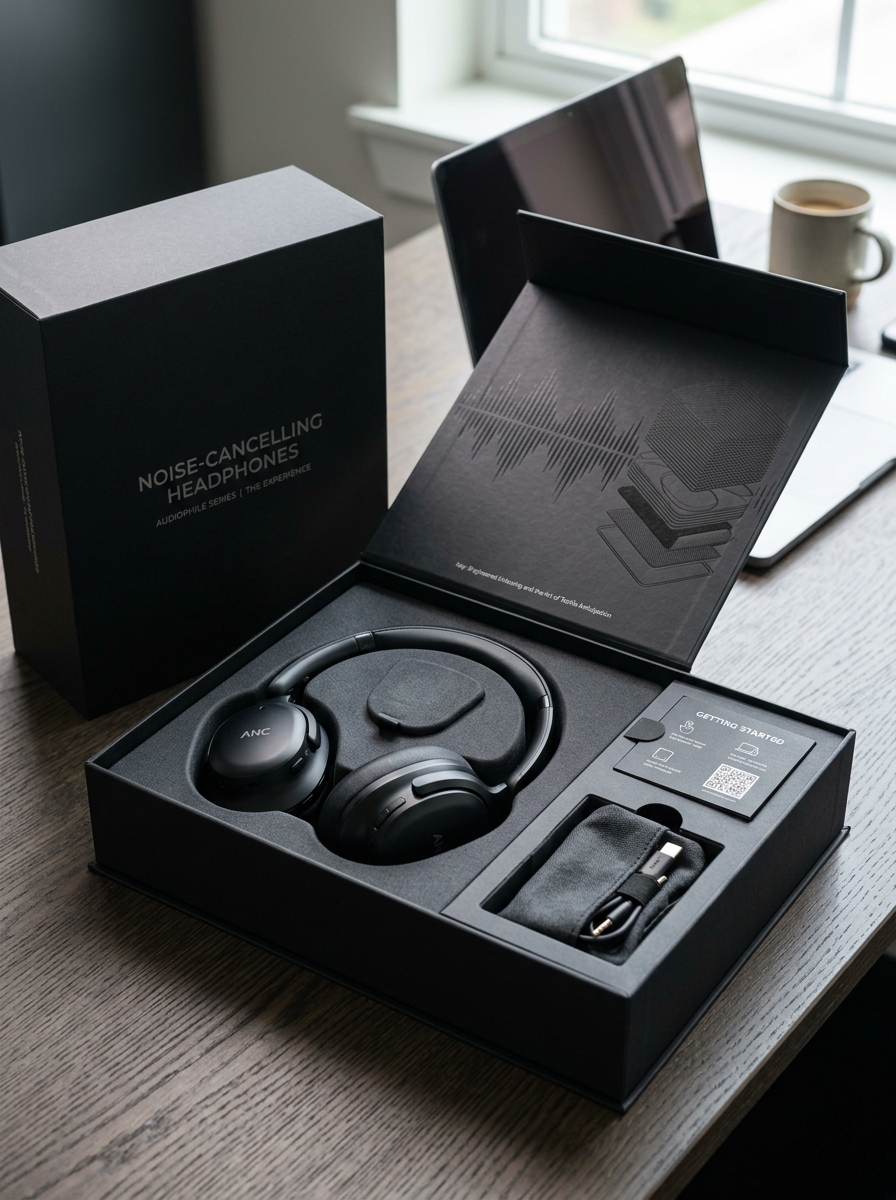
Engineered Unboxing and the Art of Tactile Anticipation
The journey of premium noise canceling headphones begins long before the first track plays. It starts with an engineered unboxing experience designed to build tactile anticipation. Manufacturers of high-end ANC technology understand that the physical sensation of opening the box reflects the precision engineering found within the hardware itself.
Every element, from the measured resistance of the lid to the soft-touch materials of the protective carrying case, signals superior build quality and durability. This sensory prelude prepares the listener for the immersive silence and high-fidelity audio performance to follow. By prioritizing ergonomic design and premium presentation, brands create a psychological transition from the noisy external world into a private sanctuary of sound. This meticulous attention to detail ensures that the initial physical touch mirrors the sophisticated acoustic engineering of the headphones.
Communicating Advanced Noise Canceling Technology via Graphics
Visualizing advanced noise canceling (ANC) technology is essential because acoustic engineering is inherently invisible. To bridge the gap between technical physics and consumer understanding, brands use high-impact graphics to demonstrate how active noise cancellation functions in real-time.
Effective visual communication often includes:
- Waveform Diagrams: Illustrating destructive interference by showing how an "anti-noise" wave mirrors and neutralizes ambient sound waves.
- Frequency Response Charts: Providing data-driven evidence of decibel reduction across low, mid, and high-frequency spectrums.
- Cutaway Illustrations: Highlighting the strategic placement of internal feedforward and feedback microphones.
By utilizing these semantic visual cues, manufacturers translate complex digital signal processing (DSP) into tangible benefits, clearly showcasing a headset's ability to provide superior sound isolation and audio clarity.
Sustainable Luxury: Selecting Eco-Friendly Premium Materials
Modern noise-canceling headphones are redefining high-end audio by merging acoustic excellence with environmental responsibility. This shift toward sustainable luxury focuses on sourcing premium materials that minimize ecological impact while maintaining durability and comfort.
- Recycled Metals: Utilizing reclaimed aluminum and copper reduces the carbon footprint of structural components and headbands.
- Eco-Conscious Fabrics: Ear cushions are increasingly crafted from vegan leathers, organic cotton, or recycled polyester for breathable, guilt-free comfort.
- FSC-Certified Wood: Responsibly sourced wood accents provide natural sound dampening and a sophisticated aesthetic.
- Bio-Plastics: Innovative plant-based polymers replace traditional petroleum-based plastics in internal housings.
By selecting headphones built with these ethically sourced materials, audiophiles enjoy immersive, silent listening experiences that support a greener future without sacrificing a premium feel.
Typography and Layout Strategies for Audio Excellence
Communicating the sophistication of noise-canceling headphones requires a visual language that reflects acoustic precision. Strategic typography and layout design are essential for translating complex auditory technology into a clear, premium user experience.
To mirror high-fidelity performance, designers employ minimalist layouts with ample white space, symbolizing the "silence" achieved through active noise cancellation (ANC). Clean, sans-serif typefaces are typically used to emphasize modern engineering and sonic clarity. Key structural elements include:
- Visual Hierarchy: Using bold weights to highlight decibel reduction and driver specifications.
- Grid Systems: Organizing frequency response data and battery life for quick technical comparisons.
- Readability: Optimizing line length to ensure immersive product storytelling.
By aligning visual structure with auditory excellence, brands effectively communicate the immersive, distraction-free environment that top-tier audio equipment provides.
High Fidelity Imagery and Macro Product Photography
Visual excellence is essential for showcasing the sophisticated engineering behind premium noise canceling headphones. High-fidelity imagery captures the sleek contours and ergonomic design that define high-end audio gear. Through macro product photography, the intricate details of acoustic craftsmanship are brought to life, highlighting precision-milled materials and refined assembly quality.
Detailed close-ups reveal the micro-perforations in microphone arrays and the soft grain of memory foam ear pads, emphasizing both functionality and comfort. These high-resolution visuals translate the tactile experience of the product into a digital format, showcasing the active noise cancellation hardware and premium finishes. By focusing on textures and fine-tuned components, macro imagery reinforces a commitment to superior build quality and an immersive, high-definition auditory experience for the discerning listener.
Structural Integrity Balancing Durability with Elegant Form
Premium noise canceling headphones require a meticulous balance between robust engineering and sophisticated aesthetics. To ensure long-term reliability, manufacturers utilize high-grade materials such as anodized aluminum, magnesium alloys, and reinforced polymers. These components provide the necessary strength to withstand daily stress and folding while maintaining a lightweight profile for maximum comfort.
Structural integrity is further enhanced by precision-engineered hinges and articulating swivels that facilitate a secure fit and compact storage. An elegant form is achieved through minimalist design, seamlessly integrating internal acoustic chambers into a sleek exterior. This synergy of durability and style ensures the hardware remains resilient against wear and tear without sacrificing a professional, modern look. By prioritizing build quality and ergonomic architecture, high-end models deliver a refined user experience that lasts for years.
Special Finishes and Textural Contrast in Tech Design
In the premium noise canceling headphones market, aesthetic appeal is driven by sophisticated finishes and purposeful textural contrast. Modern industrial design leverages matte coatings, anodized aluminum, and soft-touch polymers to enhance both visual elegance and tactile ergonomics.
By contrasting smooth metallic earcups with textured protein leather or plush memory foam, manufacturers create a sensory experience that signals high-end quality. These material choices serve functional roles: matte surfaces resist fingerprints and reduce glare, while varied textures on touch-sensitive panels provide intuitive tactile feedback. Integrating these diverse elements ensures that headphones are not just audio tools, but sophisticated accessories that balance durability with a professional, luxury feel.
Future Trends in Audio Hardware Packaging Innovation
As the market for noise canceling headphones matures, manufacturers are pivoting toward sustainable packaging and tech-integrated designs. A primary trend is the elimination of single-use plastics, replaced by biodegradable materials like mushroom-based foam and FSC-certified recycled paper. These eco-friendly alternatives reduce the environmental impact of high-end audio hardware.
Innovation also extends to smart packaging. Future headphone boxes will feature integrated QR codes and NFC tags, providing consumers with instant access to digital manuals, firmware updates, and immersive AR unboxing experiences.
Furthermore, minimalist design is becoming standard. By reducing the physical footprint of the box, brands can optimize shipping density and lower carbon emissions. These advancements ensure that the packaging for audio hardware is as sophisticated and environmentally conscious as the noise-canceling technology found inside.
Leave a comment