
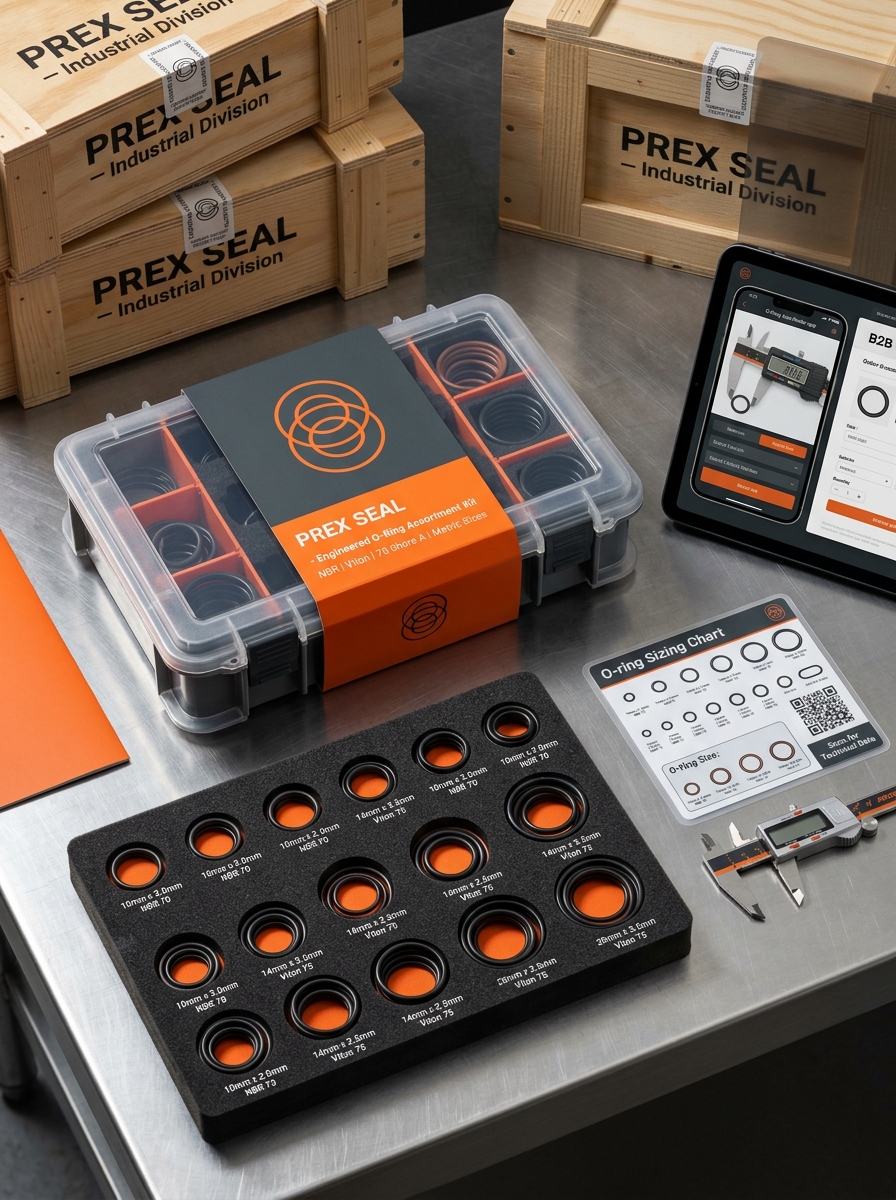
Effective packaging for industrial components demands a precise balance between rugged utility and sophisticated visual appeal. Beyond simple storage, optimized O-ring kit packaging design ensures material integrity while enhancing professional brand perception. This exploration delves into the core principles of structural durability and modern aesthetic concepts that transform standard hardware containers into professional-grade assets.
By prioritizing organizational efficiency and intuitive labeling, manufacturers can significantly improve the user experience and long-term product viability. Understanding the intersection of high-density materials and minimalist design is essential for creating kits that withstand harsh environments while maintaining a premium, high-quality finish. These fundamental design choices serve to protect sensitive elastomers while communicating technical excellence and reliability to the end-user through every tactile and visual detail.
Functional Structure and Compartmentalization for Industrial Components
An O-ring kit serves as a critical organizational system for industrial maintenance, featuring a functional structure designed for rapid component identification and retrieval. The primary advantage of these kits lies in their compartmentalization, which segregates various seal sizes by inside diameter (ID) and cross-section (CS) thickness.
This systematic layout prevents the accidental mixing of different elastomer materials, such as Nitrile (NBR), Viton (FKM), or Silicone, which is vital for maintaining chemical compatibility in specific applications. High-quality kits utilize labeled grids and molded dividers to protect seals from physical deformation and environmental contaminants.
For engineers and technicians, this organized approach reduces downtime during repairs. By providing a structured assortment of industrial seals, these kits ensure that the exact component required for hydraulic or pneumatic integrity is always accessible and correctly specified.
Material Selection for Long Term Chemical and Environmental Protection
Choosing the correct elastomer in an O-ring kit is vital for ensuring seal integrity against harsh conditions. Material selection directly impacts long-term resistance to chemical degradation and environmental stressors. For example, Viton (FKM) excels in high-heat and acidic environments, while Nitrile (NBR) is the industry standard for petroleum-based oils and hydraulic fluids.
For outdoor applications, materials like EPDM offer essential protection against UV exposure, ozone, and weathering. Alternatively, Silicone is preferred for its broad thermal stability in food-grade or medical environments. Utilizing a high-quality O-ring kit allows engineers to precisely match material properties to specific operational demands. This strategic selection prevents premature seal failure, minimizes maintenance downtime, and ensures durable, leak-free performance across diverse industrial applications.
Visual Hierarchy and Legibility of Technical Specifications
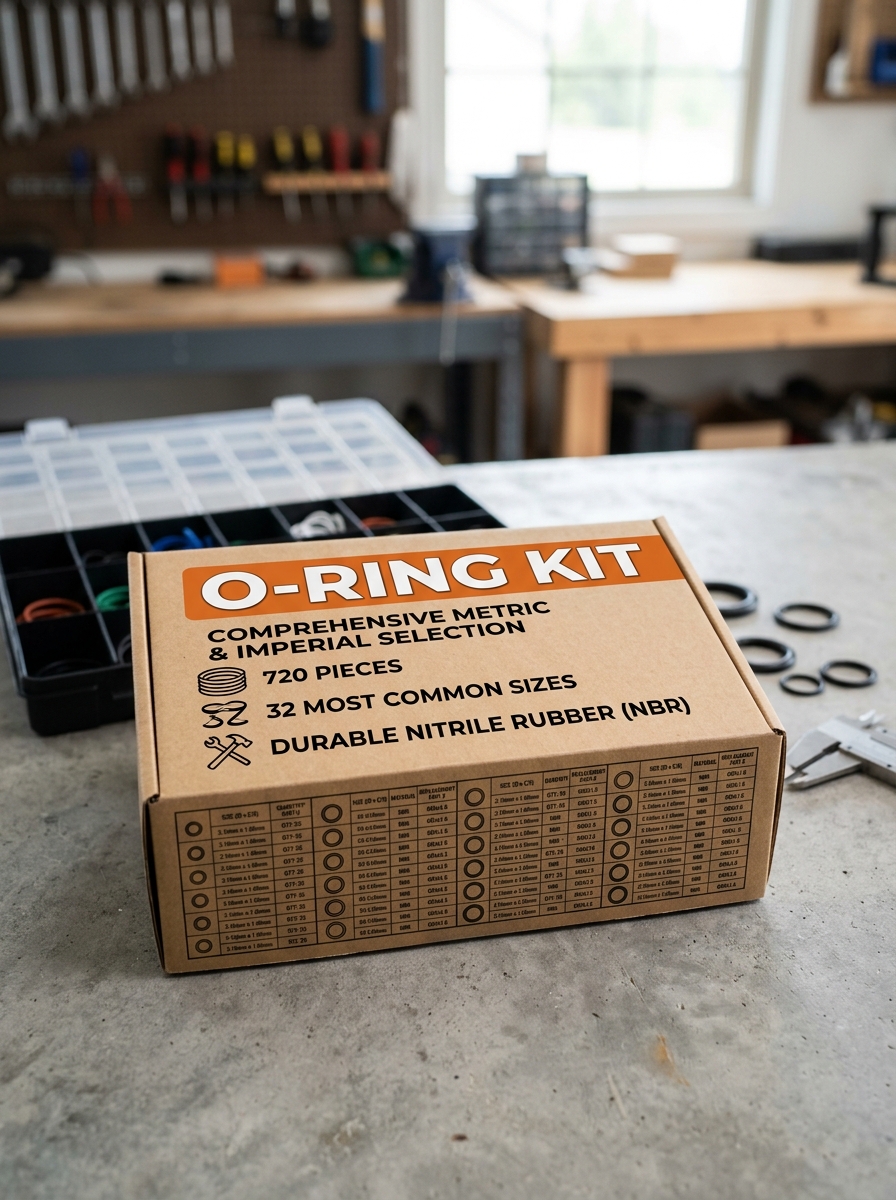
In professional O-ring kits, visual hierarchy is critical for rapid identification and error prevention. Technical specifications must be organized logically to allow technicians to distinguish between various seals at a glance. Effective information architecture prioritizes high-impact data to streamline maintenance workflows.
Key elements for optimizing legibility include:
- Dimensional Accuracy: Prominent labeling of Inner Diameter (ID) and Cross-Section (CS).
- Material Identification: Clear categorization of compounds such as Nitrile (Buna-N), Viton (FKM), or EPDM.
- Performance Ratings: High-visibility markers for Durometer (Shore A hardness) and pressure limits.
By utilizing high-contrast typography and standardized formatting, manufacturers ensure that critical data remains readable in low-light industrial environments. This structured approach reduces the risk of selecting incorrect seals, preventing mechanical failure and ensuring long-term system integrity.
Color Coding Systems for Instant Size and Material Recognition
In a professional O-ring kit, color coding serves as a vital visual shorthand for technicians and engineers. This system facilitates the immediate identification of both dimensions and elastomer material, significantly reducing installation errors and maintenance downtime.
While standard industrial seals are often black (NBR or EPDM), specialized kits utilize distinct hues to represent specific material properties and performance capabilities:
- Brown or Green: Typically identifies Viton (FKM) for high-temperature and chemical resistance.
- Red or Orange: Generally signifies Silicone, suitable for extreme thermal flexibility.
- Blue: Often indicates Fluorosilicone or specific FDA-compliant food-grade materials.
Adopting these color standards ensures the correct sealing component is selected for the specific environment, preventing premature failure caused by material incompatibility or improper sizing.
Ergonomic Box Designs for Field Service and Workshop Utility
A professional O-ring kit is only as effective as its housing. Our ergonomic box designs are specifically engineered for high-performance field service and organized workshop utility. Each case features high-impact, durable materials capable of withstanding rugged industrial environments while maintaining a lightweight profile for easy portability.
Inside, compartmentalized trays prevent cross-contamination of sizes during transit, while clear labeling and integrated size charts ensure rapid identification of the correct sealing solution. Secure locking mechanisms prevent accidental spills, protecting your inventory of nitrile, Viton, or silicone components. Whether you are performing on-site hydraulic repairs or routine preventative maintenance, these specialized storage solutions streamline workflows and reduce downtime by keeping essential O-ring assortments accessible, visible, and secure.
Sustainable Packaging Solutions for Industrial Supply Chains
In the industrial sealing industry, the transition toward sustainable packaging for O-ring kits is a critical priority for modern supply chains. Manufacturers are increasingly adopting eco-friendly alternatives, such as recyclable cardboard inserts and biodegradable films, to organize diverse nitrile, silicone, and Viton seal assortments.
By streamlining bulk packaging and reducing single-use plastics, businesses can significantly lower their environmental impact while maintaining component integrity. These green packaging strategies minimize waste in maintenance and repair operations (MRO) and improve logistical efficiency. Implementing reusable or compostable containers for O-ring kits ensures that critical industrial components are delivered responsibly, helping global supply chains meet environmental regulations and corporate sustainability targets without compromising on quality or performance.
Brand Identity Integration through Premium Minimalist Aesthetics
In the industrial sealing sector, a high-quality O-ring kit serves as a vital extension of a company's brand identity. By leveraging premium minimalist aesthetics, manufacturers communicate a commitment to precision, clarity, and modern engineering excellence. This design approach prioritizes clean layouts and intuitive organization, ensuring that the visual appeal matches the technical performance of the seals.
A minimalist interface reduces cognitive load for technicians, allowing for rapid size identification and selection during critical maintenance. Strategic branding-through consistent typography, sophisticated color palettes, and durable materials-transforms a standard utility into a professional-grade asset. Ultimately, integrating these aesthetic values into O-ring packaging reinforces market positioning, building trust and recognition through a cohesive, high-end user experience that reflects superior industrial standards.
Transparent Lid Features for Real Time Inventory Management
An O-ring kit equipped with a transparent lid is a vital asset for efficient workshop organization and maintenance. The clear, high-impact cover allows technicians to perform instant visual inspections without opening the container, facilitating real-time inventory management. This "at-a-glance" capability ensures you can identify low stock levels immediately, preventing unexpected shortages during critical repairs.
Beyond visibility, these lids protect sensitive seals from environmental contaminants like dust and moisture while keeping compartments securely separated. By eliminating the need to manually sort through bins, the transparent design streamlines workflow and reduces downtime. Whether managing nitrile, silicone, or Viton seals, a transparent lid transforms a standard storage box into a precision tool for predictive restocking and seamless hydraulic or pneumatic maintenance.
Secure Sealing Mechanisms to Prevent Cross Contamination
An O-ring kit is a vital resource for maintaining the integrity of fluid handling systems across various industries. These kits provide a diverse range of precision-engineered seals that create an airtight and leak-proof interface between mechanical components. By implementing these secure sealing mechanisms, operators can effectively block external pollutants and prevent the unintended mixing of different media.
In sensitive sectors such as food processing, pharmaceuticals, and chemical manufacturing, preventing cross-contamination is paramount for safety and compliance. High-performance O-rings, made from materials like Nitrile, Viton, or EPDM, offer the chemical resistance necessary to handle aggressive fluids. Utilizing a comprehensive O-ring kit ensures that maintenance teams can quickly replace worn seals, preserving system purity, reducing downtime, and upholding strict hygiene standards in any pressurized environment.
Future Proofing Kits with Modular and Expandable Layouts
Modern O-ring kits are evolving beyond static assortments toward modular and expandable layouts. These versatile systems allow maintenance professionals to adapt their sealing inventory to changing industrial demands without investing in entirely new sets.
Key benefits of future-proof modular kits include:
- Scalability: Easily add specialized sizes or materials like Nitrile, Viton, or Silicone as requirements evolve.
- Customization: Removable compartments allow for personalized organization based on specific machinery needs.
- Cost-Efficiency: Reduce long-term overhead by replenishing specific high-use sections rather than discarding entire kits.
By choosing a kit designed for expansion, you ensure your sealing solutions remain compatible with newer machinery and high-pressure applications. This strategic approach to inventory management minimizes downtime and maximizes the utility of your maintenance hardware.
Leave a comment