
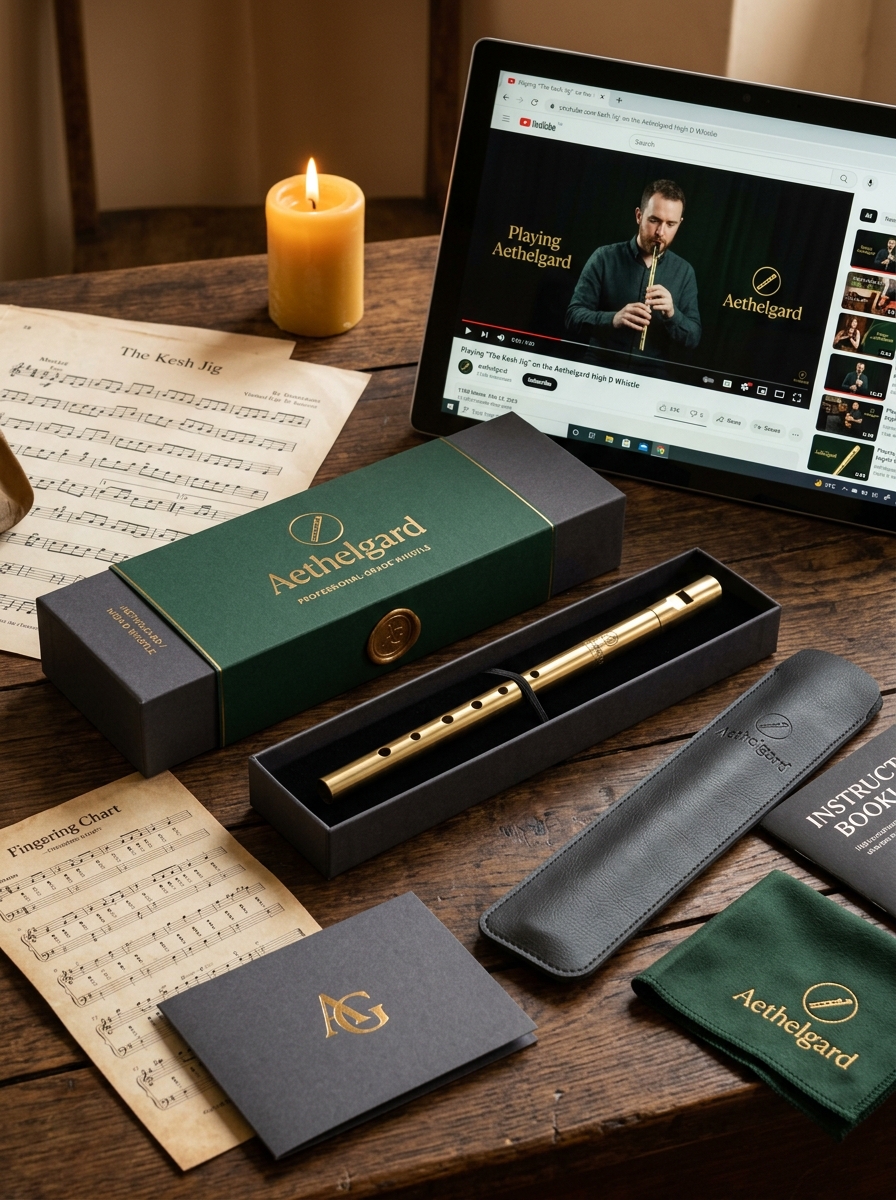
Capturing the soulful essence of folk music begins long before the first note is played. For the penny whistle, packaging serves as a vital bridge between traditional craftsmanship and contemporary retail appeal. Achieving a premium presentation requires a strategic balance of structural integrity and evocative visual storytelling that resonates with musicians.
Effective design must prioritize the protection of the instrument's delicate mouthpiece while utilizing aesthetics that reflect its unique melodic character. From selecting sustainable materials to implementing refined typography and heritage-inspired color palettes, every element influences a performer's first impression. By integrating these essential design principles, brands can transform standard containers into resonant brand statements that captivate collectors. This exploration delves into how thoughtful aesthetics and functional ergonomics elevate the humble tin whistle into a high-end sensory experience.
The Cultural History of Penny Whistle Visuals
The penny whistle's aesthetic evolution mirrors its transition from a primitive folk tool to a global musical icon. Originally crafted from bone or wood, the instrument underwent a visual revolution in 1843 when Robert Clarke introduced mass-produced rolled tinplate. This metallic sheen, often paired with a simple wooden labium, became the hallmark of the "tin whistle."
Later, the introduction of colorful plastic mouthpieces-most notably the iconic green and blue heads of brands like Generation and Feadóg-solidified its visual identity within Irish traditional music. These visuals represent the democratization of music; the humble appearance of the penny whistle reflects its history as an affordable, portable instrument for the working class. Today, its minimalist design remains a potent symbol of accessibility, folk heritage, and pastoral simplicity in global cultural iconography.
Defining a Unique Brand Identity for Folk Instruments
Establishing a compelling brand identity for the penny whistle, or tin whistle, requires a strategic balance between historical legacy and modern craftsmanship. In the competitive niche of folk instruments, authenticity serves as the primary differentiator. A successful brand must highlight its Celtic heritage and the manual precision involved in voicing each fipple.
Key elements for defining a brand in the traditional music market include:
- Tonal Consistency: Emphasizing high-quality acoustic performance across all octaves.
- Material Integrity: Showcasing the use of brass, nickel, or premium hardwoods to influence sound color.
- Artisanal Storytelling: Connecting the instrument to the global folk community through its cultural roots.
By positioning the penny whistle as both a professional-grade tool and a cultural artifact, makers can resonate with musicians who value sonic excellence and historical depth.
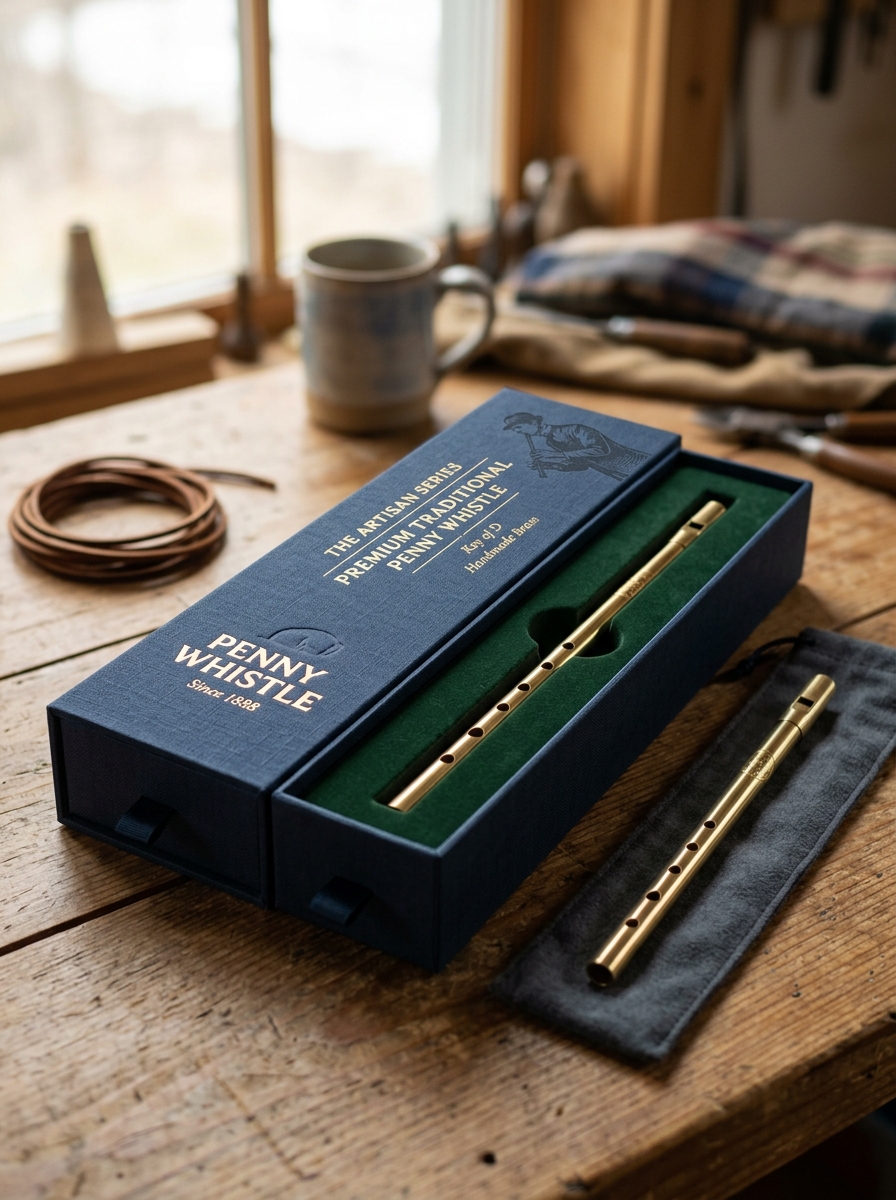
Selecting Premium Materials for Protection and Texture
Choosing high-quality materials is essential for the longevity and playability of a penny whistle. Premium metals, such as polished brass and nickel-silver, provide a classic aesthetic while offering superior protection against oxidation and moisture. These materials ensure structural integrity and a bright, clear resonance.
For players seeking a warmer tone, hardwoods like African Blackwood or rosewood offer a rich, organic texture that improves tactile feedback during complex fingerings. Additionally, high-grade polymers are frequently selected for their resilience to temperature shifts and humidity, preventing material fatigue. By prioritizing premium materials, musicians benefit from an instrument that balances acoustic excellence with a comfortable, durable finish that withstands the rigors of frequent performance and environmental exposure.
Typography and Graphic Elements that Evoke Tradition
To capture the heritage of the penny whistle, visual design often relies on serif typography and calligraphic scripts. These fonts mirror 19th-century broadsides and traditional Irish manuscripts, instantly signaling a connection to folk history. Classic, hand-drawn lettering evokes the era of traveling street musicians and the instrument's humble tin-plate origins.
Graphic elements further reinforce this legacy through the use of Celtic knotwork, Victorian floral scrolls, and minimalist emblems of brass or nickel. Designers frequently utilize parchment textures and earthy color palettes to mimic the aesthetic of vintage sheet music. By integrating these nostalgic visual cues, the penny whistle is presented not just as an instrument, but as a cultural artifact, bridging the gap between ancient musical traditions and modern craftsmanship.
Color Palettes Inspired by Heritage and Craftsmanship
The penny whistle, a cornerstone of folk music, offers a rich visual narrative rooted in artisanal tradition. Color palettes inspired by this instrument draw from the raw, tactile materials used by master craftsmen. These schemes often feature a blend of metallic lusters and organic textures.
Key elements of this heritage-driven aesthetic include:
- Metallic Finishes: Polished brass, brushed nickel, and vintage tin provide a bright, sophisticated foundation.
- Natural Earth Tones: Deep ebony, warm mahogany, and cedar woodgrains reflect the instrument's organic origins.
- Patina Accents: Muted forest greens and oxidised coppers evoke a sense of history and timelessness.
By utilizing these tones, designers can capture the soulful essence of traditional craftsmanship, bridging the gap between ancient musical heritage and modern visual storytelling.
Integrating Functional Design for Instrument Safety
In penny whistle manufacturing, integrating functional design is essential for ensuring player safety and instrument durability. High-quality whistles utilize non-toxic materials, such as food-grade polymers and lead-free alloys, to prevent chemical exposure during use. Precision engineering focuses on smoothing deburred finger holes and polishing the labium edge to prevent cuts or skin irritation during fast-paced musical ornamentation.
Functional safety also extends to the mouthpiece assembly; secure bonding techniques ensure that the fipple remains structurally sound, eliminating potential choking hazards. Additionally, ergonomic hole placement reduces repetitive strain on the hands and wrists. By prioritizing these structural elements, makers ensure that the penny whistle is not only acoustically resonant but also physically safe for musicians of all ages and skill levels.
Visual Storytelling Through Illustration and Motifs
The penny whistle, or tin whistle, leverages visual storytelling to deepen its connection to cultural heritage. Beyond its clear, melodic output, the instrument often features intricate motifs such as Celtic knots, shamrocks, and pastoral scenes etched into the metal or wood. These illustrations serve as visual metaphors for the folk traditions and oral histories the music represents.
In instructional media and historical songbooks, folk iconography is used to ground the instrument in its Irish and British roots. By incorporating these symbolic designs, makers transform a simple woodwind into a narrative artifact. This fusion of graphic art and craftsmanship ensures that the penny whistle is not just a tool for sound, but a canvas for preserving the myths, nature, and identity of the communities that keep its music alive.
Sustainable Packaging Solutions for the Modern Maker
At Penny Whistle, we believe that the presentation of your craft should reflect the integrity of your work. For the modern maker, sustainable packaging is an essential component of a conscious brand identity. Our eco-friendly solutions prioritize the planet by utilizing biodegradable materials, recycled paper, and plastic-free alternatives that reduce environmental impact.
By integrating compostable mailers and FSC-certified inserts, artisans can ensure their handmade goods arrive safely while appealing to environmentally aware consumers. These green alternatives offer the perfect balance of durability and aesthetic appeal, proving that ethical choices can enhance the unboxing experience. Elevate your creative business with packaging strategies that honor your craftsmanship and protect our shared future.
Optimizing the Unboxing Experience for Aspiring Musicians
For many budding tin whistle players, the musical journey begins the moment they open the box. A premium unboxing experience focuses on accessibility and inspiration, transforming a simple instrument into an inviting gateway to folk music.
To optimize this first interaction, packaging should include:
- Clear Fingering Charts: Essential visual guides to help beginners play their first scale instantly.
- Protective Sleeves: Durable cases that safeguard the whistle's mouthpiece and finish.
- Resource Integration: QR codes linking to video tutorials or digital tuning apps.
By prioritizing intuitive layouts and high-quality starter materials, manufacturers can reduce the initial learning curve. Providing a seamless introduction ensures that aspiring musicians feel supported, encouraging them to master the penny whistle and explore the rich traditions of Celtic melodies.
Strategic Retail Presentation and Shelf Appeal
Optimizing the retail presentation of penny whistles is essential for driving impulse purchases and enhancing brand visibility. Effective shelf appeal begins with high-quality packaging that highlights the instrument's Celtic heritage and accessibility for beginners. Utilizing vertical point-of-sale displays allows retailers to maximize floor space while keeping the products at eye level.
Key elements for successful merchandising include:
- Visual Transparency: Using clear window packs so customers can inspect the finish, such as polished brass or nickel.
- Informative Header Cards: Communicating the musical key (typically High D) and including "quick-start" fingering charts to lower the barrier to entry.
- Strategic Placement: Positioning whistles near checkout counters or folk music sections to capitalize on their status as affordable gift items.
Thoughtful presentation transforms these compact woodwinds into compelling, high-turnover retail assets.
Leave a comment