
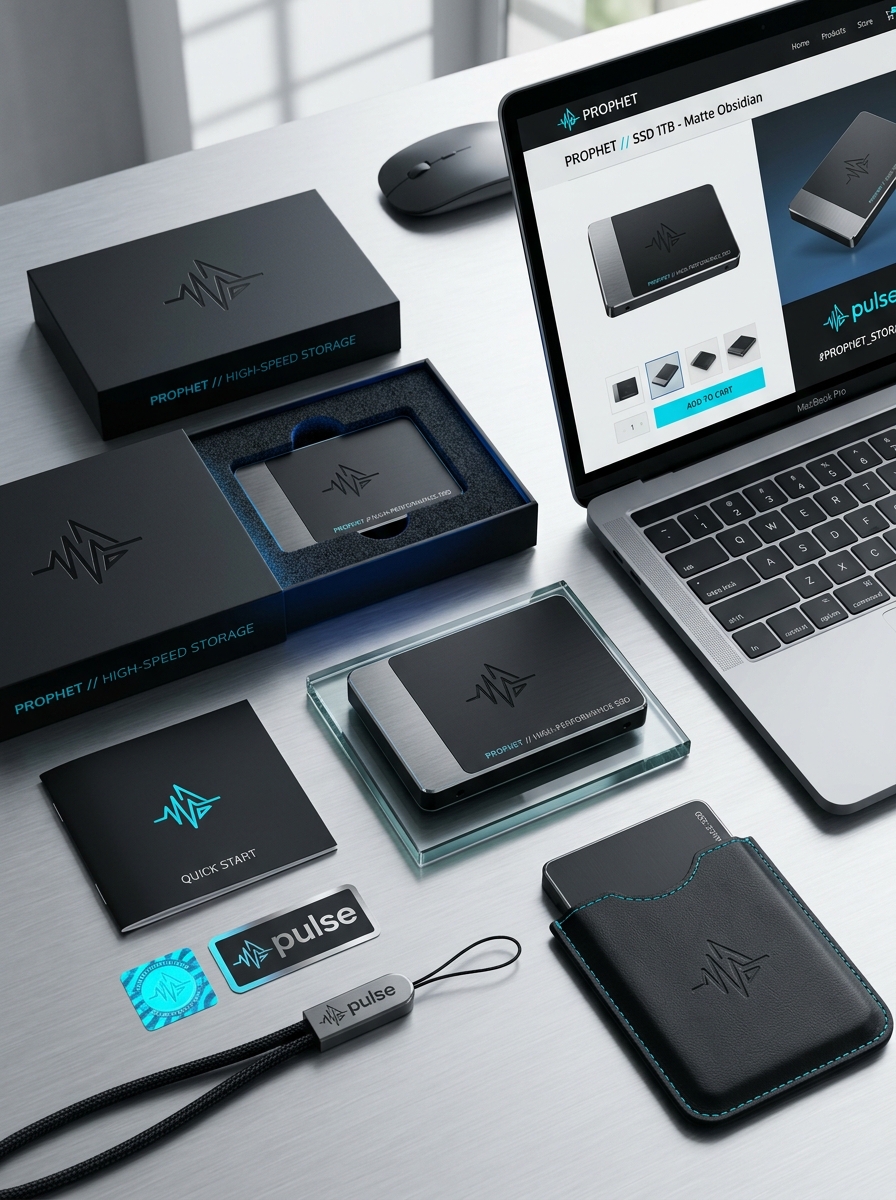
Effective flash drive packaging serves as the critical intersection between digital utility and tangible brand storytelling. More than a mere protective shell, high-quality packaging elevates the user experience, transforming a standard data storage device into a sophisticated brand statement. By integrating aesthetic principles such as geometric balance and intentional typography, creators can influence a recipient's perception of value before the drive is even accessed.
Mastering this niche requires a deep dive into design concepts that prioritize both form and function. This exploration covers the importance of material selection, structural durability, and sensory appeal in modern USB presentation. Whether crafting bespoke cases for luxury clients or streamlined solutions for retail, understanding these core elements ensures your hardware resonates through professional, visually compelling execution and thoughtful craftsmanship.
The Role of Packaging in the Flash Drive Market
In the competitive flash drive market, packaging serves as a critical bridge between technical hardware and consumer decision-making. Beyond physical protection, effective packaging communicates essential specifications such as storage capacity, data transfer speeds, and interface compatibility (USB 3.2 or Type-C). High-quality retail presentation reinforces brand authority and helps portable storage devices stand out on crowded shelves.
Moreover, secure packaging plays a vital role in loss prevention and authenticity verification. Tamper-evident seals and durable blister packs protect against theft and ensure users receive a genuine, uncompromised device. As environmental awareness grows, many manufacturers are shifting toward sustainable, plastic-free materials to appeal to eco-conscious buyers. Ultimately, strategic packaging is an integral component of a product's overall value proposition, balancing security, information delivery, and brand identity.
Defining Brand Identity Through Material Choice
The material used in flash drive manufacturing is a powerful tool for establishing brand identity. Choosing the right casing communicates a brand's values instantly to the recipient. For instance, metal USB drives crafted from aluminum or stainless steel project a sense of durability, professionalism, and high-end quality, ideal for premium corporate gifts.
Conversely, wood and bamboo drives resonate with eco-conscious audiences, highlighting a commitment to sustainability. Plastic flash drives offer endless color customization and versatility for high-volume marketing campaigns, while leather finishes evoke luxury and exclusivity. By strategically selecting materials-ranging from sleek glass to recycled plastics-companies align their portable storage solutions with their broader marketing message, ensuring their brand identity is both tangible and memorable in a competitive digital landscape.
Visual Hierarchy and Technical Information Layout
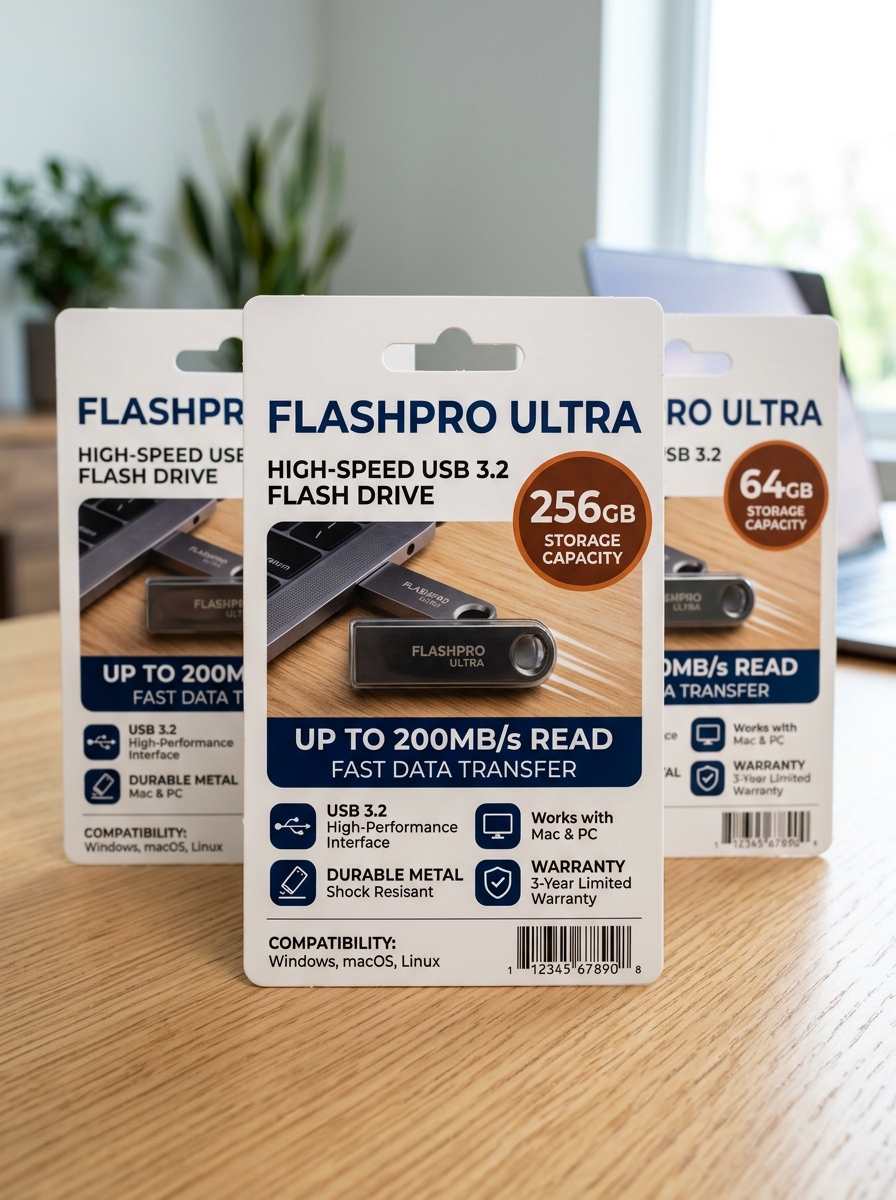
Effective visual hierarchy in flash drive documentation ensures users can quickly identify critical performance data. By prioritizing key attributes like storage capacity and USB interface standards, manufacturers guide the consumer's eye to the most relevant information first.
- Primary Information: Storage size (e.g., 256GB) and connection type (USB-C).
- Secondary Metrics: Sequential read/write speeds and data transfer protocols.
- Tertiary Details: Physical dimensions, casing material, and encryption standards.
Logical layout structures, such as using bulleted lists and bold headers, reduce cognitive load during the selection process. This semantic approach allows for rapid comparison between models, highlighting performance tiers like USB 3.2 Gen 1 versus Gen 2x2. Clear information grouping ensures that technical constraints and compatibility requirements are easily digestible for all users.
The Psychology of Color and Shape in Tech Design
In the storage industry, the visual aesthetics of flash drives are strategically engineered to influence user perception and consumer trust. Manufacturers utilize specific color palettes to signal functionality: blue often represents reliability and data security, while bold reds or matte blacks typically denote high-speed performance and professional-grade power.
The physical form factor further defines a device's perceived utility. Sleek, metallic casings with minimalist lines project a premium, corporate image suitable for enterprise environments. In contrast, rounded edges and rubberized, textured surfaces suggest portability, durability, and shock resistance. By harmonizing chromatic choices with ergonomic forms, tech designers create an intuitive shorthand for a drive's technical capabilities. This psychological alignment ensures that the hardware's visual identity reinforces its performance specifications, guiding users toward the optimal storage solution.
Optimizing the Unboxing Experience for Consumers
The unboxing experience is the first physical touchpoint between a brand and a user. For flash drives, optimizing this moment involves balancing product protection with accessibility. Manufacturers are increasingly adopting frustration-free packaging, utilizing perforated cardboard or easy-tear tabs instead of heat-sealed plastic clamshells that require tools to open.
To enhance the consumer journey, consider these semantic elements in packaging design:
- Sustainable Materials: Using recyclable paper reduces environmental impact and appeals to eco-conscious buyers.
- Value-Added Inserts: Including a small lanyard or a quick-start guide for encryption software adds immediate utility.
- Minimalist Aesthetics: Clear labeling of storage capacity (e.g., 128GB) and interface type (USB 3.2) ensures the user confirms their purchase at a glance.
A seamless transition from package to port builds brand loyalty and improves initial product satisfaction.
Sustainable Materials and Eco-Friendly Packaging Trends
As environmental awareness grows, the flash drive industry is shifting toward greener alternatives. Manufacturers are increasingly replacing traditional virgin plastics with sustainable materials such as recycled ocean-bound plastic, bamboo, cork, and FSC-certified wood. These eco-friendly housings significantly reduce the carbon footprint of portable storage devices while maintaining durability and hardware performance.
Beyond the product itself, eco-friendly packaging trends are gaining momentum. Brands are ditching single-use plastic blisters in favor of recycled cardboard, compostable pouches, and soy-based inks. By adopting these circular economy practices, companies cater to the rising consumer demand for green technology and help mitigate global electronic waste (e-waste). Choosing a sustainable USB drive is a practical way for users to support environmental conservation without compromising on digital storage reliability.
Integrating Retail Security with Aesthetic Appeal
Modern flash drive design must balance loss prevention with visual marketing. Retailers face the challenge of protecting these small, high-value devices without obscuring their sleek silhouettes or premium finishes. Effective security integration involves using transparent, high-impact clamshell packaging that showcases metallic textures and branding while housing discrete internal RFID or EM security tags.
Furthermore, many USB drives now feature integrated lanyard loops or reinforced holes. These serve a dual purpose: enhancing user portability and allowing for secure tethering to retail display units. By prioritizing ergonomic industrial design alongside robust security measures, manufacturers minimize shrinkage without compromising the product's tactile appeal. This synergy ensures that flash drives remain attractive to consumers while remaining protected within a high-traffic retail environment.
Typography Strategies for High-Impact Messaging
Effective typography on custom flash drives ensures brand messages remain legible despite the limited surface area available on compact devices. Choosing clean, sans-serif fonts like Helvetica or Montserrat enhances readability on metallic, plastic, or wooden casings. Designers should prioritize visual hierarchy by utilizing bold weights for primary logos and lighter styles for URLs or slogans.
Precise kerning is vital; slightly increased letter spacing prevents ink bleeding or blurring during the UV printing or laser engraving process. By aligning font selection with brand personality-using minimalist typefaces for tech firms or elegant serifs for luxury photography gifts-businesses can create a professional, lasting impression. This strategic approach transforms a standard storage tool into a sophisticated and high-impact marketing asset.
Balancing Protective Durability with Minimalist Style
Modern flash drives must bridge the gap between rugged utility and aesthetic refinement. To achieve this balance, manufacturers utilize high-strength materials such as zinc alloy or brushed aluminum. These metals provide essential impact resistance and heat dissipation while allowing for an ultra-slim, minimalist profile.
Advanced engineering, such as COB (Chip on Board) technology, allows for waterproof and dustproof capabilities without the need for bulky outer shells. This integration ensures that the USB drive remains lightweight and pocket-friendly while safeguarding critical data against environmental hazards. By focusing on clean lines and capless designs, these storage devices offer a professional look that complements modern hardware. Ultimately, the best flash drives provide a seamless blend of structural integrity and understated elegance, ensuring your data is secure yet stylishly accessible.
Future Innovations in Compact Hardware Packaging
The evolution of flash drive technology is increasingly defined by System-in-Package (SiP) innovations. This advanced packaging technique integrates multiple components-including 3D NAND flash memory and the controller-into a single, miniaturized module. By utilizing Through-Silicon Via (TSV) technology, manufacturers can stack dies vertically, significantly increasing storage density while reducing the physical footprint of the device.
Future hardware trends also prioritize thermal management in ultra-compact designs. New materials, such as heat-dissipating ceramic composites and graphene-coated housings, are being developed to mitigate the high temperatures generated by USB 4.0 transfer speeds. Additionally, the industry is moving toward eco-friendly packaging, incorporating biodegradable polymers and recycled metals to improve sustainability without compromising the structural integrity or the shock-resistant properties essential for portable data storage solutions.
Leave a comment