
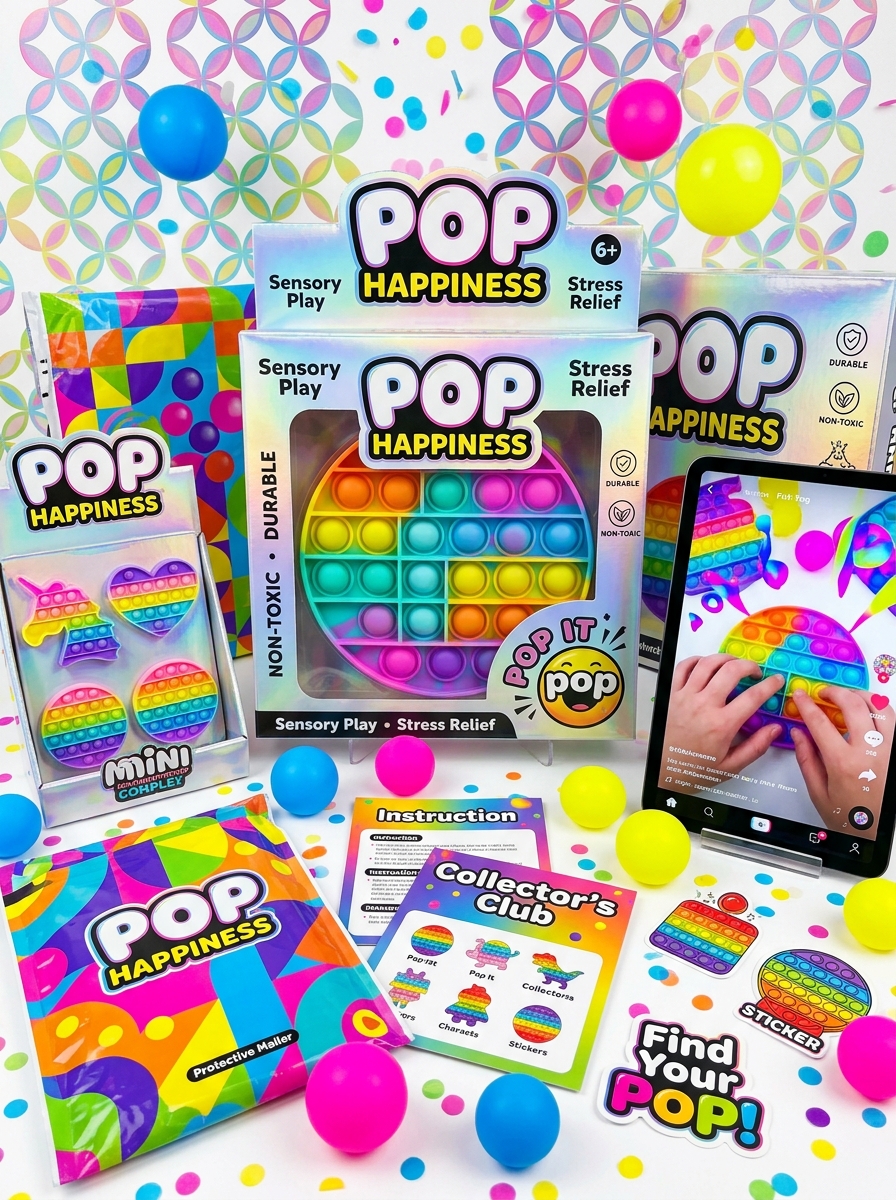
The evolution of sensory play has fundamentally transformed how manufacturers approach Pop It fidget toy packaging. Modern design now transcends basic protection, focusing on tactile storytelling and visual allure to captivate a diverse audience. Current trends emphasize vibrant, high-contrast color palettes and innovative window-patching techniques that invite immediate physical interaction before the box is even opened.
By integrating sustainable materials with ergonomic structural engineering, brands are redefining the unboxing journey to mirror the satisfying sensory experience of the toy itself. This shift toward aesthetic excellence combines minimalist geometry with playful maximalism, ensuring products stand out on crowded retail shelves. Understanding these core design principles-ranging from haptic feedback to color psychology-is essential for creating a bridge between functional utility and the emotional connection consumers seek in modern fidget toys.
The Evolution of Sensory Play Packaging Dynamics
The packaging for Pop It fidget toys has undergone a significant transformation, moving from basic polybags to sophisticated, experiential designs. As tactile stimulation toys surged in popularity, manufacturers recognized that sensory play begins at the point of purchase.
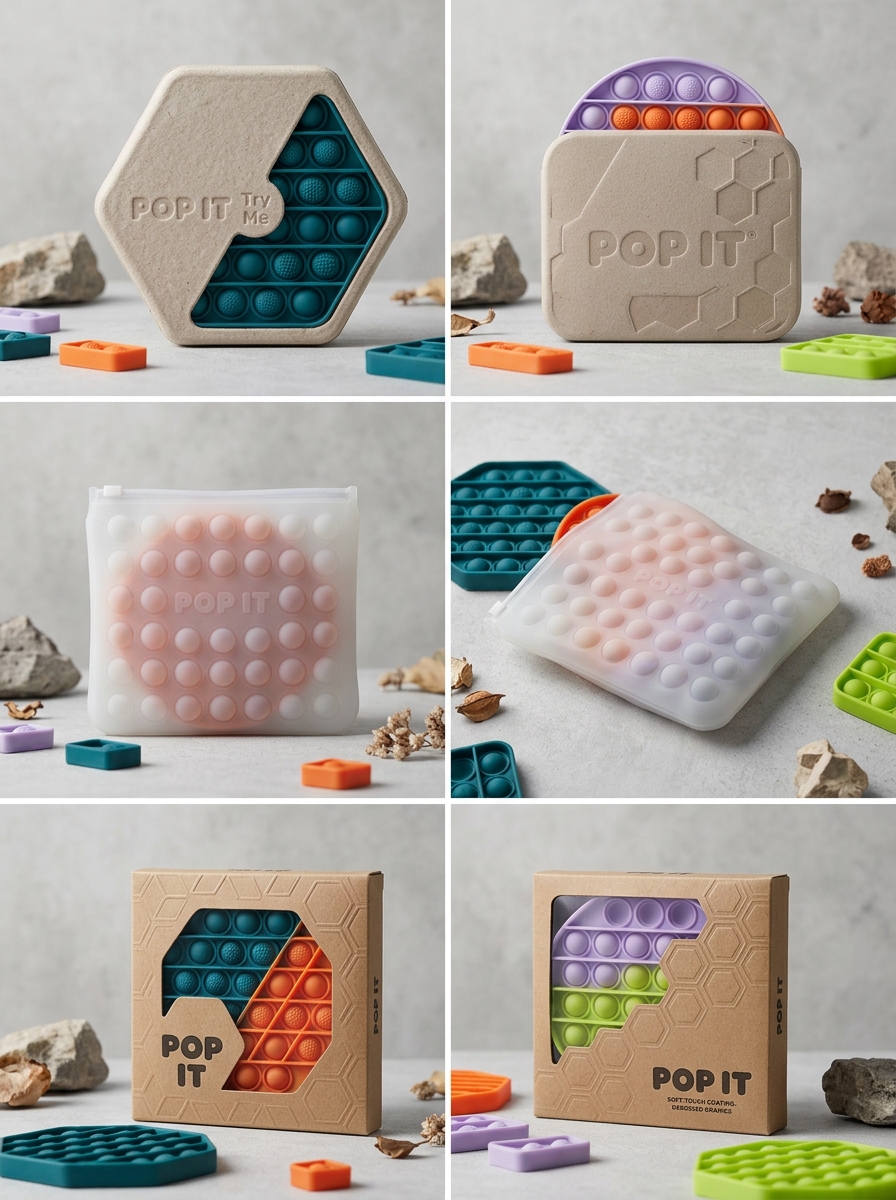
Modern packaging dynamics now emphasize tactile engagement through "Try Me" cutouts, allowing users to feel the silicone texture before unboxing. This evolution also reflects a shift toward sustainability, with brands adopting recyclable cardboard and eco-friendly inks to appeal to conscious consumers.
By integrating high-visibility window displays and vibrant, thematic graphics, the industry has turned a simple stress-relief tool into a premium retail experience. These advancements in packaging not only protect the product but also enhance brand identity and shelf presence in a highly competitive market.
Tactile Texture Integration and Material Innovation
Modern Pop It fidget toys represent a significant leap in sensory design through advanced tactile texture integration and material innovation. Manufacturers increasingly utilize high-grade, BPA-free food-grade silicone, ensuring a non-toxic, durable, and flexible user experience. This material evolution allows for consistent "pop" elasticity and long-term resilience against repetitive mechanical stress.
Beyond traditional smooth surfaces, new iterations feature embossed patterns, micro-ridges, and varied surface tensions to stimulate diverse neural pathways. These tactile enhancements provide crucial sensory feedback for individuals with ADHD, autism, or general anxiety. By prioritizing material science, these fidget tools offer improved hygiene-being fully washable-and enhanced ergonomic safety, transforming simple toys into sophisticated therapeutic instruments for tactile stimulation and stress management.
Vibrant Color Palettes and Psychological Visual Appeal
Pop It fidget toys utilize vibrant color palettes to maximize their sensory effectiveness. Often featuring rainbow gradients, neon hues, or soothing pastels, these toys leverage color psychology to influence mood and cognitive states. Bright, warm tones like yellow and orange are known to stimulate dopamine release and boost energy, while cool blues and greens promote relaxation and stress reduction.
The high-contrast designs provide immediate visual appeal, making them highly engaging for children and individuals with ADHD or sensory processing needs. By combining tactile "popping" feedback with intentional visual stimulation, Pop Its offer a multi-sensory experience. This strategic use of aesthetics ensures that the toys are not only functional tools for anxiety management but also visually satisfying objects that capture attention and provide a rhythmic sense of order through color coding.
Sustainable Solutions for Eco-Conscious Toy Branding
As environmental awareness grows, Pop It fidget toys are evolving through sustainable manufacturing practices. Leading brands now prioritize high-quality food-grade silicone, a non-toxic and durable material that offers a significantly longer lifecycle than traditional single-use plastics. This durability is key to reducing landfill waste, making these sensory tools a favorite for eco-conscious consumers.
To enhance green branding, companies are adopting minimalist, plastic-free packaging using recycled cardboard and biodegradable soy-based inks. By focusing on BPA-free materials and ethical production cycles, toy manufacturers can meet the increasing demand for safe, earth-friendly products. Implementing these sustainable solutions not only minimizes the environmental footprint but also strengthens brand loyalty among parents and educators who prioritize planetary health alongside stress relief and tactile development.
Interactive Unboxing Experiences and Playful Structural Design
Pop It fidget toys have redefined the sensory market through interactive unboxing experiences and sophisticated structural engineering. Manufacturers often utilize vibrant, multi-layered packaging or mystery "blind bags" to build anticipation, turning the initial reveal into a tactile event. This immediate engagement sets the stage for the toy's primary appeal: its physical architecture.
The playful structural design leverages high-grade, flexible silicone molded into diverse geometries-ranging from simple circular grids to complex, thematic shapes like animals or food items. Each bubble is engineered with specific wall thickness to ensure a consistent tactile "pop" and distinct auditory feedback. This reversible design allows for infinite play loops, making Pop Its both a durable tool for stress relief and a collectible design piece. By combining ergonomic shapes with mathematical patterns, these toys offer a satisfying rhythmic experience that begins the moment they are removed from the box.
Minimalist Geometric Aesthetics in Modern Fidget Marketing
Modern marketing for Pop It fidget toys has evolved beyond the toy aisle, embracing a minimalist geometric aesthetic that appeals to both children and design-conscious adults. By utilizing clean lines and symmetrical shapes-such as circles, squares, and octagons-brands position these silicone poppers as sophisticated lifestyle accessories rather than mere playthings.
This design shift focuses on visual harmony and tactile simplicity. High-contrast photography and monochromatic or pastel color palettes align these sensory tools with contemporary home and office decor trends. By emphasizing structural silhouettes, marketers highlight the product's role in stress relief and mindfulness. This strategic focus on "toy-as-decor" leverages the beauty of geometry to enhance social media shareability and broaden market reach, transforming a simple tactile experience into a trendy, essential wellness item.
Cross-Generational Design Strategies for Diverse Demographics
Pop It fidget toys have successfully transcended age barriers through intentional, inclusive design strategies. To engage children, manufacturers utilize vibrant primary colors and imaginative shapes that foster sensory play and early childhood development. These designs often incorporate educational elements, such as embossed letters or numbers, to combine play with learning.
For adults and professionals, the strategy shifts toward "fidget chic," featuring muted palettes, marble textures, and discreet, ergonomic forms that serve as office stress-relief tools. Furthermore, for seniors, these silicone devices are engineered to support fine motor skills and provide tactile stimulation essential for cognitive health and physical therapy.
By diversifying aesthetic appeal and functional utility, Pop It designs ensure accessibility, making them a universal solution for anxiety management and tactile engagement across all life stages.
Typography and Graphic Consistency for Maximum Shelf Impact
In the competitive market of Pop It fidget toys, visual presentation is key to capturing consumer attention. Utilizing bold, rounded typography mirrors the tactile nature of the silicone bubbles, creating a playful and approachable brand identity. Graphic consistency across packaging ensures that vibrant color palettes and logo placements remain uniform, which is essential for building brand recognition on crowded retail shelves.
To achieve maximum shelf impact, designers should focus on high-contrast lettering that remains legible from a distance. Integrating energetic imagery that reflects the "popping" action reinforces the product's sensory appeal. By maintaining a cohesive design language, manufacturers can distinguish premium sensory toys from generic alternatives, fostering consumer trust and driving impulse purchases through professional, synchronized visual storytelling.
Functional Utility and Reusable Storage Container Systems
Pop It fidget toys provide significant functional utility by serving as effective tools for sensory regulation and cognitive focus. These durable silicone devices facilitate stress relief through repetitive tactile engagement, making them essential for both neurodivergent individuals and those seeking anxiety reduction.
To enhance the lifespan of these sensory tools, implementing reusable storage container systems is vital. Specialized organizational cases protect the flexible material from environmental debris while ensuring portability. Modular bins and custom-fit containers allow users to categorize collections by shape, size, or resistance level. By utilizing structured storage solutions, enthusiasts maintain a hygienic environment for their tactile aids, ensuring these versatile bubble-popping toys remain organized and ready for therapeutic use in any setting.
Future Directions in Augmented Reality and Smart Packaging
The evolution of Pop It fidget toys is expanding into the digital realm through Augmented Reality (AR). Future developments include interactive packaging that, when scanned, unlocks exclusive mobile games or rhythmic sensory soundscapes, enhancing the tactile experience. This digital layer transforms simple silicone bubbles into comprehensive entertainment hubs.
Simultaneously, smart packaging technology is set to revolutionize product authenticity. By integrating NFC tags or unique QR codes, manufacturers can offer instant verification to combat counterfeit goods. These smart features also allow users to track collection milestones and access digital community challenges. As the industry matures, the fusion of physical sensory play and smart technology ensures that fidget toys remain engaging and secure for a tech-savvy generation.
Leave a comment