
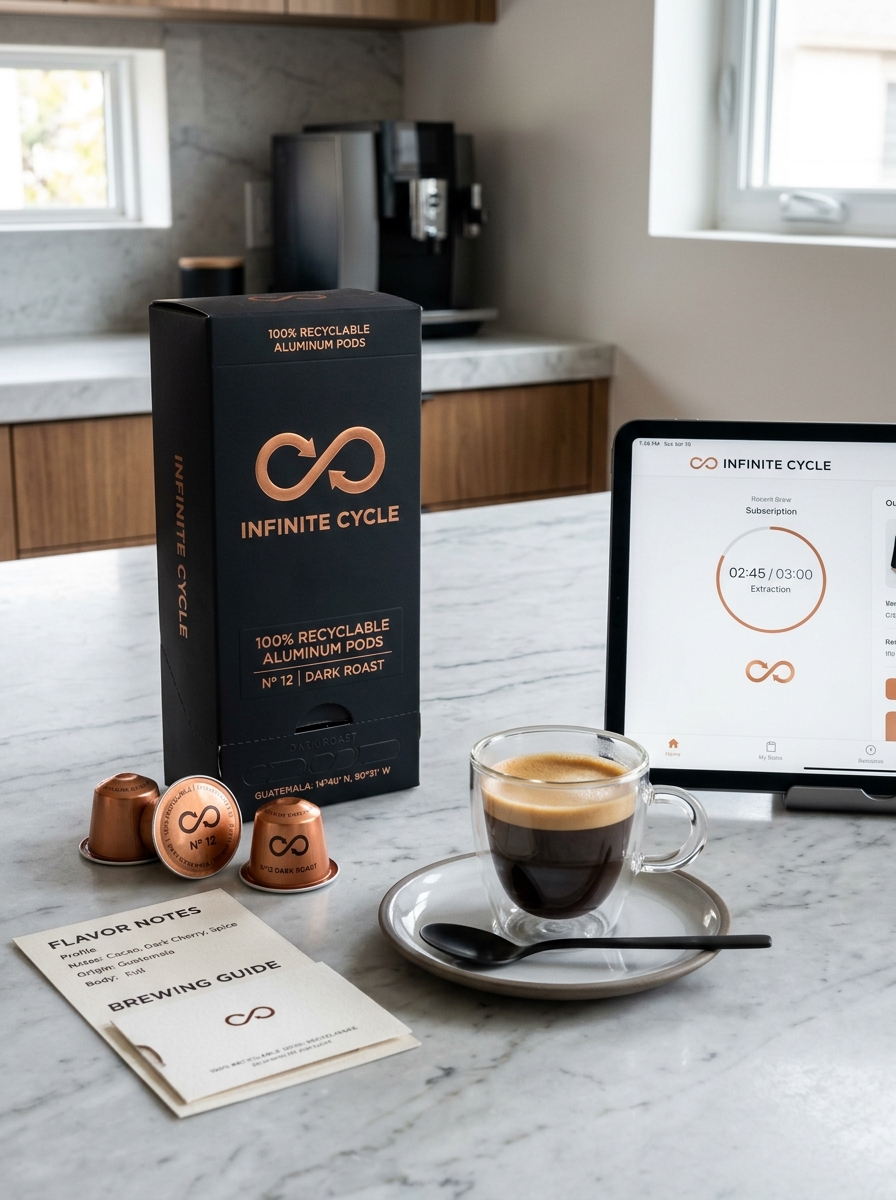
As third-wave coffee culture integrates into the single-serve market, the visual and tactile presentation of capsules has become a pivotal differentiator for premium roasters. Mastering specialty coffee pod packaging design requires a sophisticated fusion of functional preservation and high-end aesthetics. To resonate with discerning consumers, brands must move beyond generic templates, embracing minimalist typography, sustainable substrates, and cohesive color stories that reflect the beans' unique origin and roast profile.
Effective branding in this niche market hinges on creating an immediate emotional connection. By leveraging strategic design elements-such as haptic finishes and narrative-driven graphics-roasters transform a simple daily ritual into an artisanal experience. This exploration delves into the essential aesthetics and branding concepts necessary to elevate shelf appeal and establish a lasting presence in the evolving landscape of premium home brewing.
The Evolution of Specialty Coffee Pod Aesthetics
The visual landscape of specialty coffee pods has undergone a significant transformation, moving from generic plastic containers to sophisticated, artisan packaging. Initially, coffee capsules prioritized utility and convenience. However, as the third-wave coffee movement embraced the pod format, aesthetics evolved to mirror the premium quality of the beans inside.
Modern specialty pods often feature minimalist branding, matte finishes, and vibrant color palettes that signal specific origins and flavor profiles. Material innovation has also played a crucial role; sleek, recyclable aluminum and compostable bioplastics have replaced dull polymers, offering a tactile experience that resonates with eco-conscious consumers. This shift in design ensures that the ritual of brewing a quick cup remains a luxury experience, aligning visual appeal with the rigorous ethical standards of the specialty coffee industry.
Defining Your Brand Identity for the Premium Capsule Market
To excel in the specialty coffee pod sector, your brand identity must transcend basic convenience. Premium consumers seek a narrative that bridges artisanal quality with single-serve accessibility. Defining your identity involves articulating a clear value proposition centered on sourcing transparency, roast precision, and ethical responsibility.
Successful brands in this niche focus on three semantic pillars:
- Provenance: Highlighting single-origin beans and high cupping scores.
- Sustainability: Utilizing compostable materials or plastic-free packaging to align with eco-conscious values.
- Sensory Experience: Using descriptive language that mirrors the complexity of traditional brewing.
By aligning your visual aesthetic with the sophisticated flavor profiles of your premium capsules, you establish emotional resonance. A well-defined identity ensures your product is perceived as a boutique luxury, securing brand loyalty in a competitive global market.
Sustainable Materials and Eco-Friendly Packaging Solutions
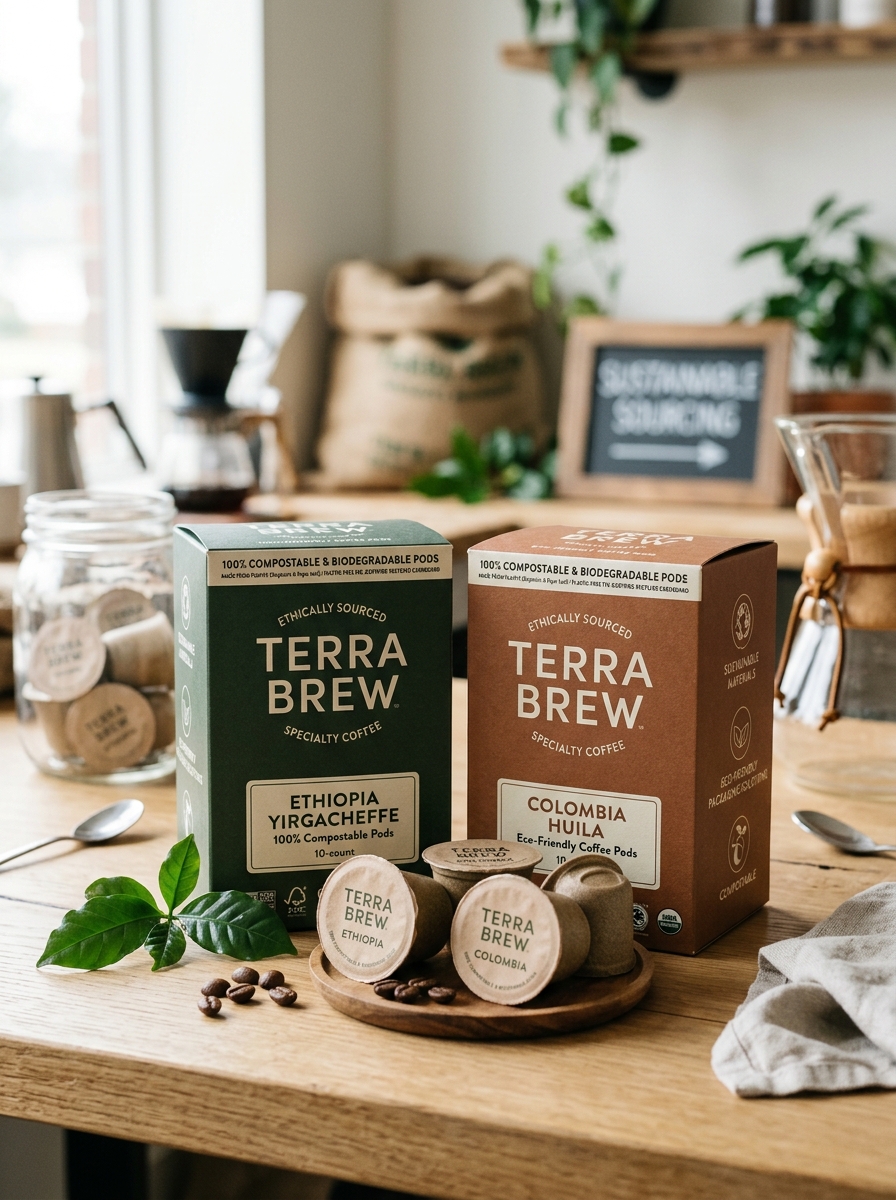
The evolution of specialty coffee pods focuses heavily on reducing environmental impact through innovative, eco-friendly packaging. To combat waste, many specialty roasters are transitioning from traditional plastics to compostable coffee pods. These capsules are often made from plant-based materials like sugarcane or cornstarch, designed to break down in industrial composting facilities without leaving microplastics behind.
For brands prioritizing recyclability, aluminum coffee pods remain a top choice due to their infinite recyclability and superior oxygen barrier, which preserves the complex flavor profiles of premium beans. By implementing biodegradable materials and circular economy initiatives, the specialty coffee industry ensures that convenience does not come at the cost of the planet. Choosing these sustainable solutions allows consumers to enjoy high-quality extractions while supporting carbon-neutral manufacturing and plastic-free waste management practices.
Visual Storytelling Through Color and Typography
In the competitive market of specialty coffee pods, visual storytelling serves as a vital bridge between convenience and gourmet quality. Brands strategically utilize color palettes to communicate flavor profiles and origin stories at a glance. For example, deep earthy tones often signify bold, single-origin dark roasts, while vibrant, citrusy hues suggest high acidity and floral notes.
Complementing color, typography refines the brand narrative. Clean, minimalist sans-serif fonts reflect modern innovation and precision, whereas classic serifs evoke heritage and artisanal craftsmanship. Together, these design elements create a sensory expectation, allowing consumers to perceive the complexity of the coffee before the brewing process begins. This cohesive visual identity ensures that premium espresso capsules are recognized as a curated experience rather than a mere commodity.
Communicating Origin and Flavor Profiles on Small Surfaces
Specialty coffee pods face a unique design challenge: conveying complex origin data and sensory profiles within extremely limited dimensions. To overcome space constraints, roasters employ minimalist typography and strategic iconography. Instead of verbose descriptions, brands often utilize color-coded systems to indicate roast intensity and concise descriptors such as "citrus acidity" or "velvety body."
Smart packaging solutions, like QR codes, bridge the gap by linking consumers to detailed farm-level traceability and processing methods. By prioritizing hierarchical information design, specialty brands ensure that single-origin transparency remains intact. This strategic approach transforms small lids and boxes into potent tools for education, allowing the nuance of the third-wave coffee movement to thrive in a convenient, compact format.
The Role of Minimalism in Luxury Coffee Branding
In the competitive market for specialty coffee pods, minimalism serves as a visual shorthand for quality and exclusivity. By stripping away unnecessary clutter, luxury brands use clean lines and muted palettes to signal a "less is more" philosophy. This strategic design shift focuses the consumer's attention on the purity of the bean's origin and the precision of the roasting process.
Minimalist packaging communicates a premium brand identity through sophisticated typography and negative space. This aesthetic choice suggests that the coffee's complexity is found within the cup rather than on the label. For discerning consumers, a minimalist approach reflects environmental consciousness and modern elegance, transforming a simple caffeine fix into a refined sensory ritual. Ultimately, minimalism elevates specialty capsules from a commodity to a high-end lifestyle product.
Enhancing the Consumer Unboxing Experience
In the competitive specialty coffee pod market, the unboxing experience serves as a vital brand differentiator. It transforms a routine delivery into a premium sensory ritual, reinforcing the quality of the artisanal brew inside.
To maximize consumer engagement, brands should focus on several key semantic elements:
- Sustainable Materials: Using compostable or recyclable packaging aligns with the ethical values of specialty coffee enthusiasts.
- Origin Storytelling: Including inserts that detail farm locations, altitude, and processing methods connects the drinker to the source.
- Tactile Design: Premium textures and minimalist aesthetics elevate the perceived value of the capsules.
A well-curated unboxing journey not only justifies the premium price point but also encourages social media sharing, fostering brand loyalty and turning a daily caffeine habit into an immersive lifestyle experience.
Tactile Finishes and Premium Structural Design
Specialty coffee pods leverage sophisticated tactile finishes and premium structural design to elevate the consumer experience. Beyond aesthetics, textures like matte coatings or embossed detailing provide a non-slip grip and reinforce the brand's luxury positioning through sensory engagement.
Structurally, high-grade materials-such as oxygen-barrier aluminum or reinforced compostable bioplastics-ensure hermetic seals that protect delicate volatile aromatics. This precision engineering prevents oxidation, maintaining the integrity of single-origin beans and complex roast profiles.
By integrating sensory-rich finishes with robust mechanical design, manufacturers ensure the pod remains durable during high-pressure extraction. These design choices are essential for preserving coffee freshness and delivering a multisensory ritual that mirrors the quality of professional artisanal brewing.
Balancing Functional Protection with Artistic Expression
In the realm of specialty coffee pods, packaging serves a dual purpose: preserving delicate flavor profiles and communicating brand heritage. To maintain the integrity of single-origin beans, functional protection is essential. High-performance oxygen barriers and light-blocking materials prevent oxidation, ensuring that the volatile aromatics and nuanced tasting notes remain intact until the moment of extraction.
Simultaneously, artistic expression transforms the pod from a mere utility into a premium experience. Roasters utilize sophisticated typography, vibrant color palettes, and tactile finishes to reflect the coffee's unique terroir. This visual storytelling creates an emotional connection with the consumer. By harmonizing rigorous technical standards with creative design, specialty coffee brands deliver a product that is both structurally superior and aesthetically compelling, elevating the daily brewing ritual into a curated sensory journey.
Future Trends in Specialty Coffee Pod Packaging
The future of specialty coffee pod packaging is defined by the intersection of sustainability and sensory preservation. As eco-conscious consumerism rises, the industry is shifting away from single-use plastics toward home-compostable materials and high-grade recyclable aluminum.
Key innovations include advanced oxygen barrier technologies that lock in volatile aromatics and delicate flavor profiles without the need for synthetic liners. We are also seeing a move toward a circular economy, featuring carbon-neutral manufacturing and plastic-free outer boxes.
Emerging trends also highlight smart packaging, such as QR codes for origin traceability and precise brewing instructions. These advancements ensure that the convenience of single-serve brewing finally aligns with the high standards of the specialty coffee movement and environmental responsibility.
Leave a comment