
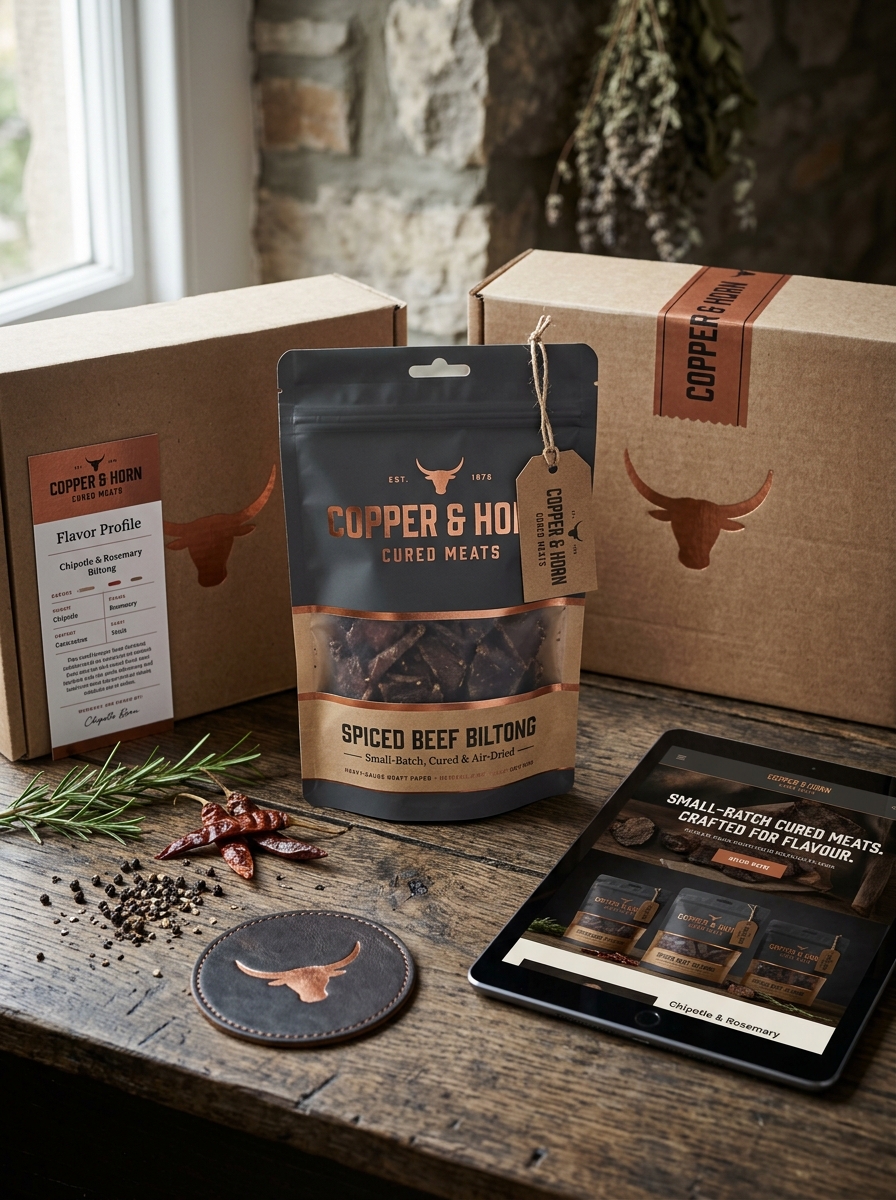
Elevating high-protein snacks to a gourmet experience requires more than just superior ingredients; it demands a visual identity that resonates with discerning consumers. Artisan beef jerky packaging serves as the vital bridge between traditional craftsmanship and modern luxury branding. By implementing intentional design principles, producers can transform a rustic snack into a sophisticated lifestyle product that justifies a premium price point.
To achieve an elite aesthetic, brands must focus on tactile materials and minimalist visual storytelling. Utilizing earth-toned palettes, matte finishes, and bespoke typography signals authenticity and small-batch heritage. This strategic approach to packaging ensures that the structural integrity and sensory appeal of the container reflect the high-quality, cured meat within. Mastering these aesthetic elements is essential for any brand aiming to establish a lasting presence in the specialty food market through thoughtful, premium presentation.
The Rise of Artisan Beef Jerky in the Premium Market
The snack industry is witnessing a significant shift as artisan beef jerky evolves from a convenience store staple into a high-end culinary experience. This surge in the premium market is driven by a growing consumer demand for high-quality, protein-rich snacks that prioritize ingredient transparency and health.
Unlike mass-produced products, craft beef jerky focuses on small-batch production, often utilizing grass-fed beef and organic seasonings. These gourmet snacks appeal to health-conscious consumers seeking "clean label" ingredients free from artificial nitrates or high-fructose corn syrup. With sophisticated flavor profiles and superior textures, artisan brands are successfully redefining the category, positioning jerky as a sophisticated, nutrient-dense choice for fitness enthusiasts and foodies alike.
Defining Brand Identity Through Gourmet Visual Standards
In the competitive market of artisan beef jerky, establishing a distinct brand identity relies heavily on high-end visual standards. Unlike mass-produced snacks, artisanal jerky must communicate premium quality and handcrafted care through every visual touchpoint. This involves using sophisticated packaging designs, rustic color palettes, and professional food photography that highlights the natural texture and marbling of the meat.
By utilizing minimalist typography and transparent elements that showcase the small-batch nature of the product, brands can effectively signal authenticity to discerning consumers. These gourmet visual cues serve to justify a premium price point and position the jerky as a refined culinary experience rather than a basic convenience item. Strategic visual storytelling reinforces brand authority, ensuring that the product stands out in the specialty high-protein snack industry.
Material Selection and the Tactile Experience of Quality
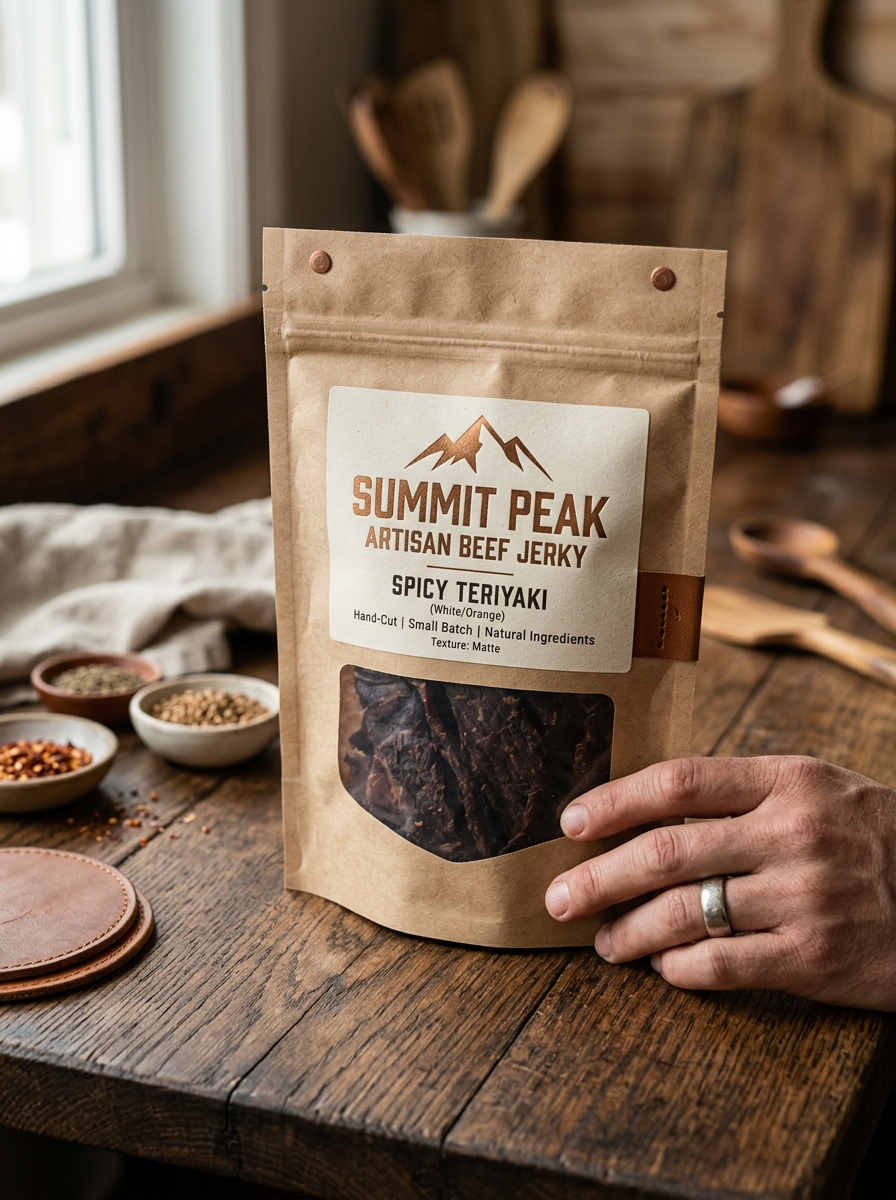
The foundation of artisan beef jerky lies in meticulous material selection. Unlike mass-produced snacks, premium jerky utilizes whole-muscle cuts-such as grass-fed flank or eye of round-to ensure a superior tactile experience. The physical integrity of the meat provides a natural fiber structure that dictates the final mouthfeel.
Quality is felt through the "snap" and "chew" of the product. Hand-trimming removes excess fat, preventing a greasy residue and highlighting the dense, complex grain of the beef. Whether sliced with or against the grain, the precise preparation of high-quality raw materials results in a texture that is both firm and tender. This sensory engagement serves as a hallmark of authenticity, allowing consumers to distinguish the artisanal craft through the physical density and structural complexity of the beef.
Color Theory for Evoking Sophisticated Flavor Profiles
In the competitive world of artisan beef jerky, visual cues are essential for communicating complex taste notes. Color theory serves as a silent language that prepares the palate for a gourmet experience. Deep, mahogany tones and rich burgundies suggest a meticulous slow-smoking process and the robust essence of premium, aged beef.
To evoke sophisticated profiles like truffle, cracked black pepper, or balsamic reductions, producers utilize a palette of earthy neutrals and midnight hues. These colors signal "umami" richness and depth, contrasting with the artificial, vibrant oranges of mass-market snacks. By integrating muted gold or forest greens, brands highlight organic ingredients and artisanal craftsmanship. This strategic application of color ensures the visual identity is as refined as the jerky's savory complexity, aligning consumer expectations with high-end culinary quality.
Typography Trends for High End Meat Snack Brands
In the competitive artisan beef jerky market, typography serves as a visual shorthand for quality and heritage. High-end brands are pivoting away from generic industrial fonts toward bespoke hand-lettering and bold, vintage serifs that evoke a sense of tradition and craftsmanship.
- Vintage Woodblock: Captures an authentic, rustic aesthetic reminiscent of traditional smokehouses.
- Minimalist Sans-Serifs: Communicates modern luxury, clean labels, and ingredient transparency.
- Textured Typefaces: Distressed finishes suggest small-batch production and a "human touch" in the curing process.
Effective typography balances legibility with personality. By utilizing high-contrast layouts and sophisticated font pairings, artisanal jerky brands establish immediate trust and command a premium price point. Selecting type that mirrors the rugged yet refined nature of the product is essential for capturing the discerning gourmet consumer.
The Impact of Minimalism on Luxury Jerky Packaging
In the evolving market of artisan beef jerky, minimalism has become a hallmark of luxury. By moving away from the loud, cluttered aesthetics of mass-produced snacks, premium brands utilize clean typography and monochromatic palettes to signal superior quality. This "less is more" design philosophy emphasizes the transparency of ingredients and the authentic, small-batch nature of the product.
High-end packaging often incorporates matte finishes and sustainable materials, appealing to discerning consumers who value both nutritional density and sophisticated branding. Ultimately, minimalist packaging acts as a visual shorthand for excellence. It strips away distractions to highlight artisanal craftsmanship, effectively positioning high-protein jerky as a gourmet delicacy rather than a mere convenience store staple.
Strategic Information Hierarchy and Product Transparency
In the premium artisan beef jerky market, establishing a strategic information hierarchy is essential for converting discerning consumers. This framework prioritizes high-value data-such as grass-fed beef sourcing and traditional smokehouse methods-at the forefront of the brand narrative. By emphasizing product transparency, makers provide clear insights into ingredient origins, wood-fire drying techniques, and the exclusion of synthetic nitrates.
An effective hierarchy ensures that critical quality indicators, including small-batch processing and regional flavor profiles, are immediately accessible. This transparency bridges the gap between the artisan and the health-conscious snacker, justifying premium price points through verified clean-label standards. By logically organizing nutritional integrity and ethical sourcing details, jerky brands foster deep consumer trust and authoritative positioning within the competitive gourmet snack industry.
Incorporating Heritage and Storytelling in Graphic Design
For artisan beef jerky brands, graphic design serves as a vital bridge between traditional craftsmanship and the modern consumer. By weaving heritage and storytelling into packaging, designers create an emotional connection that justifies a premium price point. This is often achieved through vintage-inspired typography, weathered textures, and custom illustrations that evoke a "farm-to-table" or "rugged frontier" narrative.
Incorporating elements like family founding dates, regional origins, or ancestral smoking methods into the visual identity builds immediate brand authenticity. Utilizing earthy color palettes-such as deep ochre, charcoal, and forest green-reinforces the natural, small-batch quality of the meat. Ultimately, effective visual storytelling transforms a simple snack into a rich cultural experience, successfully differentiating craft products from mass-produced alternatives.
Sustainability as a Core Pillar of Premium Aesthetics
In the realm of artisan beef jerky, premium aesthetics are defined by more than just visual appeal; they are rooted in ethical responsibility. Sustainability has emerged as a critical design element, where eco-conscious packaging and mindful sourcing reflect a brand's commitment to quality.
Modern consumers associate luxury with transparency. Utilizing recyclable materials and minimalist, earth-toned palettes communicates a sophisticated narrative of environmental stewardship. By prioritizing grass-fed cattle and regenerative farming, artisanal producers ensure that the product's origin is as refined as its flavor profile.
This synergy between "green" practices and high-end presentation creates a holistic experience. When sustainability is integrated into the brand identity, it elevates the jerky from a simple snack to a conscious luxury, proving that true elegance is inherently sustainable.
Future Proofing Jerky Packaging for the Modern Consumer
Modern consumers demand more than just high-quality artisan beef jerky; they require sustainable, functional, and transparent packaging. Future-proofing your brand involves transitioning to eco-friendly materials, such as compostable pouches or recyclable mono-materials, without compromising product integrity.
Advanced high-barrier films are essential for maintaining the tender texture and bold flavor profiles of craft jerky by effectively blocking moisture and oxygen. Furthermore, integrating smart technology like QR codes provides farm-to-table transparency, satisfying the information needs of health-conscious shoppers.
Reliable resealable closures cater to active, on-the-go lifestyles, ensuring artisanal freshness long after the first bite. By balancing environmental responsibility with innovative preservation techniques, premium jerky producers can meet evolving market expectations and secure long-term brand loyalty in a competitive landscape.
Leave a comment