
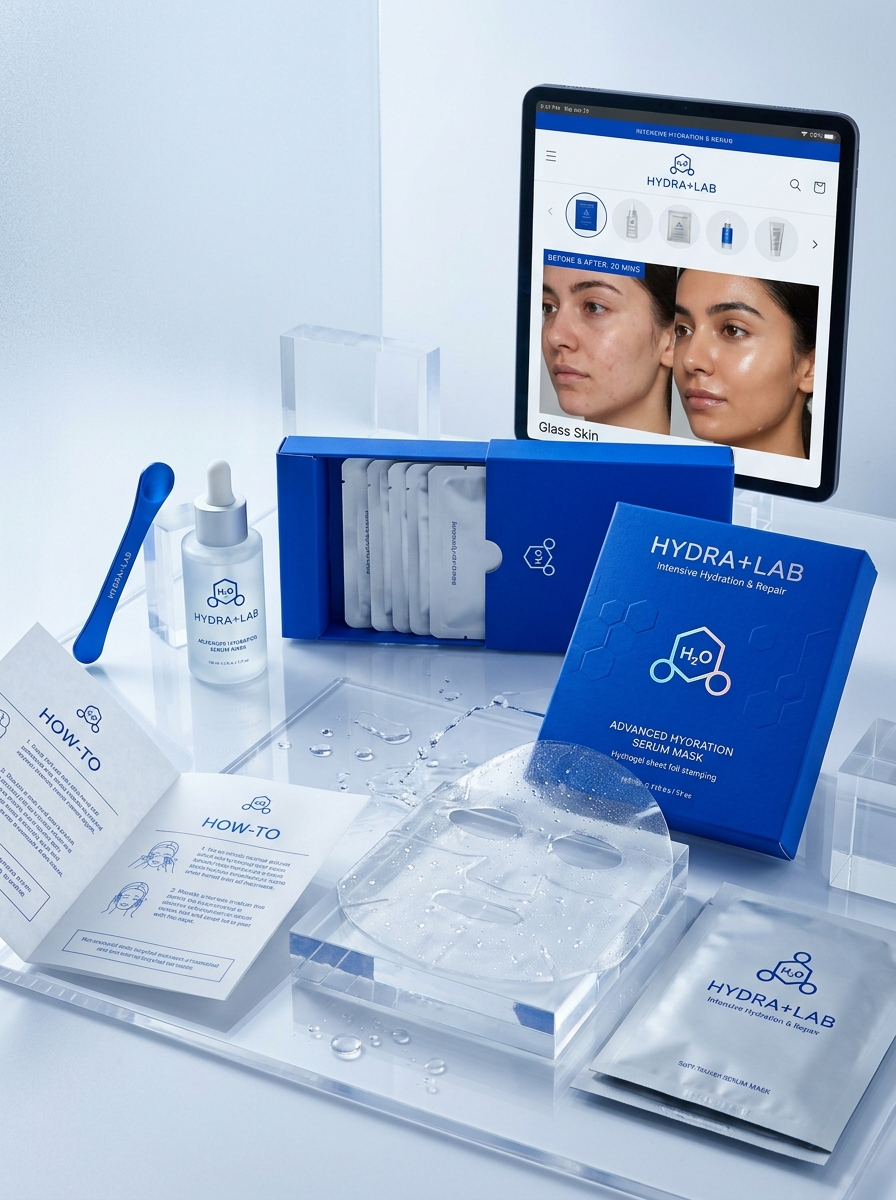
Sheet mask packaging serves as the primary touchpoint between a skincare brand and its audience, demanding a perfect harmony of functionality and visual allure. Mastering this niche requires a deep understanding of aesthetic principles and visual storytelling that convey both product efficacy and brand identity.
From the psychological impact of color palettes to the tactical choice of sustainable materials, every design element plays a crucial role in the consumer's self-care journey. This exploration into sheet mask design covers essential concepts such as minimalist typography, strategic imagery, and innovative sachet structures. By blending artistic creativity with market-driven psychology, designers can elevate standard packaging into a compelling brand experience that captures attention and fosters long-term consumer loyalty within the evolving skincare industry.
The Evolution of Modern Sheet Mask Aesthetics
The evolution of modern sheet mask aesthetics reflects a significant shift from basic hydration to advanced dermatological delivery systems. Initially popularized in Korean beauty rituals, early designs primarily utilized simple cotton fabrics. Today, the aesthetic is defined by high-performance materials like hydrogel, biocellulose, and foil-backed membranes designed for a "second-skin" fit.
These innovations prioritize both skincare efficacy and visual appeal. Contemporary masks often feature holographic finishes, intricate prints, and shimmering textures, transforming a functional treatment into a photogenic, sensorial wellness experience. By merging potent active ingredients-such as hyaluronic acid and peptides-with premium, tactile designs, the industry has successfully fused clinical-grade results with luxury self-care. This progression highlights a broader movement toward bio-compatible technology that is as visually engaging as it is restorative.
Defining Brand Identity Through Color Psychology
In the competitive sheet mask market, color psychology is a vital tool for establishing brand identity and communicating product efficacy. Brands strategically select color palettes to trigger specific emotional responses and denote skin benefits. For example, cool blues are universally recognized for deep hydration and moisture, while earthy greens signal soothing botanical ingredients like Centella Asiatica or tea tree.
Bright, vibrant hues like pink and orange often represent brightening agents and Vitamin C, appealing to consumers seeking radiance. Conversely, minimalist white or clinical silver packaging reinforces a sense of dermatological authority and purity. By aligning visual aesthetics with functional expectations, sheet mask brands create a powerful visual shorthand. This strategic use of color not only differentiates products on a shelf but also builds consumer trust and enhances the overall sensory experience of skincare.
Typography Selection for Luxury and Legibility
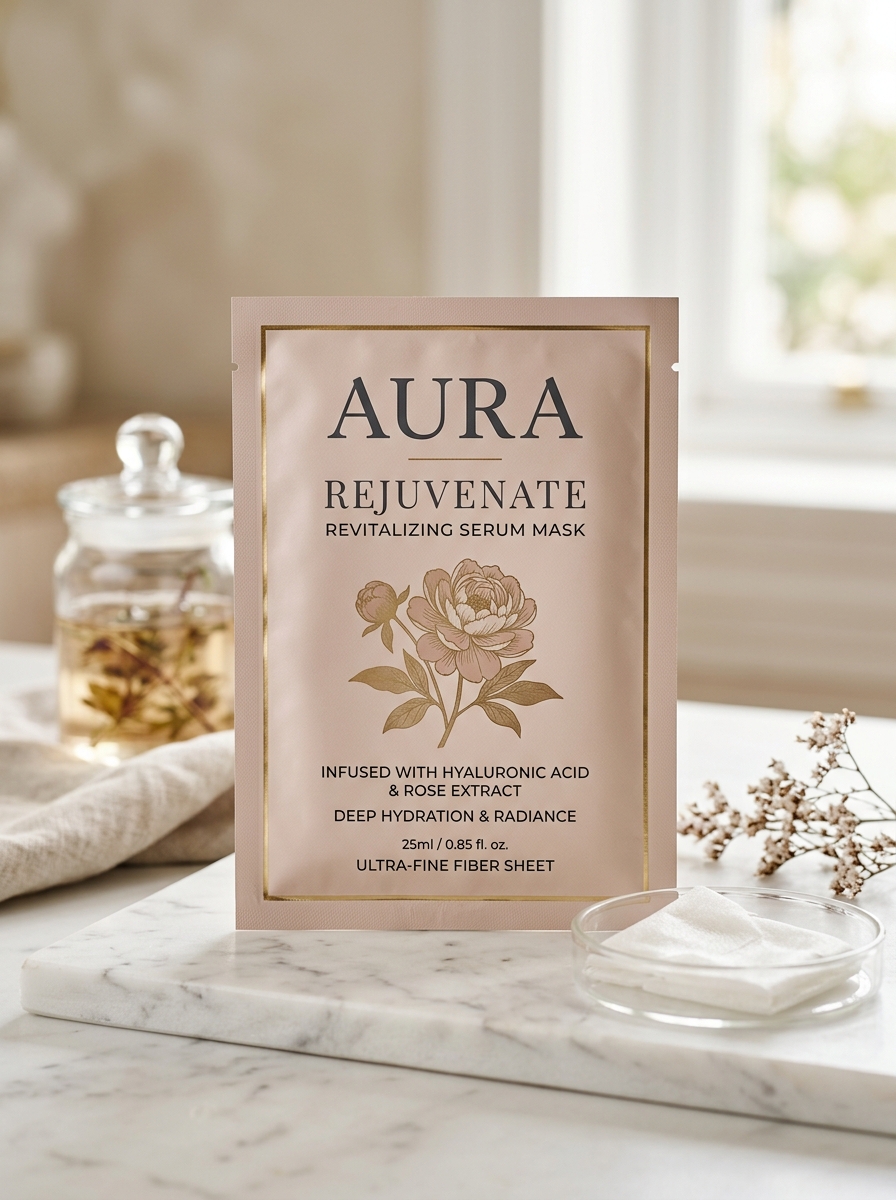
For premium sheet mask packaging, typography serves as a bridge between brand identity and consumer trust. To evoke a luxury aesthetic, designers often select elegant serif fonts or minimalist sans-serifs with generous kerning. These styles communicate sophistication and clinical efficacy, mirroring the high-quality ingredients within the mask.
Prioritizing legibility is equally vital, as consumers must easily navigate ingredient lists and usage instructions. Utilizing a clear typographic hierarchy ensures that key benefits-such as "Hyaluronic Acid" or "Brightening"-stand out. High-contrast typefaces and optimal line spacing prevent visual clutter on compact packaging. By balancing refined styling with readable weights, brands can project an image of professional skincare authority while ensuring a seamless, user-friendly experience for the customer.
The Impact of Material Textures and Finishes
The efficacy of a sheet mask is heavily dictated by its material texture and surface finish. These physical properties determine how effectively the skin absorbs active ingredients. For instance, biocellulose and hydrogel textures provide a superior occlusive barrier, locking in moisture and pushing serums deeper into the dermis compared to traditional non-woven fibers.
Furthermore, specialized finishes like embossed patterns increase the mask's surface area, allowing it to hold a higher concentration of essence without dripping. Smooth finishes prioritize maximum skin contact and adherence, ensuring that every facial contour receives equal treatment. By optimizing these textures, sheet masks enhance nutrient delivery, minimize evaporation, and provide a tailored sensory experience that improves overall skincare results.
Visual Storytelling with Illustrative Graphic Elements
In the competitive skincare market, sheet mask packaging utilizes visual storytelling to communicate product benefits instantly. Illustrative graphic elements-such as hand-drawn botanicals, vibrant watercolor splashes, and sleek ingredient icons-create an emotional connection with consumers. These artistic details highlight key components like hyaluronic acid, vitamin C, or calming aloe vera, guiding the user's sensory expectations before the package is even opened.
By blending aesthetic appeal with functional information, brands use custom illustrations to simplify complex skincare science. This visual narrative not only strengthens brand identity but also enhances the unboxing experience, making the self-care ritual more engaging. Effective graphic storytelling transforms a simple facial treatment into a premium wellness journey, ensuring the product stands out on both retail shelves and digital storefronts through compelling, high-contrast design.
Balancing Minimalist Design with Functional Information
In the competitive sheet mask market, packaging must achieve a harmony between minimalist aesthetics and essential consumer data. A clean, uncluttered design reflects brand purity and modern sophistication, helping products stand out on crowded retail shelves.
However, functional clarity is vital for safety and efficacy. High-performance sheet mask labels prioritize a clear information hierarchy, ensuring that key active ingredients, skin-type suitability, and precise usage instructions are immediately legible. Utilizing intuitive icons for application time and step-by-step graphics allows brands to maintain a sleek look without sacrificing transparency.
By integrating strategic white space with bold, semantic typography, manufacturers provide a seamless user experience. This balance ensures that the consumer feels both visually inspired and fully informed about the skincare benefits they are applying to their skin.
Incorporating High-Quality Ingredient Imagery
In the digital skincare marketplace, high-quality ingredient imagery is essential for communicating the efficacy and premium nature of sheet masks. Since consumers cannot feel the serum or smell the essence online, high-resolution visuals of botanical extracts, such as Aloe Vera, Green Tea, or Mugwort, bridge the gap between scientific formulas and natural results.
To optimize your sheet mask content semantically, consider the following:
- Macro Photography: Highlights the purity and freshness of raw actives like Hyaluronic Acid or Vitamin C.
- Semantic Alt Tags: Using descriptive text for images improves SEO rankings for specific skin concerns like "deep hydration" or "soothing redness."
- Brand Transparency: Visualizing ingredients builds consumer trust by validating "clean beauty" claims.
Vibrant, professional imagery transforms a simple skincare product into a tangible sensory experience, significantly boosting conversion rates and user engagement.
Prioritizing Sustainable and Eco-Conscious Packaging Solutions
As the demand for skincare rises, the beauty industry is pivoting toward sustainable sheet mask packaging to mitigate environmental impact. Traditional single-use masks often generate significant waste through non-recyclable foil pouches and plastic backings. To combat this, eco-conscious brands are adopting greener alternatives.
- Biodegradable Materials: Masks crafted from compostable fibers like bamboo, wood pulp, or biocellulose.
- Recyclable Outer Shells: Transitioning from multi-layer foils to mono-material plastics or FSC-certified paper.
- Reduced Waste: Eliminating unnecessary plastic liners within the mask folds to lower the carbon footprint.
By prioritizing eco-friendly sheet masks, consumers can enjoy intensive hydration while supporting ethical manufacturing. Investing in circular economy practices helps reduce the ecological footprint of daily beauty rituals without compromising on product efficacy or skin health.
The Role of Tactile Sensation in Consumer Perception
In the sheet mask industry, tactile sensation serves as a critical benchmark for product quality and perceived efficacy. The physical "skin-feel"-determined by fabric texture, material weight, and serum viscosity-immediately shapes a consumer's psychological response. Premium materials like bio-cellulose or hydrogel provide superior adherence and a "second-skin" effect, which users often correlate with professional-grade treatment and better ingredient absorption.
A mask that feels plush, cooling, and securely contoured to the face triggers positive sensory feedback, reinforcing the perception of intense hydration. Conversely, poor haptic quality, such as a scratchy fiber or dripping consistency, can diminish the perceived value of the formula. By optimizing these sensory aesthetics, brands can enhance the overall user experience, driving consumer satisfaction and long-term loyalty in a crowded skincare market.
Emerging Trends Reshaping Future Mask Designs
The sheet mask industry is undergoing a significant transformation driven by technological innovation and environmental consciousness. Current trends are moving toward sustainable materials, with biodegradable substrates like bamboo, seaweed fibers, and organic cotton replacing synthetic plastics to meet eco-friendly consumer demands.
Technological advancements are also introducing personalization through 3D-printed masks tailored to unique facial contours and AI-driven ingredient selection. Furthermore, the integration of high-tech fabrics, such as biocellulose and graphene, enhances the delivery of active ingredients by ensuring superior skin adhesion and conductivity.
- Eco-Innovation: Focus on compostable and waterless formulations.
- Smart Skincare: Masks designed for use with LED therapy and microcurrent devices.
- Hybrid Benefits: Multi-functional designs targeting anti-pollution and blue-light protection.
These emerging shifts prioritize efficacy and customization, ensuring future designs offer a more sophisticated, results-oriented skincare experience.
Leave a comment