
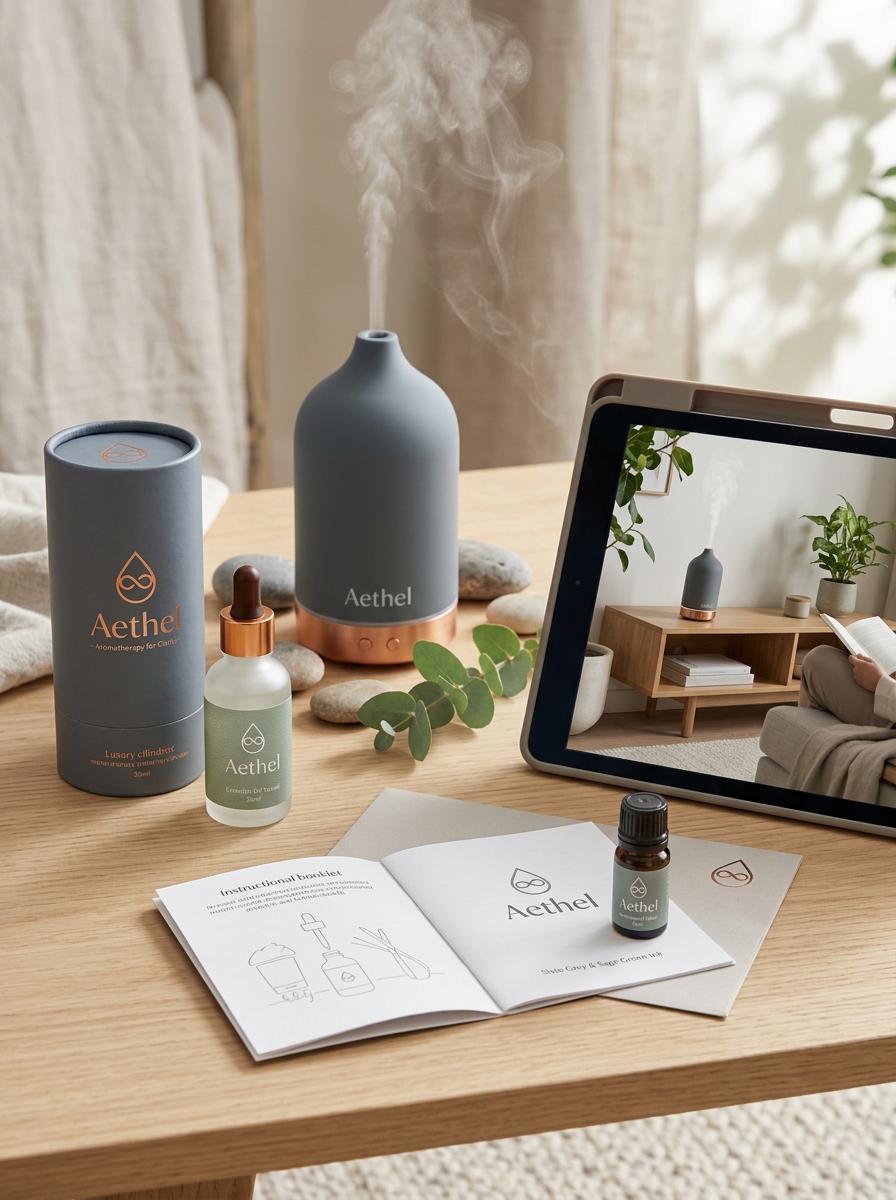
Establishing a profound connection between a wellness product and its user begins long before the device is activated. Essential oil diffuser packaging serves as the primary touchpoint for brand identity, blending structural innovation with aesthetic principles to create a lasting first impression. As consumers increasingly seek tranquility and mindfulness, the exterior presentation must mirror the sensory harmony found within the product itself.
This exploration into advanced design concepts delves into the strategic use of minimalist typography, sustainable materials, and sensory-driven textures. By prioritizing visual storytelling and functional elegance, brands can transform standard containers into luxury artifacts. Mastering these elements ensures that every unboxing experience reinforces the therapeutic promise of aromatherapy, positioning your product as an essential centerpiece of the modern home sanctuary.
The Psychology of Visual Appeal in Diffuser Packaging
The visual appeal of essential oil diffuser packaging plays a critical role in shaping consumer perception and purchasing intent. Since aromatherapy is intrinsically linked to sensory well-being, the packaging design serves as the first touchpoint for the user's emotional journey. High-quality visuals, often featuring minimalist layouts and botanical imagery, signal purity and organic integrity.
Color psychology is frequently employed to evoke specific moods; for instance, earthy greens and soft blues suggest calm, while golden accents imply luxury. Tactile finishes, such as matte coatings or embossed textures, further reinforce the idea of a premium wellness product. By aligning the external aesthetics with the therapeutic benefits of the diffuser, brands can establish trust and communicate value. Effective packaging transforms a functional item into a lifestyle statement, enhancing the overall unboxing experience and brand loyalty.
Material Innovation and Sustainable Structural Design
Modern essential oil diffusers are evolving beyond aesthetics, prioritizing eco-friendly materials and sustainable structural design. Manufacturers are increasingly replacing traditional plastics with renewable resources like natural bamboo, hand-crafted ceramics, and recycled glass. For internal components, the use of BPA-free polymers ensures a toxin-free aromatherapy experience.
Structural innovation now focuses on longevity and energy efficiency. Modular designs facilitate easier cleaning and part replacement, significantly reducing electronic waste. Advanced ultrasonic technology optimizes water consumption and oil dispersion, while heat-free diffusion preserves the therapeutic integrity of essential oils. By integrating minimalist engineering with durable, biodegradable materials, these diffusers offer a high-performance wellness solution that minimizes environmental impact, meeting the demands of conscious consumers in the home fragrance industry.
Aligning Color Theory with Olfactory Experiences
Modern essential oil diffusers often feature color-changing LED lights to enhance the therapeutic impact of aromatherapy. This synergy leverages color theory to create a multisensory environment that influences the limbic system, the brain's emotional center.
By aligning visual stimuli with olfactory notes, users can amplify specific wellness outcomes:
- Relaxation: Pairing soft blue or violet light with lavender or chamomile promotes deep tranquility and sleep.
- Energy: Combining vibrant yellow or orange hues with citrus or peppermint oils boosts alertness and cognitive focus.
- Balance: Matching soft green light with earthy scents like sandalwood fosters grounding and stability.
Synchronizing light frequency with scent profiles optimizes the psychological benefits of essential oils, turning a simple diffuser into a powerful tool for holistic mood regulation.
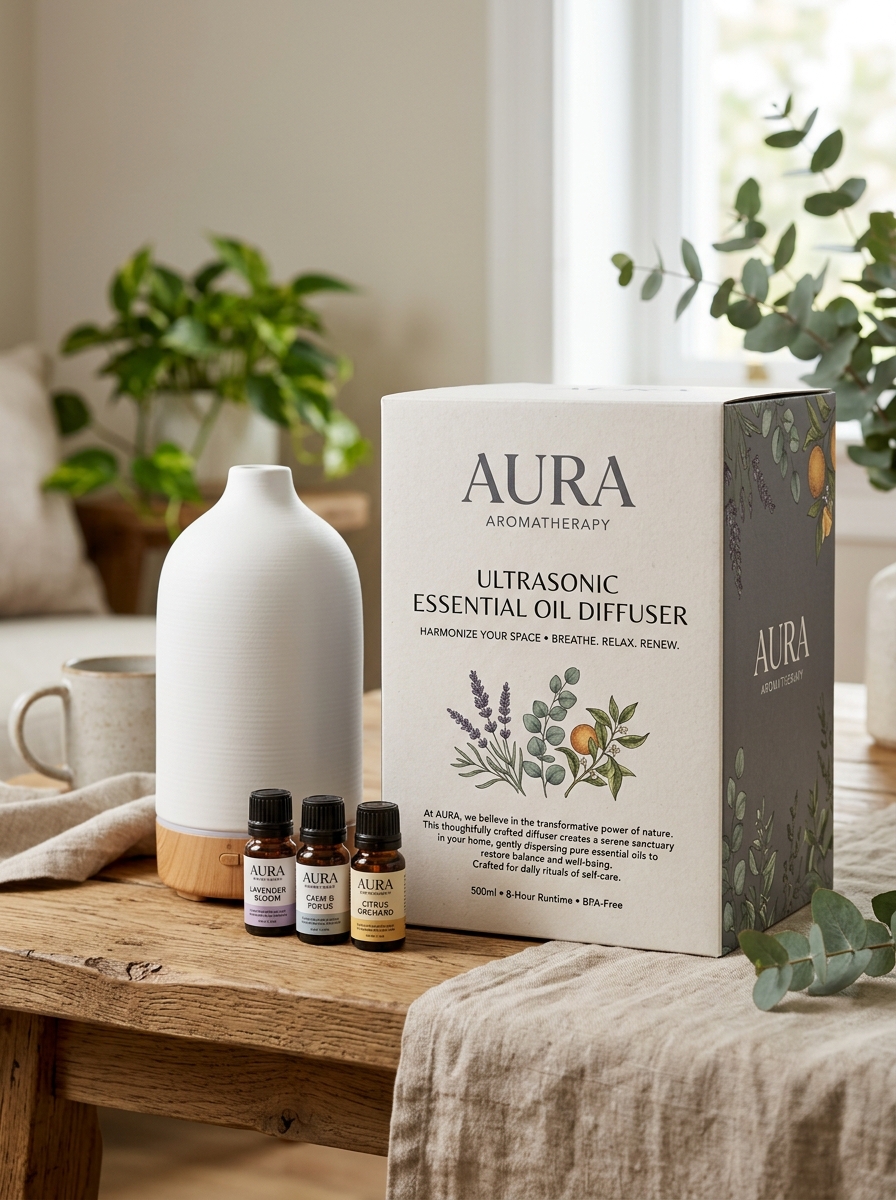
Typography and Brand Storytelling for Aromatherapy Products
Typography serves as the visual voice of an aromatherapy brand, acting as a silent ambassador that communicates values before a scent is even released. In the essential oil diffuser market, font selection is critical for effective brand storytelling. Elegant, high-contrast serif typefaces often evoke a sense of luxury and traditional apothecary heritage, appealing to consumers seeking timeless wellness.
Conversely, clean, minimalist sans-serif fonts suggest modern purity and clinical efficacy, aligning with contemporary holistic lifestyles. By strategically using whitespace and weight, brands can mirror the calming effects of their products. This typographic harmony creates an emotional narrative, transforming a mechanical device into a centerpiece of tranquility. Ultimately, intentional typography bridges the gap between the physical diffuser and the ethereal sensory experience, establishing consumer trust through a cohesive visual identity.
Maximizing the Luxury Unboxing Experience for Consumers
Elevating the unboxing process for an essential oil diffuser transforms a standard purchase into a premium wellness ritual. To create a high-end feel, prioritize high-quality, rigid packaging with tactile finishes like matte lamination or embossed metallic accents that reflect the elegance of the device inside.
Key strategies to enhance this sensory journey include:
- Sensory Branding: Utilizing scent-infused tissue paper to offer an immediate aromatherapy experience upon opening.
- Protective Precision: Using custom-molded, sustainable inserts that showcase the diffuser's craftsmanship while ensuring safety.
- Educational Value: Including beautifully designed blend cards and "getting started" guides to empower the user.
By focusing on these sophisticated details, brands can foster deep consumer loyalty and encourage organic social sharing, positioning their product as a centerpiece of modern self-care.
Functional Considerations for Fragile Diffuser Components
Maintaining the longevity of an essential oil diffuser requires careful handling of its delicate internal mechanics. The ultrasonic ceramic disc is the most sensitive element, vibrating at high frequencies to create a fine mist. To prevent mechanical failure, users should avoid touching the disc directly and use distilled water to minimize mineral calcification.
Additionally, consider these key fragile components during operation:
- Glass Reservoirs: These provide chemical purity but are susceptible to thermal shock and physical impact.
- Corrosion-Resistant Plastics: Essential oils are potent; high-quality diffusers use specialized polymers to prevent degradation.
- Silicone Seals: Vital for preventing internal leaks that could short-circuit the motor.
Regular maintenance using white vinegar and a soft cloth preserves these components, ensuring consistent mist output and optimal aromatherapy performance.
Minimalist Aesthetics and Modern Decor Compatibility
Modern essential oil diffusers are meticulously designed to bridge the gap between wellness technology and high-end interior design. Embracing minimalist aesthetics, these devices often feature clean lines, matte textures, and natural materials such as ceramic, glass, or bamboo. This ensures they complement contemporary home decor rather than distracting from it.
Whether your style is Scandinavian, industrial, or mid-century modern, a well-chosen diffuser acts as a piece of functional art. By utilizing neutral color palettes and compact silhouettes, these ultrasonic misters provide a calming atmosphere while maintaining a clutter-free environment. Integrating an aromatherapy diffuser into your living space enhances the sensory experience, offering both visual harmony and therapeutic benefits without compromising your home's sophisticated style.
Essential Regulatory and Safety Information Layouts
Effective documentation for essential oil diffusers prioritizes user safety and legal compliance. Layouts must clearly display mandatory certification marks, such as UL, CE, and RoHS, which verify the device meets international electrical and environmental standards.
Safety information layouts should be strategically organized to highlight critical usage warnings, typically focusing on:
- Electrical Hazards: Proper voltage requirements and liquid-contact precautions.
- Health Protocols: Guidelines for oil dilution ratios and adequate room ventilation to prevent respiratory sensitivity.
- Maintenance Safety: Specific cleaning intervals to prevent the growth of mold or bacteria within the water reservoir.
By utilizing standardized icons and bold typography, these layouts ensure that vital risk-mitigation data is immediately accessible, promoting a secure and therapeutic aromatherapy experience.
Incorporating Tactile Finishes and Premium Textures
Modern essential oil diffusers are evolving into sophisticated home decor pieces through the strategic use of tactile finishes and premium textures. By integrating materials like hand-crafted matte ceramic, natural wood grains, and sandblasted glass, these devices offer a multisensory experience that transcends simple aromatherapy.
These high-quality finishes not only enhance the aesthetic appeal of an ultrasonic diffuser but also provide a sense of luxury and durability. A textured surface transforms a functional wellness tool into a piece of art that complements contemporary interior design. Whether featuring the organic feel of stone or the sleekness of frosted resin, a diffuser with a premium tactile finish ensures your environment feels grounded and elegant, elevating the overall atmosphere of your relaxation space.
Future Proofing Your Packaging with Smart Design Trends
Future-proofing essential oil diffuser packaging requires a strategic blend of sustainability and digital integration. To stay ahead, brands are moving toward eco-friendly materials, such as biodegradable molded pulp and FSC-certified cardboard, reducing the environmental footprint while maintaining a premium feel.
Key smart design trends include:
- Interactive QR Codes: Providing instant access to digital manuals, aromatherapy blending guides, and warranty registration.
- Minimalist Aesthetics: Utilizing clean typography and tactile finishes that align with the wellness industry's "clean beauty" standards.
- E-commerce Optimization: Designing reinforced, "frustration-free" structures that protect fragile ceramic or glass diffusers during transit without excessive plastic.
By adopting these innovative packaging strategies, brands ensure long-term relevance and meet the evolving demands of environmentally conscious aromatherapy consumers.
Leave a comment