
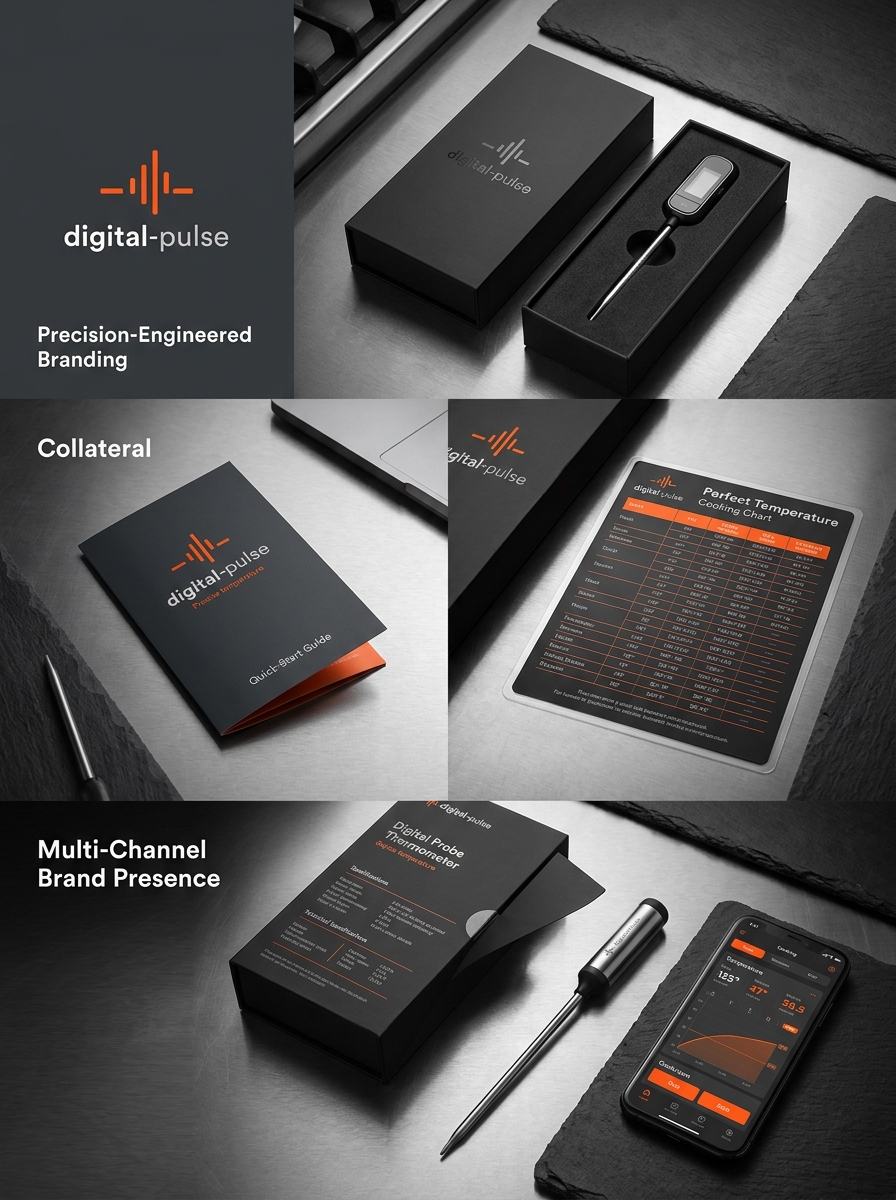
Modern culinary tools demand a synergy between high-tech precision and sophisticated retail presentation. As the market for smart kitchen gadgets expands, digital meat thermometer packaging design has evolved beyond simple containment into a vital touchpoint for brand authority. Today's industry leaders focus on essential aesthetic trends-such as minimalist typography and high-contrast color palettes-integrated with core functional principles like impact resistance and sustainable material sourcing.
Effective packaging must communicate accuracy and ease of use at a glance while ensuring sensitive thermal sensors remain calibrated during transit. By prioritizing structural integrity alongside visual storytelling, manufacturers can enhance the unboxing experience and establish immediate trust with home chefs. Understanding these design shifts is crucial for capturing consumer attention in an increasingly crowded gourmet hardware landscape, where the box serves as the first testament to the product's reliability.
The Role of Packaging in the Digital Kitchen Tool Market
In the competitive landscape of culinary technology, packaging for a digital meat thermometer serves as both a protective necessity and a vital marketing asset. High-quality housing ensures that sensitive electronic sensors and precision probes remain calibrated during transit, safeguarding the device's long-term accuracy.
Beyond logistics, packaging acts as a primary touchpoint for building consumer trust. It effectively communicates essential technical specifications-such as temperature range, response speed, and water resistance-at a glance. For premium kitchen tools, sleek and durable box designs enhance "giftability" and increase the brand's perceived value.
By utilizing sustainable materials and clear instructional graphics, manufacturers improve shelf appeal while emphasizing professional-grade quality. Ultimately, strategic packaging bridges the gap between technical innovation and the user's desire for reliable, high-performance cooking instruments.
Understanding the Target Audience for Premium Culinary Gadgets
The primary audience for a high-end digital meat thermometer consists of dedicated home chefs and BBQ enthusiasts who prioritize precision and food safety. These culinary experts demand professional-grade accuracy to ensure every protein-from a thick ribeye to a delicate salmon fillet-reaches its ideal internal temperature for peak flavor and juiciness.
Key segments within this market include:
- Gourmet Home Cooks: Individuals who value technical precision and consistent results in the kitchen.
- Outdoor Grilling Aficionados: Pitmasters requiring durable, instant-read probes for smoking and high-heat searing.
- Health-Conscious Families: Users focused on USDA-recommended safety standards to prevent foodborne illness.
By investing in premium gadgets, these consumers seek to eliminate guesswork, moving beyond basic timers to embrace the science of temperature-controlled cooking.
Modern Aesthetic Trends Influencing Digital Thermometer Box Art
Current packaging for digital meat thermometers reflects a significant shift toward minimalist design and premium visual branding. Manufacturers are moving away from cluttered graphics, instead utilizing high-contrast color palettes-typically matte black, slate gray, or metallic accents-to convey a sense of professional-grade precision.
Key trends include the use of macro product photography, which highlights the sleek texture of the stainless steel probe and the clarity of the backlit LCD screen. Bold, sans-serif typography is employed to emphasize rapid response times and accuracy ratings. Additionally, many brands are adopting eco-friendly, sustainable materials with tactile finishes, appealing to the modern, environmentally-conscious home chef. These aesthetic elements work together to transform a functional culinary tool into a sophisticated, gift-ready lifestyle gadget.
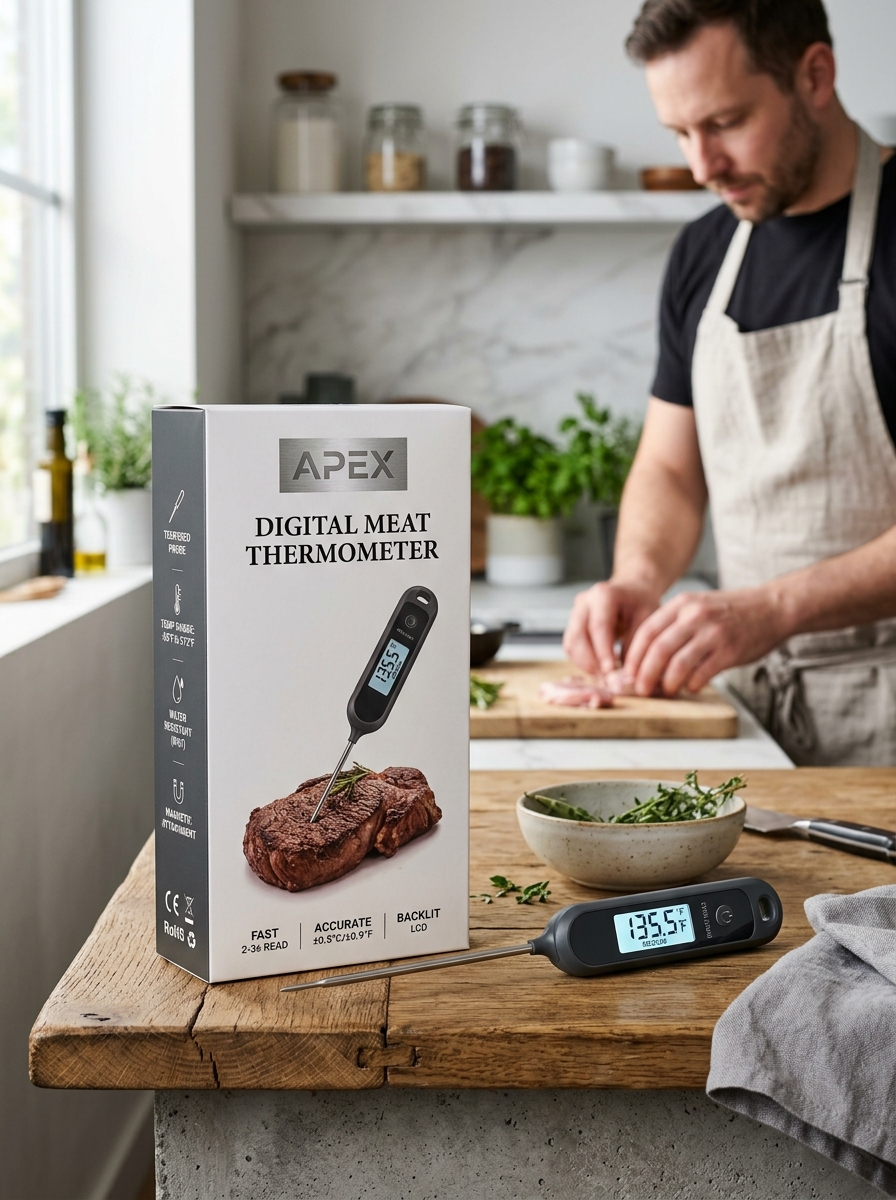
Balancing Minimalism with Comprehensive Technical Information
Designing a superior digital meat thermometer involves harmonizing a minimalist user interface with high-performance technical specifications. A clean, uncluttered display ensures instant readability during time-sensitive cooking, while the internal hardware delivers professional-grade precision.
Key technical attributes such as fast-response thermocouple sensors, wide temperature ranges, and NIST-traceable accuracy are integrated seamlessly into sleek, ergonomic housings. By prioritizing essential data-like a bold temperature readout-manufacturers hide complex functionalities like auto-calibration and IP67 waterproofing behind intuitive, one-touch controls.
This strategic balance provides home chefs and professional pitmasters with the technical data required for food safety and culinary perfection, without the distraction of unnecessary visual noise. The result is a high-tech tool that remains accessible, durable, and highly efficient in any high-heat kitchen environment.
Sustainable Material Choices for Eco-Friendly Kitchen Branding
To align with modern environmental standards, brands are redefining digital meat thermometer production through sustainable material sourcing. Utilizing recycled ABS plastics or renewable bamboo housings significantly reduces the environmental impact compared to virgin petroleum-based materials. These eco-friendly choices resonate with conscious consumers looking for high-performance kitchen tools that minimize carbon footprints.
Beyond the exterior, semantic optimization for green branding includes the use of RoHS-compliant electronics and lead-free components, ensuring food safety and easier recycling. Durable stainless steel probes promote product longevity, directly combatting electronic waste. To complete the eco-friendly lifecycle, brands are adopting FSC-certified packaging and plastic-free inserts. Prioritizing these sustainable materials strengthens brand loyalty and establishes a reputation for ethical manufacturing in the competitive culinary gadget market.
Color Psychology and its Impact on Perceived Accuracy and Trust
In the design of a digital meat thermometer, color psychology significantly influences a user's perception of reliability and precision. Manufacturers strategically select finishes like stainless steel or silver to evoke a sense of professional-grade durability and scientific accuracy, mirroring high-end culinary environments.
The use of color in digital interfaces also dictates trust. For example, red accents often signal critical temperature alerts, leveraging the psychological association with urgency and heat. Conversely, high-contrast backlit displays in cool blue or white improve legibility and reinforce a feeling of modern technological sophistication.
By aligning visual aesthetics with psychological triggers, brands enhance the perceived validity of the sensor data. A well-considered color palette ensures that a thermometer is viewed not just as a gadget, but as a dependable instrument for food safety and culinary perfection.
Functional Structural Design for Secure Sensor Protection
The structural integrity of a digital meat thermometer is engineered to safeguard its high-precision internal sensors from the rigors of high-heat cooking. A robust exterior, often composed of heat-resistant ABS polymers, provides a durable shield against impact and thermal stress.
At the core of the device, the temperature sensor is housed within a food-grade stainless steel probe. This design serves a dual purpose: ensuring rapid heat conductivity for instant readings while acting as a physical barrier against moisture, steam, and corrosive fats.
Advanced models utilize ultrasonic welding and silicone gaskets to create a waterproof seal. This functional architecture prevents liquid ingress from damaging the sensitive circuitry, ensuring long-term reliability and accuracy whether you are monitoring a smoker, oven, or outdoor grill.
Leveraging Transparency and Window Cutouts for Product Visibility
In the competitive culinary tool market, packaging for a digital meat thermometer must prioritize immediate consumer trust. By integrating transparent windows and strategic cutouts, brands allow potential buyers to inspect the build quality of the stainless steel probe and the clarity of the digital interface before purchase.
This visual accessibility serves as a powerful "silent salesperson." Seeing the actual product's sleek design and ergonomic buttons reduces buyer hesitation, providing immediate verification of durability. For home chefs, window cutouts highlight essential features like high-precision sensors and water-resistant finishes. By showcasing the physical thermometer through clear apertures, manufacturers emphasize transparency and premium engineering, which significantly enhances retail conversion rates and ensures customer satisfaction through informed purchasing decisions.
Optimizing Graphics for Omni-Channel Retail and Digital Displays
To maximize conversion for a digital meat thermometer, visual assets must be tailored for seamless performance across e-commerce platforms, mobile apps, and in-store digital signage. High-resolution macro photography is essential to showcase the clarity of the LCD screen and the precision of the stainless steel probe. For omni-channel consistency, use 1:1 aspect ratios for mobile-first shopping and high-contrast infographics to highlight key specs like response time and temperature accuracy.
Digital displays require optimized SVG icons for features such as "IP67 Waterproof" or "Backlight Display" to ensure legibility at various viewing distances. By balancing file compression with visual fidelity, brands ensure fast loading speeds on product detail pages while maintaining the crisp detail necessary for high-definition retail screens. This strategic optimization enhances the user experience, building trust through professional, clear, and informative product imagery.
Creating a Premium Unboxing Experience for Professional Home Cooks
For professional home cooks, the journey toward culinary excellence begins the moment their digital meat thermometer arrives. A premium unboxing experience reinforces brand authority and reflects the high-precision technology contained within. Using durable, minimalist packaging with magnetic closures signals quality while protecting sensitive thermal sensors.
The internal layout should be meticulously organized, featuring custom-fit inserts for the probe, charging accessories, and a physical calibration certificate. Including a tactile, waterproof quick-start guide ensures immediate usability in high-pressure kitchen environments. This sensory approach-combining sleek aesthetics with functional design-builds immediate trust. By prioritizing sophisticated presentation, brands align their tools with the rigorous standards of professional chefs, transforming a functional device into a prized culinary investment.
Leave a comment