
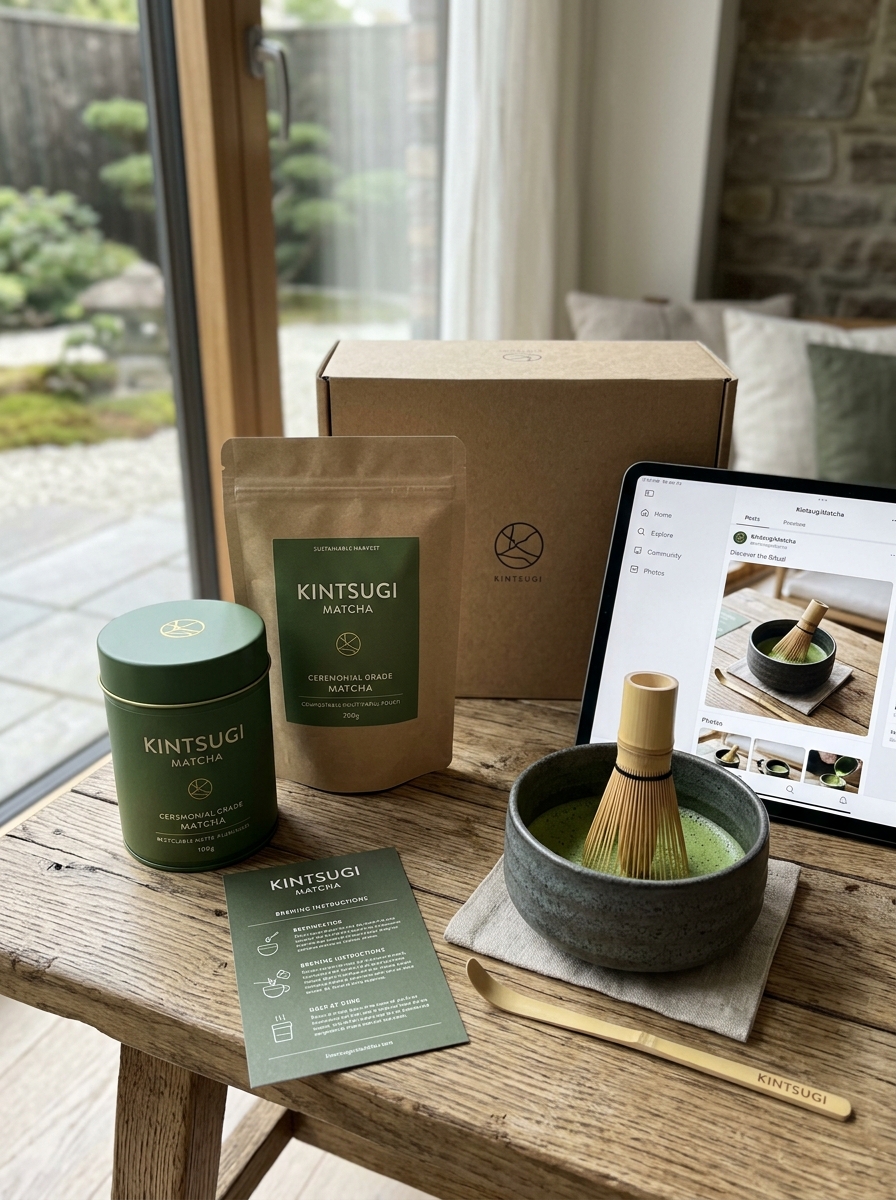
Mastering matcha green tea packaging design requires a nuanced blend of cultural heritage and contemporary visual storytelling. As this ancient powdered tea continues to dominate the global wellness market, the role of packaging has shifted from mere containment to a critical element of brand identity. Brands must now harmonize minimalist Zen aesthetics with functional, sustainable materials to resonate with health-conscious consumers.
This exploration delves into the aesthetic trends currently shaping the industry, from the use of vibrant earthy tones to sophisticated, tactile finishes that evoke the tea's premium nature. By understanding how to integrate traditional Japanese motifs with modern typography, designers can create a compelling narrative that distinguishes their product. Discover the conceptual frameworks necessary to build a cohesive and authentic visual presence for premium matcha brands in a wellness-focused marketplace.
The Cultural Heritage of Matcha Packaging Design
The visual identity of matcha green tea powder is deeply rooted in Japanese Zen philosophy and the concept of Wabi-sabi-finding beauty in imperfection and simplicity. Traditional packaging reflects this heritage through minimalist aesthetics, often featuring hand-painted calligraphy and earthy color palettes that mirror the tea's natural origins.
Historically, high-quality ceremonial matcha was stored in handcrafted ceramic jars or lacquered wood to protect its vibrant color and delicate nutrients. Today, this legacy continues with airtight tin canisters and light-shielding materials designed to preserve the antioxidants and L-theanine. By integrating ancient symbols, such as the bamboo whisk (Chasen), modern packaging pays homage to the Uji and Nishio regions, ensuring that every tin serves as a bridge between centuries-old tea ceremony traditions and contemporary wellness rituals.
Minimalist Aesthetics and the Zen Design Philosophy
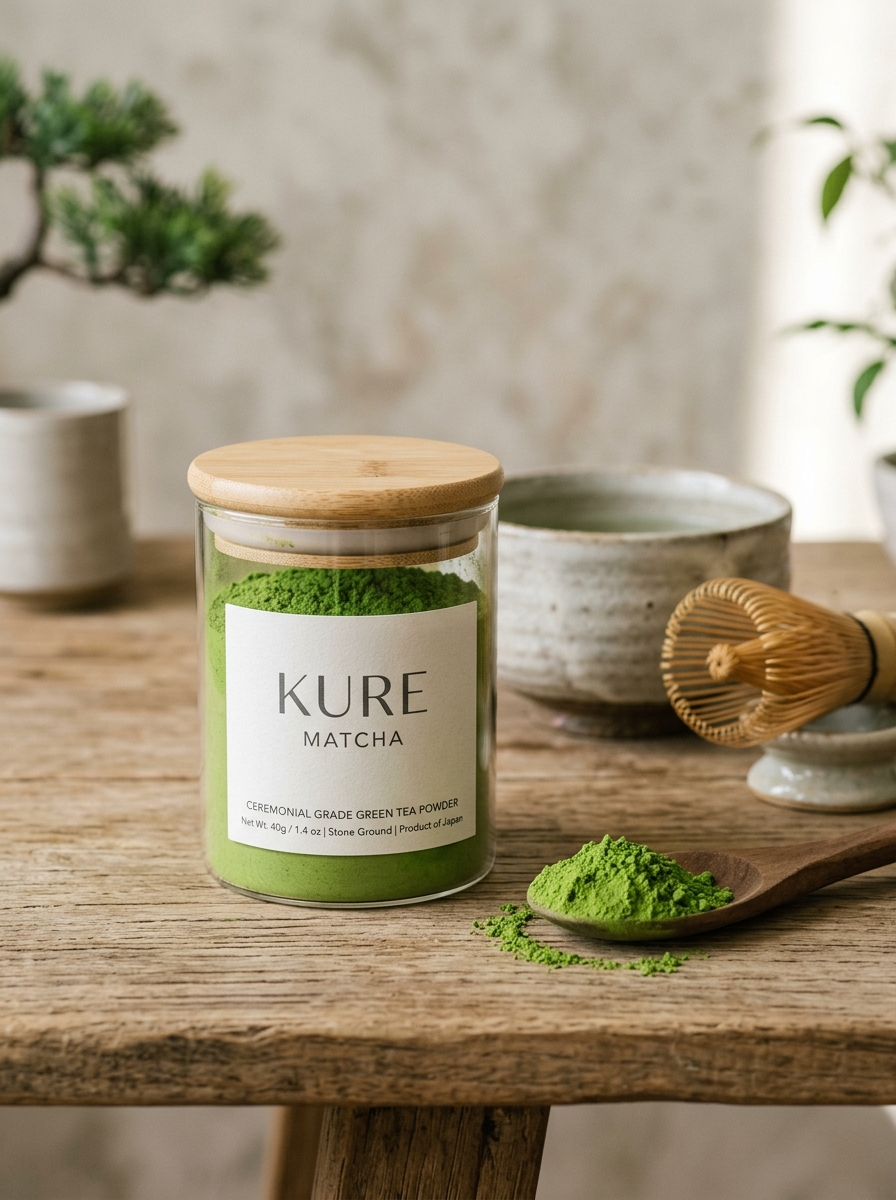
Matcha green tea powder is the liquid embodiment of Zen design philosophy. Rooted in the Japanese concept of Wabi-sabi, matcha celebrates the beauty of simplicity and the elegance of natural imperfection. The minimalist aesthetic associated with matcha-from the clean lines of a bamboo whisk (chasen) to the rustic texture of a ceramic bowl (chawan)-promotes a clutter-free environment conducive to mindfulness.
The vibrant, emerald-green hue of the powder provides a striking visual contrast against neutral, earth-toned stoneware, creating a focal point of "functional art." By stripping away the unnecessary, the ritual of preparing matcha encourages practitioners to focus on the present moment. Today, this minimalist appeal extends to modern packaging and interior design, where matcha symbolizes a lifestyle of intentionality, purity, and tranquil sophistication.
Defining Brand Identity with Signature Green Palettes
In the competitive marketplace for matcha green tea powder, visual identity is inextricably linked to perceived quality. The iconic, vibrant green hue-a result of high chlorophyll content from shade-grown Camellia sinensis leaves-serves as a primary indicator of freshness and grade.
Brands leverage these signature green palettes to communicate product authenticity. A bright, "electric" green typically denotes ceremonial grade matcha, rich in L-theanine and antioxidants, while deeper, olive-toned palettes are used for culinary varieties.
By aligning packaging and digital aesthetics with these natural pigment variations, companies establish a cohesive brand identity rooted in health, vitality, and traditional Japanese heritage. This strategic use of color helps consumers quickly identify premium, nutrient-dense products, fostering brand loyalty through visual cues of purity and superior cultivation.
Sustainable Materials for Eco-Conscious Tea Brands
Sustainable Matcha brands prioritize planet-friendly packaging to preserve freshness while reducing environmental impact. Instead of traditional plastic-lined bags, eco-conscious producers utilize compostable pouches made from plant-based materials and recyclable aluminum tins. These materials effectively shield the delicate green tea powder from light, heat, and oxygen, ensuring that vibrant chlorophyll and potent antioxidants remain intact for the perfect froth.
By choosing biodegradable mailers and soy-based inks, brands align their premium ceremonial grade products with the values of environmentally aware consumers. Implementing a circular economy approach in the tea industry supports global biodiversity and minimizes the carbon footprint of every bowl of matcha whisked. Transitioning to plastic-free alternatives ensures the longevity of traditional tea cultivation while meeting the demands of the modern, eco-conscious market.
Typography and Layout Strategies for Premium Labels
Designing labels for Matcha Green Tea Powder requires a strategic balance between heritage and modern luxury. To convey a "premium" feel, typography and layout must communicate purity and quality instantly.
- Typography: Use elegant serif fonts to evoke traditional Japanese craftsmanship or minimalist sans-serif typefaces for a contemporary, high-end aesthetic. Ensure the "Ceremonial Grade" or "Organic" designations are highly legible.
- Visual Hierarchy: Place the brand name and origin (such as Uji or Nishio) at the focal point. Use weighted scales to differentiate between the product name and technical details like net weight.
- Layout and White Space: Incorporate generous negative space to avoid clutter. This minimalist approach reflects the zen nature of tea ceremonies and allows the vibrant green imagery or brand logo to stand out.
A clean, semantic layout ensures that authentic Japanese matcha is perceived as a sophisticated, artisanal product.
Functional Packaging for Ceremonial Grade Freshness
Ceremonial grade matcha is a delicate, stone-ground powder highly susceptible to oxidation and environmental degradation. To preserve its vibrant emerald hue and complex nutrient profile, specialized functional packaging is essential.
High-quality matcha is typically housed in airtight, light-blocking tins or opaque multi-layer foil pouches. These containers provide a critical barrier against UV rays, moisture, and heat. Many premium brands utilize nitrogen-flushing technology to displace oxygen before sealing, which prevents the degradation of L-theanine and catechins.
This advanced containment ensures that every whisked bowl retains its signature smooth umami flavor and maximum antioxidant potency. Proper seals maintain the integrity of the tea from the moment it leaves the Japanese mill until it reaches your cup, protecting the freshness of your authentic matcha experience.
The Power of Tactile Elements and Unboxing Experiences
The unboxing of premium ceremonial grade matcha is a sensory journey that begins long before the first sip. Tactile elements, such as the matte texture of a gold-lined tin or the balanced weight of a handcrafted bamboo whisk (chasen), communicate immediate quality and authenticity.
As consumers peel back the airtight seal, the release of a vibrant, grassy aroma and the sight of electric green powder create an emotional connection to the product. These physical touchpoints elevate matcha from a simple health beverage to a mindful ritual. Thoughtful, sustainable packaging not only preserves delicate chlorophyll and antioxidants but also reinforces a brand's commitment to Japanese tradition. By prioritizing the unboxing experience, matcha purveyors transform a routine purchase into an immersive, high-end ritual that resonates with tea enthusiasts seeking both wellness and luxury.
Bridging Traditional Artistry with Contemporary Graphics
The evolution of Matcha green tea powder represents a unique intersection where centuries-old Japanese heritage meets modern visual storytelling. Historically, the production of ceremonial grade Matcha is a disciplined art form, rooted in the meticulous stone-grinding of shade-grown Tencha leaves to preserve its vibrant chlorophyll and nutrients.
Today, this ancient craftsmanship is revitalized through contemporary graphics. Modern branding utilizes minimalist aesthetics and bold, high-definition imagery to translate the meditative essence of the tea ceremony into a digital-first lifestyle. By blending traditional motifs-such as Japanese calligraphy-with sleek, geometric packaging, designers bridge the gap between spiritual tradition and the vibrant, health-conscious present. This synergy ensures the rich cultural narrative of Matcha remains accessible and trendy, honoring its historical roots while fueling a global wellness movement through sophisticated design.
Visual Cues for Organic and Health-Focused Positioning
Establishing a premium, health-conscious identity for Matcha Green Tea Powder relies on specific visual indicators that signal quality and purity. Consumers associate the following cues with organic, high-grade matcha:
- Vibrant Green Hue: An electric green color indicates high chlorophyll levels and minimal oxidation, synonymous with ceremonial grade quality.
- Fine Texture: A silky, talc-like powder suggests traditional stone-grinding, which preserves nutritional integrity and ensures a smooth mouthfeel.
- Minimalist Packaging: Earthy tones, matte finishes, and clear displays of organic certifications communicate transparency and "clean label" standards.
- Natural Imagery: Showcasing bamboo whisks (chasen) and raw tea leaves reinforces the product's connection to nature and ancient wellness rituals.
These visual signals effectively communicate antioxidant potency and a holistic lifestyle, driving consumer trust and justifying premium price points in the health supplement market.
Future Directions in Smart and Active Matcha Packaging
The evolution of matcha storage is pivoting toward smart and active packaging systems designed to preserve delicate catechins and chlorophyll. Future innovations focus on oxygen-scavenging films and moisture-regulating biopolymers that actively neutralize degradative elements inside the container.
Smart features, such as time-temperature indicators (TTIs) and freshness sensors, will provide real-time data regarding the powder's chemical integrity. Furthermore, advancements in nanotechnology are enabling the creation of biodegradable substrates with enhanced UV-barrier properties to prevent light-induced oxidation.
Integrated technology, including blockchain-linked QR codes, will bolster farm-to-cup traceability and authenticity. These combined advancements ensure that premium matcha maintains its nutritional potency, vibrant green hue, and refined umami flavor profile throughout its entire shelf life.
Leave a comment