
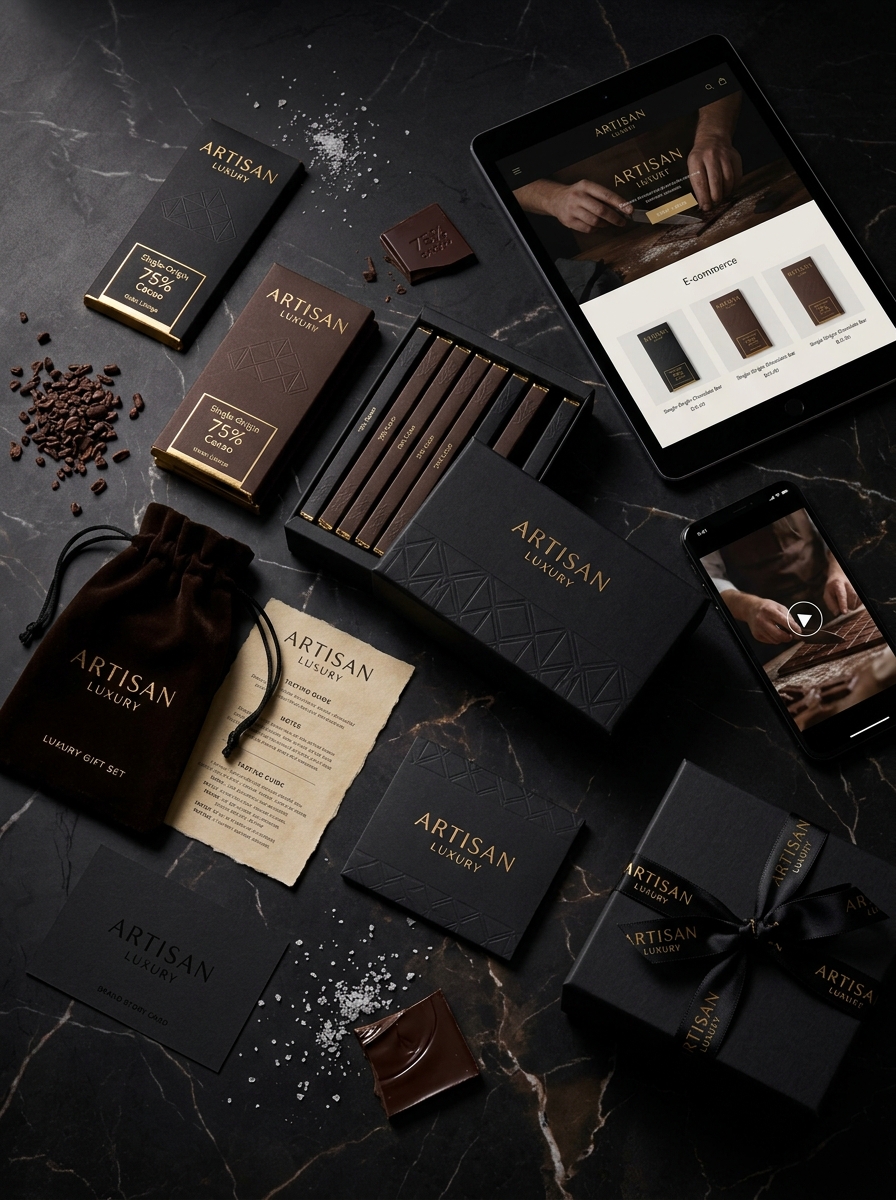
Elevating a premium dark chocolate brand requires more than just high-quality cacao; it demands an evocative visual narrative. Gourmet dark chocolate packaging design serves as the primary touchpoint between the artisan and the connoisseur, translating complex flavor profiles into a tangible, high-end aesthetic experience.
By integrating minimalist typography, rich textures, and sophisticated color palettes, designers can effectively communicate the depth and geographical origin of the product. This exploration delves into the essential aesthetic principles of luxury confectionery branding, focusing on how structural innovation and symbolic imagery create a sense of exclusivity. From matte finishes that evoke a velvety mouthfeel to metallic foil accents representing peak refinement, mastering these design concepts is crucial for resonating with discerning palates and establishing a lasting brand identity in the luxury market.
The Psychology of Premium Dark Chocolate Packaging
The visual and tactile appeal of gourmet dark chocolate bars is a calculated element of the luxury consumer experience. High-end brands utilize color theory-employing deep blacks, muted earth tones, and metallic gold accents-to signal high cacao concentrations and sophisticated flavor profiles.
Psychologically, minimalist design and matte-finish wrappers communicate exclusivity and purity, distinguishing artisan products from mass-market confectionery. Tactile elements, such as embossed lettering or heavy-weight textured paper, trigger the brain's reward centers before the bar is even unwrapped.
By prioritizing clean typography and transparent sourcing information (like single-origin estates), packaging builds consumer trust. This strategic aesthetic justifies a premium price point by transforming a simple food item into a multisensory artisanal gift, influencing both perceived value and taste expectations.
Defining Luxury Through Sophisticated Color Palettes
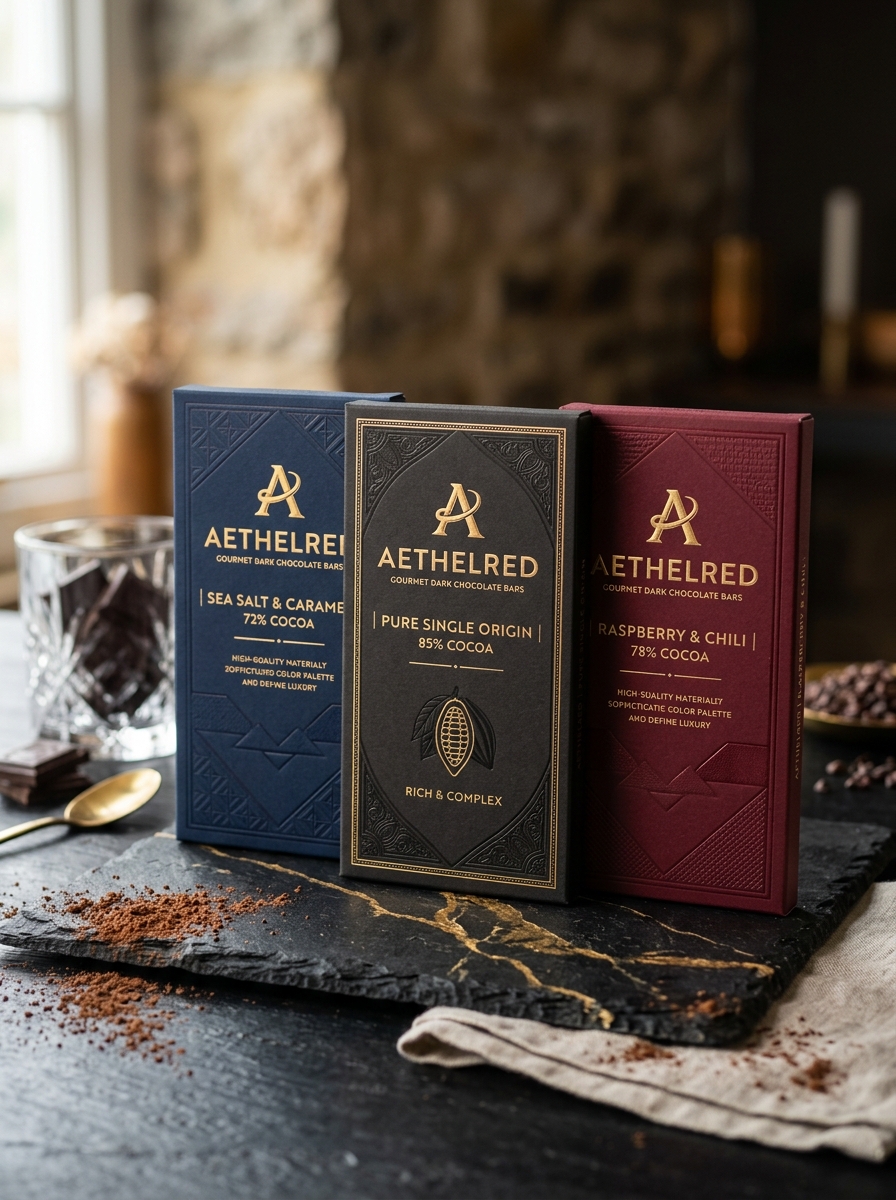
In the realm of gourmet dark chocolate bars, visual identity is paramount to establishing a premium brand position. Luxury is defined through sophisticated color palettes that communicate quality and depth before the wrapper is even removed. Artisanal chocolatiers often utilize deep, muted tones-such as midnight black, charcoal, and rich burgundy-to mirror the high cocoa percentages and complex flavor profiles found within.
These base colors are frequently paired with metallic accents like gold, bronze, or copper foil, symbolizing craftsmanship and exclusivity. Furthermore, the strategic use of matte finishes and earthy neutrals can suggest organic purity and ethical sourcing. By applying these refined color theories, brands create a sensory bridge between the packaging and the intense, bittersweet experience of the chocolate, signaling a high-end, curated product for the discerning palate.
Typography as a Reflection of Artisanal Quality
In the realm of gourmet dark chocolate, visual aesthetics serve as a vital prelude to the sensory experience. Typography acts as a silent ambassador of craftsmanship, signaling a brand's heritage and attention to detail. For instance, elegant serif fonts often evoke a sense of tradition and timeless luxury, while custom, hand-lettered scripts highlight the unique, small-batch nature of artisanal production.
The strategic choice of typeface influences consumer perception of flavor complexity and premium positioning. Minimalist layouts featuring clean sans-serif type suggest modern sophistication and single-origin purity. By aligning font weight and kerning with the brand's identity, makers translate the tactile richness of high-cacao bars into a visual language that resonates with connoisseurs. Ultimately, effective typography ensures the packaging reflects the meticulous care taken during the roasting and conching processes.
The Impact of Tactile Elements and Embossed Textures
In the world of gourmet dark chocolate, the consumer experience begins long before the first taste. Tactile elements and embossed textures on packaging serve as vital sensory cues, signaling artisanal quality and premium positioning. High-end chocolatiers utilize heavy-weight, textured papers and raised lettering to create a "haptic bridge" that fosters an immediate psychological connection with the brand.
Beyond packaging, the physical texture of the chocolate bar itself-featuring intricate geometric patterns or embossed logos-enhances the sensory perception of flavor. These structural details influence the chocolate's "snap" and surface area, directly impacting how the cacao melts and releases its complex aromatic profile. By integrating these tactile dimensions, brands elevate the perceived luxury of their products, ensuring a multi-sensory journey that justifies a premium price point and resonates with discerning enthusiasts.
Minimalist Design Strategies for High-End Appeal
In the competitive market of gourmet dark chocolate bars, minimalist packaging serves as a visual shorthand for premium quality. By prioritizing negative space and clean typography, artisan brands communicate a sense of sophistication and exclusivity that resonates with discerning consumers.
Effective minimalist strategies include:
- Subtle Color Palettes: Using muted, earthy tones or monochromatic schemes to reflect the purity of the cacao.
- Tactile Textures: Incorporating matte finishes or embossed detailing to create a luxury sensory experience.
- Essential Messaging: Highlighting the cacao percentage and single-origin status without the visual noise of mass-market candy.
This restrained design philosophy ensures that the craftsmanship and high-quality ingredients remain the focal point, positioning the product as an intentional luxury indulgence rather than a simple snack.
Communicating Heritage and Origin Through Visual Storytelling
For premium gourmet dark chocolate bars, visual storytelling is a vital tool for conveying the rich terroir and cultural heritage of the cacao. Brands leverage sophisticated packaging design to transport consumers to the specific origin, such as the volcanic slopes of Ecuador or the biodiversity of Madagascar.
By integrating botanical illustrations, indigenous motifs, and topographic maps, manufacturers highlight their single-origin credentials and ethical bean-to-bar processes. These visual cues serve as a narrative bridge, connecting the consumer to the artisanal traditions and geographical roots of the harvest. Earth-toned palettes and tactile textures further reinforce the product's authenticity, ensuring the aesthetic experience reflects the complex flavor profile within. Ultimately, intentional design transforms a simple wrapper into a testament to quality, sustainability, and the global history of cacao cultivation.
Sustainable Luxury and Eco-Conscious Material Selection
In the realm of gourmet dark chocolate, true luxury is defined by a commitment to the planet. We meticulously select premium cocoa beans sourced from sustainable farms that prioritize biodiversity and fair labor practices. Our dedication to eco-conscious material selection extends beyond the ingredients to our refined packaging solutions.
By utilizing compostable foils and FSC-certified recycled paper, we ensure that every artisanal bar minimizes its environmental footprint. This holistic approach to sustainability ensures that discerning connoisseurs can indulge in high-percentage dark chocolate while supporting reforestation and ethical trade. Choosing our gourmet bars means embracing a sophisticated experience where exceptional flavor profiles meet responsible stewardship. Elevate your palate with chocolate that honors both artisanal tradition and future-focused ecological integrity.
Structural Integrity and Functional Elegance in Box Design
For premium gourmet dark chocolate bars, packaging serves as both a protective shield and a sensory introduction. Structural integrity is essential to prevent the delicate bars from snapping or suffering from fat bloom caused by temperature fluctuations. Utilizing high-GSM (grams per square meter) rigid board ensures the product remains pristine during transit.
Functional elegance is achieved through a meticulous marriage of form and utility, featuring:
- Precision Inserts: Custom-fitted compartments that minimize movement and friction.
- Tactile Finishes: Embossed textures and matte aqueous coatings that reflect artisan craftsmanship.
- Secure Closures: Magnetic seals or friction-fit sleeves that maintain freshness and provide a premium unboxing "click."
By prioritizing robust architecture alongside sophisticated design, brands protect the complex flavor profiles of dark cacao while signaling luxury to the discerning consumer.
Curating the Sensory Unboxing Experience
The allure of gourmet dark chocolate begins long before the first bite. A meticulously designed unboxing ritual heightens anticipation, transforming a simple confection into a luxury event. Premium brands utilize tactile packaging, such as embossed matte paper and gold-lined foil, to signify artisan quality and protect the bar's complex flavor profile.
As the seal breaks, the olfactory senses are greeted by a deep, earthy aroma of single-origin cacao. This sensory journey is completed by the sharp, rhythmic "snap" of perfectly tempered chocolate, an auditory hallmark of expert craftsmanship. By engaging sight, touch, and smell, chocolatiers create an immersive brand narrative that justifies a premium price point and cultivates deep consumer loyalty through a sophisticated, multi-sensory encounter.
Modern Trends Shaping the Future of Gourmet Branding
The landscape of gourmet dark chocolate bars is shifting toward radical transparency and ethical indulgence. Modern branding now prioritizes sustainable sourcing and bean-to-bar narratives, allowing consumers to trace the exact origin of their cocoa. Single-origin chocolates are gaining significant traction as aficionados seek unique flavor profiles tied to specific global terroirs.
Visually, minimalist packaging crafted from eco-friendly materials reflects a dual commitment to luxury aesthetics and environmental responsibility. Furthermore, the rise of "functional" confectionery-incorporating superfoods or highlighting high antioxidant percentages-appeals to health-conscious demographics. By blending artisan craftsmanship with digital storytelling, premium brands are transforming dark chocolate into a holistic lifestyle choice that balances sophisticated taste with social values.
Leave a comment