
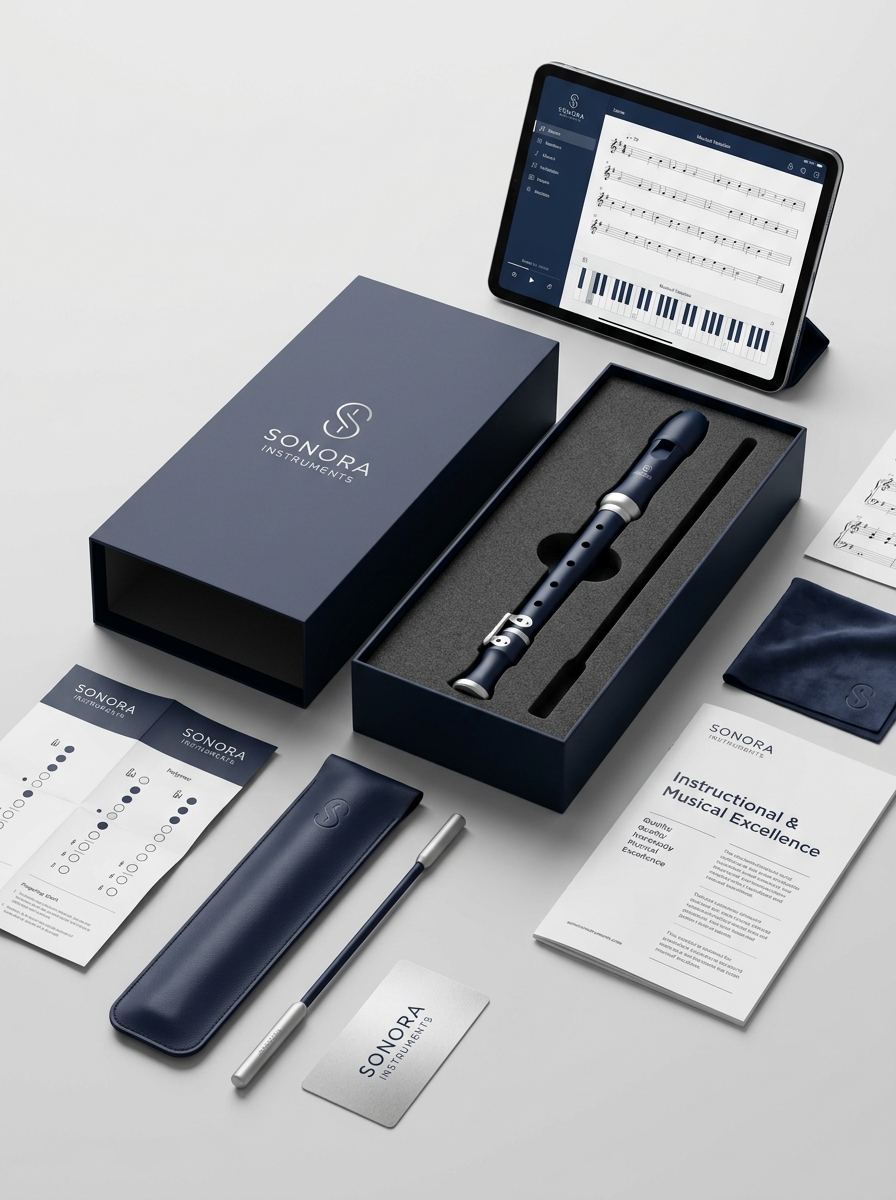
Elevating the presentation of musical instruments requires a sophisticated balance between structural integrity and visual storytelling. Effective recorder packaging serves as both a protective vessel and a vital touchpoint for brand identity. By integrating ergonomic design concepts with refined aesthetic principles, manufacturers can communicate the craftsmanship of a woodwind instrument before the first note is ever played.
This exploration delves into the strategic application of sustainable materials, minimalist typography, and functional layouts that define modern instrument housing. Mastering these core elements ensures that the unboxing experience reflects the precision and artistry inherent in the recorder itself. From protective internal cushioning to the tactile quality of the exterior finish, every detail plays a crucial role in harmonizing functional utility with high-end shelf appeal.
The Role of Strategic Packaging in Musical Instrument Branding
Strategic packaging is a critical touchpoint in recorder branding, bridging the gap between product quality and consumer perception. For woodwind instruments, the unboxing experience serves as a physical representation of a brand's commitment to craftsmanship. Whether for a student-grade plastic model or a professional wooden recorder, high-quality packaging ensures essential instrument protection against environmental shifts and physical impact.
Innovative designs, such as sustainable materials and ergonomic cases, help differentiate brands in a saturated market. By utilizing strategic packaging design, manufacturers communicate value, simplify storage for educators, and enhance the user experience. Ultimately, premium presentation elevates the recorder from a basic educational tool to a valued musical investment, fostering long-term brand loyalty among musicians and educational institutions alike.
Defining Aesthetic Frameworks for Traditional and Modern Recorders
The aesthetic framework of the recorder distinguishes between historical fidelity and contemporary innovation. Traditional recorders are defined by their internal bore geometry-Renaissance or Baroque-prioritizing a rich, harmonically complex timbre essential for early music. These instruments utilize specific hardwoods, like boxwood or maple, to achieve a focused, delicate sound.
In contrast, modern recorders expand the instrument's technical boundaries. Designed for versatility, these models often incorporate wider bores, extended footjoints, and keywork to enhance chromatic agility and dynamic range. This evolution allows the recorder to thrive in modern orchestral settings and avant-garde compositions. Whether focusing on the nuanced articulation of the 18th century or the powerful resonance of a contemporary square bass, these frameworks dictate how material and craftsmanship shape the instrument's unique sonic identity.
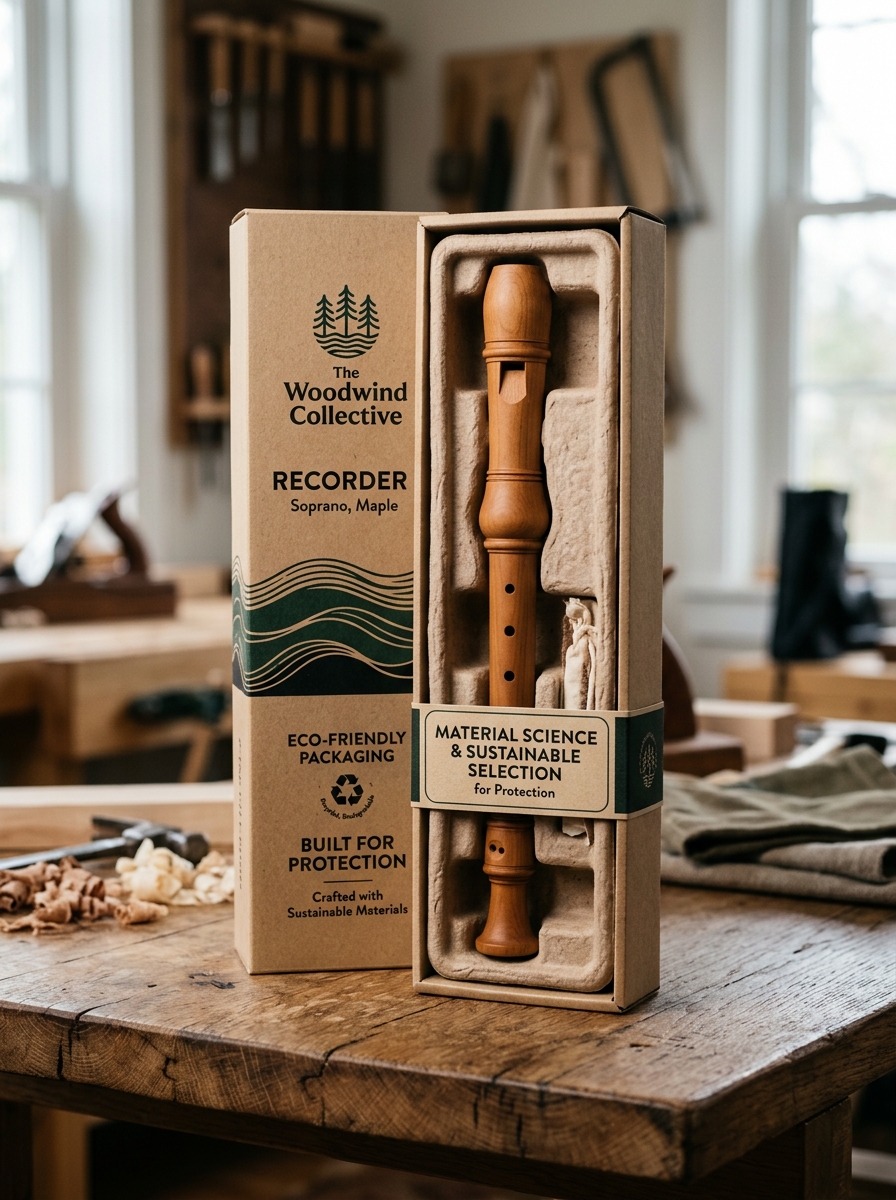
Material Science and Sustainable Selection for Woodwind Protection
In the realm of recorder maintenance, material science is essential for safeguarding delicate woodwind instruments. Protecting a recorder-whether crafted from premium tonewoods like grenadilla or modern ABS resins-requires a deep understanding of hygroscopic properties. Sustainable selection focuses on choosing protective cases and accessories that balance acoustic integrity with environmental responsibility.
Modern innovations utilize recycled polymers and biodegradable composites to create hard-shell protection with superior thermal insulation. These materials shield the instrument from rapid temperature fluctuations and humidity shifts that cause structural cracking. By opting for FSC-certified materials and eco-friendly moisture-wicking liners, musicians ensure long-term instrument longevity. Prioritizing sustainable woodwind storage helps prevent degradation while supporting green manufacturing practices within the music industry.
Optimizing the Unboxing Experience for Aspiring Musicians
A premium unboxing experience sets the stage for a student's musical journey. For aspiring musicians, the first interaction with a soprano recorder should prioritize clarity, hygiene, and immediate playability. High-quality packaging must protect the instrument's ergonomic design and delicate labium while providing organized access to essential maintenance tools.
To enhance the user experience, an optimized package should include:
- Durable Carrying Case: For secure transport and storage.
- Cleaning Rod and Cloth: Essential for moisture control and instrument longevity.
- Comprehensive Fingering Chart: A visual guide to help beginners master initial notes and scales.
- Joint Grease: To ensure smooth assembly of three-piece recorder models.
By focusing on these semantic elements, manufacturers ensure that the transition from box to first note is seamless, fostering immediate engagement with the instrument's tonal clarity and pitch accuracy.
Information Architecture and Technical Clarity on Outer Casings
The information architecture of a recorder's outer casing focuses on the structural organization of mechanical components and user interface touchpoints. Technical clarity is maintained by categorizing casing specifications into three primary domains:
- Material Composition: Distinguishing between high-impact ABS plastics for weight reduction and aluminum alloys for enhanced durability and heat dissipation.
- Environmental Protection: Detailed reporting on Ingress Protection (IP) ratings, ensuring internal circuitry is shielded against dust and moisture.
- EMI/RFI Shielding: Technical documentation regarding internal coatings or metallic layers that prevent electromagnetic interference from degrading audio signals.
By prioritizing a clear hierarchy of these physical attributes, engineers and users can accurately assess the recorder's resilience and ergonomic functionality. This systematic approach ensures that technical data remains accessible, facilitating better maintenance and operational reliability in professional field environments.
Color Psychology and Typography in Educational Product Design
In the design of an educational Recorder, color psychology and typography are pivotal in enhancing student engagement. Utilizing calming blues and focused greens helps minimize anxiety while promoting concentration during the recording and review process.
Typography further optimizes the learning experience by ensuring high legibility and reducing cognitive load. Key design considerations include:
- Sans-serif Fonts: These provide maximum clarity on digital screens for diverse learners.
- Visual Hierarchy: Bold weights help distinguish primary recording actions from secondary playback settings.
- Accessibility: High-contrast color pairings ensure that text remains readable for all users.
By strategically integrating these elements, designers create an intuitive interface that allows students to focus entirely on their educational content and linguistic development rather than navigating complex controls.
Structural Engineering for Long-Term Instrument Care and Storage
Ensuring the longevity of a recorder requires applying structural engineering principles to manage material stability and environmental stressors. The instrument's structural integrity depends on maintaining the precise circularity of the bore and the alignment of the windway. For wooden recorders, engineered storage solutions must account for hygroscopic expansion, where fluctuations in humidity cause the wood grain to swell or contract, potentially leading to stress fractures.
Long-term storage involves using rigid, shock-absorbent cases that distribute mechanical loads evenly, preventing physical deformation. Precision-fit inserts protect delicate joints, such as tenons and sockets, from structural fatigue. By controlling the micro-climate and utilizing vibration-dampening materials, musicians can mitigate material fatigue and preserve the acoustic geometry of the recorder, ensuring it remains temperamentally stable for decades of performance.
Visual Storytelling Through Premium Finishes and Textures
A premium audio recorder is more than a technical tool; it is a masterpiece of design that communicates professional intent through its physical form. By utilizing high-grade materials like brushed aluminum and soft-touch matte finishes, these devices offer a tactile narrative of reliability and sophistication.
The deliberate use of texture provides essential ergonomic grip, ensuring stability during critical field recordings. Visual storytelling in hardware design bridges the gap between functionality and aesthetic prestige. Intricate knurling on control dials and precision-engineered chassis reflect a commitment to quality that resonates with professional creators.
These premium finishes do more than protect internal circuitry; they signal a standard of excellence. Every detail, from light-reflecting surfaces to anti-fingerprint coatings, enhances the user experience through sensory engagement and durable, high-end aesthetics.
Maximizing Retail Impact with Specialized Window Displays
To elevate the market presence of high-quality recorders, specialized window displays serve as the primary touchpoint for potential customers. By utilizing visual merchandising strategies specifically tailored to professional audio equipment, retailers can highlight the intricate craftsmanship and technical excellence of each instrument.
Effective displays incorporate thematic elements-such as acoustic backdrops or professional studio settings-to create an immediate emotional connection with musicians and hobbyists. Strategically placed lighting and clear product descriptions ensure that the recorder remains the focal point, effectively driving foot traffic and increasing store conversion rates.
Investing in bespoke retail showcases not only boosts immediate sales but also strengthens brand authority within the competitive music industry, ensuring your product line stands out in a crowded marketplace.
Future Trends in Eco-Friendly and Digital-Integrated Packaging
The packaging landscape for high-precision devices like the Recorder is rapidly evolving toward sustainability and smart technology. Future trends prioritize biodegradable materials, such as molded pulp and compostable fibers, to significantly reduce the environmental impact of consumer electronics.
Simultaneously, digital integration is transforming the unboxing experience. Brands are replacing traditional paper manuals with scannable QR codes and NFC-enabled packaging, providing instant access to cloud-based tutorials and product authentication. These innovations minimize physical waste while enhancing user engagement through Augmented Reality (AR) interfaces.
By adopting circular economy principles, the next generation of Recorder packaging focuses on minimalist design and high recyclability. This synergy of green logistics and digital connectivity ensures that high-tech distribution remains efficient, carbon-neutral, and aligned with modern consumer expectations.
Leave a comment