

Elevating castanet packaging design requires a nuanced blend of structural integrity and evocative storytelling. As the primary bridge between the artisan's workshop and the performer's hand, the packaging must reflect the percussive soul and cultural heritage inherent to the instrument.
Mastering this specialized niche involves harmonizing tactile textures with visual cues that signal rhythmic precision. From selecting sustainable materials that honor the wood's organic origins to implementing conceptual layouts that enhance the unboxing ritual, every element reinforces a brand's identity. By prioritizing both aesthetic allure and functional protection, designers create a cohesive experience that resonates with professional musicians and collectors alike. Understanding these fundamental principles reveals how thoughtful design transforms a simple container into a lasting testament to musical craftsmanship.
The Cultural Heritage of Castanet Visual Identity
The visual identity of castanets represents a profound intersection of Mediterranean craftsmanship and Spanish folk traditions. More than mere percussion instruments, castanets (or castañuelas) are recognized by their iconic symmetrical shells and organic textures. Traditionally handcrafted from dense hardwoods like granadillo, ebony, or walnut, their polished finish highlights the natural wood grain, symbolizing a legacy of artisanal mastery.
In performance arts like flamenco, the visual profile of the castanet is as essential as its sound. The ergonomic curves and the "ear" (oreja) where the decorative cords are threaded create a distinct silhouette that has become a global emblem of Spanish culture. Whether showcasing a matte natural timber or a sleek resin finish, the visual aesthetic of the castanet reflects a heritage of elegance, rhythm, and enduring artistic identity.
Defining the Target Demographic for Percussion Packaging
Understanding the audience for castanet packaging is essential for effective market positioning. The primary demographic consists of professional flamenco dancers and orchestral percussionists who require high-end, durable cases that protect instrument resonance and prevent wood warping.
Additionally, music educators and students represent a significant segment. For these users, packaging should focus on portability and include instructional elements regarding grip and maintenance. The third segment includes the souvenir and gift market, where aesthetic appeal and cultural storytelling are prioritized.
By tailoring packaging-ranging from premium felt-lined boxes for professionals to informative, transparent blisters for beginners-manufacturers can address the specific functional needs and price sensitivities of the diverse percussion community. Semantic alignment between package design and user intent ensures better brand loyalty and product protection.
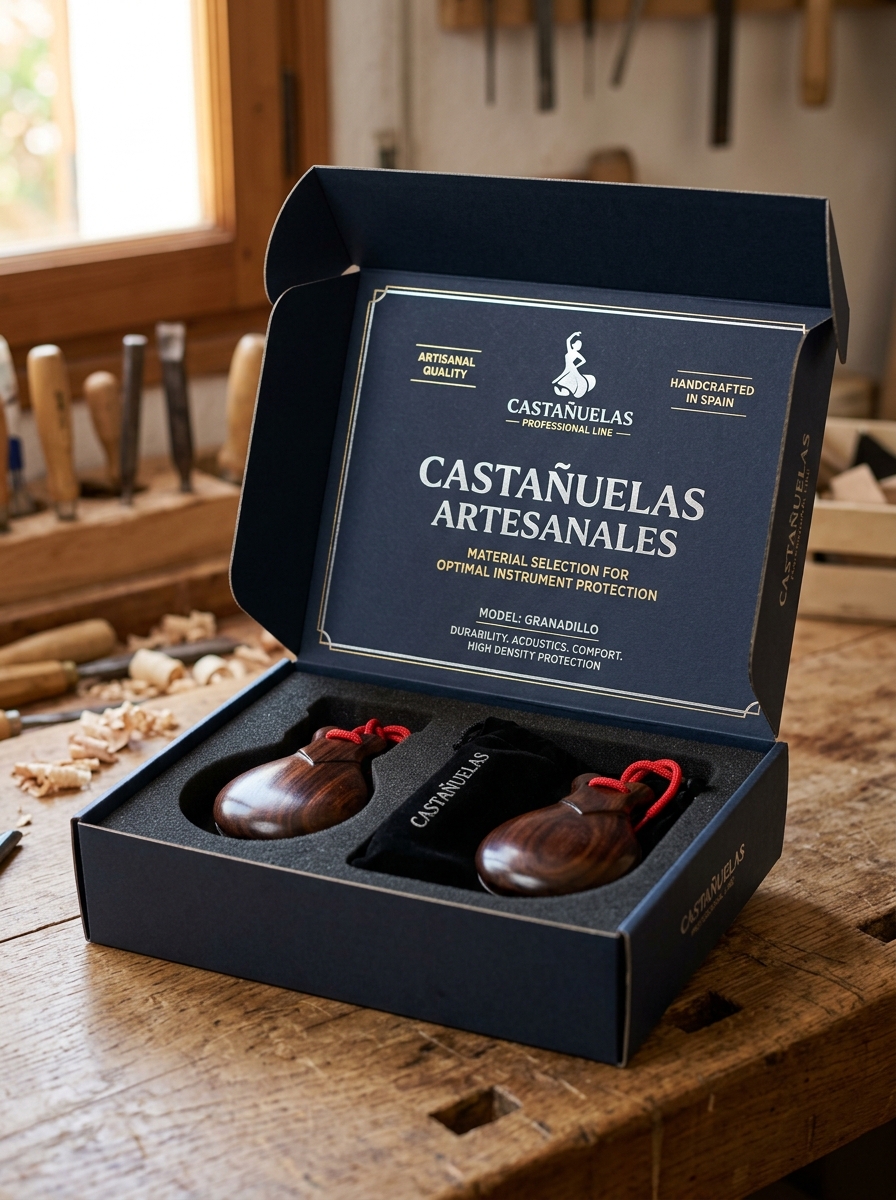
Material Selection for Optimal Instrument Protection
Selecting the right materials for castanet storage is essential for preserving their resonance and structural integrity. Whether your instruments are crafted from traditional granadillo, ebony, or modern fiberglass composites, the protective housing must mitigate environmental and physical risks.
To ensure optimal protection, consider these material characteristics for cases and pouches:
- Impact Resistance: A rigid outer shell prevents physical damage from drops or pressure.
- Soft Inner Linings: Materials like velvet or felt prevent surface abrasions and maintain the polished finish.
- Humidity Control: For wooden castanets, breathable natural fibers or moisture-wicking synthetics help prevent warping and cracking caused by temperature fluctuations.
Investing in high-quality protective materials ensures that professional castanets maintain their distinctive "clack" and tonal clarity over a lifetime of use.
The Role of Texture and Tactile Finishes in Design
In the design of castanets, texture and tactile finishes are fundamental to both acoustic resonance and ergonomic control. Whether crafted from traditional hardwoods like granadillo or modern synthetic resins, the surface quality dictates the performer's grip and rhythmic speed.
A smooth, polished finish reduces friction, allowing for fluid "carretilla" rolls and rapid finger transitions. In contrast, a matte or slightly textured finish provides essential traction, ensuring the instrument remains secure in the hand during the physical intensity of flamenco dance. These tactile choices also influence the sound; denser, smoother finishes often produce a brighter "clack," while textured surfaces can mellow the vibration. Ultimately, the tactile design of a castanet bridges the gap between the musician's touch and the instrument's rhythmic voice, making finish selection a vital aspect of instrument lutherie.
Harmonizing Traditional Flamenco Aesthetics with Modern Branding
Castanets represent the rhythmic soul of Flamenco, bridging centuries of Andalusian heritage with contemporary artistry. Harmonizing traditional aesthetics with modern branding requires a delicate balance between authentic craftsmanship and minimalist design. By integrating the iconic silhouette of the castañuelas into streamlined visual identities, brands honor their cultural roots while appealing to a global audience.
Modern branding leverages high-quality materials, such as granadillo wood or durable fiber resins, to blend acoustic purity with industrial precision. Semantic optimization focuses on "Spanish percussion" and "handcrafted instruments" to connect with professional dancers and collectors. This strategic synergy preserves the soulful duende of the instrument while establishing a sophisticated, recognizable presence. By emphasizing both tactile elegance and percussive power, brands ensure the legacy of Flamenco remains vibrant and commercially relevant in the digital age.
Color Psychology in Rhythmic Instrument Presentation
In the world of castanets, color psychology significantly influences both the performer's expression and the audience's perception. Traditional deep ebony and dark wood finishes evoke authenticity and sophistication, grounding the rhythmic performance in classical heritage. These darker tones focus the listener's attention on the crisp, percussive clarity of the sound.
Conversely, vibrant red castanets are frequently utilized in Flamenco to symbolize passion, energy, and intensity, visually amplifying the fiery nature of the dance. Modern performers may also choose lighter or brightly colored resins to enhance the visibility of intricate hand movements under stage lights. By strategically selecting instrument colors, percussionists can manipulate the visual "weight" of their performance, ensuring the aesthetic presentation aligns perfectly with the emotional resonance of the rhythm.
Typography and Graphic Layouts for Artisanal Appeal
Developing a visual identity for handcrafted castanets requires a design language that mirrors the instrument's rhythmic soul and tactile elegance. To achieve an artisanal appeal, graphic layouts should prioritize asymmetrical compositions and organic shapes that echo the natural curves of polished wood or high-quality fiber.
Typography serves as the bridge between tradition and modern branding. Utilizing high-contrast serif typefaces or sophisticated calligraphic scripts evokes the Spanish heritage and classical craftsmanship inherent in castanet making. For marketing materials and packaging, incorporating ample white space and minimalist graphic elements allows the intricate textures of the granadillo or ebony to stand out. By balancing classic font pairings with a clean, structural layout, artisans can effectively communicate the precision, durability, and cultural prestige of their professional percussion instruments.
Engineering Internal Compartments for Delicate Woodwork
The acoustic excellence of professional castanets relies on the precision engineering of their internal resonance chambers, often referred to as the "heart." This delicate woodwork involves hollowing out hardwoods-typically granadillo, ebony, or rosewood-to specific depths and curvatures. By meticulously thinning the interior walls, luthiers optimize the vibratory response and tonal projection of the instrument.
Engineered compartments must balance material density with air volume to achieve a crisp, percussive "clack." Advanced craftsmanship ensures that the concavity is perfectly symmetrical, preventing warping while enhancing structural integrity. This internal shaping defines the instrument's pitch and timbre, allowing for nuanced expression in Spanish classical dance. Mastering this void is essential for producing high-quality percussion instruments that resonate with both clarity and warmth.
The Impact of Sustainable Packaging on Professional Musicians
For professional castanet players, the shift toward sustainable packaging represents a vital intersection of instrument care and environmental responsibility. High-quality castanets, often crafted from precious hardwoods like ebony or specialized resins, require stable environments to preserve their acoustic properties.
Eco-friendly packaging solutions impact musicians in several key ways:
- Instrument Longevity: Sustainable materials like recycled corrugated cardboard and organic hemp pouches provide excellent thermal insulation, protecting castanets from humidity-induced warping.
- Brand Alignment: Modern percussionists often prefer eco-conscious manufacturers that utilize FSC-certified materials, reflecting a commitment to global reforestation.
- Reduced Waste: Streamlined, plastic-free packaging reduces the bulk for touring musicians who must manage equipment efficiently while minimizing their carbon footprint.
By prioritizing biodegradable materials, manufacturers ensure that elite performers receive precision instruments in peak condition without compromising the planet's health.
Creating an Immersive Unboxing Experience for Performers
For professional percussionists and flamenco dancers, the arrival of new castanets is a significant ritual. An immersive unboxing experience begins with premium, sustainable packaging designed to protect the delicate wood or high-density resin from temperature shifts. Including a custom-fit, moisture-wicking protective pouch is essential for maintaining the instrument's tonal integrity over time.
To deepen the connection with the performer, brands should include a certificate of authenticity detailing the material origin and specific tuning frequency. Clear instructions on adjusting cord tension and managing the initial "break-in" period ensure the artist achieves optimal resonance immediately. By focusing on tactile quality and the aromatic scent of treated hardwoods, the unboxing process transforms a simple purchase into a professional milestone, celebrating the heritage and craftsmanship of the percussion arts.
Leave a comment