
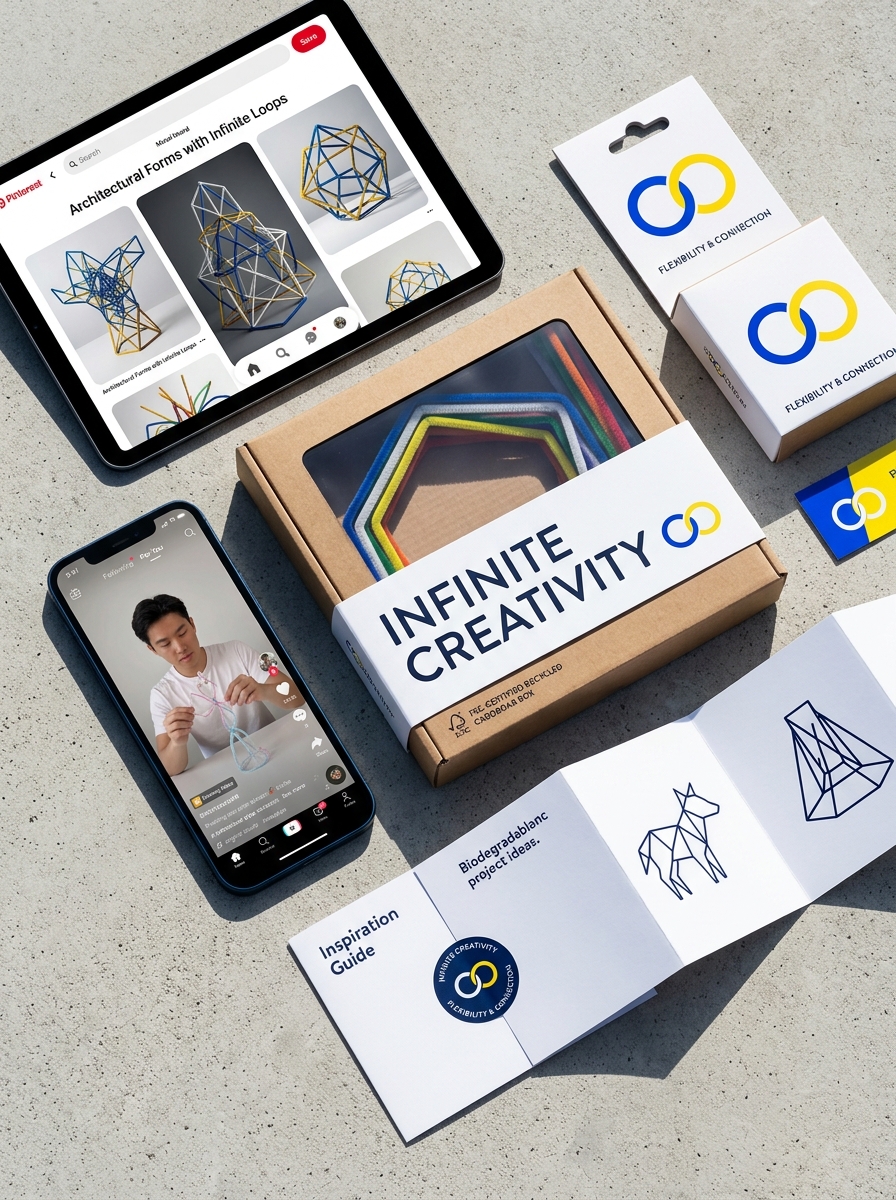
Elevating pipe cleaner packaging design requires a strategic blend of functionality and artistic flair. For brands targeting crafters, educators, and hobbyists, the visual identity of the product serves as the primary touchpoint for consumer engagement. Effective packaging goes beyond mere containment; it communicates quality through vibrant color palettes, tactile textures, and strategic die-cut windows that showcase the product's unique flexibility and fuzziness.
By prioritizing sustainable materials and intuitive structural layouts, manufacturers can significantly enhance retail shelf appeal. This exploration into essential visual concepts and aesthetic tips focuses on transforming simple utility items into premium brand experiences. Mastering these design elements ensures your product stands out through cohesive storytelling and high-impact graphic presentation, ultimately driving brand loyalty and consumer trust.
The Role of Vibrant Color Palettes in Craft Branding
In the competitive hobby industry, pipe cleaners-also known as chenille stems-rely heavily on visual appeal to capture consumer interest. Vibrant color palettes serve as a vital branding tool, signaling both versatility and creative potential. By offering a diverse spectrum of bold primaries, soft pastels, and shimmering metallics, manufacturers can effectively differentiate their products on crowded retail shelves.
Strategic color selection influences buyer psychology; bright, neon tones often inspire high-energy children's crafts, while sophisticated jewel tones cater to adult DIY artisans and professional creators. For craft brands, maintaining high-pigment consistency across product lines builds brand recognition and consumer trust. Ultimately, these diverse hues are essential markers of quality and utility, helping crafters quickly identify the perfect materials to bring their unique artistic visions to life.
Maximizing Product Visibility with Transparent Window Cutouts
In the competitive craft supply market, pipe cleaner packaging must prioritize visual appeal to capture consumer interest. Transparent window cutouts serve as a strategic design element that bridges the gap between the boxed product and the shopper. By showcasing the vibrant colors and unique fuzzy textures of chenille stems, these windows provide immediate tactile reassurance without compromising the integrity of the packaging.
Effective window placement enhances shelf appeal, allowing hobbyists to verify thickness and fiber density at a glance. This transparency builds consumer trust and reduces uncertainty regarding color accuracy. For retailers, high-visibility windows ensure that specialized assortments-such as metallic, neon, or extra-long pipe cleaners-stand out. Utilizing clear cutouts transforms standard containers into an interactive sensory experience, significantly increasing conversion rates through direct product exposure.
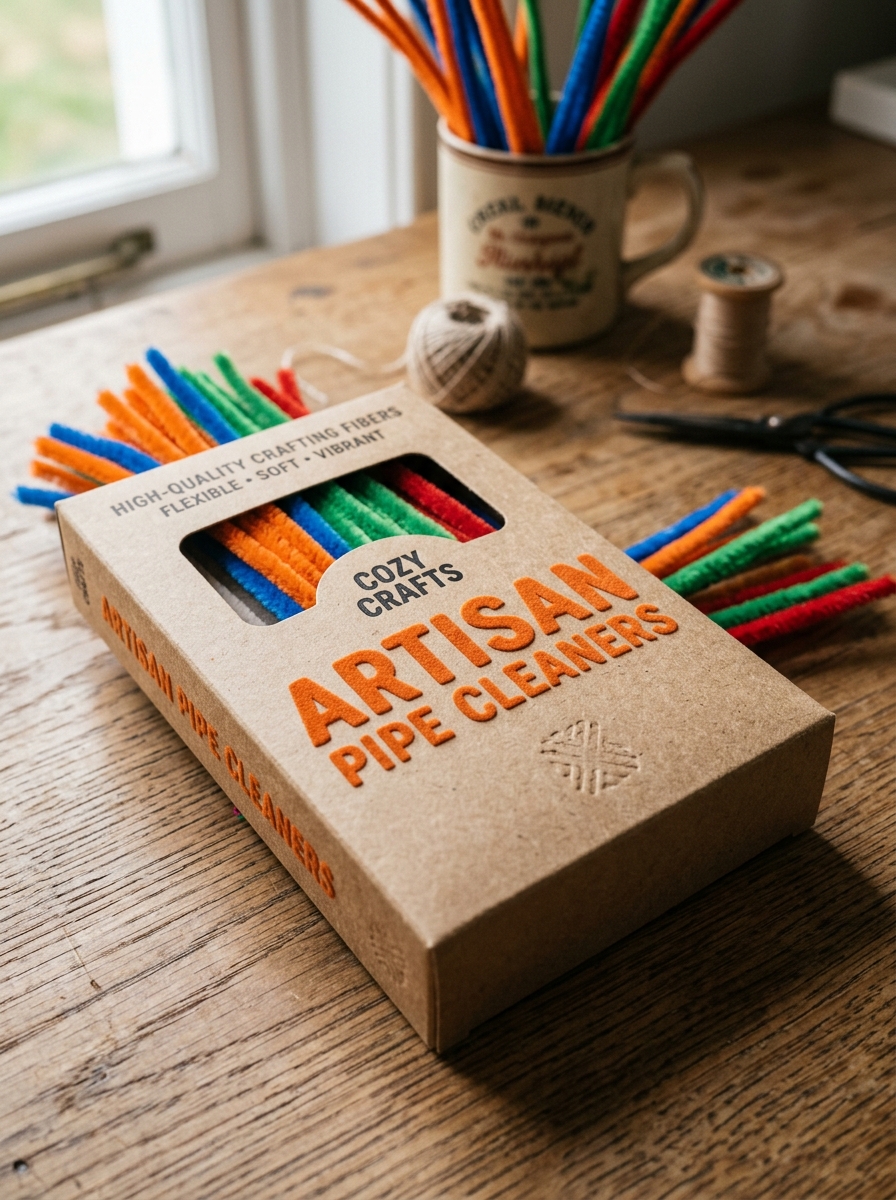
Tactile Packaging Textures That Mirror Fiber Quality
In the craft and industrial sectors, the physical sensation of pipe cleaners-often called chenille stems-is a key indicator of quality. Tactile packaging utilizes sensory branding to communicate this fiber density and softness before the consumer even opens the box. By employing advanced printing techniques like soft-touch matte laminates or raised UV embossing, manufacturers can replicate the plush or bristly feel of the internal product on the exterior surface.
Strategic packaging design often incorporates die-cut windows, allowing for direct sensory verification. This alignment between the packaging's haptic feedback and the actual fiber quality builds consumer trust. Whether the pipe cleaners are intended for delicate school crafts or heavy-duty laboratory cleaning, textured packaging serves as a silent salesperson, reinforcing the product's durability, shed-resistance, and premium construction through touch.
Sustainable Material Choices for Eco-Conscious Crafters
As environmental awareness grows, artisans are seeking greener alternatives to traditional plastic-based pipe cleaners. Sustainable crafting begins with material selection, prioritizing natural fibers like organic cotton, bamboo, or wool. Unlike synthetic polyester, these biodegradable options reduce microplastic pollution and offer a soft, premium texture for high-quality DIY projects.
Eco-conscious crafters should look for chenille stems featuring a recycled metal core. Combining plastic-free fibers with repurposed wire ensures your creations are both durable and environmentally responsible. Choosing compostable materials or products with minimal, plastic-free packaging significantly lowers the ecological footprint of your creative hobbies. By opting for these renewable resources, you can enjoy versatile crafting while supporting a circular economy and protecting natural ecosystems from non-recyclable waste.
Ergonomic Reusable Closures for Long-Term Storage
Effective organization is essential for maintaining the quality and longevity of pipe cleaners. Ergonomic reusable closures provide a superior solution for long-term storage, ensuring these versatile craft supplies remain organized, clean, and easily accessible. These closures are designed with user-friendly locking mechanisms that accommodate frequent opening without degrading, offering a sustainable alternative to single-use packaging.
By utilizing airtight and secure sealing technology, these containers protect the delicate chenille fibers from dust, moisture, and compression. This preservation is vital for preventing the internal wire cores from rusting or losing their flexibility. For hobbyists and professional educators, investing in ergonomic storage solutions facilitates better inventory management and workspace efficiency. High-quality, reusable closures ensure that your creative materials stay in peak condition, ready for any project or artistic application.
Typography Trends for Playful and Professional Arts Supplies
In the competitive market for pipe cleaners (chenille stems), typography acts as a vital bridge between creative expression and brand reliability. Modern packaging for arts supplies now leverages specific font trends to target distinct demographics effectively.
For playful, kid-oriented products, brands utilize rounded sans-serif typefaces and organic "bubble" letters that mirror the flexible, tactile nature of the product. These fonts evoke a sense of safety and whimsy. Conversely, professional-grade pipe cleaners intended for advanced floral design or architectural modeling often adopt minimalist, geometric fonts. These clean lines signal precision, durability, and premium quality.
Integrating these typography trends ensures that the visual identity aligns with the functional versatility of the stems, appealing to both the imaginative hobbyist and the meticulous professional through strategic, semantic-driven design choices.
Whimsical Illustration Styles for Child-Friendly Marketing
Whimsical illustration styles are essential for engaging young audiences in the pipe cleaner and crafting market. By utilizing soft lines, vibrant color palettes, and personified characters made of fuzzy stems, brands can transform simple wire tools into catalysts for imagination. These artistic choices make chenille stems appear approachable and fun, encouraging tactile exploration and creative play.
Effective child-friendly marketing often features hand-drawn aesthetics and story-driven visuals that highlight the flexibility and safety of the product. Whether through watercolor textures or bold, playful vector art, these illustrations help parents and educators visualize the endless possibilities for DIY projects. By focusing on friendly, expressive imagery, brands successfully position pipe cleaners as a must-have medium for developing fine motor skills and fostering artistic expression in children.
Minimalist Geometric Layouts for Modern Aesthetic Appeal
Achieving a modern aesthetic with pipe cleaners involves moving beyond traditional crafts toward structured, minimalist geometric layouts. By leveraging the internal wire's flexibility, creators can fashion precise polygons-such as hexagons, triangles, and tetrahedrons-that mimic high-end wire sculptures.
These architectural forms emphasize clean lines and structural simplicity. Key techniques for modern layouts include:
- Linear Precision: Straightening stems to create sharp, defined angles.
- Negative Space: Utilizing open frames to maintain a lightweight, airy feel.
- Monochromatic Palettes: Using neutral or metallic chenille stems to enhance sophistication.
Whether used for abstract wall art or tabletop accents, these geometric designs transform humble pipe cleaners into elegant design elements. This approach highlights the perfect balance between mathematical symmetry and creative interior styling.
Incorporating Project Inspiration and QR Code Tutorials
Elevate your crafting experience by utilizing project inspiration guides and QR code tutorials. Pipe cleaners, or chenille stems, offer endless possibilities, but a curated project manual can help jumpstart the creative process for beginners and experts alike. These guides provide visual cues and structural ideas, turning flexible wires into vibrant 3D art.
To further simplify the DIY process, many modern kits now feature scannable QR codes. By linking directly to immersive video tutorials, these codes offer step-by-step visual instructions that clarify complex bending and twisting techniques. This integration of digital resources ensures that crafters can master intricate shapes with ease. Whether you are building educational models or whimsical characters, combining physical materials with interactive digital content maximizes the utility and enjoyment of every pipe cleaner project.
Strategic Shelf Placement Through Distinctive Packaging Shapes
In the competitive craft supply market, pipe cleaners often blend into uniform displays. Strategic shelf placement is achieved by utilizing distinctive packaging shapes that break visual monotony. Moving beyond standard flat polybags, innovative designs like hexagonal tubes or reinforced canisters create immediate shelf impact and visual disruption.
These unique structural geometries optimize retail visibility and allow for better organization on gondola shelving. For retailers, rigid packaging prevents product slumping, ensuring a tidy presentation. For consumers, ergonomic shapes suggest premium quality and offer functional storage long after the initial purchase. By leveraging structural packaging engineering, manufacturers can secure prime eye-level positioning, enhance brand recall, and significantly increase the sell-through rates of chenille stems and craft wires.
Leave a comment