
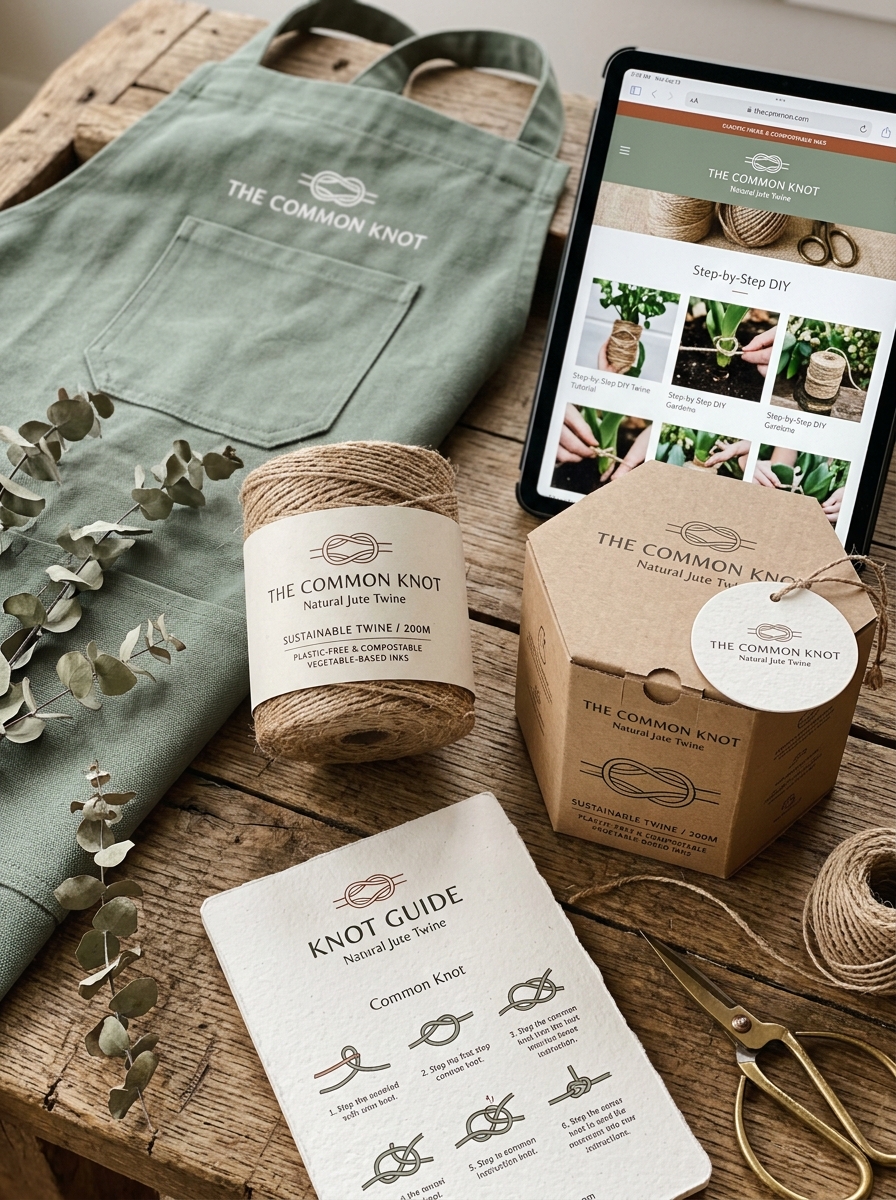
Modern packaging design is increasingly defined by the intersection of sustainability and high-end visual appeal. Incorporating natural jute twine offers a tactile, eco-friendly solution for brands seeking to enhance their aesthetic identity through organic textures. This versatile material bridges the gap between rustic charm and sophisticated minimalism, providing a sensory experience that resonates with conscious consumers.
By applying specific design principles-such as strategic layering, contrast management, and artisanal knotting-businesses can transform standard shipping materials into premium brand touchpoints. Understanding the synergy between biodegradable fibers and modern typography allows for a cohesive presentation that communicates quality and environmental responsibility. This exploration delves into how jute twine serves as a powerful tool for elevating brand storytelling and refining the unboxing experience.
The Evolution of Eco-Friendly Packaging Aesthetics
The shift toward sustainability has fundamentally redefined modern design. In the evolution of eco-friendly packaging aesthetics, natural jute twine has emerged as a cornerstone material. Once viewed as a purely functional industrial tool, this biodegradable fiber now signifies premium, environmentally conscious branding.
Jute's organic texture and earthy tones provide a rustic charm that synthetic alternatives cannot replicate. As consumers increasingly prioritize plastic-free solutions, the transition from glossy tapes to compostable jute reflects a deeper commitment to the circular economy. This durable, plant-based material enhances unboxing experiences by blending tactile warmth with ecological responsibility, proving that high-end style and environmental sustainability are no longer mutually exclusive.
Understanding the Tactile Appeal of Natural Jute Fibers
Natural jute twine is celebrated for its unique tactile appeal, characterized by a raw, organic texture that distinguishes it from synthetic alternatives. Derived from the Corchorus plant, these vegetable fibers offer a rustic aesthetic and a grippy, fibrous feel essential for secure knot-tying in gardening, upholstery, and gift wrapping.
Known as the "Golden Fiber," jute is prized for its high tensile strength and low extensibility, ensuring durability while remaining soft enough for artisanal handling. This biodegradable material provides a distinct sensory experience, connecting crafters and florists to nature through its earthy scent and coarse surface. Whether used for macramé, heavy-duty packaging, or decorative accents, the authentic, unrefined touch of natural jute enhances the sustainability and character of any project.
Harmonizing Organic Textures with Modern Minimalist Design
Natural jute twine serves as a bridge between raw earthiness and sleek sophistication. In modern minimalist design, where clean lines and neutral palettes dominate, the introduction of organic fibers provides essential tactile warmth. This biodegradable material acts as a visual anchor, softening the potential sterility of contemporary spaces.
Whether utilized for artisanal packaging, hanging indoor greenery, or subtle decor accents, jute's golden-brown hues offer a grounding contrast to smooth surfaces like glass or polished concrete. By integrating this eco-friendly material, designers achieve a balanced, biophilic aesthetic. Jute twine proves that sustainable, rustic elements can enhance refined minimalism, adding depth and character without overwhelming the simplicity of the design.
Sustainable Branding through Earthy and Neutral Color Palettes
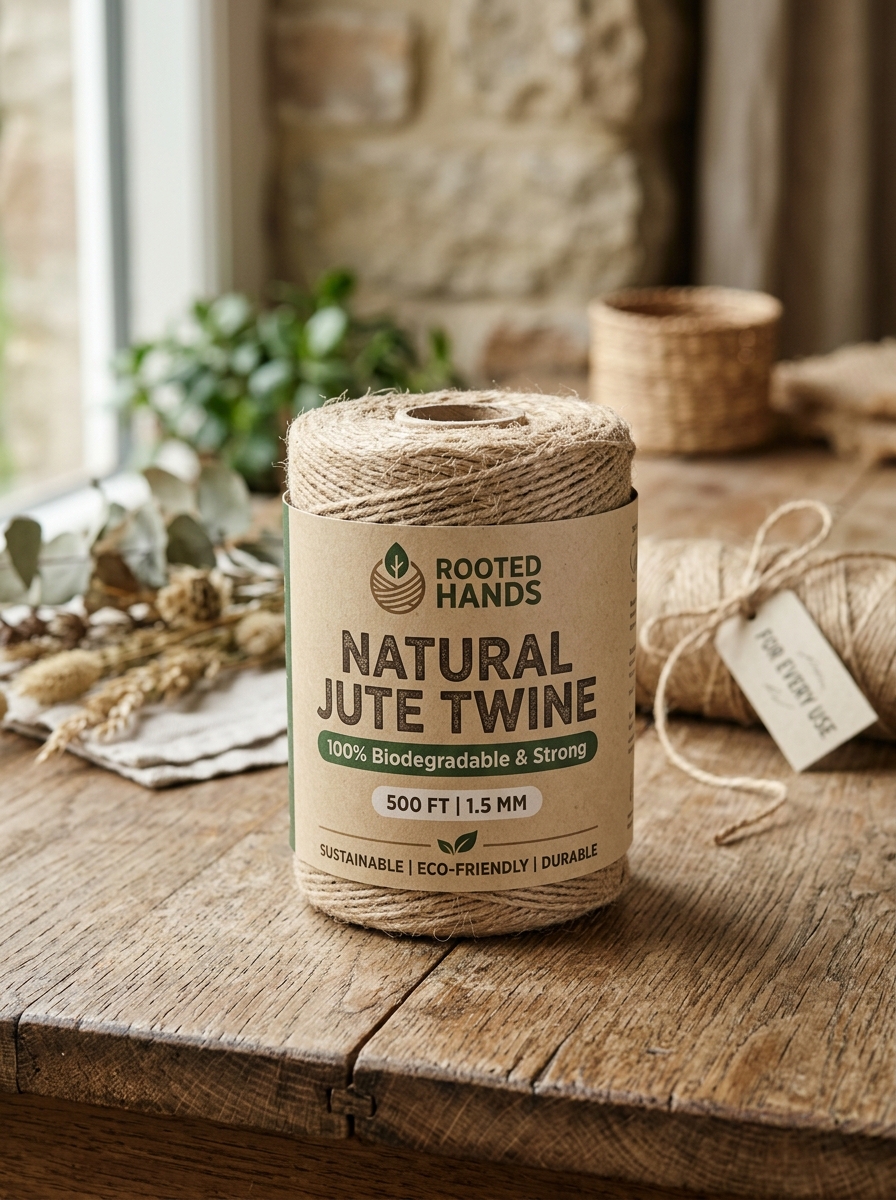
Natural jute twine is a cornerstone of eco-conscious packaging, offering a tactile bridge between brand identity and environmental responsibility. Its inherent earthy tones-ranging from soft tans to deep browns-perfectly complement the neutral color palettes that define modern sustainable branding. By integrating these biodegradable fibers, businesses communicate an organic aesthetic that resonates with environmentally aware consumers.
This versatile material enhances product presentation with a rustic charm that synthetic alternatives cannot replicate. Utilizing these muted, natural hues helps brands establish a cohesive visual language centered on authenticity and minimalist design. Whether used for gift wrapping, product labeling, or artisanal crafts, jute twine serves as a functional yet stylish tool for reinforcing a commitment to a circular economy and a low-impact lifestyle.
Mastering Artisanal Knotting Techniques for Premium Presentation
Elevate your branding with natural jute twine, a sustainable material celebrated for its organic texture and rustic charm. Mastering artisanal knotting techniques allows you to transform standard packaging into a premium experience. Specialized methods such as the square knot, decorative loops, and macramé-inspired twists provide structural integrity while adding a handcrafted aesthetic to your products.
Utilizing high-quality jute fibers offers several advantages for professionals:
- Superior Strength: High tensile strength ensures secure fastening for heavy parcels.
- Eco-Friendly Appeal: 100% biodegradable and compostable, appealing to conscious consumers.
- Tactile Elegance: Adds a sensory, high-end feel to floral arrangements and boutique gift wrapping.
By refining your tension and precision, you leverage the raw beauty of jute to create sophisticated, environmentally-responsible presentations that resonate with quality and craftsmanship.
Integrating Jute Twine with Recycled Paper and Cardboard Elements
Combining natural jute twine with recycled paper and cardboard creates a sustainable synergy ideal for eco-conscious packaging and artisanal crafts. This pairing leverages jute's high tensile strength to reinforce cardboard structures while maintaining an entirely biodegradable profile.
Common applications for this integrated approach include:
- Sustainable Gift Wrapping: Securing recycled Kraft paper with twine for a rustic, plastic-free aesthetic.
- Product Tagging: Attaching recycled cardboard hang tags to merchandise using organic fibers instead of plastic fasteners.
- Structural Reinforcement: Binding corrugated cardboard layers for heavy-duty, compostable storage solutions.
Utilizing these materials together supports a circular economy, ensuring that creative projects or industrial shipping methods remain environmentally responsible, durable, and visually cohesive.
Enhancing the Unboxing Experience with Rustic Decorative Accents
Natural jute twine is a premier choice for brands seeking to elevate their sustainable packaging strategy. This versatile, biodegradable craft cord adds an authentic, rustic charm that immediately improves the perceived value of any shipment. By replacing synthetic ribbons with 100% natural fibers, businesses create a tactile unboxing experience that resonates with eco-conscious consumers.
Ideal for securing gift tags, bundling products, or creating artisanal bows, jute twine provides a durable yet elegant finish. Its neutral earthy tones complement various branding styles, from minimalist to vintage. Incorporating this eco-friendly decorative accent not only showcases a commitment to the environment but also transforms standard parcels into thoughtfully curated gifts, fostering customer loyalty through premium, organic presentation.
Balancing Functional Durability and Visual Elegance in Shipping
Natural jute twine serves as a versatile bridge between heavy-duty performance and artisanal aesthetics. Crafted from resilient vegetable fibers, this biodegradable cordage provides the high tensile strength necessary to secure bundles and reinforce packaging during the rigors of transit.
Beyond its structural utility, jute twine enhances the unboxing experience with its distinct rustic charm and organic texture. Its earthy hue offers a premium, eco-friendly look that aligns with modern sustainable branding initiatives. By opting for natural jute, businesses achieve a sophisticated balance: protecting contents with reliable durability while projecting an image of environmental responsibility. This cost-effective material is the ideal choice for brands looking to elevate their shipping presentation without sacrificing functional security or structural integrity.
Communicating Brand Authenticity through Raw Material Selection
Choosing natural jute twine is a strategic decision that signals a brand's commitment to transparency and environmental stewardship. In a marketplace where consumers scrutinize supply chains, the use of organic, plant-based fibers like jute demonstrates an authentic preference for sustainability over synthetic alternatives.
This biodegradable material offers a tactile, rustic aesthetic that resonates with eco-conscious audiences. By integrating raw jute cordage into packaging and product design, businesses communicate a "back-to-basics" philosophy. This deliberate selection of raw materials reinforces brand identity, proving that quality and ecological responsibility are core values. Ultimately, natural jute serves as a visual and physical touchpoint for brand authenticity, fostering deeper consumer trust through honest, earth-friendly material choices.
Future Trends in Biodegradable Luxury Packaging Solutions
As the premium market pivots toward radical sustainability, natural jute twine is emerging as a cornerstone of eco-luxury packaging. Future trends highlight a move away from synthetic ribbons toward high-quality, organic fibers that offer both structural integrity and a sophisticated, artisanal aesthetic. Brands are increasingly adopting jute for its 100% biodegradability and low carbon footprint, aligning with the growing consumer demand for plastic-free, circular packaging.
Innovative applications involve combining natural jute with recycled specialty papers to create a tactile, multi-sensory unboxing experience. This transition reflects a broader industry trend where sustainability becomes the new hallmark of luxury. By integrating compostable elements like jute twine, high-end brands can maintain a premium feel while demonstrating a commitment to environmental stewardship and the reduction of microplastic waste in global supply chains.
Leave a comment