
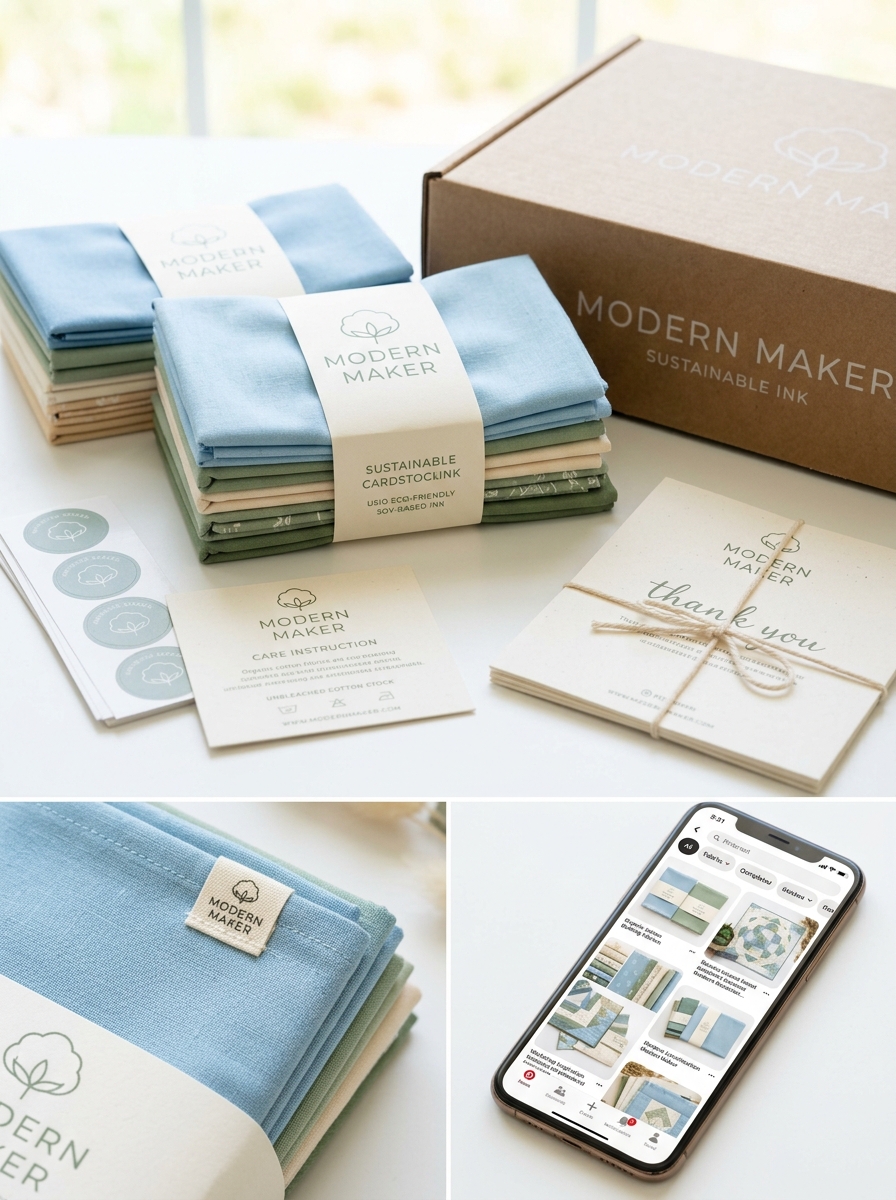
Cotton fabric bundles represent more than just raw material; they serve as a primary touchpoint for brand identity and creative inspiration. Elevating the presentation of these textiles requires a sophisticated fusion of innovative design concepts and refined visual aesthetics. By prioritizing sustainable substrates and tactile finishes, manufacturers can transform standard bundles into premium, curated products that resonate with discerning artisans and hobbyists alike.
Modern packaging strategies now focus on storytelling through texture, cohesive color palettes, and structural integrity. This approach ensures that the initial unboxing experience mirrors the superior quality of the natural cotton fibers within. Integrating minimalist graphics with eco-conscious wraps not only enhances shelf appeal but also establishes a meaningful connection with consumers, successfully evolving functional textile storage into an evocative artistic statement.
The Art of First Impressions in Textile Presentation
In the world of sewing and quilting, cotton fabric bundles represent more than just raw materials; they are a curated vision of potential creativity. The art of presentation is vital in defining the perceived value of premium textiles. When high-quality cotton is meticulously organized into color-coordinated sets or thematic patterns, it creates an immediate visual impact that resonates with artisans.
Professional curation, including fat quarters or precision-cut strips, highlights the intricate weave and vibrant dyes of the natural cotton fibers. This thoughtful arrangement allows crafters to envision their final projects instantly, emphasizing both convenience and aesthetic harmony. By prioritizing superior presentation, suppliers ensure their fabric bundles stand out, signaling a commitment to quality that inspires the maker's artistic journey from the very first glance.
Defining Visual Harmony Through Color Story Curation
Visual harmony in cotton fabric bundles is achieved through meticulous color story curation. This process involves selecting a cohesive palette that balances hue, saturation, and value to ensure every piece resonates within a larger quilting or sewing project. By applying principles of color theory, designers create bundles featuring analogous, complementary, or monochromatic schemes that simplify the creative journey.
Effective curation focuses on three core elements:
- Tonal Depth: Mixing light, medium, and dark values to create visual movement.
- Print Coordination: Balancing bold focal patterns with subtle blenders and solids.
- Thematic Consistency: Ensuring the collection evokes a specific mood or seasonal aesthetic.
For textile enthusiasts, these pre-selected assortments eliminate the guesswork of manual matching. Choosing a professionally curated bundle ensures your final project maintains a sophisticated, intentional look across every yard of fabric.
Sustainable Material Choices for Eco-Conscious Fabric Branding
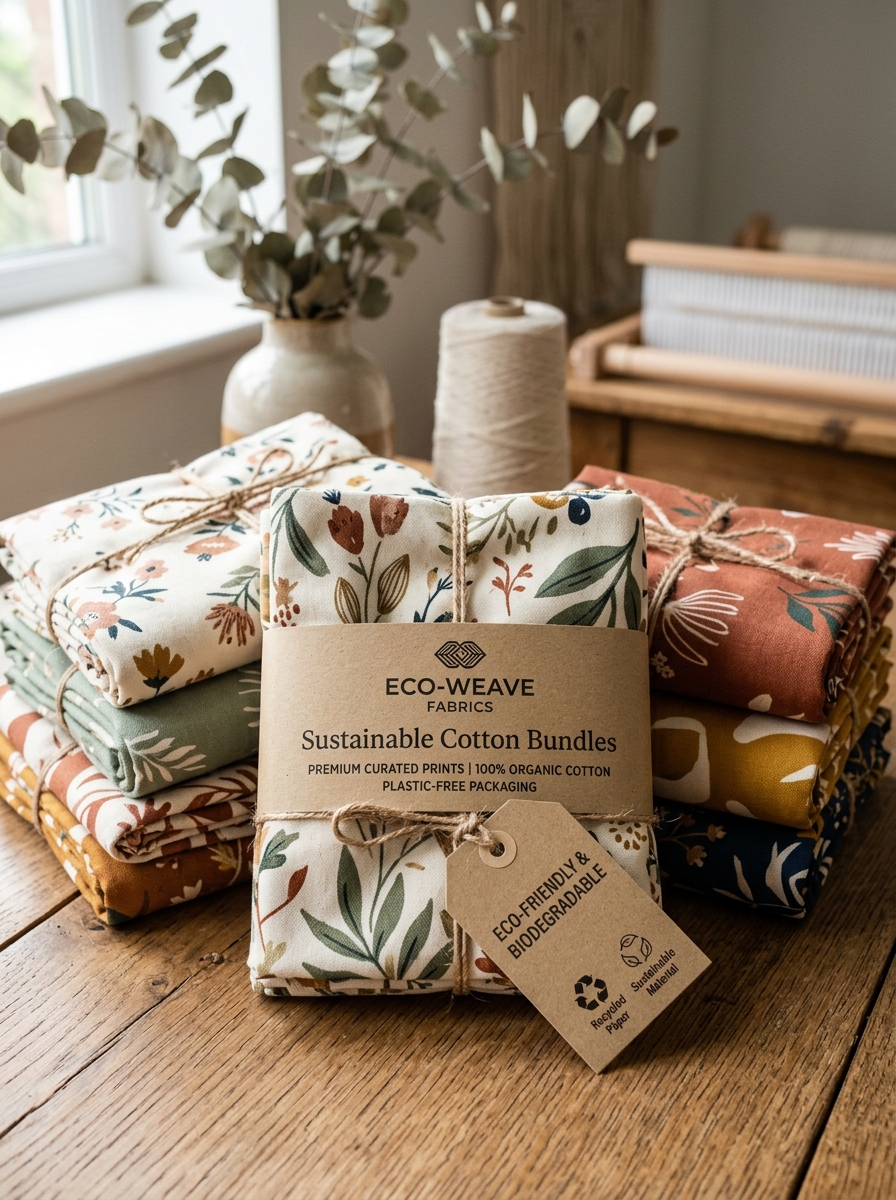
For brands specializing in cotton fabric bundles, selecting sustainable materials is a powerful way to align with eco-conscious consumer values. Utilizing GOTS-certified organic cotton ensures that fibers are cultivated without toxic pesticides, protecting both the ecosystem and the end-user. Additionally, incorporating recycled cotton into curated bundles reduces landfill waste and lowers water consumption during production.
Eco-friendly branding extends to the use of low-impact, non-toxic dyes and plastic-free packaging solutions. By prioritizing biodegradable fibers and ethically sourced textiles, fabric brands can provide high-quality materials that appeal to environmentally aware quilters and designers. These sustainable choices not only enhance brand integrity but also contribute to a circular textile economy, ensuring that every creative project supports a healthier planet.
Leveraging Tactile Elements to Enhance the Unboxing Experience
The appeal of cotton fabric bundles extends beyond visual patterns; the tactile sensation is a critical component of the unboxing journey. For quilters and crafters, the physical "hand" of the fabric-its softness, weight, and weave-serves as an immediate indicator of quality. Leveraging these sensory elements turns a standard delivery into an immersive experience.
Premium cotton bundles often feature textures ranging from crisp broadcloth to velvety flannels, providing a diverse sensory palette. When these textiles are neatly folded and secured with natural twine or silk ribbons, the tactile feedback reinforces the brand's commitment to excellence. By prioritizing high-quality textile sensations, businesses can foster an emotional connection with consumers, ensuring the first touch leads to a lasting professional relationship and repeat project inspirations.
Typography and Labeling Strategies for Premium Bundle Identity
Establishing a premium identity for cotton fabric bundles requires a strategic approach to visual communication. Typography serves as the cornerstone of brand perception; utilizing elegant serif fonts suggests heritage and quality, while minimalist sans-serif typefaces evoke a modern, artisanal aesthetic. For high-end fabric collections, the font weight and kerning must ensure legibility while maintaining a sophisticated silhouette.
Effective labeling strategies go beyond aesthetics by providing essential product metadata. Premium labels should clearly communicate the material's purity-such as 100% organic cotton-along with origin and thread count. Incorporating tactile elements like embossed cardstock or woven fabric tags enhances the sensory experience. By harmonizing consistent typography with informative, high-quality labeling, manufacturers elevate their cotton bundles into luxury crafting essentials, successfully building brand loyalty among discerning quilters and textile artists.
Innovative Folding Techniques to Showcase Print Diversity
Maximizing the visual appeal of cotton fabric bundles requires innovative folding techniques that prioritize print diversity. Rather than traditional flat stacks, utilizing "fan folding" or "stair-step" arrangements ensures that every unique pattern-from bold focal prints to subtle blenders-is visible at a glance.
For specialized quilting fabric sets like fat quarters or charm packs, "book-style" folds allow crafters to flip through designs, simulating a tactile catalog. These strategic presentation methods highlight the color coordination and scale variety within a curated collection. By employing these professional folding styles, you enhance the aesthetic impact of textile bundles, making it easier for creators to visualize how different motifs will interact in their final sewing or quilting projects.
Minimalist Packaging Aesthetics for Modern Quilting Collections
In the contemporary craft market, cotton fabric bundles are increasingly defined by minimalist packaging that mirrors the "less is more" philosophy. Modern quilting collections often utilize clean, sustainable materials like recycled paper bands and organic twine to secure textiles without distracting from their intricate patterns or vibrant color stories.
This aesthetic shift focuses on the tactile quality and color coordination of the quilting cotton, allowing the fabric's design to remain the primary focal point. By eliminating excess plastic and bulky branding, manufacturers provide an eco-friendly unboxing experience that resonates with environmentally conscious makers. These streamlined presentations not only protect the integrity of the weave but also transform a simple stack of fabric into a curated, artisanal gift. Embracing minimalism ensures that the premium nature of the cotton is showcased with elegance and sophistication.
Balancing Protective Functionality with Decorative Visual Design
Selecting the right cotton fabric bundles requires a strategic balance between utilitarian durability and aesthetic appeal. High-quality cotton serves as a breathable, hypoallergenic barrier, providing essential protective functionality for everyday items like quilts, apparel, and home textiles. This natural fiber is resilient enough to withstand frequent laundering while maintaining its structural integrity.
Simultaneously, the decorative visual design of curated bundles-featuring coordinated color palettes and intricate patterns-elevates the creative impact of any sewing project. By choosing pre-cut fat quarters or fabric strips that harmonize artistic motifs with high thread counts, crafters ensure their work is both visually stunning and functionally long-lasting. This intersection of style and substance makes premium cotton bundles a staple for professional textile artisans and DIY hobbyists alike.
Optimizing Bundle Packaging for High-Impact Digital Marketing
In the competitive online textile market, cotton fabric bundles require strategic packaging to drive digital engagement. Optimizing these bundles involves creating cohesive "color stories" and thematic assortments that resonate with quilters and crafters on visual platforms like Instagram and Pinterest.
To maximize search visibility and conversion, focus on the following semantic elements:
- Curated Aesthetics: Arrange fabrics to highlight contrasting prints and complementary hues, ensuring high-impact flat-lay photography.
- Sustainable Packaging: Utilize eco-friendly ties or transparent wraps that showcase the natural texture of the cotton while appealing to conscious consumers.
- Clear Categorization: Label bundles as "pre-cut assortments" or "fat quarter stacks" to align with specific e-commerce search intents.
By refining the physical presentation for digital screens, brands can enhance the perceived value of their cotton collections and improve click-through rates.
Future Trends in Artisanal Cotton Fabric Packaging Design
The future of artisanal cotton fabric packaging design centers on sustainability and tactile storytelling. As eco-conscious crafting grows, cotton fabric bundles are transitioning toward zero-waste solutions. Key trends include the use of reusable textile wraps, organic twine, and biodegradable seed paper tags that consumers can plant after unboxing.
Designers are increasingly moving away from single-use plastics, opting for a minimalist aesthetic that highlights the natural texture of the textiles. Functional packaging is also gaining momentum, where the outer wrap itself is a fabric scrap suitable for quilting. Hand-stamped branding and botanical dyes on recycled cardstock add a personalized, high-end feel. These innovations reflect a commitment to the circular economy, ensuring every element of the fabric bundle is either reusable or compostable.
Leave a comment