
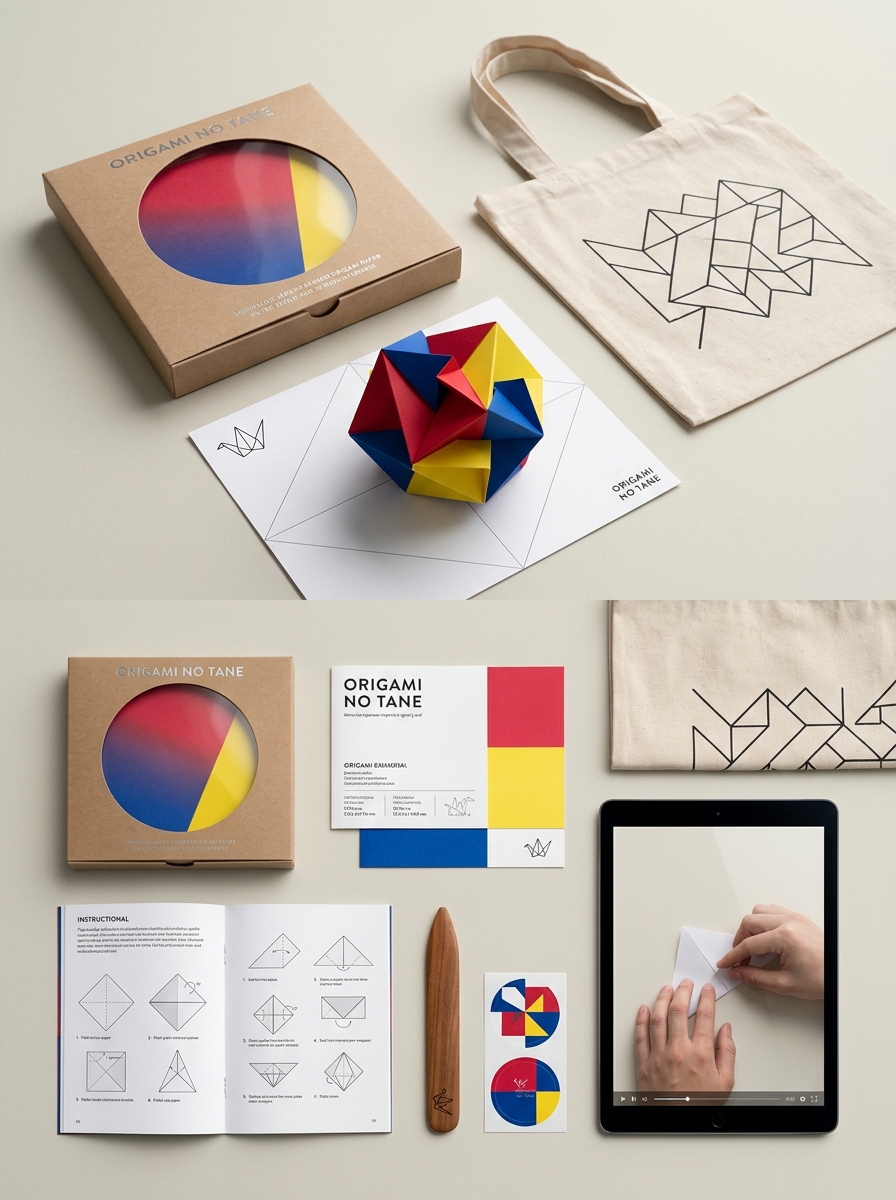
Elevating product presentation requires a sophisticated understanding of geometric precision and material tactility. Origami paper packaging offers a unique approach to structural design, transforming a single sheet of paper into a complex, multi-dimensional vessel often without the need for adhesives. By integrating traditional folding techniques with contemporary branding, designers can achieve a harmonious balance between artistic form and utilitarian function.
This exploration delves into the essential aesthetics of paper manipulation, highlighting how intricate creases and minimalist folds enhance the sensory unboxing experience. Mastering these design concepts communicates a commitment to sustainable craftsmanship and visual innovation. Understanding the interplay of light, shadow, and structural integrity is fundamental for creating memorable, eco-friendly packaging solutions that resonate through intentionality and precision.
The Role of Packaging in the Origami Art Experience
In the world of origami, packaging serves as more than just a container; it is an essential component of the artistic journey. High-quality packaging protects the delicate edges and corners of origami paper, ensuring each sheet remains perfectly square and crisp for precise geometric folding.
Beyond preservation, effective packaging enhances the creative process by offering:
- Protection: Shields specialty fibers from humidity and sunlight damage.
- Organization: Allows folders to easily categorize sheets by color, pattern, or GSM.
- Portability: Keeps paper flat and pristine during travel or storage.
Premium packaging reflects the precision inherent in the craft, transforming raw materials into a curated collection. For artists, the unboxing experience sets the aesthetic tone, ensuring the paper is ready for intricate transformations from the very first fold.
Selecting Durable and Acid-Free Materials for Longevity
Choosing high-quality origami paper is essential for creating models that withstand the test of time. To ensure the preservation of your artwork, always prioritize acid-free paper. This archival characteristic prevents yellowing and brittleness, which occur when acidic compounds degrade cellulose fibers over time.
For superior durability, look for papers with high tensile strength, such as Washi or Tant. These professional-grade materials are engineered to endure complex, repeated folding without tearing or cracking at the creases. By selecting pH-neutral, lightfast materials, you protect both the structural integrity and the vibrant color saturation of your papercraft. Investing in premium, long-fiber origami paper ensures your intricate geometric designs and artistic creations remain pristine for future generations to admire.
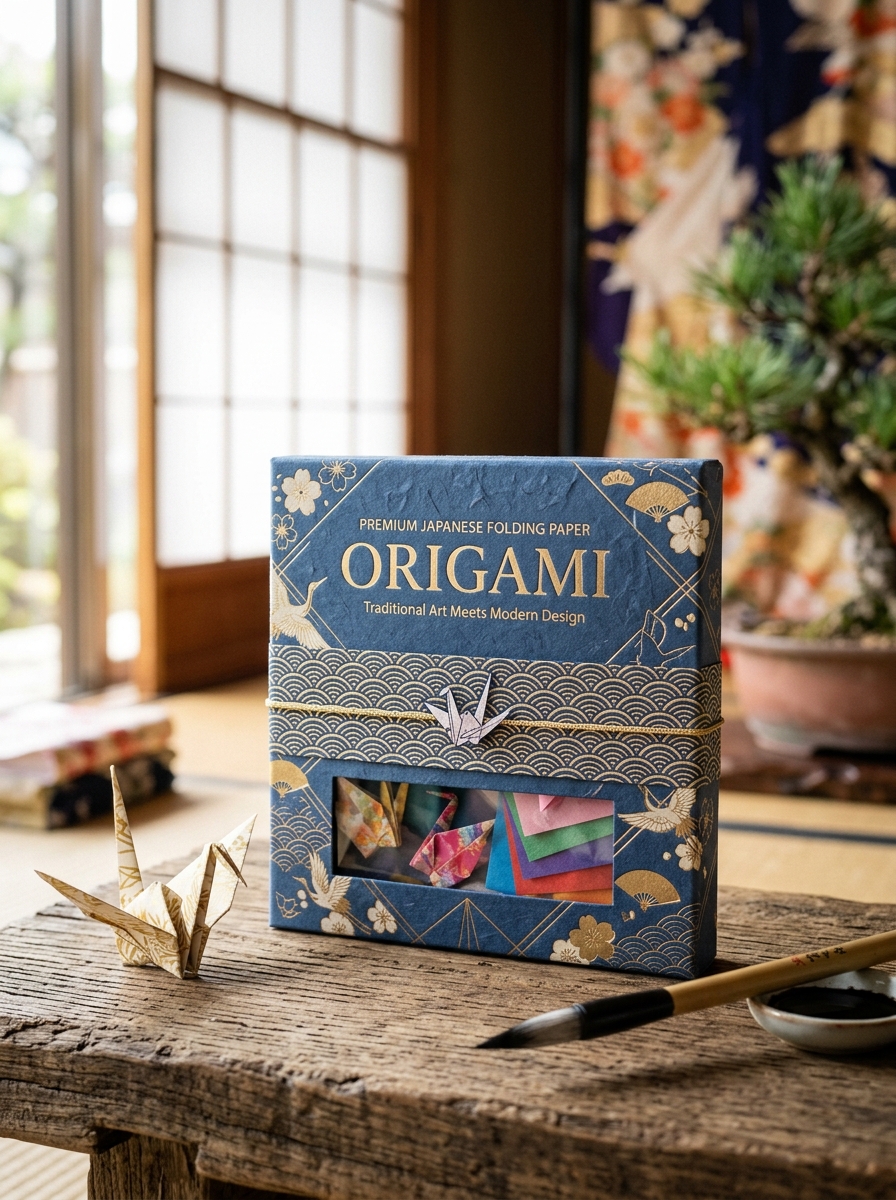
Incorporating Traditional Japanese Aesthetics into Modern Design
Modern design increasingly draws inspiration from traditional Japanese aesthetics, using origami paper to bridge the gap between heritage and contemporary minimalism. By integrating authentic materials like Washi and Chiyogami, designers embrace core principles such as Wabi-sabi (finding beauty in imperfection) and Shibui (subtle, effortless elegance).
The intricate, hand-silkscreened patterns and organic textures of premium origami paper provide a tactile depth that digital alternatives cannot replicate. In branding, interior decor, and sustainable packaging, these geometric folds transform simple sheets into sophisticated structural elements. Whether utilizing Seigaiha (wave) motifs or minimalist folding techniques, incorporating origami paper honors ancient craftsmanship while complementing the clean lines of modern architectural trends. This synergy creates a timeless visual language that resonates with audiences seeking both authenticity and modern precision.
Structural Layouts for Sheet Organization and Protection
Properly managing an origami paper collection requires structural layouts that prioritize both accessibility and preservation. To maintain the crispness and "memory" of the fibers, paper should be stored in flat, rigid environments to prevent curling or accidental creasing.
- Archival Boxes: Utilizing shallow, stackable containers keeps sheets perfectly flat while protecting edges from physical damage.
- Categorized Dividers: Sorting paper by dimensions (e.g., 15cm or 25cm), weight (GSM), and texture ensures efficient selection for specific models.
- UV and Moisture Shielding: Opaque, acid-free enclosures are essential to prevent pigment fading and humidity-related warping in delicate washi or kami.
By implementing these organized frameworks, folders protect their investment and ensure every sheet retains the structural integrity required for high-precision geometric folds.
The Psychology of Color and Pattern in Paper Presentation
The visual impact of origami extends beyond technical skill, as the choice of paper deeply influences emotional resonance. In paper presentation, color theory plays a vital role: warm hues like red and orange evoke energy and joy, making them ideal for celebratory models, while cool blues and greens promote tranquility and focus during complex folding processes.
Patterns further enrich this psychological connection. Traditional Chiyogami or Washi patterns connect the artist to cultural heritage and storytelling, adding layers of narrative to a simple fold. Conversely, solid colors or minimalist geometric patterns emphasize the structural precision and mathematical beauty of the design. By strategically selecting specific palettes and motifs, folders can harmonize their craftsmanship with sensory appeal, ensuring the final creation communicates a clear, intentional mood to the viewer.
Eco-Friendly Packaging Solutions for Sustainable Brands
As businesses pivot toward a circular economy, origami paper offers a versatile and plastic-free alternative for premium product presentation. Utilizing the structural integrity of strategic folds, brands can create durable, adhesive-free packaging that reduces chemical waste and reliance on synthetic materials.
Sourced from high-quality recycled fibers, origami-inspired designs provide a unique unboxing experience that resonates with eco-conscious consumers. These solutions are fully biodegradable and compostable, ensuring that primary retail packaging or protective inserts do not contribute to landfill growth.
By adopting these sustainable folding techniques, companies can lower their carbon footprint while showcasing a commitment to environmental stewardship. Origami paper blends traditional craftsmanship with modern sustainability, providing a tactile, high-end feel that elevates brand identity through innovative, renewable materials.
Enhancing the Unboxing Experience Through Tactile Finishes
The unboxing experience for premium origami paper begins long before the first fold. Tactile finishes, such as matte coatings, linen textures, and embossed patterns, provide immediate sensory feedback that signals high quality. These finishes are not merely aesthetic; they offer the necessary friction and grip required for precision folding and complex geometric designs.
By incorporating diverse paper textures, manufacturers transform a standard product into a luxury tool. A soft-touch finish or the traditional grain of washi paper enhances the physical connection between the artist and the medium. This sensory engagement reduces slipping and ensures crisp, clean creases. Ultimately, selecting origami paper with superior tactile qualities elevates the creative process, turning the act of opening a new pack into an inspiring ritual for paper-crafting enthusiasts.
Brand Identity and Visual Storytelling on the Outer Wrap
The outer wrap of origami paper serves as a vital canvas for brand identity and visual storytelling. Beyond protecting the delicate sheets within, high-quality packaging communicates a brand's heritage, quality standards, and artistic vision. Manufacturers often utilize traditional Chiyogami patterns or modern minimalist aesthetics to signal the paper's origin and intended use.
Through strategic typography and symbolic imagery, the outer wrap narrates the journey of the craft, bridging the gap between raw material and finished art. This visual branding helps enthusiasts identify paper weight, texture, and folding suitability at a glance. By integrating tactile finishes and cultural motifs, brands create an immersive experience that begins the moment a folder picks up the pack, ensuring the product stands out in a competitive marketplace while honoring the ancient tradition of paper folding.
Functional Dispenser Designs for Ease of Access
Efficiently organizing origami paper is essential for maintaining sheet integrity and streamlining the creative process. High-quality dispensers are designed to prevent accidental creasing while providing quick access to specific colors or patterns. Many enthusiasts prefer stackable storage trays or specialized pull-tab boxes that allow for single-sheet retrieval without disturbing the entire stack.
Advanced designs often feature transparent acrylic walls for easy inventory monitoring and weighted bases to ensure stability during use. By implementing a functional dispensing system, folders can protect delicate washi or kami papers from dust and humidity. Whether using a rotating carousel or a vertical slot organizer, these ergonomic solutions transform a cluttered workspace into an accessible studio, ensuring your materials remain pristine for every fold.
Future Trends in Premium Paper Packaging Innovation
The evolution of origami paper packaging is increasingly defined by the intersection of structural ingenuity and environmental stewardship. Future trends highlight a shift toward "functional aesthetics," where the packaging itself is engineered to be repurposed into intricate origami art, minimizing waste through circular design.
Key innovations driving the premium sector include:
- Sustainable Substrates: Use of FSC-certified fibers and rapidly renewable resources like bamboo or hemp to maintain high fold-endurance.
- Tactile Enhancements: Implementation of micro-embossing and aqueous coatings that provide a sensory experience matching the paper's luxury quality.
- Smart Packaging: Integration of scannable AR (Augmented Reality) triggers that provide interactive folding tutorials, bridging the gap between physical paper and digital learning.
These advancements ensure that premium specialty papers are protected by packaging that is as technically sophisticated as the art form it supports.
Leave a comment