
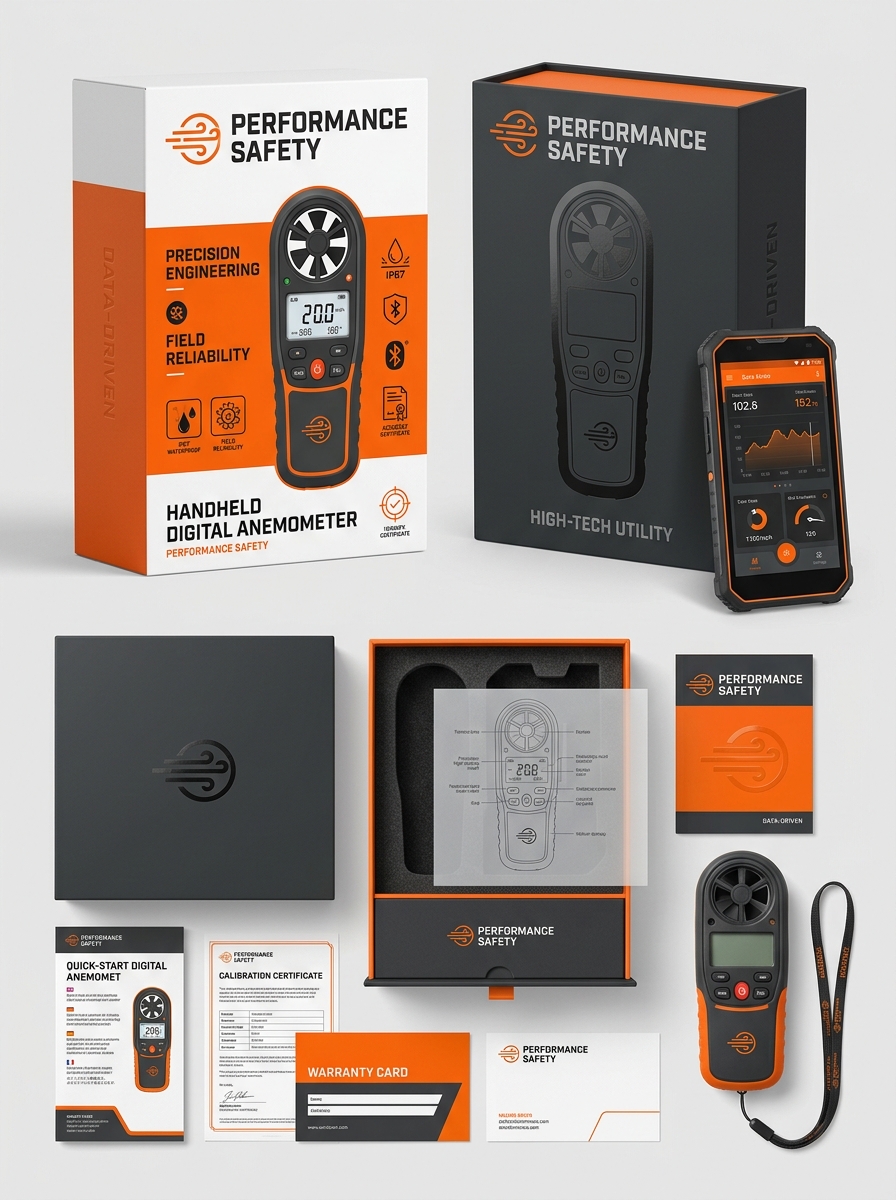
Modern digital anemometers demand more than just rugged durability; they require packaging that mirrors their high-precision engineering. As wind measurement technology evolves, the focus shifts toward innovative design concepts that blend technical aesthetics with functional security. Today's packaging solutions prioritize sustainable materials and custom-molded inserts, ensuring sensitive sensors remain calibrated during transit.
By integrating minimalist visual languages with sophisticated structural engineering, manufacturers can elevate the unboxing experience, transforming a utility tool into a premium professional asset. Exploring the synergy between industrial design and protective architecture reveals how strategic anemometer packaging enhances brand perception and product longevity across the meteorology and HVAC sectors.
The Role of Packaging in Precision Wind Speed Technology
Packaging serves as a critical safeguard for the sensitive components within a digital anemometer. Precision wind speed technology relies on delicate sensors, such as high-frequency impellers or thermistors, which are susceptible to mechanical stress. Optimized packaging provides structural integrity, preventing misalignment or physical damage during transit that could compromise calibration accuracy.
Beyond physical protection, specialized packaging often incorporates anti-static materials to shield internal microchips from electrostatic discharge (ESD). For portable field instruments, durable carrying cases protect against environmental contaminants like dust and moisture. By maintaining the instrument's factory-calibrated state, high-quality packaging ensures reliable data acquisition in meteorology, HVAC testing, and environmental monitoring. This protection is essential for preserving the longevity and operational precision of wind measurement hardware.
Defining the Technical Aesthetic for High Performance Instrumentation
The design of a digital anemometer transcends basic utility, merging rugged durability with precision engineering. For high-performance instrumentation, the technical aesthetic is defined by ergonomic industrial design and intuitive data interfaces.
Key elements of this aesthetic include:
- High-Contrast Displays: Backlit LCDs ensure clear visualization of wind speed and airflow metrics in any environment.
- Ruggedized Housing: Impact-resistant materials protect internal thermistor and vane sensors during intensive field operations.
- Aerodynamic Precision: Streamlined profiles minimize turbulence, ensuring accurate volumetric flow measurements.
By integrating advanced fluid dynamics technology with a professional form factor, these instruments provide the reliability required by HVAC technicians and engineers for critical atmospheric analysis and environmental monitoring.
Structural Engineering and Impact Resistance for Sensitive Sensors
In the design of a digital anemometer, structural engineering is paramount to protecting high-precision internal components. These devices often house delicate ultrasonic transducers or optical encoders that require rigid, stable housing to maintain measurement accuracy. Impact resistance is achieved by using high-grade materials such as reinforced polycarbonate, carbon fiber, or corrosion-resistant aluminum alloys.
Advanced engineering techniques focus on aerodynamic stability and vibration damping to prevent structural fatigue during extreme wind events or gale-force gusts. Robust external shielding protects the sensitive sensors from airborne debris, hail, and mechanical shock. By integrating shock-absorbent mounts and IP-rated enclosures, manufacturers ensure that the anemometer remains operational in harsh environments, delivering reliable wind speed and direction data without risking physical damage or sensor misalignment.
Material Innovation and Sustainability in Industrial Design
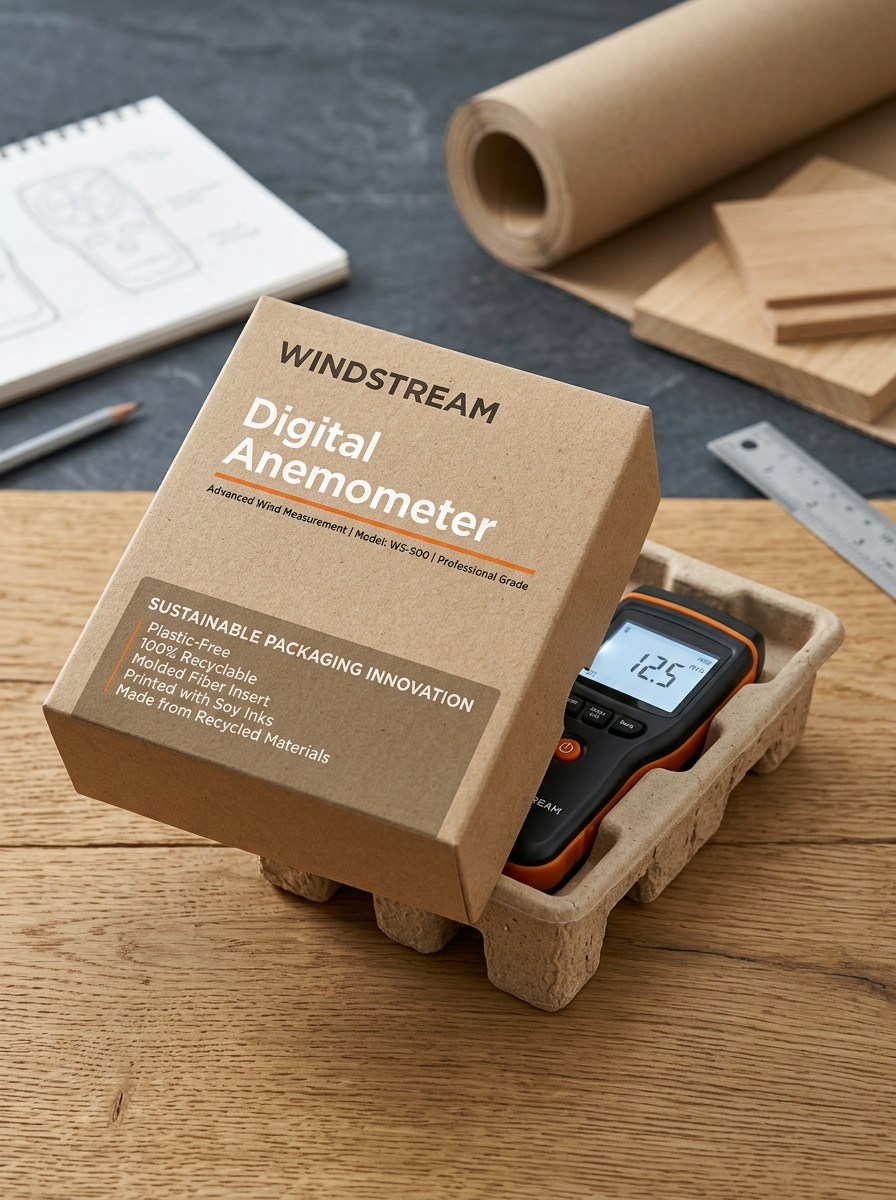
Modern digital anemometers are evolving through material innovation and sustainable industrial design practices. Manufacturers are increasingly utilizing recycled polycarbonates and bio-based composites to reduce the environmental impact of producing wind measurement tools. These advanced materials ensure the device remains lightweight yet durable enough to withstand extreme weather conditions and UV exposure.
Sustainability in design extends to the product lifecycle, focusing on modularity for easier repairs and recyclability at the end of use. By integrating eco-friendly manufacturing processes, such as low-emission injection molding, the industry aligns precision instrumentation with global green energy goals.
Ultimately, choosing sustainable materials for anemometer construction enhances long-term reliability for HVAC technicians and meteorologists while supporting a circular economy within the electronics sector.
The Art of the Unboxing Experience for Professional Tools
For HVAC specialists and environmental technicians, unboxing a digital anemometer is the first step in verifying the precision of their measurement kit. A premium unboxing experience transcends aesthetics; it serves as a functional introduction to the instrument's build quality and calibration standards.
Professional packaging ensures that sensitive components, such as high-precision impeller blades and thermal sensors, remain protected during transit. A well-organized layout-typically featuring the device, batteries, calibration certificates, and a protective carrying case-signals reliability.
This tactile process builds user confidence in the airflow measurement technology before it even reaches the field. By prioritizing secure, intuitive presentation, manufacturers reinforce the professional-grade nature of the tool, ensuring the device is ready for critical wind speed and volumetric flow analysis immediately upon arrival.
Visual Information Hierarchy and Graphic Clarity on Retail Boxes
Effective retail packaging for a digital anemometer relies on a strategic visual hierarchy to communicate technical precision at a glance. The design must prioritize a high-resolution "hero" image of the device, clearly showcasing the impeller and the digital interface to establish immediate product recognition.
Graphic clarity is achieved by organizing technical specifications-such as wind speed accuracy, measurement units (m/s, knots, km/h), and temperature sensing-using bold typography and intuitive icons. This structured approach ensures that key features, like a backlit LCD or Max/Min functions, are instantly legible to both professionals and hobbyists.
By balancing white space with high-contrast callouts, the packaging guides the consumer's eye toward critical performance data. A clean, professional layout not only reinforces brand authority but also simplifies the decision-making process through superior informational transparency.
Ergonomic Storage Solutions and Compact Form Factors
Modern digital anemometers prioritize portability and ease of use through compact form factors. These handheld devices are engineered for one-handed operation, allowing field technicians to measure wind speed and airflow velocity in confined spaces or remote environments effortlessly.
Advanced ergonomic storage solutions, such as integrated sensor guards and ruggedized carrying cases, ensure long-term durability. By protecting sensitive components like the impeller or hot-wire probe from physical impact and environmental debris, these designs maintain measurement accuracy. Lightweight materials further reduce user fatigue during prolonged HVAC inspections or meteorological studies. Whether featuring a fold-away vane or a pocket-sized interface, the streamlined construction of a digital anemometer ensures professional-grade performance is always accessible, maximizing efficiency across diverse industrial and field applications.
Integrating Digital Connectivity and Smart QR Features
Modern digital anemometers have evolved into sophisticated IoT-ready devices, moving beyond simple wind speed measurement. By integrating Bluetooth and USB connectivity, these instruments allow for seamless data transmission to mobile apps and software. This enables HVAC technicians and meteorologists to perform real-time monitoring, long-term data logging, and instant PDF report generation directly from the field.
The addition of Smart QR features further enhances user experience. By scanning a unique QR code located on the device, users can instantly access digital manuals, view calibration certificates, or sync measurement data to cloud-based platforms. This digital integration eliminates manual data entry errors and ensures that critical environmental data is always accessible, searchable, and ready for professional analysis, making the digital anemometer an essential tool for high-precision industrial workflows.
Premium Branding Strategies for Scientific Measuring Devices
To establish a digital anemometer as a market leader, premium branding strategies must center on precision, reliability, and technical authority. Scientific measuring devices require a value proposition rooted in high-grade sensor technology and rigorous calibration standards, such as NIST traceability.
Effective positioning involves more than just functionality; it requires:
- Engineering Excellence: Highlighting durable materials and aerodynamic designs that ensure long-term stability.
- User-Centric Innovation: Integrating advanced features like Bluetooth data logging and intuitive interfaces for HVAC professionals and meteorologists.
- Brand Trust: Leveraging white papers and case studies to demonstrate accuracy in critical environmental conditions.
By focusing on these pillars, manufacturers can differentiate their digital anemometers from consumer-grade tools, commanding a premium price through perceived value and professional-grade performance.
Future Trends in the Evolution of Precision Instrument Packaging
The packaging for digital anemometers is undergoing a significant transformation, driven by sustainability and technological integration. Future trends focus on three core areas to enhance the lifecycle of these sensitive devices:
- Sustainable Materials: A shift toward biodegradable, shock-absorbent composites and recycled plastics that provide high-level protection for delicate airflow sensors while reducing environmental impact.
- Smart Integration: Implementation of QR codes and NFC-enabled tags on packaging to provide instant access to digital calibration certificates, firmware updates, and interactive user manuals.
- Customized Ergonomics: Development of precision-molded, anti-static inserts tailored to specific vane or hot-wire designs, ensuring instrument accuracy is maintained during rigorous transit.
These advancements ensure that high-precision airflow measurement tools remain calibrated and protected, meeting the demands of modern industrial and environmental monitoring.
Leave a comment