
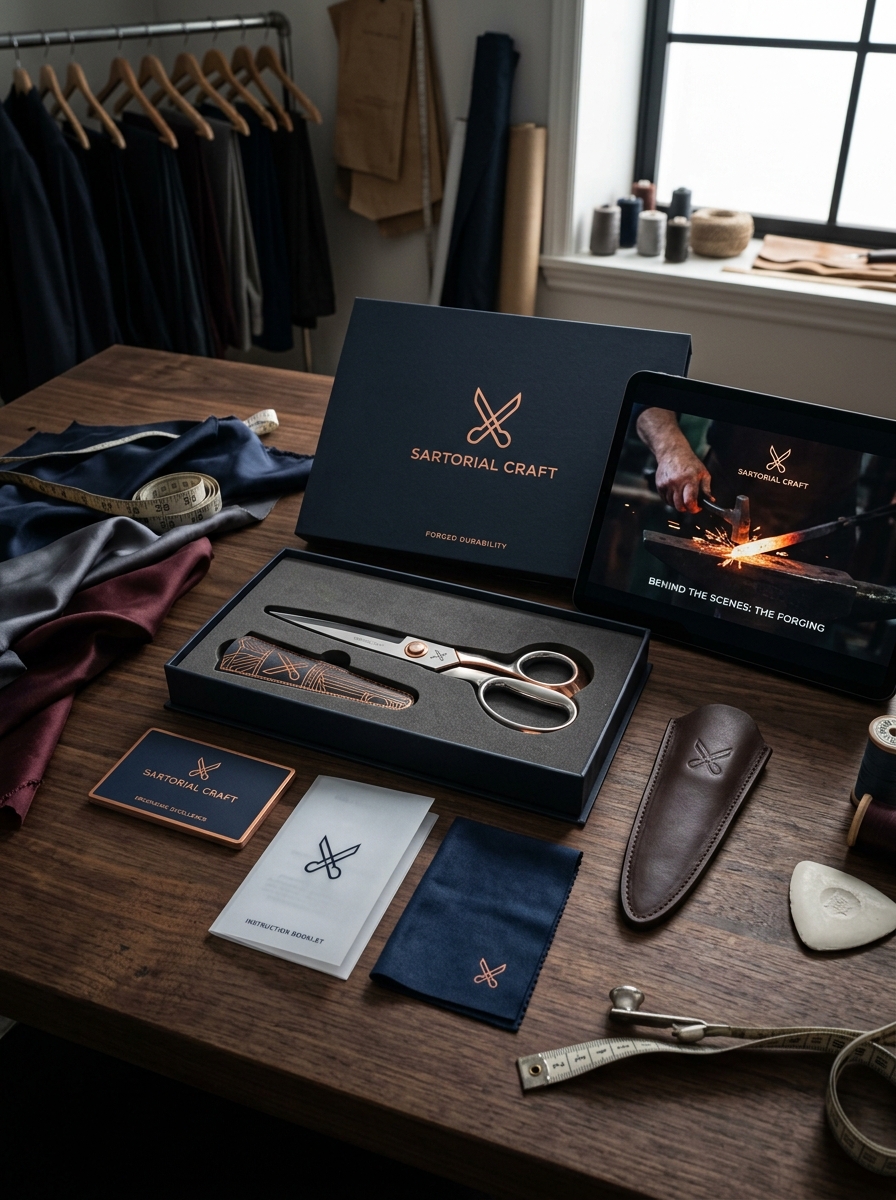
Elevating fabric scissor packaging design requires a sophisticated blend of structural durability and visual storytelling. As precision instruments essential to the garment industry, professional shears demand packaging that communicates high-grade quality while ensuring maximum blade protection. Designers must navigate the intersection of functional ergonomics and brand identity, creating an unboxing experience that resonates with both artisanal tailors and modern hobbyists.
Achieving excellence in this niche involves mastering key concepts such as sustainable material selection, secure internal housing, and high-impact shelf appeal. By integrating aesthetic principles with practical security features, manufacturers can transform a utility container into a symbol of craftsmanship. This exploration delves into the strategic frameworks necessary to optimize packaging for shears, balancing the delicate edge of the tool with the robust demands of retail and logistics.
The Role of Strategic Packaging in the Craft Industry
For high-quality fabric scissors, strategic packaging serves as more than just a container; it is a critical protector of precision. In the competitive craft industry, professional-grade shears require durable housing to maintain blade alignment and prevent dulling during transit. Effective packaging also provides essential information regarding material compatibility-identifying whether the blades are designed for heavy denim or delicate silk.
Furthermore, premium packaging enhances brand perceived value, signaling to sewists and quilters that the tool is a long-term investment. By utilizing clear windows for visual inspection and ergonomic hang-tabs for retail display, manufacturers ensure these vital cutting tools stand out. Ultimately, well-designed packaging bridges the gap between manufacturing excellence and the consumer's need for reliable, sharp, and protected sewing equipment.
Identifying the Aesthetic Preferences of Modern Sewists
Modern sewists increasingly prioritize the visual appeal of their tools, transforming fabric scissors from mere utility items into curated workspace accessories. Today's aesthetic trends favor minimalist silhouettes and sophisticated finishes, such as matte black, rose gold, and iridescent titanium.
This shift is largely driven by social media and maker culture, where high-quality shears serve as a focal point for creative expression. Preferences often lean toward ergonomic handles that blend traditional craftsmanship with sleek, contemporary lines.
Whether seeking the nostalgic charm of vintage-inspired designs or the industrial look of professional-grade steel, the modern sewist selects tools that reflect their personal brand. Ultimately, while precision and sharpness remain non-negotiable, the visual harmony of the instrument has become a critical component of the contemporary sewing experience.
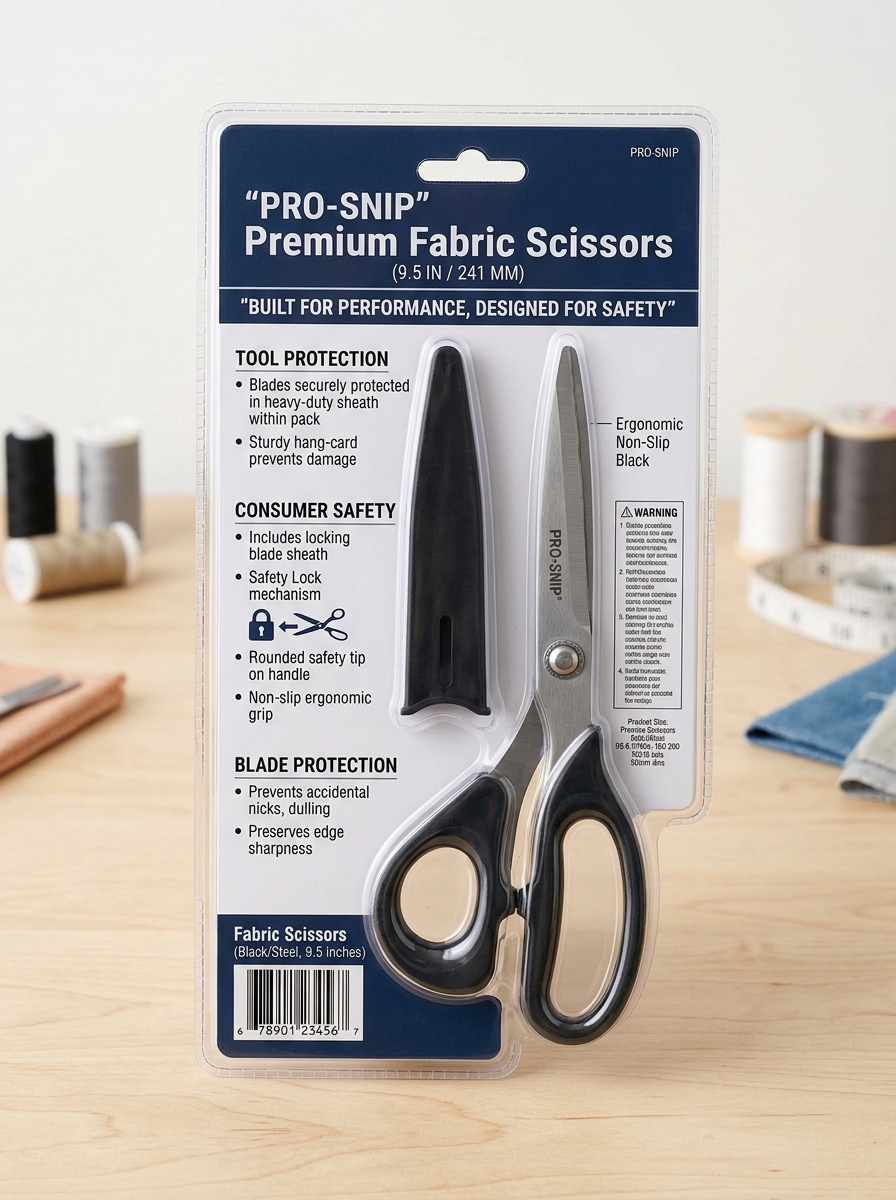
Prioritizing Tool Protection and Consumer Safety
Maintaining high-quality fabric scissors requires a dual focus on blade longevity and user safety. To protect your investment, strictly reserve precision shears for textiles; cutting paper or household materials dulls the edge, compromising performance. Regular maintenance, including wiping blades clean and oiling the pivot screw, prevents corrosion and ensures smooth mechanical action.
Consumer safety is paramount given the razor-sharp nature of professional cutting tools. Always store shears in a protective sheath or hard case to prevent accidental injury and shield the tips from impact. When handling, ensure a firm grip on the ergonomic handles and keep blades closed when not in use. By prioritizing these safety protocols and storage practices, you extend the life of your equipment while maintaining a secure sewing environment.
Leveraging Materiality for Luxury and Sustainability
Premium fabric scissors represent the intersection of high-end craftsmanship and environmental responsibility. By prioritizing high-carbon steel and cold-forged alloys, manufacturers create professional shears that offer unparalleled edge retention and balance. This focus on materiality elevates the sewing experience to a luxury standard while inherently promoting sustainability through extreme durability.
Unlike disposable alternatives, artisanal metal scissors are engineered for a lifetime of use. They can be professionally sharpened and serviced, reducing industrial waste and supporting a circular economy. Investing in high-quality, recyclable materials ensures these tools remain heirloom assets rather than landfill contributions. By choosing shears with robust metallic compositions and ergonomic weighting, tailors leverage superior precision and tactile feedback, proving that true luxury lies in products built to last without compromising the planet's resources.
Harnessing Color Theory to Reflect Precision and Quality
In the realm of textile artistry, color theory serves as a visual shorthand for excellence. Manufacturers of premium fabric scissors strategically select palettes that communicate durability and professional-grade performance.
Metallic finishes like polished chrome or titanium gold are more than aesthetic choices; they evoke a sense of industrial strength and surgical precision. Meanwhile, handle colors are designed with both psychology and function in mind:
- Sleek Black: Symbolizes modern engineering and high-end sophistication.
- High-Visibility Hues: Contrast against intricate fabric patterns to improve safety and focus.
- Soft-Touch Muted Tones: Suggest ergonomic comfort and artisanal quality.
By applying color psychology, brands reinforce the user's confidence in the tool's sharpness and reliability, ensuring the visual identity of the shears matches their superior cutting capabilities.
The Importance of Product Visibility and Die-Cut Windows
In the competitive market for fabric scissors, product visibility is a critical factor in the consumer's decision-making process. Die-cut windows in packaging allow tailors and crafters to inspect the blade finish and handle ergonomics directly. By providing a clear view of the high-carbon steel or titanium coating, manufacturers build immediate trust and quality assurance.
Strategically placed windows enable shoppers to assess the scale and pivot construction of the shears without compromising the protective packaging. This transparency reduces purchase hesitation, as users can visualize the tool's performance and comfort. For premium sewing tools, high-visibility packaging highlights precision-ground edges and soft-grip contours, ensuring the product stands out on retail shelves while reinforcing brand authority through tactile and visual engagement.
Typography and Brand Voice for Specialty Cutting Tools
Establishing a strong brand identity for fabric scissors requires a strategic blend of visual typography and a refined brand voice. Typography should utilize clean, high-contrast typefaces-often elegant serifs for heritage brands or minimalist sans-serifs for modern engineering-to communicate precision and sharpness. The brand voice must resonate with professional tailors and hobbyists alike, emphasizing ergonomic design, durability, and craftsmanship.
By focusing on descriptive, technical language such as "honed high-carbon steel" and "effortless textile glide," manufacturers build authority. This semantic alignment ensures that the messaging appeals to the user's need for high-performance dressmaking shears. Ultimately, a sophisticated tone combined with legible, authoritative type reinforces a commitment to quality, positioning specialty cutting tools as essential instruments for precision garment construction and textile artistry.
Enhancing the Unboxing Experience Through Tactile Design
The unboxing of premium fabric scissors is a sensory journey that defines professional quality. Tactile design focuses on the physical interaction between the user and the tool from the moment of arrival. High-quality shears often arrive in weighted packaging with velvet-lined inserts, signaling the precision and craftsmanship of the forged steel within.
For tailors and artisans, the initial touch of cold, balanced metal and the smooth, ergonomic grip provides immediate feedback on durability and cutting accuracy. Incorporating textured finishes or embossed branding on the box enhances the perceived value of the investment. By prioritizing tactile feedback-such as the soft-touch coating on handles or the sturdy click of a protective case-manufacturers build trust. This sensory-rich experience ensures the professional relationship begins with a sense of reliability and artisanal excellence.
Displaying Essential Product Features and Maintenance Guides
High-quality fabric scissors are essential for precision sewing and tailoring. Key features include razor-sharp stainless steel or high-carbon blades and an ergonomic bent-handle design. This specialized shape allows the lower blade to glide flat along the cutting table, ensuring accurate, snag-free cuts without lifting the textile.
To preserve the integrity of your professional shears, follow these maintenance steps:
- Fabric Only: Never cut paper or other materials, as this dulls the edge.
- Cleaning: Regularly wipe blades with a soft cloth to remove lint and debris.
- Lubrication: Apply a small drop of oil to the pivot screw to ensure smooth movement.
- Storage: Keep scissors closed and stored in a protective sheath when not in use.
Proper care ensures long-lasting sharpness and reduces hand fatigue during intensive cutting tasks.
Future Trends in Ergonomic and Eco-Conscious Tool Packaging
The future of fabric scissors packaging is evolving to balance user accessibility with environmental stewardship. Manufacturers are increasingly adopting ergonomic packaging designs, such as "easy-open" frustration-free boxes that reduce hand strain for crafters. Simultaneously, eco-conscious tool packaging is replacing traditional plastics with sustainable alternatives like FSC-certified cardboard and biodegradable molded pulp.
Key trends include the use of compostable cornstarch windows instead of PVC, allowing customers to view precision blades without contributing to landfill waste. By prioritizing circular economy principles, brands are ensuring that protective sheaths and retail boxes are fully recyclable. These innovations reflect a commitment to a zero-waste lifestyle, ensuring that the presentation of high-quality sewing shears is as sustainable and user-friendly as the tools themselves.
Leave a comment