
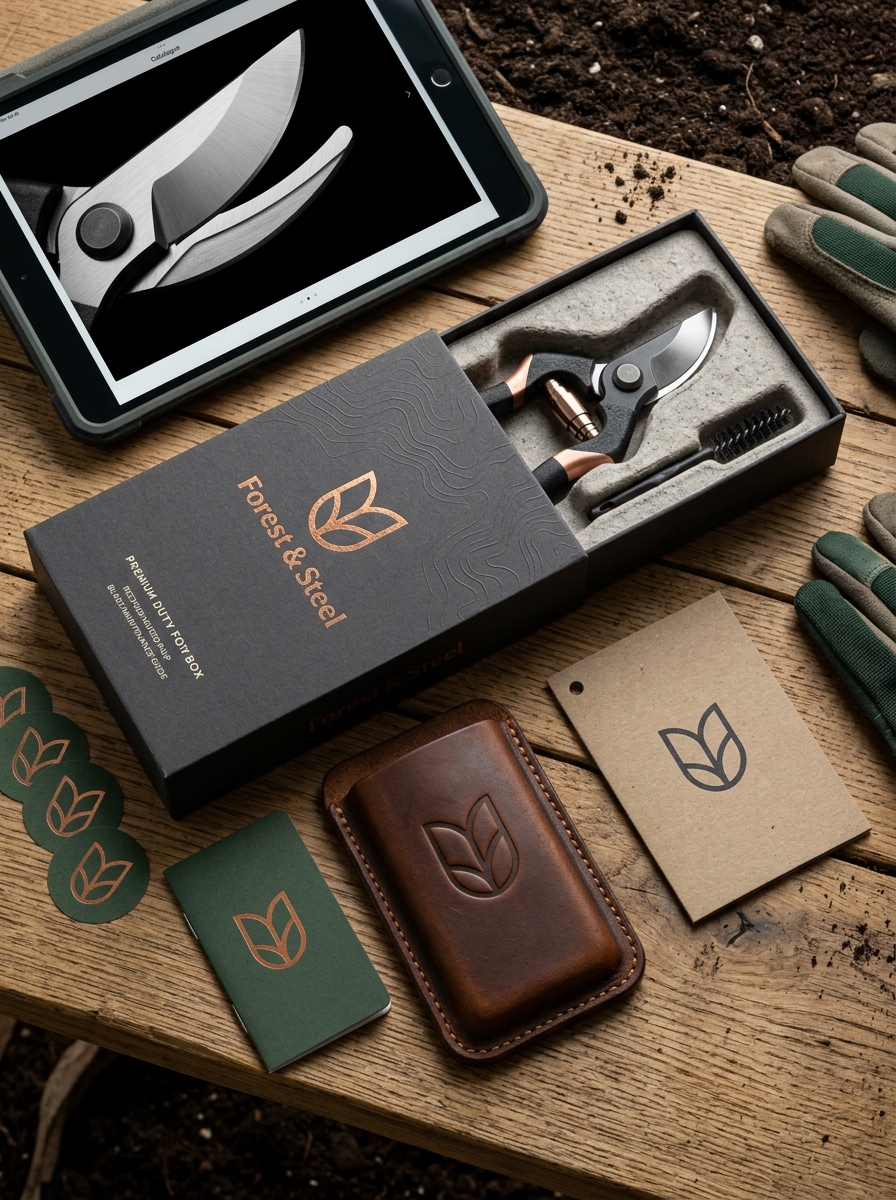
Effective pruning shears packaging bridges the gap between rugged utility and high-end retail aesthetics. For gardening tool manufacturers, the exterior casing serves as a vital touchpoint, communicating precision, durability, and ergonomic value before a customer even handles the hardware.
By prioritizing core design principles-such as strategic structural hierarchy, sustainable material choices, and cohesive brand storytelling-companies can transform a standard cutting tool into a premium lifestyle asset. Mastering these visual elements is crucial for influencing consumer perception and establishing a resilient brand identity. This exploration delves into the essential aesthetics that drive shelf appeal and foster long-term loyalty in the modern lawn and garden market, ensuring your product resonates with both professional arborists and hobbyist gardeners alike.
The Impact of Packaging on Garden Tool Brand Perception
In the competitive market for pruning shears, packaging serves as the initial benchmark for quality. Premium, durable packaging often signals to gardeners that the tools inside are professional-grade and built to last. When a brand utilizes high-quality finishes or eco-friendly materials, it reinforces a commitment to sustainability-a value highly regarded by modern horticulturalists.
Beyond aesthetics, functional packaging that clearly displays technical specifications, such as cutting capacity and blade material, establishes brand authority. Informative design reduces consumer uncertainty, positioning the product as a reliable investment rather than a generic utility. Ultimately, the tactile and visual experience of the packaging directly influences brand loyalty, transforming a simple pair of shears into a high-value garden essential through professional presentation.
Visual Storytelling through Minimalist Design Aesthetics
Modern pruning shears have evolved beyond mere utility, embracing minimalist design aesthetics to communicate precision and professional reliability. This visual storytelling focuses on the "form follows function" philosophy, where clean lines and ergonomic silhouettes highlight the tool's core purpose. By stripping away unnecessary ornamentation, manufacturers emphasize the quality of high-carbon steel blades and the intuitive nature of the grip.
A minimalist approach in horticultural tools speaks to the user's desire for clarity and efficiency. Sleek, monochromatic finishes and balanced proportions suggest a seamless extension of the gardener's hand, promising effortless maintenance and long-term durability. This sophisticated design language builds a narrative of superior craftsmanship, appealing to both hobbyists and professionals who value functional beauty in their gardening toolkit.
Strategic Color Palettes for Professional and Amateur Segments
The color psychology of pruning shears varies significantly between market tiers. For the professional segment, manufacturers prioritize high-visibility shades like safety orange and vibrant red. These high-contrast palettes ensure tools are easily located in dense foliage and minimize accidental loss on commercial jobsites.
In contrast, the amateur or residential segment focuses on lifestyle aesthetics and brand differentiation. Consumer-grade shears often feature trendy pastels, earthy forest greens, or ergonomic-focused dual-tone grips that signal comfort. While professionals demand utility and rapid identification, home gardeners are influenced by visual appeal and harmony with outdoor decor. Ultimately, strategic color coding serves as a functional shorthand, helping users distinguish between bypass and anvil mechanisms or specialized cutting capacities at a glance.
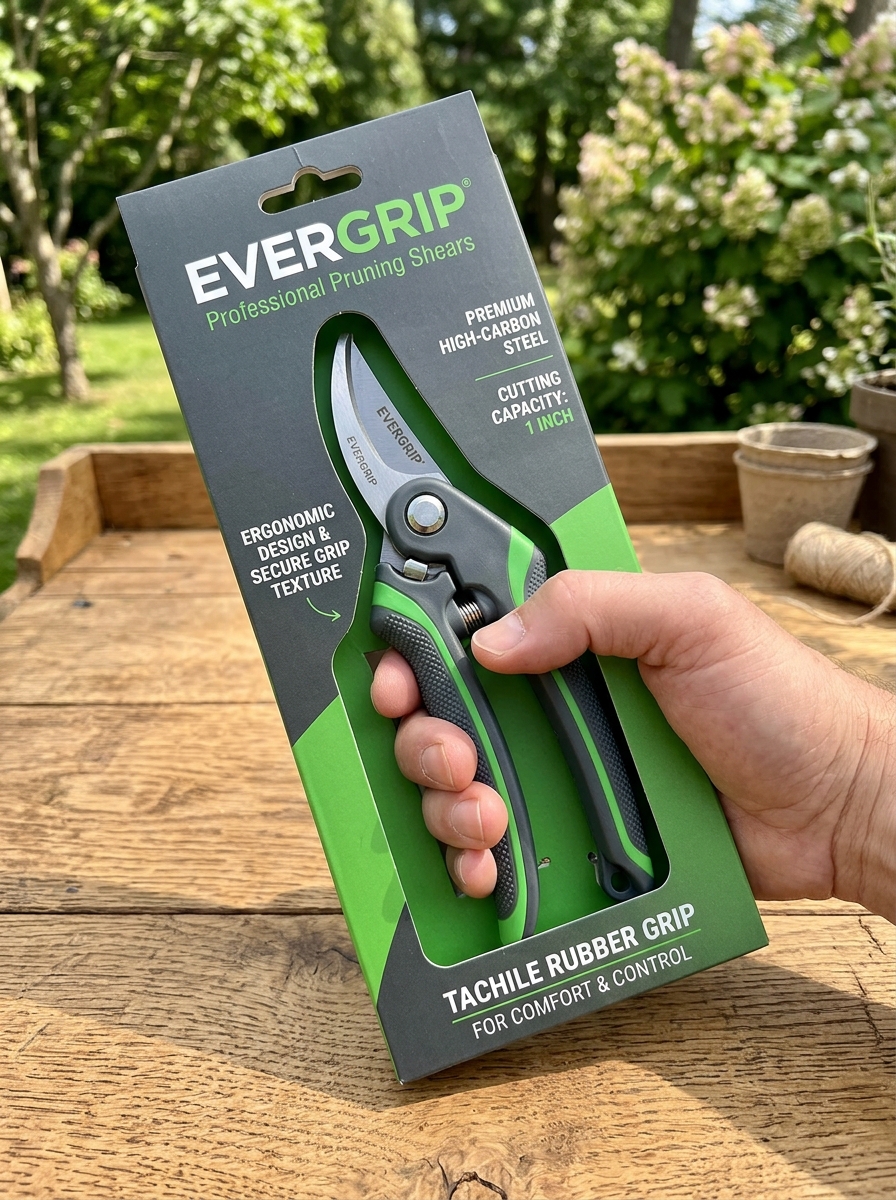
Showcasing Ergonomics and Grip Texture through Packaging Windows
Strategic packaging windows are essential for marketing high-quality pruning shears, as they provide a direct visual and tactile bridge to the consumer. By incorporating transparent cutouts, manufacturers allow gardeners to inspect the ergonomic handle design and anatomical contouring that prevent hand fatigue during prolonged use.
Beyond visual appeal, these windows often facilitate a "try-me" experience, letting users feel the non-slip grip texture and rubberized coatings. This tactile interaction is crucial for tools requiring precision and safety in wet conditions. Highlighting the mechanical advantage and cushioned grips through the packaging builds immediate consumer trust. Ultimately, showcasing these features ensures the product communicates its durability and comfort effectively, driving conversions by proving the tool's superior ergonomics before the box is even opened.
Balancing Technical Specifications with Clean Typography
Presenting pruning shears online requires a strategic balance between dense technical data and aesthetic readability. To assist gardeners in making informed decisions, specifications such as blade material (e.g., SK5 high-carbon steel), cutting capacity, and ergonomic weight must be instantly scannable.
Utilizing clean typography ensures that vital information is not lost in visual clutter. Effective layouts prioritize the following elements:
- Hierarchy: Use bold headings for primary features like bypass vs. anvil mechanisms.
- Whitespace: Prevent cognitive overload by spacing out maintenance and safety instructions.
- Clarity: Choose sans-serif fonts for numerical data, such as maximum cutting diameters or spring tension ratings.
By merging robust engineering specs with minimalist typographic design, brands improve user experience and SEO, ensuring both professional arborists and hobbyists can quickly identify the right tool for their needs.
Sustainable Packaging Materials for Modern Green Brands
For modern gardening companies, the durability of high-carbon steel pruning shears must be reflected in their presentation. Adopting sustainable packaging materials is essential for brands committed to ecological responsibility. Utilizing FSC-certified cardboard and corrugated paper provides robust protection for sharp bypass and anvil pruners while ensuring the box remains fully recyclable and plastic-free.
Leading eco-friendly brands are replacing traditional plastic blister packs with molded pulp inserts and biodegradable soy-based inks. These compostable solutions protect the integrity of the garden tools during shipping without contributing to environmental waste. By prioritizing eco-conscious packaging, manufacturers align their products with the values of sustainable gardeners, ensuring that every tool used to nurture nature is delivered in a way that honors the earth.
Information Hierarchy and Safety Feature Communication
Optimizing the information hierarchy for pruning shears is essential for user safety and operational efficiency. Manufacturers must prioritize critical safety features through intuitive design and clear visual cues. Key communication elements include:
- Safety Locks: Thumb-activated mechanisms should be prominently positioned and color-coded for immediate identification.
- Ergonomic Non-Slip Grips: High-visibility textures indicate secure handling zones, reducing the risk of accidental slippage during high-tension cuts.
- Blade Specifications: Clear labeling of bypass or anvil types ensures users select the correct tool for specific branch diameters, preventing tool failure.
Effective communication strategies, such as using tactile indicators and instructional icons, ensure safety protocols are understood at a glance. By structuring information to highlight protective measures, brands minimize injury risks and enhance the user experience for both professional arborists and home gardeners.
Enhancing Shelf Presence with High-Contrast Graphics
In the competitive gardening tool market, pruning shears must capture immediate attention. Utilizing high-contrast graphics on packaging ensures that products stand out on crowded retail shelves. By pairing vibrant colors-such as safety orange or neon green-against deep, dark backgrounds, manufacturers create a visual pop that draws the consumer's eye instantly.
This design strategy isn't just about aesthetics; it improves product legibility. High-definition imagery and bold typography highlight essential features like hardened steel blades and ergonomic handles, allowing shoppers to identify tool quality from a distance. Semantic-focused packaging effectively communicates durability and precision, differentiating premium bypass pruners from generic alternatives. Ultimately, sharp, high-contrast visuals build brand recognition and drive higher conversion rates by making the technical superiorities of the shears unmistakable at a glance.
The Psychology of Tactile Finishes and Premium Textures
In the design of high-end pruning shears, the tactile experience significantly influences user confidence and cutting precision. Premium finishes, such as sandblasted aluminum or ergonomic thermoplastic rubber (TPR), provide critical haptic feedback. This sensory input signals tool reliability to the brain, reducing the "perceived effort" during repetitive gardening tasks.
Psychologically, a non-slip texture creates a sense of security, lowering subconscious muscle tension and preventing hand fatigue. When a tool feels substantial and "grippy," it fosters a professional connection between the gardener and their equipment. By prioritizing micro-textured grips and soft-touch polymers, manufacturers tap into the human desire for control and durability. These tactile elements transform a standard utility tool into an extension of the hand, ultimately enhancing both gardening efficiency and the emotional satisfaction of a clean cut.
Optimizing the Unboxing Experience for Long-Term Brand Loyalty
The unboxing process is the first physical touchpoint for a customer purchasing premium pruning shears. To cultivate long-term brand loyalty, manufacturers must design packaging that reflects the tool's precision and durability. Using sustainable, high-quality materials immediately signals professional standards and environmental responsibility.
A superior unboxing experience goes beyond aesthetics; it should be functional and informative. Including maintenance guides, replacement springs, or a small vial of blade oil adds perceived value and encourages proper tool care. Ensuring the sharp bypass or anvil blades are securely housed in custom-molded inserts prevents transit damage and demonstrates a commitment to safety. By transforming a simple transaction into a premium sensory experience, brands build trust and turn hobbyist gardeners into lifelong advocates for their horticultural equipment.
Leave a comment