
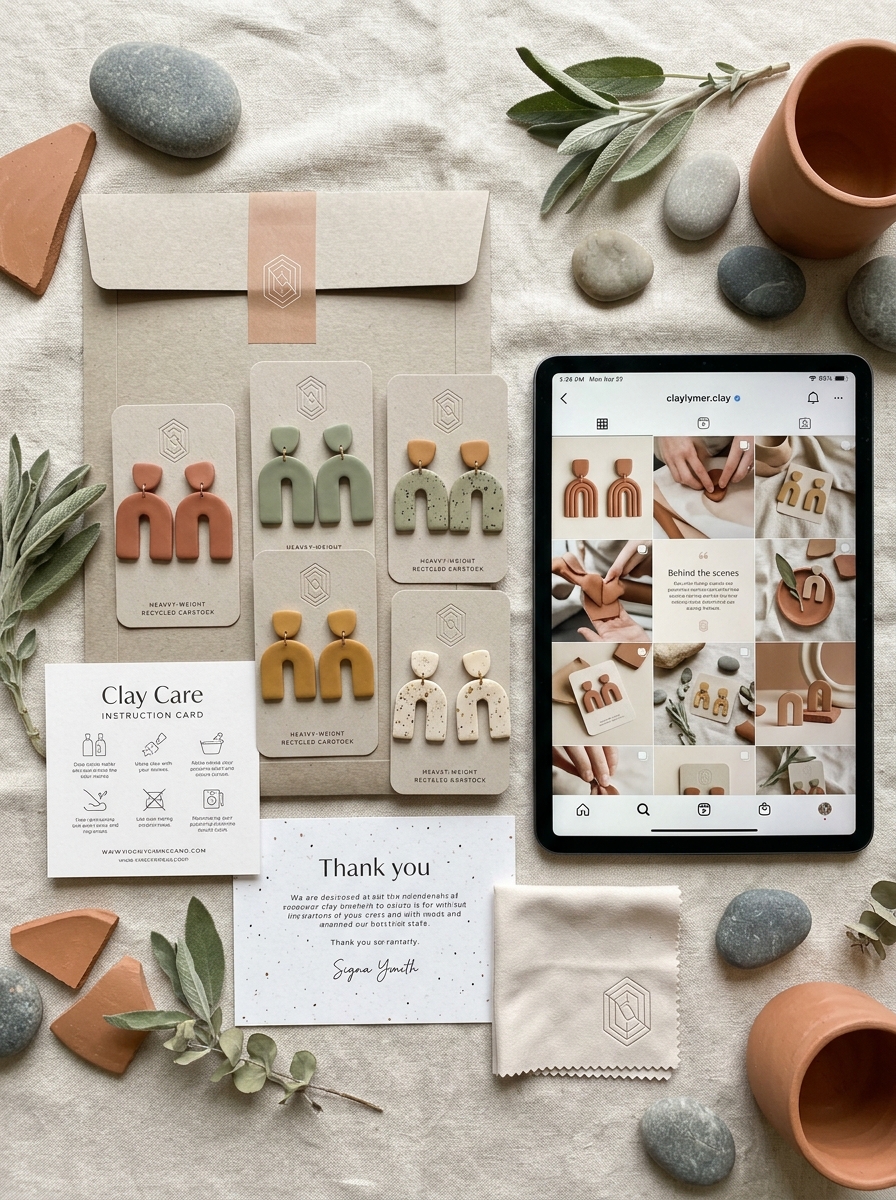
Selecting the right packaging for polymer clay creations is a critical bridge between artistic craftsmanship and customer satisfaction. Because polymer clay items are often delicate and highly detailed, the primary function of any container must be structural integrity. However, packaging serves as more than just a protective shell; it is a vital extension of your brand identity.
By integrating thoughtful design concepts-such as minimalist color palettes, sustainable materials, and tactile textures-makers can elevate the unboxing experience into a sensory journey. Adhering to aesthetic guidelines ensures that your presentation reflects the quality of the hand-sculpted pieces within. Whether you are shipping intricate jewelry or decorative figurines, understanding the synergy between durability and visual appeal is essential for any professional artisan looking to leave a lasting impression.
The Importance of Brand-Focused Packaging for Polymer Clay
In the competitive arts and crafts market, brand-focused packaging for polymer clay serves as both a protective necessity and a vital marketing tool. High-quality packaging is essential for maintaining the medium's chemical integrity, preventing plasticizer migration, and shielding the clay from contaminants like dust or lint.
Beyond preservation, customized packaging establishes brand identity and consumer trust. Distinctive logos, professional typography, and cohesive color schemes help manufacturers stand out on crowded retail shelves. Furthermore, strategic packaging design provides dedicated space for crucial technical data, such as specific curing temperatures and safety certifications. By investing in brand-centric designs, companies communicate a commitment to quality, ensuring that hobbyists and professional artists alike recognize their polymer clay as a premium, reliable choice for their creative endeavors.
Defining Your Artistic Identity Through Visual Storytelling
In the versatile world of polymer clay, establishing a unique artistic identity requires more than technical proficiency; it necessitates visual storytelling. By utilizing specific color palettes, intricate textures, and symbolic forms, artists can weave personal narratives into their handcrafted creations. This intentional approach transforms simple clay pieces into evocative art that resonates with an audience.
To define your voice, focus on consistent themes-such as organic nature motifs or bold geometric patterns-that reflect your personal perspective. Every technique, from caning to surface foiling, acts as a chapter in your brand's story. Mastering this narrative flow ensures your work is instantly recognizable, helping you build a cohesive portfolio that stands out in the competitive maker community. Embracing visual storytelling allows your polymer clay jewelry and sculptures to communicate deep emotion and purpose.
Material Selection for Durability and Tactile Appeal
Choosing the right polymer clay is essential for balancing tensile strength with a premium sensory experience. Professional-grade brands, such as Sculpey Premo or Fimo Professional, are engineered for high durability, remaining slightly flexible after curing to prevent snapping or chipping. In contrast, economy-grade clays often become brittle, leading to structural failure.
Tactile appeal is determined by the clay's formulation. Artists should select firm clays for intricate detailing to maintain "tooth," or softer varieties for fluid, seamless blending. The final surface texture-ranging from velvet matte to high-gloss-significantly impacts the user's physical interaction with the piece. Proper conditioning and adherence to precise curing temperatures ensure that plasticizers fully bond, resulting in a robust, professional-grade medium that balances structural integrity with a sophisticated hand-feel.
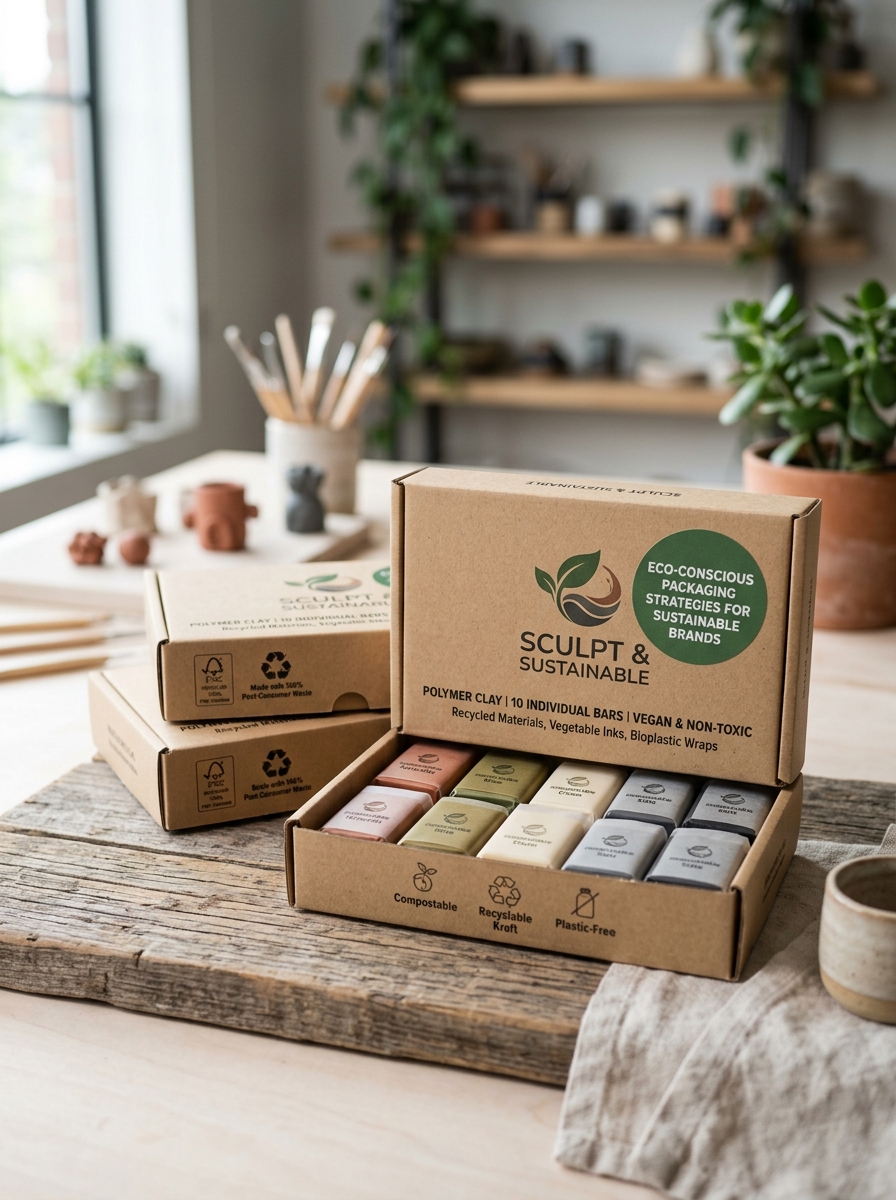
Eco-Conscious Packaging Strategies for Sustainable Brands
For polymer clay artisans, sustainability extends beyond the medium to the final delivery. Sustainable brands are increasingly adopting eco-conscious packaging to protect delicate clay slabs and intricate jewelry without relying on single-use plastics. Effective strategies include using FSC-certified cardboard and biodegradable glassine paper, which offers a grease-resistant barrier essential for maintaining the integrity of unbaked or finished clay components.
Moreover, replacing traditional bubble wrap with compostable mailers and honeycombed paper padding significantly reduces environmental impact. Incorporating reusable cotton pouches or plantable seed paper inserts further promotes a circular economy. By prioritizing minimalist, plastic-free shipping materials and water-activated tapes, polymer clay businesses can align their brand values with the expectations of environmentally aware consumers, ensuring that every handcrafted piece arrives safely and responsibly.
Color Psychology and Aesthetic Coordination with Clay Palettes
Understanding color psychology is essential for creating impactful polymer clay art. Colors evoke specific emotions; for instance, warm earthy tones like terracotta provide comfort, while vibrant teals suggest creativity and calm. When designing clay palettes, achieving aesthetic coordination relies on color theory principles such as complementary, triadic, or analogous schemes.
Artists often utilize custom color mixing to ensure their handmade jewelry or home decor resonates with a specific mood or seasonal trend. By mastering the visual weight and temperature of different clay pigments, crafters can produce harmonious, professional-grade collections. Whether aiming for a minimalist neutral aesthetic or a bold maximalist look, strategic color selection enhances the perceived value and emotional connection of every polymer clay creation.
Typography and Graphic Design Principles for Brand Recognition
In the competitive polymer clay market, establishing a distinct visual identity is essential for professional growth. Typography plays a pivotal role; choosing fonts that reflect your artistic style-such as whimsical scripts for miniature charms or minimalist sans-serifs for modern geometric jewelry-communicates brand personality instantly.
Applying graphic design principles like visual hierarchy and color theory ensures your packaging and digital presence remain cohesive. A well-designed logo and consistent color palette help customers identify your unique work across social media and craft fairs. Strategic use of white space in your marketing materials allows the intricate textures and vibrant colors of your clay pieces to remain the focal point. By integrating these design elements, artisans elevate their polymer clay business, fostering brand loyalty and ensuring long-term recognition in the handmade community.
Structural Integrity and Product Protection Requirements
Ensuring the structural integrity of polymer clay creations depends heavily on the curing process and internal reinforcement. Proper baking at specific temperatures is vital; under-curing results in a brittle product, while precise heat application facilitates the cross-linking of polymers for maximum durability. For delicate or large-scale pieces, using internal armatures-such as wire or foil-is a requirement to provide a stable skeleton and prevent sagging during and after the heating process.
Product protection requirements focus on long-term stability. Finished items must be shielded from chemical reactions; certain plastics and solvent-based finishes can soften the clay over time. Applying water-based sealants protects against oils and moisture, while UV-resistant coatings prevent color fading. By adhering to these structural and protective standards, artists ensure their polymer clay works remain resilient and professionally preserved.
Designing an Immersive Unboxing Experience for Customers
For polymer clay artists, the unboxing experience is a vital touchpoint that transforms a physical product into a memorable brand narrative. Because polymer clay items are handcrafted and often delicate, your packaging should prioritize both protection and aesthetic delight.
To create a sensory journey, consider these semantic elements:
- Tactile Materials: Use textured tissue paper or eco-friendly shredded filler that complements the smooth finish of your clay pieces.
- Visual Branding: Incorporate custom stickers or wax seals featuring your logo to build immediate brand recognition.
- Personalized Inserts: Include a care card with specific instructions on cleaning polymer clay jewelry, alongside a handwritten thank-you note.
- Surprise Value: Add a small "freebie," such as a color-coordinated clay bead, to exceed customer expectations.
A thoughtful presentation reinforces the artisanal value of your work and encourages customers to share their experience on social media.
Functional Versatility and Reusable Packaging Solutions
Polymer clay offers exceptional functional versatility, making it a preferred medium for diverse applications ranging from intricate jewelry design to durable home repairs and industrial prototyping. Its unique ability to remain soft and pliable until oven-cured allows artists to achieve high-level precision without the pressure of air-drying.
To complement its long shelf life, many manufacturers now prioritize reusable packaging solutions. High-quality airtight containers and resealable pouches serve critical functions:
- Preserving the essential plasticizers that prevent the clay from becoming brittle.
- Protecting the material from dust, lint, and UV degradation.
- Promoting sustainable studio habits by reducing single-use plastic waste.
By utilizing functional storage, crafters ensure their medium stays fresh, maximizing value and maintaining the material's integrity for professional-grade results.
Refining the Final Presentation with Professional Finishes
Achieving a high-end look with polymer clay requires meticulous post-cure refining. Once your piece has baked, the finishing process begins by removing fingerprints and imperfections through sanding and buffing. Start with coarse wet/dry sandpaper, progressing to ultra-fine grits to achieve a smooth, porcelain-like surface. For a natural sheen, buff the clay vigorously with a soft muslin cloth or a mechanical buffing wheel.
To enhance durability and visual appeal, consider these professional techniques:
- Glazing: Apply water-based varnishes or UV resin for a high-gloss, protective coating.
- Matte Sealing: Use specialized sealants to preserve the clay's natural texture while preventing surface degradation.
- Surface Highlights: Utilize metallic waxes or acrylic washes to accentuate relief details and textures.
These final refinements ensure your handcrafted polymer clay projects possess a polished, market-ready appearance.
Leave a comment