
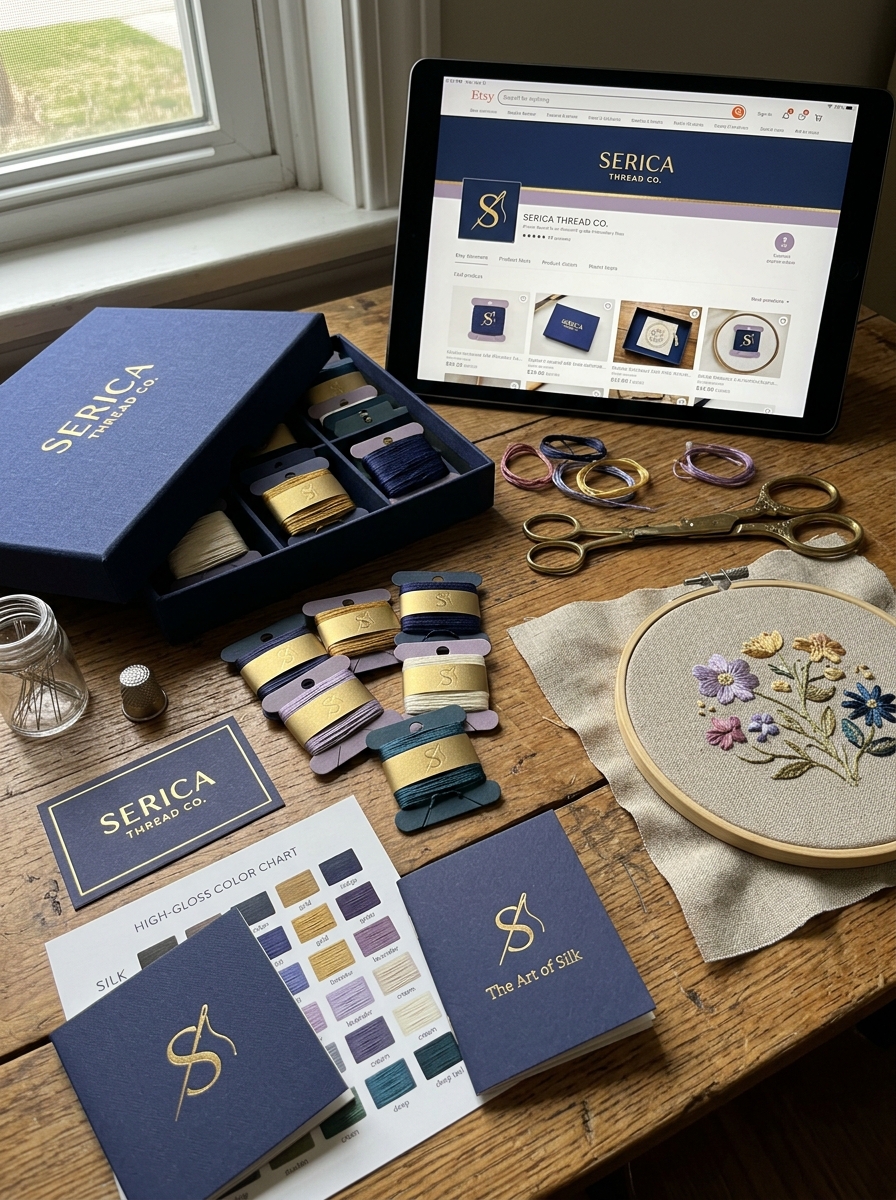
Packaging serves as the vital bridge between a textile artist and their raw materials. For embroidery floss, design transcends mere containment; it must harmonize visual allure with utilitarian precision. Effective packaging ensures that delicate strands remain tangle-free and protected from environmental factors while simultaneously communicating brand identity through sophisticated color theory and typography.
By integrating tactile finishes with clear organizational labeling, manufacturers can significantly enhance the user experience. This exploration into packaging principles examines how the synergy of structural integrity and shelf appeal creates a lasting impression on consumers. Understanding these essential aesthetic and functional pillars allows designers to develop solutions that resonate with the meticulous nature of the needlecraft community, ensuring that the thread is as inspiring to look at as it is to use.
The Evolution of Embroidery Floss Packaging
The evolution of embroidery floss packaging reflects a significant shift from simple utility to sophisticated thread organization. Historically, high-quality six-strand cotton was sold in loose hanks or on basic wooden spools, which often led to tangles and material waste. As the needlework industry expanded, manufacturers introduced the iconic paper-banded skein, allowing for easy identification of color dye lots and universal brand numbering.
Modern packaging now prioritizes preservation and ease of use. Crafters have transitioned to structured systems using flat bobbins, storage boxes, and pre-sorted thread cards found in specialized needlepoint kits. These innovations prevent fraying and knotting while maintaining the thread's vibrant sheen. Today, eco-conscious brands are even moving toward biodegradable materials, ensuring that embroidery supplies remain sustainable for future generations of artisans.
Defining Brand Identity Through Color and Typography
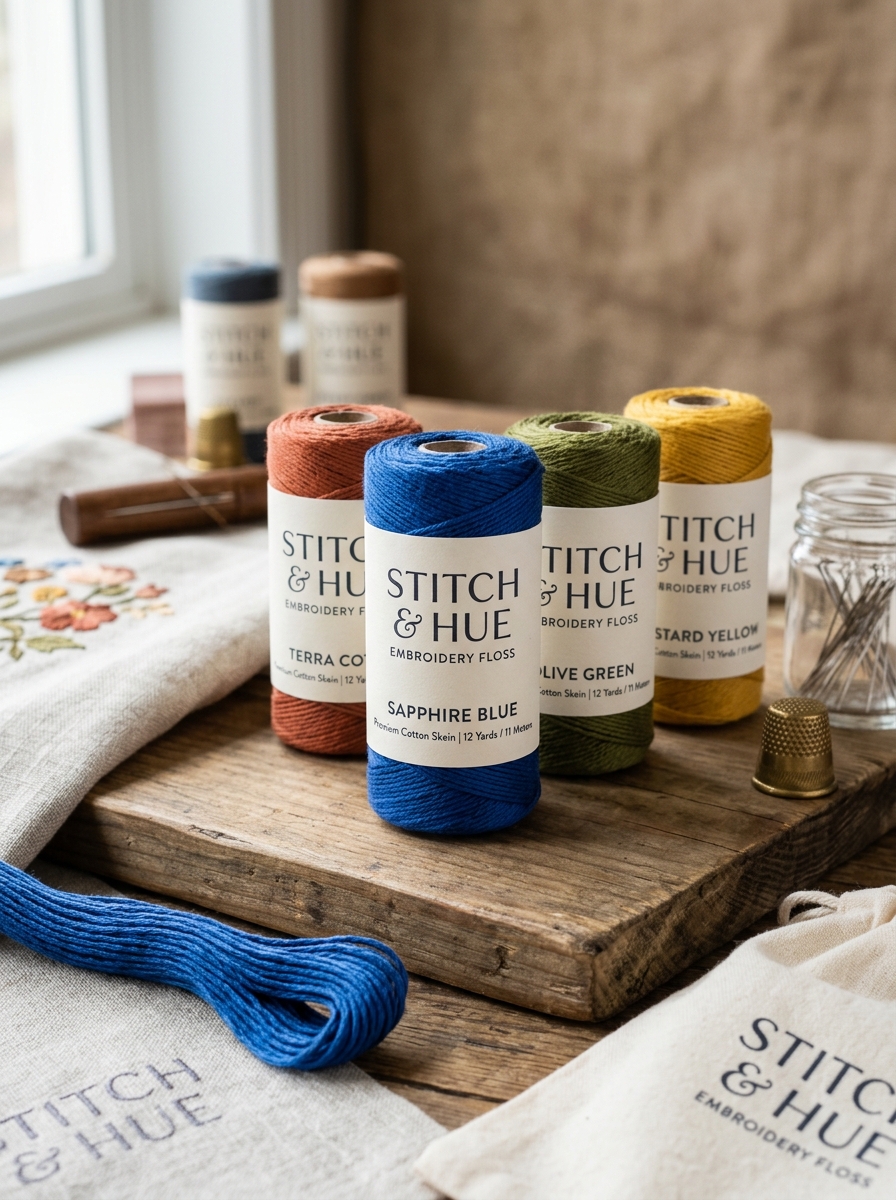
In the competitive embroidery floss market, brand identity is forged through strategic visual elements. Color serves as the primary identifier; unique dye palettes-ranging from traditional solid hues to expressive variegated blends-allow brands to evoke specific moods and artistic themes. Consistent color-coding systems further reinforce reliability, helping crafters easily identify their preferred supplies.
Typography complements this by establishing the brand's voice on packaging and labels. Elegant, serif fonts often communicate a sense of artisanal heritage and premium quality, whereas clean, sans-serif typefaces signal modern innovation and accessibility. By harmonizing these elements, embroidery floss manufacturers create a cohesive visual language that resonates with textile artists, ensuring their products stand out on crowded retail shelves.
Prioritizing Material Durability and Thread Protection
Selecting high-quality embroidery floss is essential for creating enduring textile art. To maximize material durability, stitchers should prioritize long-staple cotton or silk fibers, which offer superior tensile strength and a lower risk of fraying. Premium threads often undergo a mercerization process, increasing their luster and resistance to breakage.
Effective thread protection ensures the longevity of your projects through:
- Colorfastness: Choosing high-grade dyes that prevent bleeding and UV-induced fading.
- Optimal Storage: Using acid-free bobbins and keeping supplies in cool, dry environments to avoid fiber degradation.
- Friction Reduction: Utilizing appropriate needle gauges and manageable thread lengths to minimize mechanical wear during stitching.
By investing in durable materials and protective handling, you guarantee that your intricate handiwork remains vibrant and structurally sound for generations.
Solving the Tangle Problem with Functional Spool Design
Traditional embroidery floss often suffers from "bird's nesting" and intricate knots. A functional spool design addresses these issues by providing a structured storage method that maintains thread integrity. Unlike loose skeins, spools offer several key advantages for needleworkers:
- Smooth Delivery: Prevents snagging and tension inconsistencies during stitching.
- Simplified Organization: Allows for easy color identification and space-saving storage.
- Thread Protection: Minimizes friction, reducing the risk of fraying or breakage.
By transitioning to pre-wound spools or using custom bobbins, crafters can eliminate the frustration of detangling. This ergonomic shift not only preserves the quality of high-grade cotton and silk threads but also streamlines the workflow, ensuring a more efficient and enjoyable creative process.
Information Hierarchy and Color Coding Clarity
Organizing embroidery floss requires a robust information hierarchy to ensure project accuracy. This structure typically prioritizes the manufacturer brand, followed by the specific color identification number and dye lot information. By establishing this logical order, stitchers can accurately track inventory and source matching replacements for large-scale designs.
Color coding clarity is achieved by mapping these numerical identifiers to specific symbols on embroidery patterns. Standardized systems, such as those used by DMC or Anchor, eliminate ambiguity between similar shades. Implementing a logical categorization system-sorting thread by color families or numerical sequences-prevents visual fatigue and minimizes errors during complex needlework. Clear labeling on bobbins or stitch bows further reinforces this hierarchy, streamlining the transition from pattern selection to active stitching and maintaining long-term collection organization.
Sustainable and Eco Friendly Packaging Solutions
As the textile industry evolves, sustainable packaging for embroidery floss has become a vital focus for eco-conscious crafters. Traditional plastic sleeves are increasingly replaced by eco-friendly materials, such as FSC-certified paper wraps and biodegradable cardboard spools. These alternatives significantly reduce plastic waste and the environmental footprint of needlecraft supplies.
Modern green packaging solutions often feature compostable labels and soy-based inks, ensuring that every element of the thread's presentation is earth-friendly. By prioritizing recyclable packaging, manufacturers protect the integrity of cotton and silk embroidery threads while supporting a circular economy. Transitioning to plastic-free storage and shipping methods allows hobbyists to pursue their creative passion while actively contributing to global conservation efforts and waste reduction in the crafting community.
Ergonomic Considerations for Enhanced User Accessibility
Optimizing the embroidery experience involves prioritizing ergonomic tools and techniques to ensure accessibility for all creators. When handling embroidery floss, individuals with limited dexterity or arthritis benefit from specialized accessories such as larger-grip needles and automatic needle threaders.
To prevent repetitive strain, stitchers should utilize floss organizers that allow for easy, single-handed extraction. Additionally, proper lighting and magnification tools enhance visibility, reducing eye strain when separating delicate strands of six-strand cotton or metallic threads. Using hoops with floor stands further promotes neutral posture, allowing users to focus on their craft without physical discomfort. By integrating these ergonomic adjustments, needlework becomes a more inclusive and sustainable hobby for enthusiasts of all physical abilities.
Visual Storytelling and Shelf Impact Strategies
In the competitive craft market, embroidery floss relies on vibrant visual merchandising to capture consumer attention. Effective shelf impact is achieved through prismatic color arrangements that showcase the vast spectrum of available hues, encouraging impulse purchases and creative inspiration.
Brands utilize visual storytelling by highlighting the heritage and quality of their fibers. Transparent packaging and tactile displays allow crafters to appreciate the mercerized sheen and tensile strength of the thread. Strategic placement of finished embroidery samples alongside skeins demonstrates versatility, transforming a simple utility item into a medium for artistic expression. By organizing displays into harmonious color families, retailers simplify the selection process, enhancing the user experience and reinforcing brand loyalty through an aesthetically pleasing, highly organized retail environment.
Integrating Digital Elements for the Modern Crafter
Modern needlework seamlessly blends traditional embroidery floss with digital innovation. Today's crafters utilize PDF patterns and mobile applications to track intricate designs with high precision. Digital inventory tools are essential for managing extensive thread collections, allowing enthusiasts to organize their embroidery floss by brand, weight, or specific color codes.
Furthermore, color conversion software facilitates instant substitutions, ensuring project continuity when specific shades are out of stock. By integrating these digital elements, artisans enhance their workflow, reduce material waste, and bridge the gap between classic hand-stitching and contemporary technology. Whether using QR codes for video tutorials or smart storage databases, the synergy between tactile fibers and digital interfaces elevates the modern artistic experience.
Balancing Aesthetic Luxury with Practical Utility
Embroidery floss represents a sophisticated synthesis of visual elegance and technical durability. High-quality threads, such as double-mercerized cotton, provide a signature silk-like luster that elevates the aesthetic appeal of any textile project. This luxury is matched by essential utility; the standard six-strand construction offers versatile thickness, allowing artisans to adjust stitch density for intricate detail or bold, textured relief.
Beyond appearance, practical features like colorfastness and high tensile strength ensure that finished pieces withstand washing and light exposure without fading. Whether using vibrant solids or variegated specialty fibers, premium embroidery floss balances a rich sensory experience with the resilience required for long-lasting hand-embroidery and needlepoint heirlooms. Selecting the right fiber is fundamental to achieving professional results that harmonize artistic beauty with functional longevity.
Leave a comment