
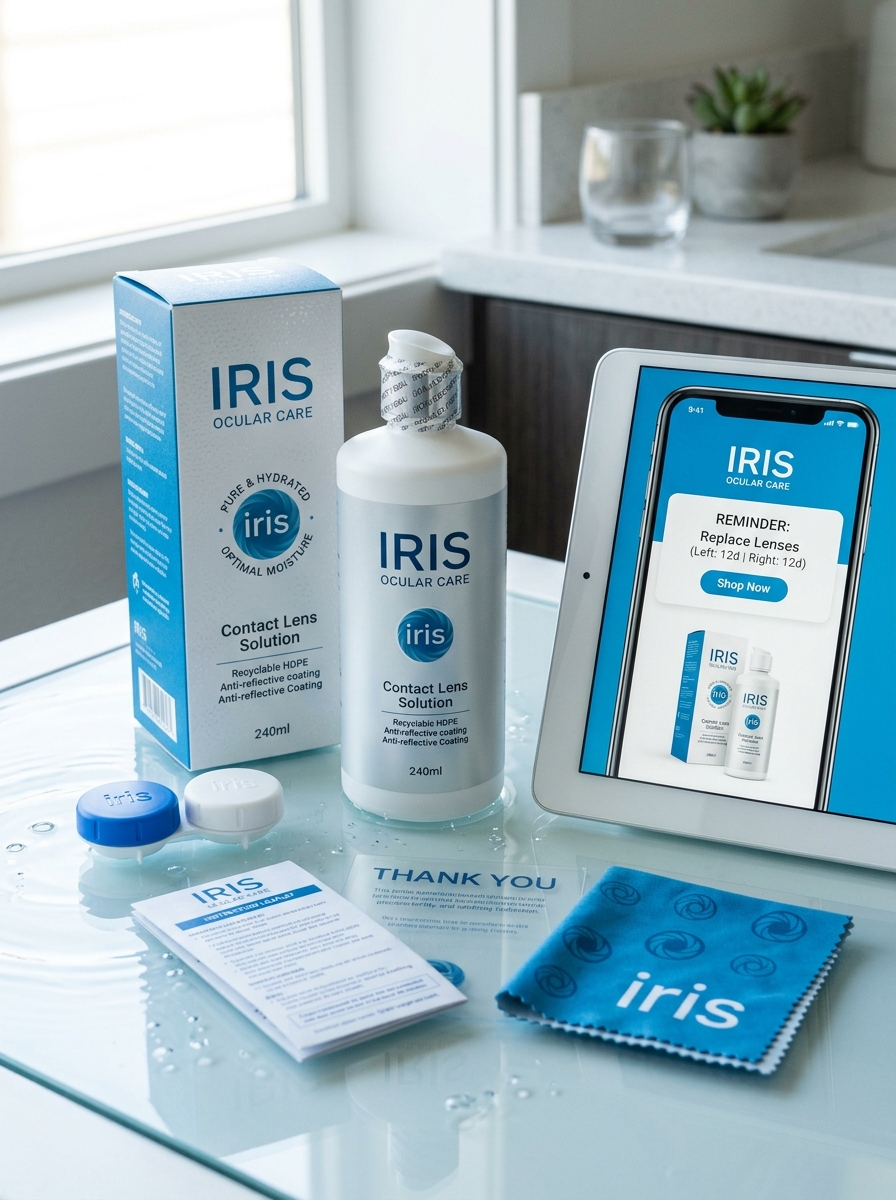
Effective contact lens solution packaging bridges the gap between pharmaceutical necessity and consumer-centric design. Because these products are vital for maintaining ocular health, manufacturers must prioritize sterile integrity and leak-proof closures while ensuring the container remains ergonomic for daily use.
Beyond functional structural requirements, the visual aesthetics of the packaging-including minimalist color palettes and highly legible typography-play a crucial role in establishing brand trust and reflecting hygiene standards. As the ophthalmic market evolves, the integration of sustainable materials and intuitive bottle shapes has become a benchmark for excellence. This exploration delves into the essential design principles that harmonize safety, regulatory compliance, and shelf appeal to enhance the overall patient experience.
The Role of Packaging in Contact Lens Care
Packaging is vital for maintaining the sterility and efficacy of contact lens solution. Advanced bottle designs feature tamper-evident seals and airtight closures to prevent pathogens from entering the container. These specialized containers are often engineered with a precision dropper tip, which minimizes the risk of cross-contamination during application.
Beyond safety, packaging protects active disinfecting agents from environmental factors. Many brands utilize UV-resistant materials to prevent light-induced degradation of the chemical formula. Additionally, clear labeling on the exterior provides essential information regarding expiration dates and storage requirements, ensuring users adhere to strict ocular hygiene standards. Ultimately, robust packaging acts as the first line of defense in preserving eye health by keeping the solution free from impurities and maintaining its chemical stability.
Regulatory Compliance and Safety Standards in Design
Contact lens solutions are classified as medical devices, requiring rigorous adherence to global safety protocols to ensure ocular health. Manufacturers must comply with FDA regulations in the United States or the MDR (Medical Device Regulation) for CE marking in Europe. These frameworks mandate strict clinical testing and validation.
Key design standards include ISO 14729, which dictates antimicrobial efficacy requirements for disinfecting products against bacteria and fungi. Additionally, ISO 10993 standards for biocompatibility ensure the solution's chemical composition is non-toxic to corneal tissue. Design compliance also involves Good Manufacturing Practices (GMP) to maintain sterility and pH stability. By meeting these regulatory benchmarks, contact lens solutions provide a safe environment for lens wear, preventing infections while ensuring material compatibility and user comfort.
Visual Hierarchy and Information Architecture
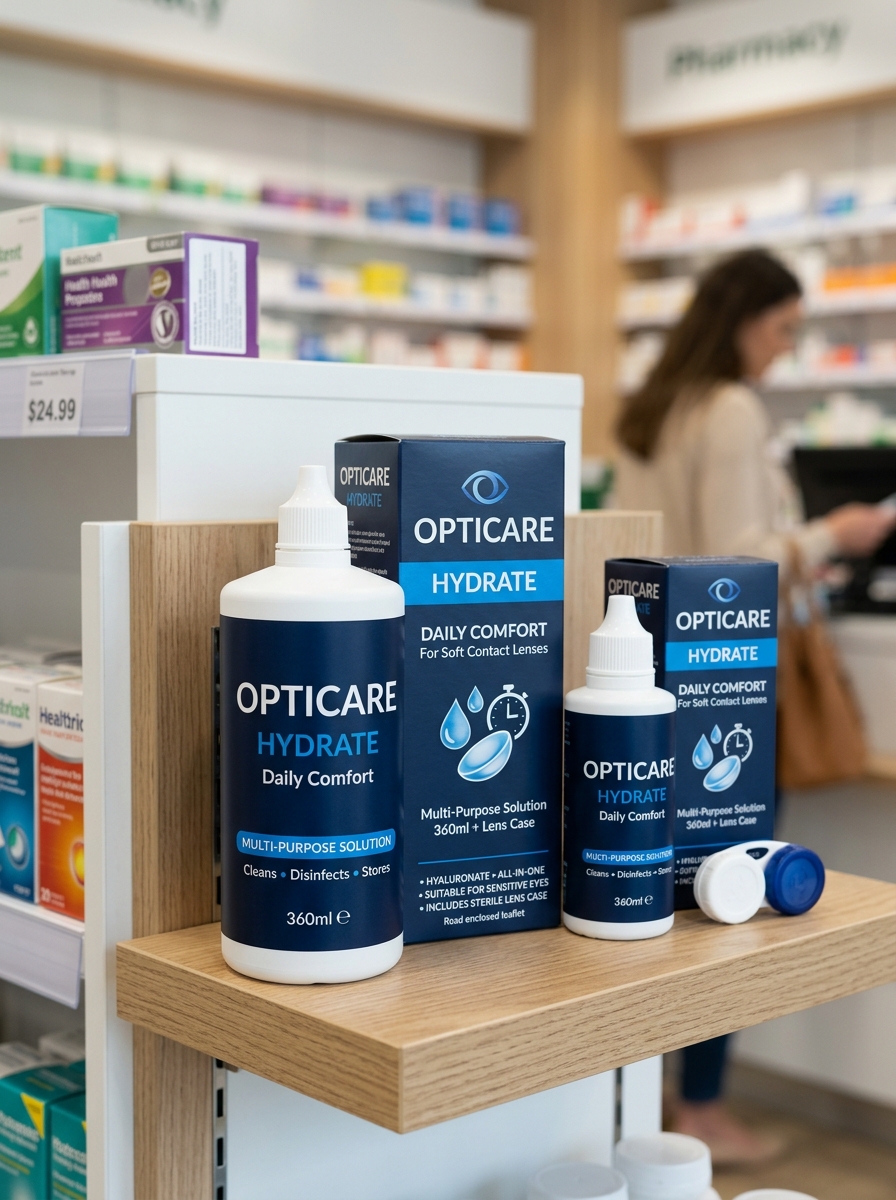
For contact lens solutions, visual hierarchy and information architecture are vital for user safety and product efficacy. Manufacturers utilize strategic layouts to guide the consumer's eye toward critical safety data and usage protocols.
Key architectural elements include:
- Solution Type: High-contrast typography identifies whether the product is multi-purpose, saline, or hydrogen peroxide-based.
- Safety Warnings: Red icons or bolded text highlight expiration dates and "not for eyes" warnings for specific chemicals.
- Step-by-Step Instructions: Numbered lists simplify the complex cleaning, rinsing, and storage sequence.
- Compatibility Indicators: Distinctive zones clarify suitability for soft or rigid gas permeable (RGP) lenses.
By structuring information through size, color, and placement, brands ensure that users quickly grasp essential hygiene steps, minimizing the risk of ocular infections and ensuring proper lens maintenance.
Color Psychology for Health and Hygiene Perception
In the vision care industry, color psychology is a fundamental tool for establishing health and hygiene perception. Contact lens solution packaging predominantly features shades of blue and white to signal clinical sterility and deep hydration. Blue evokes subconscious associations with water and soothing moisture, which are critical for ocular comfort. White conveys purity and medical-grade standards, reassuring users of the product's safety and effectiveness.
Furthermore, transparent packaging is often utilized to emphasize clarity and the absence of contaminants. Green accents may be incorporated to suggest natural, biocompatible ingredients or preservative-free formulas. By strategically applying these visual cues, manufacturers foster immediate trust, ensuring consumers perceive the solution as a safe, hygienic, and essential component of their daily eye care routine.
Typography and Legibility for Medical Instructions
Clear typography is critical for contact lens solution packaging to ensure patient safety and proper product use. Since users often read these instructions while their vision is impaired, legibility must be the primary design focus. Medical labeling should utilize high-contrast, sans-serif typefaces-such as Arial or Helvetica-to enhance readability in low-light or humid bathroom environments.
To optimize comprehension, manufacturers should adhere to specific typographic standards:
- Font Size: A minimum of 8-point type for technical instructions.
- Visual Hierarchy: Bold headers to distinguish between "Indications," "Warnings," and "Steps for Use."
- Leading: Increased line spacing to prevent visual crowding.
Structured, legible instructions reduce the risk of ocular infections by ensuring users correctly follow disinfection and rinsing protocols, making typography a vital component of medical compliance.
Ergonomics and Functional Bottle Design
Modern contact lens solution packaging prioritizes user-friendly ergonomics to enhance daily ocular hygiene routines. Manufacturers utilize contoured bottle shapes to ensure a secure, slip-resistant grip, which is essential for users handling products with wet hands or impaired vision. High-quality functional designs include:
- Precision Dropper Tips: Engineered for controlled squeeze pressure, ensuring accurate dosage and preventing solution waste.
- One-Touch Flip Caps: Designed for hygienic, one-handed operation to prevent contamination.
- Transparent View Strips: Integrated windows that allow users to monitor remaining fluid levels easily.
- Leak-Proof Seals: Robust closures that maintain sterility and ensure portability for travel.
These structural innovations ensure that maintaining lens cleanliness is both effortless and safe, directly improving user compliance and overall eye health.
Sustainable Materials for Eco-Friendly Eye Care
The vision care industry is rapidly evolving to incorporate sustainable materials into the production of contact lens solutions. Manufacturers are now prioritizing recyclable plastics, such as high-density polyethylene (HDPE), and integrating post-consumer recycled (PCR) resins to reduce the reliance on virgin petroleum-based materials. These innovations help decrease the carbon footprint associated with daily ocular hygiene.
Beyond the bottle, eco-friendly eye care includes biodegradable outer packaging and the use of non-toxic, soy-based inks. Many brands are also optimizing manufacturing processes to minimize water waste and chemical runoff. By choosing contact lens solutions packaged in environmentally responsible materials, consumers can maintain clear vision while supporting a circular economy and reducing the accumulation of plastic waste in our oceans and landfills.
Modern Aesthetic Trends in Ocular Product Branding
Contemporary branding for contact lens solutions has shifted from strictly clinical designs to a "medical-grade chic" aesthetic. Modern trends prioritize minimalism, using clean typography and monochromatic palettes to communicate purity and safety. This design evolution reflects a broader movement in the wellness industry, where pharmaceutical products are repositioned as sophisticated lifestyle essentials.
Key visual elements now include transparent packaging to emphasize product clarity and matte finishes that provide a premium, tactile feel. Brands are also integrating sustainable materials and eco-friendly messaging to appeal to the values of modern consumers. By balancing clinical authority with high-end design, contact lens solution manufacturers foster deeper trust while ensuring their products stand out in a digital-first marketplace. This fusion of form and function defines the new standard for ocular care visual identity.
Enhancing User Experience Through Intuitive Closures
Modern contact lens solution packaging prioritizes user-centric design to streamline daily ocular hygiene. Intuitive closures, such as one-touch flip caps and ergonomic twist mechanisms, are essential for enhancing the overall user experience. These advanced bottle designs allow for effortless, one-handed operation, which is particularly beneficial when handling delicate lenses.
Beyond convenience, high-quality closures ensure a leak-proof, airtight seal that maintains the sterility of the multipurpose solution. Precision nozzle tips integrated into these caps prevent fluid wastage and facilitate controlled dispensing, significantly reducing the risk of external contamination. By focusing on accessible and secure closure systems, manufacturers ensure that maintaining eye health is both efficient and intuitive for every contact lens wearer.
The Future of Smart Contact Lens Solution Packaging
The evolution of contact lens solution packaging is shifting toward digital integration and enhanced user safety. Future designs prioritize smart packaging technologies, such as NFC-enabled caps and integrated QR codes, allowing users to track usage history and receive automatic expiration alerts via mobile applications.
Innovative materials featuring antimicrobial properties are being developed to prevent bottle tip contamination, ensuring the disinfecting solution remains sterile throughout its lifecycle. Additionally, built-in sensors may soon monitor the chemical potency and hydration levels of the liquid, providing real-time data on solution efficacy. This fusion of eye care technology and sustainable materials aims to reduce plastic waste while maximizing ocular health. By prioritizing lens hygiene through intelligent design, the next generation of packaging offers a safer, more intuitive experience for contact lens wearers.
Leave a comment