
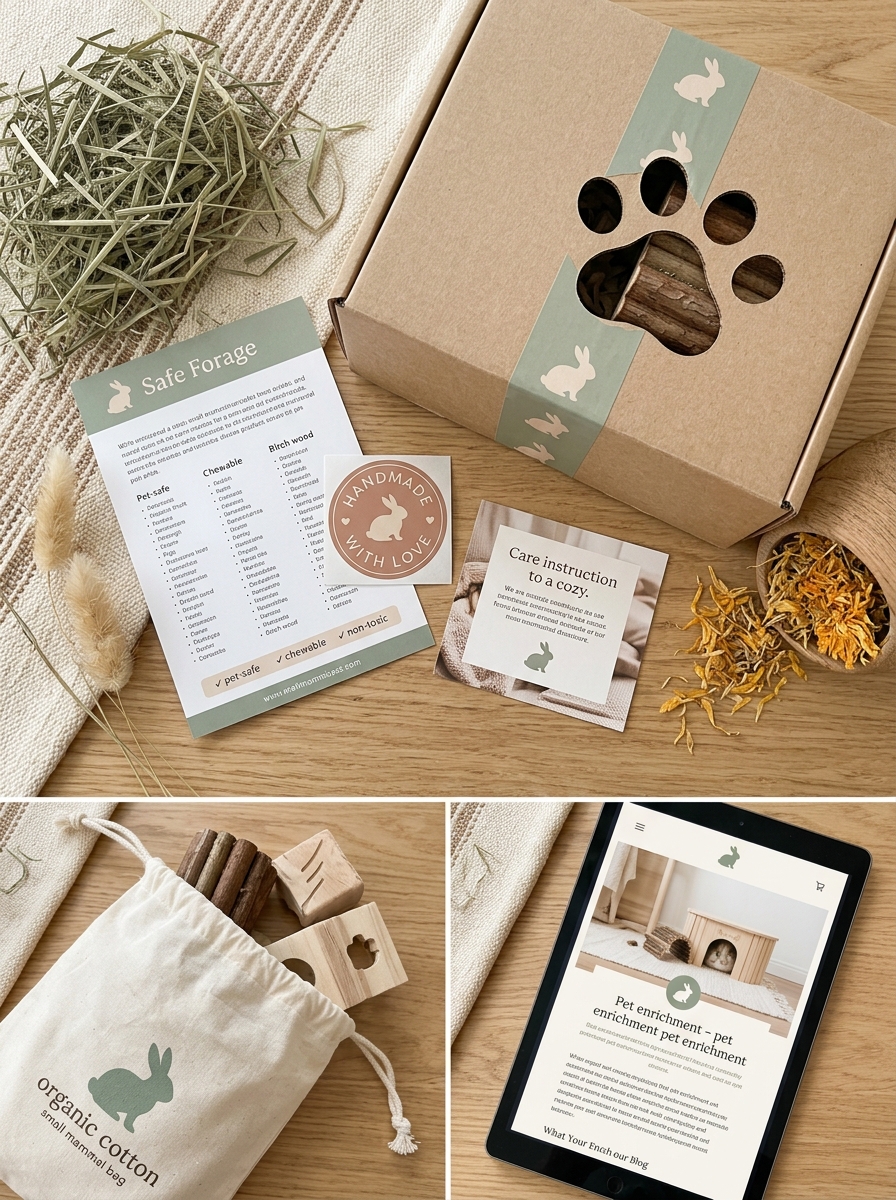
Designing effective packaging for small animal hideouts requires a strategic blend of structural integrity and compelling visual storytelling. As the primary touchpoint for discerning pet owners, the exterior design must immediately communicate safety, comfort, and brand reliability. Today's pet industry trends emphasize minimalist layouts and sustainable materials that resonate with environmentally conscious consumers.
By integrating transparent windows and tactile textures, brands can showcase the craftsmanship of hideouts for hamsters, rabbits, and guinea pigs. A cohesive color palette and high-quality imagery further reinforce brand aesthetics, ensuring products command attention on retail shelves. Mastering these essential packaging concepts transforms standard protective casing into a powerful narrative tool that fosters consumer loyalty and elevates the perceived value of the product.
The Evolution of Small Animal Hideout Packaging Trends
The packaging for small animal hideouts has undergone a significant transformation, shifting from basic plastic wraps to sophisticated, eco-conscious designs. Modern trends prioritize sustainability, with manufacturers increasingly utilizing FSC-certified cardboard and biodegradable soy-based inks to appeal to environmentally aware pet owners. This evolution reflects a broader industry commitment to pet safety and ecological responsibility.
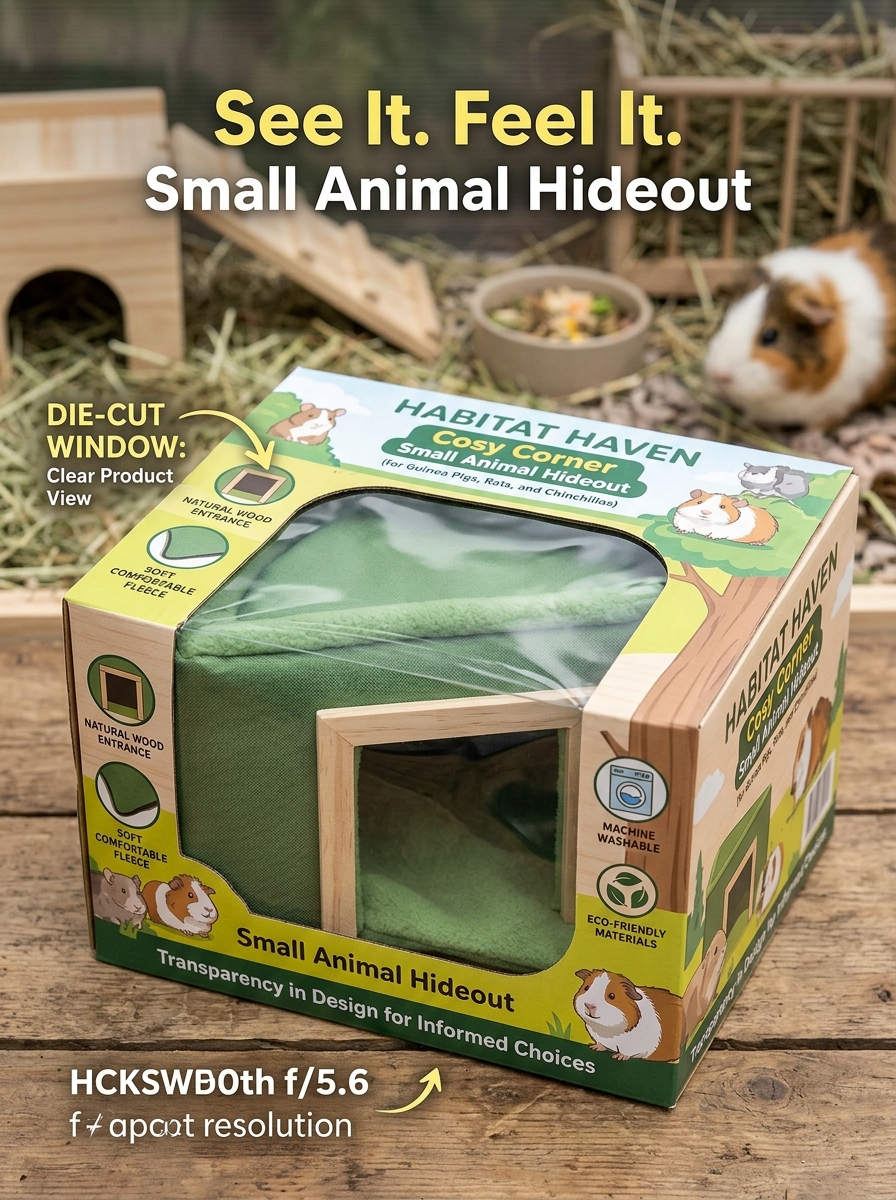
Current packaging designs also emphasize transparency and functionality. Many brands now incorporate die-cut windows to showcase material textures, such as natural kiln-dried wood or hand-woven Timothy hay. Furthermore, "zero-waste" initiatives have introduced multifunctional boxes that can be repurposed as enrichment chew toys or temporary tunnels. By integrating clear labeling regarding non-toxic adhesives and pet-safe materials, contemporary packaging ensures that every small animal hideout meets the high standards of modern habitat enrichment.
Material Selection for Sustainable and Safe Pet Product Housing
Choosing the right materials for a small animal hideout is essential for pet health and environmental responsibility. Owners should prioritize non-toxic, sustainable options that support natural behaviors like gnawing and nesting.
- Untreated Wood: Kiln-dried pine or fruitwoods are safe for chewing and offer a naturalistic aesthetic.
- Ceramic: This durable, chew-proof material is easy to sanitize and aids in thermoregulation during warm weather.
- Natural Fibers: Woven seagrass, Timothy hay, or water hyacinth are biodegradable and enrich the habitat.
Avoid products containing toxic glues, lead-based paints, or plastics with BPA. By selecting eco-friendly pet housing, you provide a chemical-free sanctuary that ensures your pet's well-being while minimizing your ecological footprint. High-quality, safe materials are the foundation of a secure and healthy small animal habitat.
Visual Branding Elements That Connect with Pet Owners
To resonate with owners of small pets like hamsters, rabbits, and guinea pigs, a small animal hideout brand must utilize specific visual cues that signal safety and comfort. Effective branding elements include:
- Natural Color Palettes: Utilizing earthy tones, soft pastels, or wood grains reflects a pet's natural environment, suggesting a stress-free habitat.
- Friendly Typography: Rounded, soft-edged fonts convey a sense of gentleness and approachability, aligning with the "cute" appeal of small mammals.
- Lifestyle Photography: High-quality images featuring happy pets inside the hideout provide social proof and help owners visualize the product's scale and texture.
- Safety Iconography: Visible badges for "non-toxic," "chew-safe," or "eco-friendly" materials immediately build trust regarding the animal's health.
By blending these visual markers, brands create an emotional connection, positioning their hideouts as essential sanctuaries for beloved small companions.
The Role of Transparency and Die-Cut Windows in Design
In modern small animal hideout design, transparency and die-cut windows are essential for balancing a pet's need for privacy with an owner's need for observation. Transparent materials, such as high-quality acrylic, allow owners to monitor their pets' health and behavior without causing stress through physical disturbance. This visual access ensures the animal feels secure while remaining visible.
Precision die-cut windows serve a dual purpose: ventilation and enrichment. These openings ensure consistent airflow, preventing moisture buildup and maintaining a fresh internal environment. Furthermore, they cater to a small animal's natural curiosity, providing safe vantage points to survey their surroundings. By integrating these features, a hideout evolves from a simple shelter into a functional, breathable sanctuary that promotes both physical well-being and mental stimulation for hamsters, mice, and other small rodents.
Information Hierarchy for Clear Size and Compatibility Specs
An effective information hierarchy is vital for helping pet owners select the safest small animal hideout. By prioritizing dimensions and species compatibility, you provide immediate clarity, reducing the risk of purchasing an inappropriately sized habitat.
- External Dimensions: Essential for determining if the hideout fits within the existing cage footprint.
- Entrance Diameter: A critical safety spec to ensure pets, such as guinea pigs or syrian hamsters, can enter and exit without getting stuck.
- Species Suitability: Explicitly listing compatible animals helps users match the product to their pet's specific behavioral needs.
Organizing these technical specifications using logical headings and bulleted lists improves scannability. This structured approach ensures that internal volume and entry sizes are transparent, guaranteeing a cozy and secure sanctuary for every small pet.
Integrating Minimalist and Natural Brand Aesthetics
Modern pet care emphasizes a seamless harmony between home decor and animal well-being. Our small animal hideouts embody this philosophy by expertly blending minimalist design with natural aesthetics. By utilizing eco-friendly materials such as kiln-dried wood and organic fibers, we prioritize pet safety while maintaining a sophisticated look.
The minimalist approach focuses on clean lines and neutral palettes, ensuring the habitat complements contemporary living spaces without visual clutter. Simultaneously, natural textures provide the essential enrichment small animals-such as hamsters, guinea pigs, and rabbits-need to feel secure. This integration mimics wild environments through a modern lens, offering a functional sanctuary that is both aesthetically pleasing and biologically appropriate. Elevate your pet's habitat with designs that bridge the gap between organic beauty and modern simplicity.
Protective Structural Design for Delicate Habitat Accessories
Optimizing a small animal hideout requires a focus on protective structural design to ensure pet safety and product longevity. These delicate habitat accessories serve as essential sanctuaries for species like hamsters, guinea pigs, and rabbits. By utilizing reinforced, non-toxic materials, the design prevents structural collapse and resists wear from instinctive gnawing.
A superior layout incorporates smooth, rounded edges and stable foundations to minimize injury risks within the enclosure. This ergonomic approach not only provides a secure nesting area but also maintains the integrity of the habitat's aesthetic. Choosing hideouts with robust architecture ensures a durable, stress-free environment, effectively balancing functional protection with the comfort small pets require for natural burrowing behaviors.
Communicating Safety Standards and Non-Toxic Material Proof
Ensuring the safety of a small animal hideout is paramount, as pets like hamsters and guinea pigs frequently gnaw on their enclosures. We prioritize transparency by providing verifiable non-toxic material proof through rigorous laboratory testing. Our products are manufactured using pet-safe materials, such as kiln-dried wood or food-grade polymers, ensuring they are free from harmful phenols, formaldehydes, and lead-based dyes.
To guarantee a secure environment, our hideouts comply with international safety benchmarks, including EN71-3 standards for mechanical safety and chemical migration. We eliminate risks by using solvent-free, water-based adhesives and ensuring all edges are smoothed to prevent injury. By documenting our adherence to these strict quality controls, we offer pet owners peace of mind that their small animals have a durable, chemical-free sanctuary designed for natural behaviors without health risks.
Unboxing Experiences That Build Brand Loyalty for Pet Parents
For dedicated pet parents, purchasing a small animal hideout is an investment in their pet's well-being. The unboxing experience serves as the critical first physical touchpoint, shaping brand perception. When a rabbit hideaway or guinea pig house arrives in premium, sustainable packaging, it immediately signals product quality and a commitment to pet safety.
To foster brand loyalty, companies should include thoughtful details such as easy-to-follow assembly guides, branded stickers, or a small complimentary treat. These "surprise and delight" moments create an emotional connection, encouraging owners to share their experience on social media. By prioritizing a seamless and aesthetically pleasing reveal, brands prove they understand the joy of pet ownership. This attention to detail transforms a one-time buyer into a lifelong advocate for your small animal supplies.
Optimizing Shelf Presence with Compact and Stackable Formats
In the competitive pet retail landscape, the physical footprint of small animal hideouts significantly impacts marketability. Utilizing compact and stackable formats allows retailers to maximize vertical shelf space, ensuring a diverse inventory of hamster houses and guinea pig shelters can be displayed without clutter.
These space-saving designs offer several key advantages for distributors and retailers:
- Improved SKU Density: Showcase more product variations within the same square footage.
- Logistical Efficiency: Nestable or flat-pack designs reduce volumetric weight, lowering shipping and warehousing costs.
- Visual Organization: Uniform, stackable packaging creates a clean, professional aesthetic that enhances the consumer shopping experience.
By prioritizing efficient geometries, manufacturers ensure that hideouts remain prominent on-shelf, driving higher turnover through better accessibility and presentation.
Leave a comment