
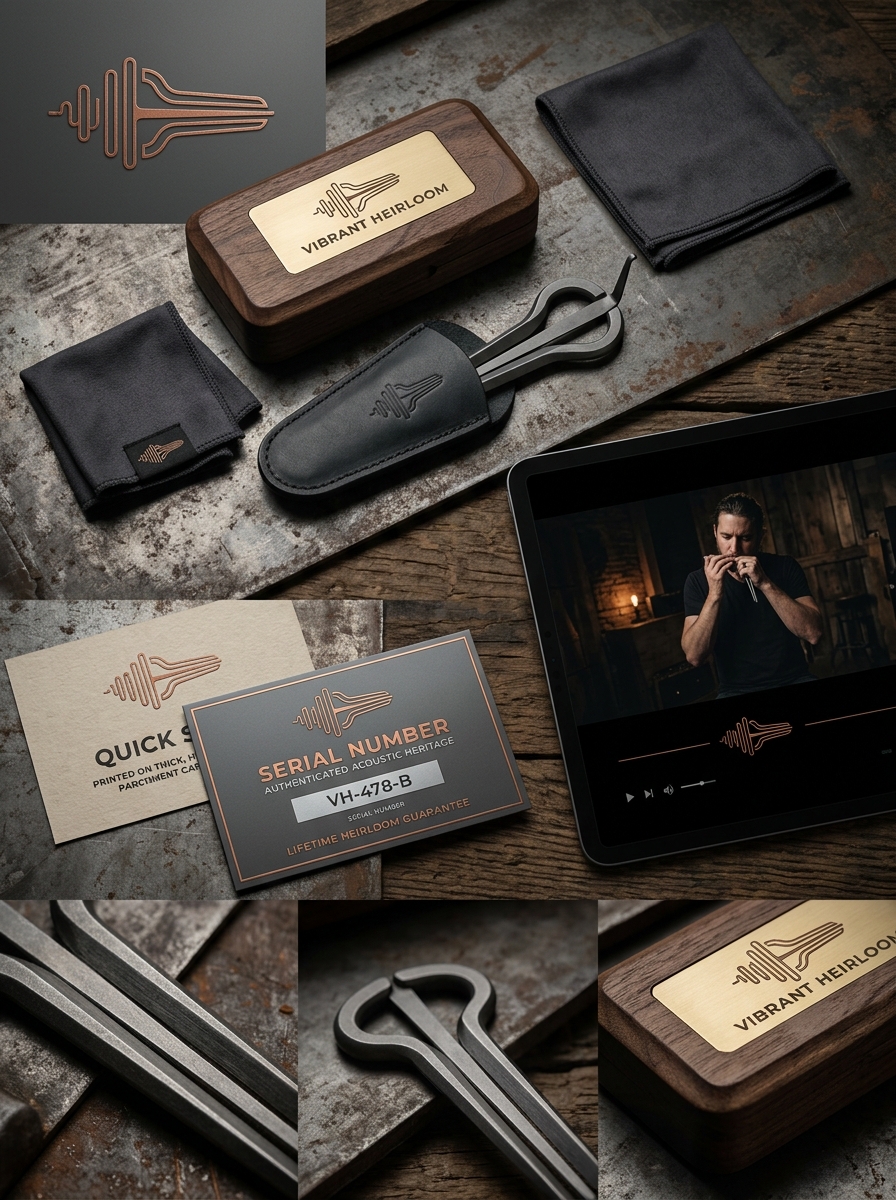
Elevating a traditional acoustic instrument like the jaw harp requires more than just functional protection; it demands a visual narrative that resonates with both professional musicians and curious collectors. Mastering jaw harp packaging design involves a delicate balance between honoring cultural heritage and implementing modern brand identity concepts. Every design choice, from sustainable material selection to minimalist aesthetics, must reflect the instrument's unique harmonic character and tactile nature.
By focusing on sensory appeal and structural integrity, designers can transform a simple storage solution into a premium brand touchpoint. Strategic use of intentional typography, color psychology, and ergonomic unboxing experiences allows a product to communicate quality before the first note is played. This guide explores the essential principles that bridge the gap between ancient musical tradition and contemporary retail excellence, ensuring your product captures attention on a crowded shelf.
The Evolution of Jaw Harp Packaging Traditions
The history of jaw harp packaging reflects a journey from rudimentary protection to sophisticated artisanal branding. Originally, these delicate instruments were kept in simple leather pouches or wrapped in scrap cloth to prevent the sensitive steel or bamboo reed from bending.
As craftsmanship evolved, regional traditions dictated specific storage styles:
- Siberian Khomus: Often housed in hand-carved wooden blocks, shaped specifically to the instrument's frame.
- Southeast Asian Dan Moi: Typically protected by decorative bamboo tubes wrapped in vibrant textiles.
- European Trumps: Historically sold in simple cardboard boxes or nested in wooden crates for bulk trade.
Modern packaging now integrates magnetic closures, laser-engraved logos, and synthetic materials. This evolution ensures the instrument's longevity while serving as a vital identifier for world-renowned makers and collectors.
Defining Brand Identity Through Visual Storytelling
For artisans and retailers of the jaw harp (or khomus), brand identity transcends a mere logo. Effective visual storytelling captures the visceral connection between the player, the instrument, and its ancient vibrations. By documenting the meticulous forging process and raw, rhythmic performances, brands communicate craftsmanship and cultural heritage.
High-quality imagery showcasing the unique geometry of the reed and frame highlights the precision required in production. Whether portraying the rustic aesthetic of a Siberian smithy or the sleek design of modern mouth harps, visual cues help enthusiasts distinguish between mass-produced items and artisanal masterpieces. Ultimately, storytelling bridges the gap between the instrument's historical roots and contemporary appeal, establishing a resonant and authentic brand presence in the global folk music market.
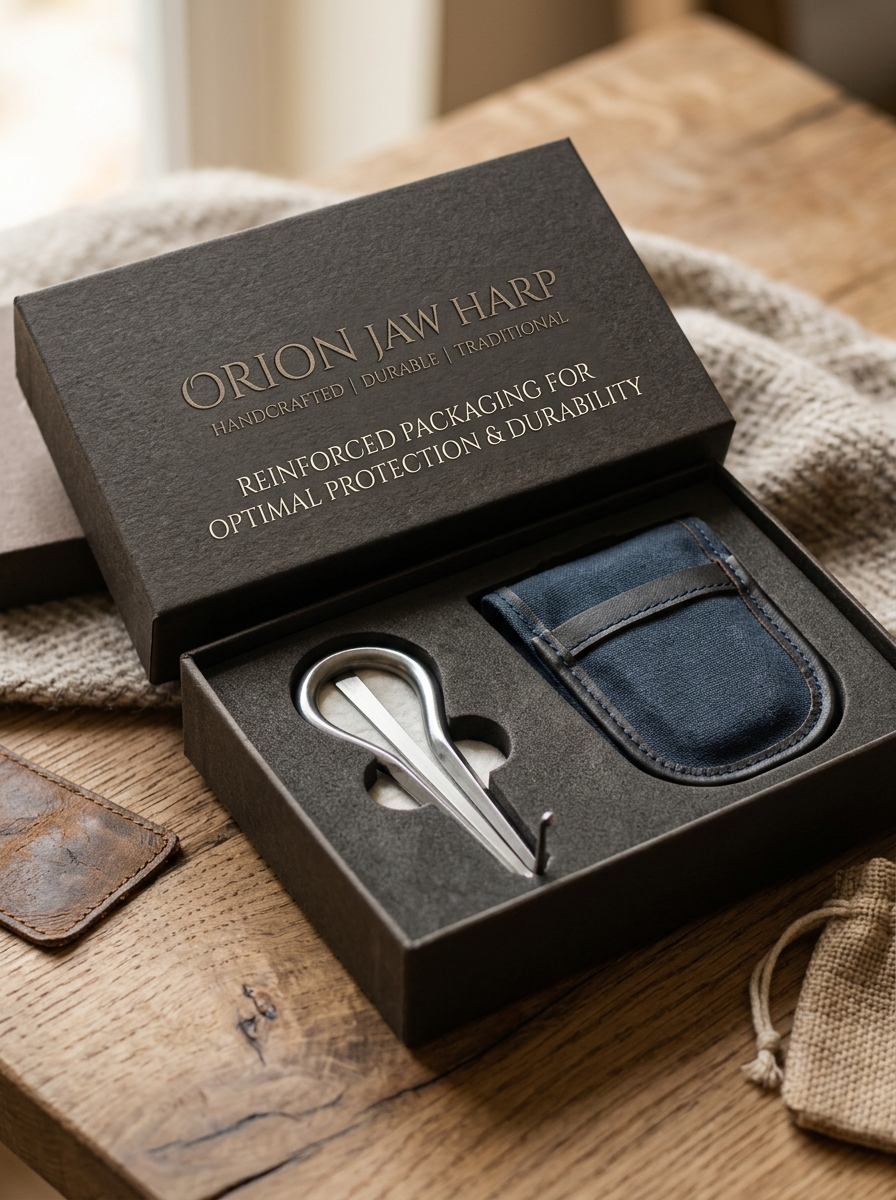
Material Selection for Instrument Protection and Durability
Choosing the right materials is vital for the jaw harp's longevity and acoustic consistency. Most professional instruments feature reeds crafted from hardened carbon steel to achieve optimal elasticity and vibration. However, since carbon steel is susceptible to oxidation from breath moisture, selecting a harp with a corrosion-resistant coating or opting for high-grade stainless steel is essential for long-term durability.
The frame, typically constructed from brass, bronze, or steel, must provide rigid structural support to prevent reed misalignment. High-quality alloys resist environmental shifts and physical wear, ensuring the instrument maintains its pitch and structural integrity. By prioritizing moisture-resistant metals and protective finishes, players safeguard their instrument against rust, preserving both the mechanical function and the unique harmonic richness of the instrument for years of play.
The Psychology of Color in Musical Branding
In the world of the jaw harp, color psychology is a silent communicator that defines a brand's identity and perceived sound quality. Artisans often utilize earth tones-such as deep copper, bronze, and wood-grain browns-to evoke a sense of organic tradition and folk heritage. These shades suggest a warm, natural resonance that appeals to traditionalists.
Conversely, sleek metallic silver or matte black finishes signify modern precision and industrial durability, attracting contemporary experimentalists. Vibrant accents like crimson or gold can highlight the instrument's mystical or shamanic roots, creating an emotional pull toward its spiritual history. By strategically selecting a color palette, makers align the visual "mood" of a vargan or khomus with its acoustic vibrations, influencing a musician's subconscious expectations before the first note is ever struck.
Balancing Minimalism with Ornamental Folk Aesthetics
The design of the jaw harp often oscillates between minimalist utility and rich folk ornamentation. Minimalist instruments focus on structural purity, prioritizing acoustic resonance and ergonomic handling through sleek, unadorned frames. Conversely, traditional folk aesthetics introduce intricate engravings, woven patterns, and hand-forged textures that reflect specific cultural heritages, such as the Siberian khomus or Indian morchang.
Achieving this balance is essential for modern players who seek professional performance and artistic expression. Many contemporary smiths utilize precision engineering for the reed's technical accuracy while hand-finishing the frame with ethnic motifs. This synthesis ensures the instrument remains a high-quality musical tool while honoring its roots as a piece of cultural art, blending ancient craftsmanship with modern design principles.
Functional Design for Portability and Secure Storage
The jaw harp is celebrated for its compact nature, making it one of the world's most portable musical instruments. However, its delicate steel reed, or tongue, requires specialized protection to maintain its acoustic precision. Functional design focuses on secure storage solutions, such as custom-carved wooden cases or magnetic blocks.
These protective housings prevent the frame from warping and shield the sensitive trigger from accidental bending during transport. Many designs utilize leather cords or friction-fit inserts to ensure the instrument remains stationary. By integrating ergonomic portability with robust casing, players can safely carry their jaw harp in a pocket or bag, ensuring the instrument is shielded from environmental debris and mechanical stress while on the move.
Eco-Friendly Materials for Sustainable Packaging Solutions
Choosing sustainable packaging for a jaw harp is essential for environmentally conscious musicians and makers. To protect the instrument's delicate reed and frame, many artisans are moving away from plastic toward biodegradable materials.
Recyclable cardboard, organic cotton pouches, and FSC-certified wooden boxes serve as excellent alternatives that offer high durability without the ecological footprint. These eco-friendly materials provide natural moisture regulation, which is critical for preventing rust on steel instruments like the vargan or khomus.
By utilizing compostable mailers and soy-based inks, the jaw harp community supports a circular economy. Prioritizing plastic-free shipping solutions ensures that these ancient musical instruments are delivered safely while honoring modern environmental stewardship and reducing landfill waste.
Typography and Graphic Elements for Cultural Resonance
To evoke the ancient heritage of the jaw harp, visual design must bridge the gap between sonic vibration and cultural identity. Typography plays a pivotal role; utilizing organic serif fonts or hand-lettered scripts reflects the instrument's rustic, shamanic origins and artisan craftsmanship. For contemporary branding, minimalist typefaces can highlight the precision engineering of modern instrument smiths.
Graphic elements should incorporate rhythmic motifs and sound-wave patterns that mimic the instrument's characteristic drone and overtones. Integrating traditional iconography-such as Yakutian ornaments, Norse carvings, or Southeast Asian bamboo patterns-establishes immediate cultural resonance. Using earthy color palettes and tactile textures further emphasizes the haptic connection between the player, their breath, and the vibrating reed. This visual synergy ensures the jaw harp's rich global history is communicated effectively across digital and print media.
Enhancing the Unboxing Experience for Enthusiasts
For jaw harp enthusiasts, the unboxing process is the first chord in their musical journey. High-quality presentation transforms a niche instrument into a cherished artifact. To elevate this experience, focus on artisanal packaging that reflects the instrument's cultural heritage.
Providing a custom-carved wooden case or a hand-stitched leather pouch not only protects the delicate reed during transit but also offers immediate tactile value. Consider including these essential elements:
- Maintenance Guides: Tips on preventing rust and cleaning the frame.
- QR Codes: Direct links to tuning tutorials and playing techniques.
- Origin Stories: A brief history of the specific model, whether it is a Siberian Khomus or a Vietnamese Dan Moi.
By blending protection with education, you create a memorable "first-play" moment that resonates with collectors and beginners alike.
Strategic Market Positioning Through Innovative Container Design
In the global ethnomusicology market, strategic market positioning for the jaw harp (also known as the vargan, khomus, or mouth harp) is increasingly driven by innovative container design. Custom-engineered packaging serves a dual purpose: ensuring critical instrument protection and establishing brand differentiation. Because the jaw harp's reed is sensitive to misalignment and environmental corrosion, high-quality cases made from cedar, leather, or 3D-printed synthetics offer essential durability.
Beyond utility, premium containers transform a traditional folk instrument into a professional-grade product. By focusing on ergonomic portability and aesthetic craftsmanship, makers can appeal to both serious musicians and collectors. This tactical approach to packaging design enhances perceived value, allowing artisans to command higher price points while securing a unique niche in the competitive musical instrument landscape.
Leave a comment