
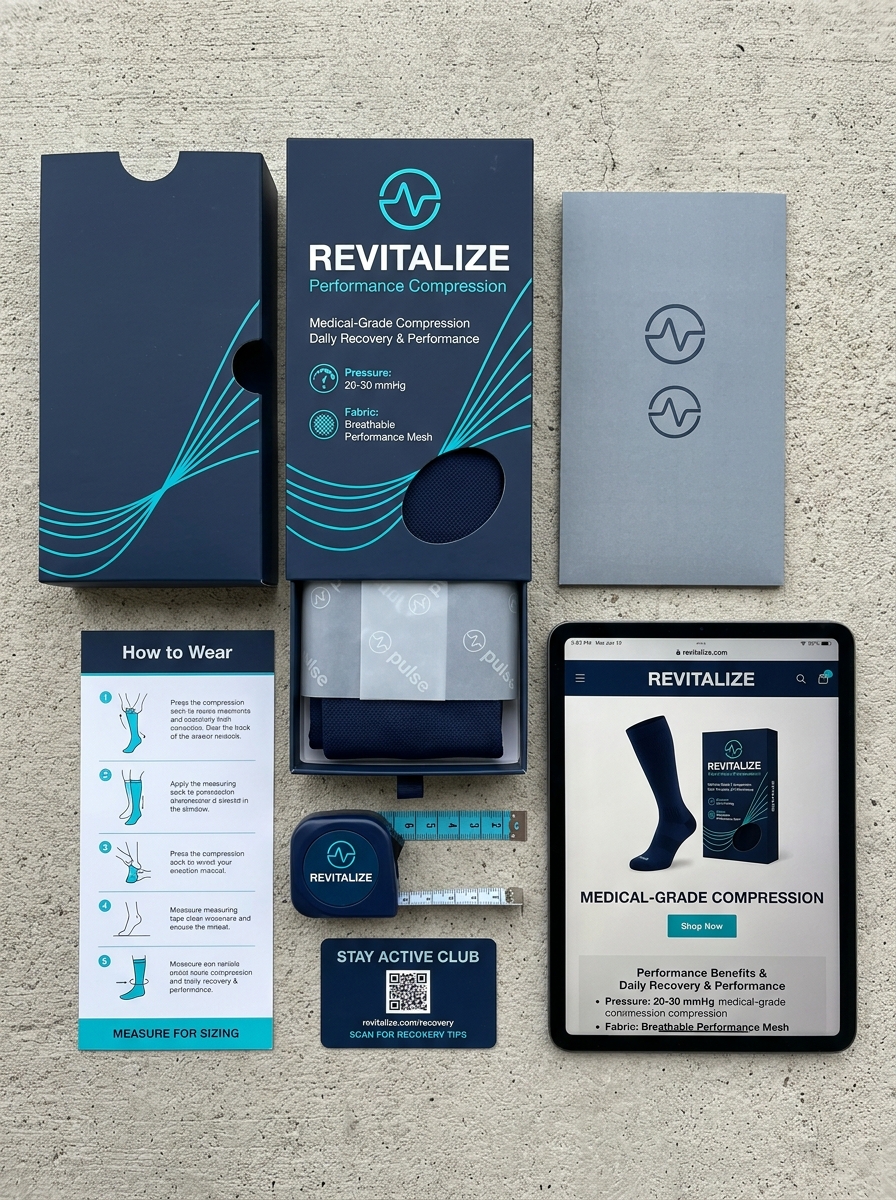
Effective compression sock packaging serves as a critical bridge between medical necessity and retail appeal. As the market expands beyond clinical settings into athletics and daily lifestyle wear, designers must master a delicate balance of aesthetic clarity and technical transparency. This exploration delves into the foundational principles of packaging design, focusing on how visual hierarchy and material selection communicate product efficacy.
By prioritizing intuitive color palettes and legible typography, brands can cultivate trust while distinguishing themselves on crowded shelves. Understanding the conceptual framework behind successful compression wear presentation ensures that every box or sleeve not only protects the garment but also reinforces the therapeutic benefits within. Mastering these essential guidelines is crucial for creating an impactful first impression that resonates with diverse consumer demographics seeking both comfort and peak performance.
Defining the Role of Packaging in Compression Wear
In the specialized market of compression wear, packaging serves as a vital guardian of product efficacy. Beyond basic aesthetics, high-quality packaging protects the delicate elastic fibers from environmental degradation, ensuring that the gradient pressure remains consistent from the factory to the consumer.
Semantically, effective packaging acts as an essential educational tool, communicating critical data points such as:
- Compression Levels: Clearly defined mmHg ratings for therapeutic or athletic use.
- Sizing Accuracy: Detailed charts to ensure a precise fit for optimal blood flow.
- Material Integrity: Protection against UV rays and moisture that can weaken medical-grade hosiery.
By maintaining hygiene and structural integrity, packaging reinforces brand trust and ensures that compression socks deliver their promised circulatory benefits and edema relief.
Identifying Target Demographics Through Visual Language
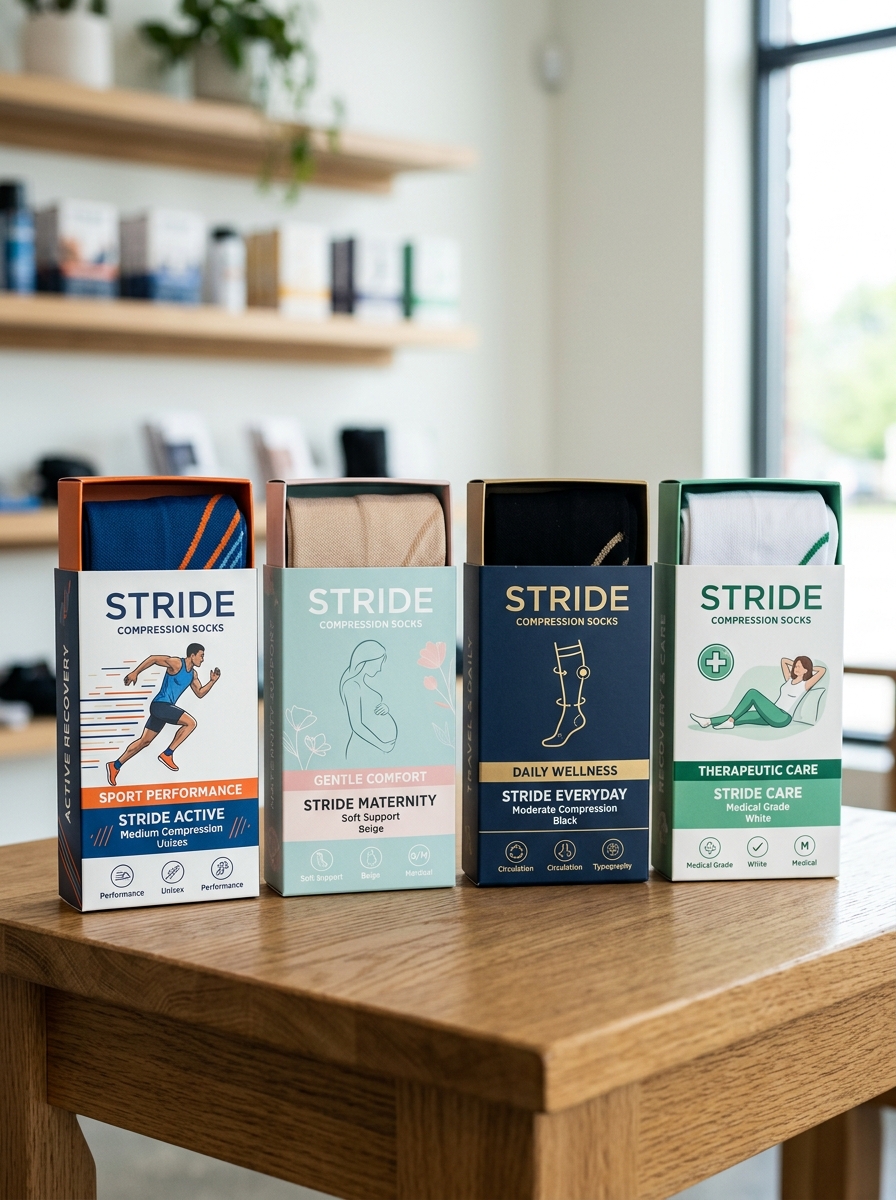
In the compression apparel market, visual language serves as a non-verbal cue to segment diverse audiences. By utilizing specific imagery and design aesthetics, brands communicate the intended utility of compression socks to distinct target demographics.
- Athletes: Dynamic action shots, bold typography, and high-contrast colors signal performance recovery and endurance benefits.
- Medical Patients: Soft, neutral palettes and clinical settings emphasize therapeutic relief for circulation issues or edema.
- Professionals & Travelers: Lifestyle photography featuring business attire or airplane cabins targets nurses and frequent flyers seeking all-day comfort.
Strategically aligning color psychology and environmental context allows consumers to quickly identify products tailored to their lifestyle. This visual storytelling transforms a functional medical garment into a relatable accessory, ensuring effective market positioning and consumer resonance.
Color Theory for Medical and Athletic Markets
Color selection in the compression socks industry is a strategic tool used to influence consumer behavior and meet functional needs. In the medical market, palettes lean toward neutral tones such as beige, black, and soft white. These colors prioritize discretion, professionalism, and psychological comfort, helping patients feel less "medicalized" while ensuring the garments blend seamlessly with everyday attire.
In contrast, the athletic market utilizes high-energy color theory. Vibrant neons, primary bolds, and high-contrast patterns signify performance, vitality, and speed. Beyond aesthetics, bright colors offer safety through high visibility for outdoor runners. By applying these psychological triggers, manufacturers can improve patient compliance in clinical settings and boost brand loyalty among athletes who view their compression gear as an extension of their competitive identity.
Typography and Readability for Essential Product Data
Clear typography is critical when presenting technical specifications for compression socks. Shoppers must quickly identify essential data to ensure medical safety and product effectiveness. Key readability factors include:
- Compression Levels: Distinct numerical values (e.g., 15-20 mmHg vs. 20-30 mmHg) to prevent incorrect pressure selection.
- Sizing Charts: Legible grids that accurately align ankle and calf measurements with specific sizes.
- Material Composition: High-contrast text detailing nylon, spandex, or moisture-wicking fabric blends.
Using clean, sans-serif fonts and logical hierarchical headings improves accessibility for older demographics or users with visual impairments. Semantic HTML structures help search engines index these vital attributes, ensuring customers find the exact support level required for their circulatory health. Prioritizing legibility reduces cognitive load and builds consumer trust.
Communicating Compression Levels and Graduated Benefits
Compression socks utilize graduated pressure technology to enhance circulation and venous return. By applying the firmest pressure at the ankle and gradually loosening toward the calf, these garments assist the body in pushing blood back toward the heart, effectively reducing swelling and preventing pooling.
Compression intensity is measured in mmHg (millimeters of mercury). Selecting the correct level is vital for therapeutic success:
- 8-15 mmHg (Mild): Ideal for daily comfort, minor swelling, and fatigue relief.
- 15-20 mmHg (Moderate): Recommended for travel, pregnancy, and post-exercise recovery.
- 20-30 mmHg (Firm): Medical-grade support for varicose veins and DVT prevention.
- 30-40+ mmHg (Extra Firm): Prescribed for severe edema and chronic venous insufficiency.
Understanding these levels ensures users receive the specific physiological benefits required for their vascular health and lifestyle needs.
Prioritizing Sizing Charts and Measurement Accuracy
Achieving the therapeutic benefits of compression socks depends entirely on a precise fit. Because these garments utilize graduated pressure to enhance venous return, an incorrect size can render the treatment ineffective or even restrict healthy circulation.
To ensure optimal efficacy, never rely solely on shoe size. Instead, prioritize manufacturer-specific sizing charts and take accurate physical measurements. Key metrics include:
- Ankle Circumference: Measure at the narrowest point above the ankle bone.
- Calf Circumference: Measure at the widest part of the calf muscle.
- Leg Length: Measure from the floor to the knee fold or upper thigh.
For the most reliable data, take measurements in the morning when swelling is at its minimum. Precise sizing ensures the correct mmHg pressure level is applied, providing maximum comfort and medical benefit.
Sustainable Material Selection and Structural Durability
Modern compression socks prioritize environmental responsibility alongside long-term performance. Manufacturers now utilize eco-friendly fibers like recycled nylon, organic cotton, and Tencel to reduce carbon footprints without compromising medical efficacy. These sustainable materials are engineered specifically for high-performance structural durability.
Advanced knitting techniques incorporate high-denier yarns and reinforced stitching in high-friction areas like the heel and toe. This ensures the garment maintains precise graduated compression levels through repeated washing and daily wear. By focusing on elasticity retention and wear-resistant weaves, premium compression hosiery offers an extended lifecycle. This synergy between green textile innovation and robust construction ensures users receive consistent therapeutic benefits while supporting sustainable consumption. Choosing durable, eco-conscious compression wear minimizes textile waste and promotes better circulatory health through reliable, long-lasting support.
Designing for the Modern Unboxing Experience
In the competitive compression socks market, the unboxing experience serves as a critical bridge between medical functionality and lifestyle branding. Modern packaging is no longer just a container; it is a strategic tool designed to delight and educate the consumer from the moment of arrival.
A well-executed design prioritizes three core elements:
- Educational Value: Including QR codes or instructional inserts that teach users how to properly don graduated compression garments.
- Sustainability: Using eco-friendly, minimalist materials that resonate with environmentally conscious shoppers.
- Premium Aesthetics: High-quality finishes and vibrant typography that reposition compression wear as a stylish wellness accessory.
By focusing on these tactile details, brands foster immediate trust, reduce returns through better product education, and encourage social sharing, transforming a health necessity into a memorable lifestyle event.
Balancing Regulatory Compliance with Aesthetic Appeal
Manufacturing high-quality compression socks requires a precise balance between meeting stringent medical standards and satisfying modern style preferences. Regulatory compliance ensures that each garment provides accurate graduated compression levels, typically measured in mmHg, which are essential for promoting venous return and preventing deep vein thrombosis (DVT).
Historically, therapeutic hosiery was limited to a "surgical" look, often leading to low patient adherence. Today, manufacturers bridge this gap by utilizing advanced textile engineering to incorporate fashion-forward patterns and vibrant colors without compromising pressure integrity. By adhering to FDA or CE certifications while using premium, breathable fibers, brands ensure that medical-grade support remains indistinguishable from everyday hosiery. This synergy between clinical efficacy and aesthetic design encourages consistent daily wear, ultimately improving long-term circulatory health and user confidence.
Future Trends in Medical Apparel Brand Identity
The evolution of medical apparel is shifting toward a lifestyle-centric brand identity, particularly within the compression socks market. Future trends prioritize a "wellness-first" aesthetic, moving away from clinical perceptions toward fashion-forward designs. Key identity drivers include:
- Sustainable Materials: Using recycled fibers and eco-friendly dyes to appeal to environmentally conscious consumers.
- Technological Integration: Branding centered around smart fabrics and 3D knitting technology for precision-fit graduated compression.
- Inclusive Marketing: Showcasing diverse lifestyles, from high-performance athletes to travelers and healthcare professionals.
- Athleisure Convergence: Blending therapeutic recovery with athletic performance styles.
By focusing on the intersection of preventative health and modern fashion, medical brands are redefining compression wear as a stylish, daily essential rather than a clinical necessity, fostering deeper consumer loyalty and emotional connection.
Leave a comment