
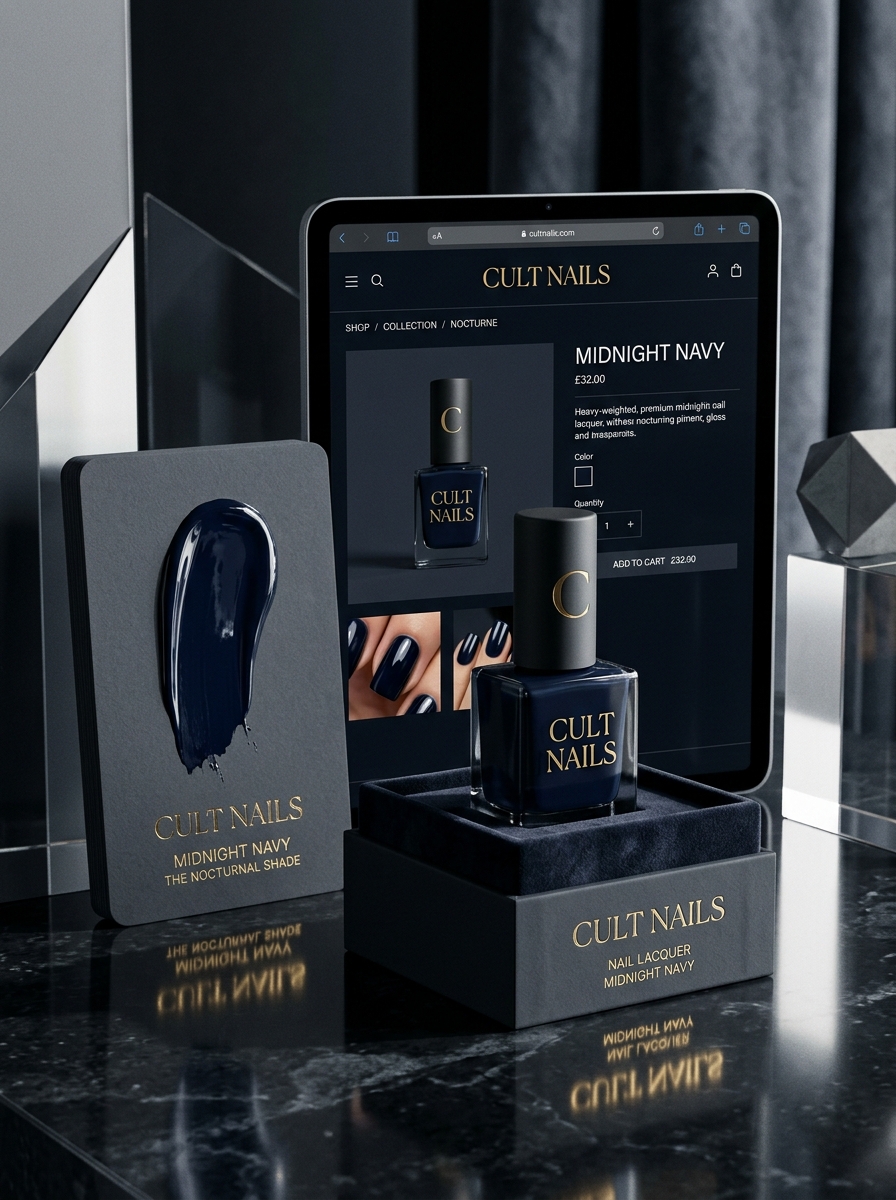
Effective nail polish packaging design serves as the critical bridge between product quality and consumer desire. Within the beauty industry, a bottle and its exterior box must communicate luxury, durability, and style the moment they catch a shopper's eye. Mastering visual aesthetics requires a deep understanding of color theory, typography, and tactile finishes that resonate with your specific target demographic.
This comprehensive guide explores innovative creative concepts that elevate brand identity and maximize shelf appeal. From minimalist glass silhouettes to eco-friendly paperboard solutions, we examine how strategic design choices influence purchase decisions. Discover how to balance artistic flair with functional protection to create packaging that not only showcases vibrant pigments but also builds lasting brand loyalty through superior unboxing experiences and ergonomic functionality.
Defining Brand Identity Through Distinctive Bottle Silhouettes
In the competitive beauty industry, a nail polish bottle's silhouette serves as a silent ambassador for the brand. Beyond mere containment, the structural design-ranging from sleek cylinders to avant-garde geometric forms-establishes immediate brand recognition. Distinctive shapes allow luxury labels to convey opulence, while minimalist designs signal modern professionalism.
These iconic silhouettes create "shelf appeal," ensuring consumers can identify a preferred lacquer at a glance, even without a visible logo. Furthermore, the interplay between ergonomics and aesthetics defines the user experience; the cap's weight and the bottle's grip reflect the brand's quality standards. Ultimately, a signature silhouette is a powerful marketing tool that anchors brand identity within the tactile and visual landscape of the cosmetics market, fostering long-term consumer loyalty through unique visual branding.
Maximizing Ergonomics with Functional Cap and Brush Engineering
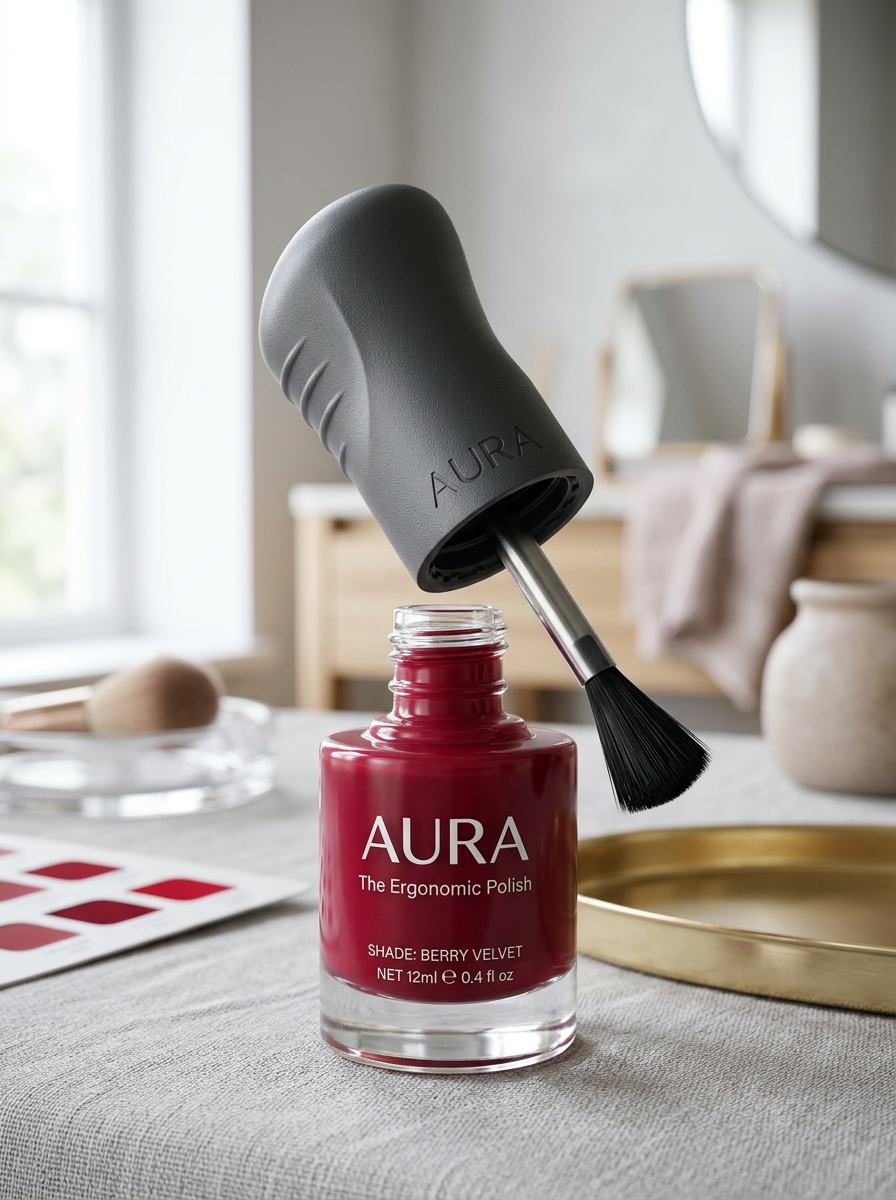
In the nail polish industry, ergonomic design is essential for achieving professional-grade results. Functional cap engineering focuses on the handle's diameter, weight, and texture. Anti-slip grips and anatomically weighted caps provide superior leverage and stability, significantly reducing hand fatigue and allowing for precise control during intricate applications.
The applicator brush is equally vital to the user experience. Modern engineering utilizes laser-cut, fan-shaped bristles designed to contour perfectly to the nail's natural cuticle line. This geometry ensures even product distribution and a "one-stroke" application, which minimizes streaks and formula overlapping.
By prioritizing the synergy between the cap's grip and the brush's bristle density, manufacturers enhance accessibility and efficiency. This functional integration ensures that every manicure is fluid, controlled, and consistently flawless for both professionals and enthusiasts.
Color Theory and Visual Impact in Cosmetic Branding
In the nail polish industry, color theory serves as a critical framework for establishing brand identity and driving consumer engagement. By utilizing the color wheel, brands curate palettes that range from high-contrast complementary hues to harmonious analogous shades, directly influencing how a product is perceived on the shelf.
The visual impact of specific lacquer pigments leverages color psychology to evoke targeted emotions. For example, deep reds often symbolize luxury and confidence, while muted earth tones suggest eco-consciousness and stability. Effective cosmetic branding relies on these visual cues to differentiate collections and communicate brand values. By mastering saturation and value, nail polish manufacturers create a cohesive aesthetic that resonates with their target demographic, transforming simple color choices into a powerful, silent marketing narrative.
Selecting Typography for Readability and High-End Appeal
In the nail polish industry, typography is a critical element of brand identity, balancing aesthetic elegance with functional clarity. To project a high-end appeal, many luxury brands utilize sophisticated serif typefaces, which evoke a sense of timelessness and editorial prestige.
However, readability is essential, particularly on small bottle labels and digital displays. Incorporating clean sans-serif fonts for shade names and ingredient lists ensures legibility even at small scales. A successful typographic strategy uses a clear visual hierarchy-pairing bold headers with minimalist body text-to guide the consumer's eye.
By carefully selecting typefaces that reflect the product's finish-whether a modern neon or a classic crème-brands can communicate quality and professionalism, ensuring the packaging feels as premium as the formula inside.
Sustainable Material Choices and Eco-Friendly Packaging Solutions
The beauty industry is shifting toward sustainability by prioritizing bio-sourced ingredients in nail polish formulations. Modern "green" polishes replace petroleum-derived solvents with plant-based alternatives like corn, cotton, and wood pulp. These non-toxic, vegan formulas reduce chemical runoff and improve consumer safety.
Beyond the bottle's contents, eco-friendly packaging is essential for reducing environmental impact. Leading brands now utilize recyclable glass, caps made from post-consumer recycled (PCR) plastics or renewable bamboo, and brushes with castor bean oil bristles. Furthermore, secondary packaging often features FSC-certified paper and biodegradable soy-based inks. By choosing brands that implement refillable systems and plastic-free shipping, consumers can enjoy high-shine manicures while supporting a circular economy and minimizing landfill waste.
The Role of Secondary Packaging in Enhancing the Unboxing Experience
In the competitive beauty market, secondary packaging-such as custom boxes and decorative sleeves-serves as the primary driver of a brand's first impression. For nail polish, this outer layer transcends simple protection; it creates a curated unboxing experience that signals luxury and quality.
Premium materials, including soft-touch laminates, embossed logos, and vibrant spot UV finishes, engage the consumer's senses before the bottle is even revealed. This tactile ritual builds anticipation and reinforces brand identity, transforming a routine purchase into a memorable event. By utilizing well-structured inserts, brands ensure the delicate glass bottles remain secure while presenting the lacquer as a high-end collectible. Ultimately, strategic secondary packaging fosters emotional connections, encourages social media sharing, and justifies premium price points for boutique nail color collections.
Crafting Thematic Collections for Seasonal Market Appeal
Developing thematic nail polish collections is a strategic maneuver to capture shifting consumer demand throughout the year. By aligning color palettes with seasonal moods and global fashion trends, brands create a compelling narrative that drives engagement. For instance, spring launches typically highlight soft pastels and sheer finishes, while winter collections embrace deep jewel tones, metallic shimmers, and festive glitters.
These curated capsules do more than offer variety; they encourage multi-unit purchases through cohesive storytelling and limited-edition urgency. To maximize market appeal, developers should integrate diverse textures-such as matte, holographic, or crème-that reflect current aesthetic preferences. By synchronizing product launches with the fashion calendar and utilizing evocative shade names, brands can establish a strong emotional connection with consumers, ensuring their lacquers remain relevant in a competitive beauty landscape.
Incorporating Tactile Finishes and Sensory Design Elements
Modern nail artistry has evolved beyond simple color, embracing tactile finishes that transform a standard manicure into a multi-sensory experience. Sensory design elements engage both sight and touch, moving past traditional high-shine gloss into the realm of physical texture and 3D depth.
To achieve these effects, professional formulations incorporate specialized polymers and particles. Popular tactile options include:
- Matte and Suede: Providing a soft, velvet-like "hand-feel" and non-reflective surface.
- Sand and Sugar: Creating a gritty, crystalline dimension that mimics raw minerals.
- Leather and Concrete: Utilizing unique drying agents to replicate organic and industrial materials.
By integrating these sensory elements, users enjoy an interactive fashion statement. These textured polishes offer an immersive aesthetic that prioritizes the physical sensation of the manicure, elevating nail care into a sophisticated, touch-oriented art form.
Regulatory Standards and Ingredient Labeling Optimization
Nail polish manufacturers must navigate stringent cosmetic regulations, such as the FDA's FD&C Act and the EU Cosmetics Regulation (EC) No 1223/2009. These frameworks ensure product safety by mandating precise ingredient labeling. Optimization in this sector involves utilizing International Nomenclature Cosmetic Ingredient (INCI) names to provide global transparency and consumer clarity.
To build consumer trust, brands often optimize labels by highlighting "non-toxic" claims, such as Big 5-free or Big 10-free formulations. This indicates the removal of harmful chemicals like formaldehyde, toluene, and dibutyl phthalate (DBP). Strategic labeling includes:
- Accurate listing of pigments and solvent concentrations.
- Clear identification of potential allergens for user safety.
- Standardized formatting to meet international compliance.
By prioritizing regulatory alignment and transparent chemical disclosure, nail polish brands ensure market accessibility and long-term consumer loyalty.
Future Innovations in Smart and Interactive Nail Polish Design
The future of manicure technology is shifting from traditional aesthetics toward functional wearable tech. Innovations in smart nail polish are introducing NFC-integrated chips that allow for contactless payments and digital data sharing directly from the fingertip.
Beyond connectivity, bio-responsive formulas are emerging, utilizing nanotechnology to change color in response to dehydration, UV intensity, or body temperature fluctuations. These interactive designs act as real-time health monitors. Furthermore, the integration of augmented reality (AR) and programmable pigments enables users to update nail patterns instantly via smartphone apps. By merging conductive polymers with high-fashion finishes, the next generation of nail care transforms the manicure into a sophisticated, interactive interface that bridges the gap between personal beauty and digital utility.
Leave a comment