
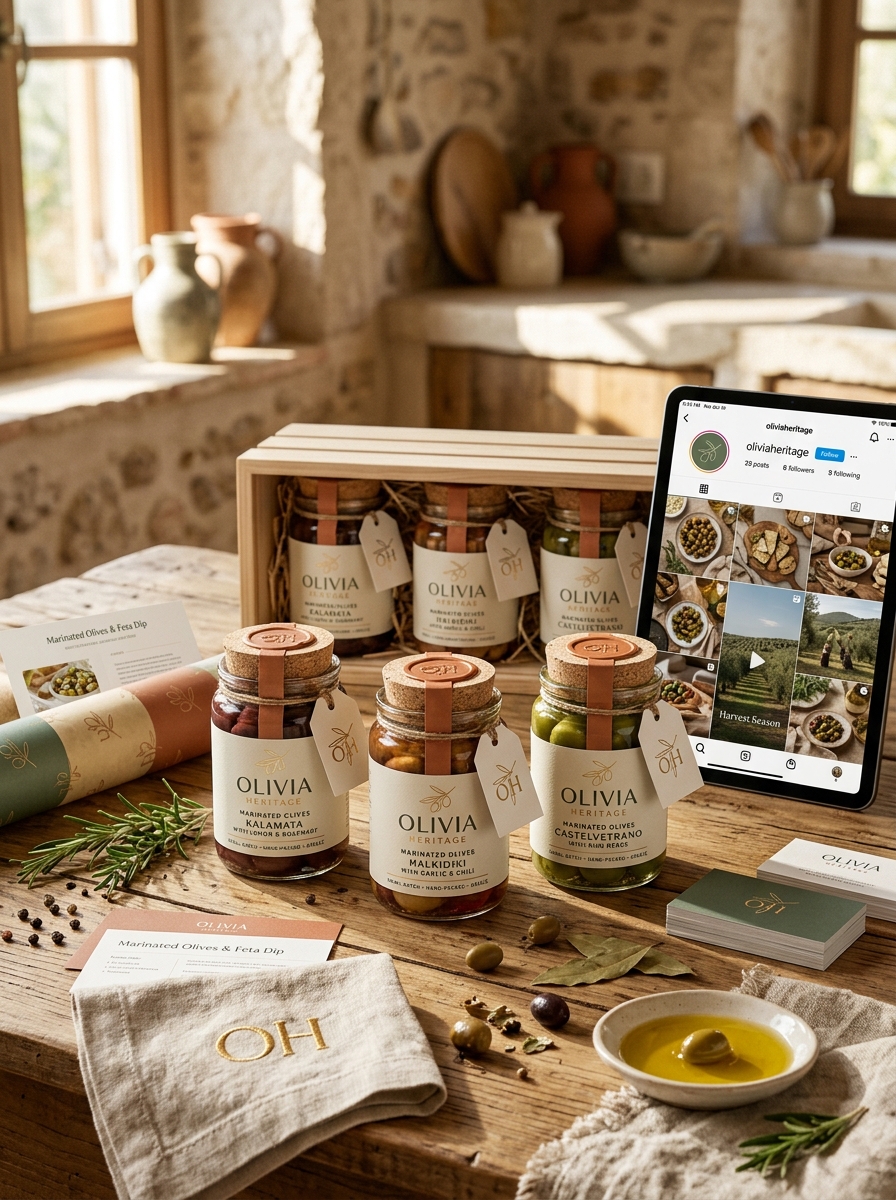
Effective marinated olive packaging design serves as a vital bridge between artisanal tradition and contemporary consumer expectations. To capture the essence of premium produce, designers must harmonize functional durability with evocative aesthetic principles. By integrating tactile textures, earthy color palettes, and strategic transparency that showcases the product's natural vibrancy, brands can cultivate a distinct identity that resonates with gourmet enthusiasts.
Understanding the intersection of typography and material selection is crucial for conveying authenticity and heritage. This exploration delves into how specific visual cues transform standard containers into powerful brand ambassadors, ensuring your product commands attention through sophisticated storytelling and a cohesive brand identity that promises quality before the first taste.
The Role of Heritage in Marinated Olive Branding
Heritage serves as a powerful pillar in marinated olive branding, connecting modern consumers with ancient culinary traditions. By emphasizing Mediterranean origins and ancestral groves, brands establish a narrative of authenticity and premium quality. This connection to the past is often conveyed through storytelling about family-owned estates and artisanal curing methods passed down through generations.
In a competitive market, highlighting provenance and traditional recipes helps differentiate products. Terms like "estate-grown," "hand-picked," and "small-batch" signal transparency and craftsmanship. When branding focuses on heritage, it transforms a simple snack into a cultural experience, fostering consumer trust. Ultimately, the legacy of the olive grove becomes a hallmark of flavor integrity, ensuring that every jar reflects a commitment to historical excellence and regional identity.
Defining the Color Palette for Mediterranean Authenticity
To evoke the true spirit of the Mediterranean, the color palette of marinated olives must reflect a natural, sun-drenched landscape. Authenticity begins with a base of diverse olive tones, ranging from the vibrant, grassy greens of Castelvetrano varieties to the deep, vinous purples and obsidian blacks of salt-cured Kalamata olives.
Visual depth is achieved by layering contrasting artisanal ingredients:
- Golden Hues: Luminous, cold-pressed extra virgin olive oil provides a rich, glossy finish.
- Crimson Accents: Dried chili flakes or roasted peppers add warmth and spice.
- Bright Citrus: Zesty yellow lemon peels offer a fresh, acidic counterpoint.
- Earthy Tones: Woody sprigs of rosemary and silver-green thyme reinforce a rustic, herbal profile.
This intentional color spectrum signals freshness and culinary heritage, ensuring the appetizer is as visually captivating as it is flavorful.
Typography as a Tool for Expressing Brand Personality
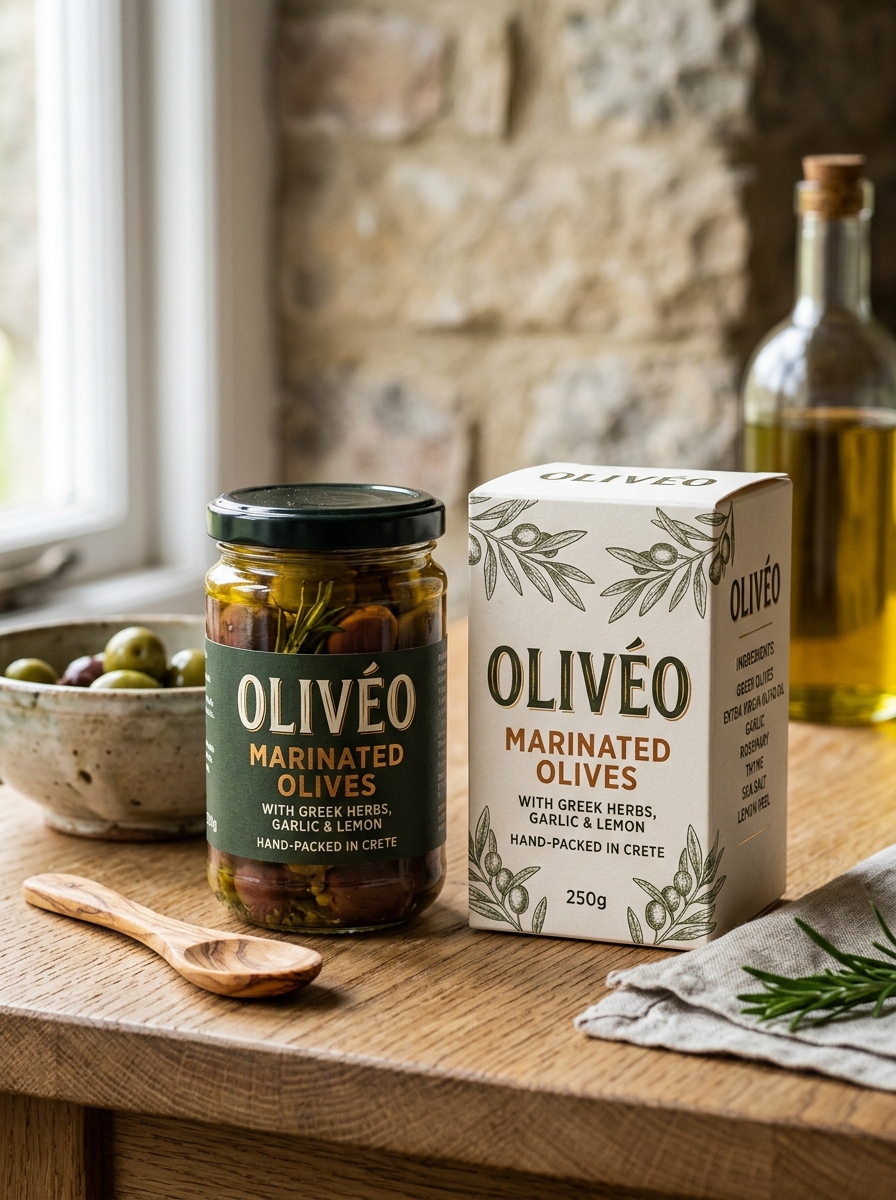
Typography serves as the visual voice for a marinated olive brand, instantly communicating its heritage, origin, and quality. For artisanal producers, elegant serif fonts evoke a sense of Mediterranean tradition and time-honored recipes. In contrast, clean, minimalist sans-serif typefaces suggest a modern, premium approach to gourmet appetizers and healthy snacking.
Hand-lettered scripts can further emphasize the craft-focused, small-batch nature of the product, making the packaging feel personal and authentic. By strategically selecting type scales and weights, brands highlight key attributes like "Organic" or "Cold-Pressed." Ultimately, the right typography bridges the gap between the sensory experience of tasting flavorful olives and the brand's unique identity, establishing an immediate emotional connection with consumers before the jar is even opened.
The Impact of Material Texture on Premium Perception
In the gourmet food sector, the material texture of packaging serves as a silent communicator of quality. For marinated olives, transitioning from standard plastic to heavyweight, textured glass jars significantly elevates the consumer's tactile experience. This physical weight and smooth surface signal durability and artisanal craftsmanship, fostering an immediate premium perception.
Beyond the container, the haptic feedback of label materials-such as matte-coated paper or embossed foiling-reinforces the brand's luxury positioning. These sensory cues suggest a sophisticated, hand-crafted product. Furthermore, the textural integrity of the olives themselves, transitioning from a firm skin to a buttery interior, acts as a primary benchmark for freshness. By harmonizing tactile packaging with superior product consistency, producers effectively justify higher price points and build long-term brand equity in the Mediterranean deli market.
Balancing Transparency and Visual Product Appeal
In the premium marinated olive market, packaging acts as a silent salesman. Achieving the perfect equilibrium between transparency and visual appeal is vital for building consumer trust. Utilizing clear glass jars or high-clarity containers allows the natural vibrancy of varietals like Gordal or Kalamata olives to remain visible, showcasing their plump texture and freshness.
Visible aromatics-such as rosemary sprigs, garlic cloves, and dried chili-enhance the "artisanal" aesthetic, signaling gourmet quality and flavor complexity before the seal is broken. To maximize shelf-appeal, strategic label placement is essential; minimalist or die-cut designs ensure that essential nutritional data does not obstruct the view of the rich, infused oils. This transparent approach reinforces product integrity, allowing the natural colors and premium ingredients of the olives to drive purchasing decisions through immediate visual gratification.
Communicating Provenance Through Illustrative Storytelling
Marinated olives are more than a culinary staple; they are a medium for heritage and regional identity. By leveraging illustrative storytelling, brands bridge the gap between sun-drenched Mediterranean groves and the consumer's table. This visual narrative focuses on provenance, highlighting the specific geographic origins and traditional harvesting methods that define premium cultivars like Kalamata or Castelvetrano.
Using evocative imagery on packaging-such as hand-drawn botanical sketches or rustic landscapes-communicates authenticity and quality. These artistic elements serve as a transparency tool, verifying the artisanal journey from soil to jar. When consumers understand the "why" and "where" behind their marinated olives, it fosters an emotional connection. Semantic storytelling emphasizes organic practices and regional legacy, ensuring every jar reflects a commitment to culinary excellence and historical roots.
Functional Design Elements for Freshness and Utility
To maintain the organoleptic quality of marinated olives, functional design elements focus on preservation and ease of use. High-quality airtight seals are essential to prevent oxidation, ensuring the brine and oil infusion remains fresh. Non-reactive materials, specifically glass jars, are preferred to protect the olives from chemical leaching while maintaining flavor integrity.
Utility is maximized through ergonomic wide-mouth containers, which allow for effortless serving and better access to the fruit and herbs. Additionally, UV-protected or tinted glass helps shield light-sensitive polyphenols in the olive oil from degradation. These structural features work in tandem to extend shelf life, prevent leaks, and ensure that the olives retain their characteristic firm texture and vibrant Mediterranean flavors from the first serving to the last.
Strategies for Standout Shelf Presence in a Saturated Market
To capture consumer attention in the competitive marinated olives sector, brands must prioritize visual differentiation and perceived value. Utilizing premium packaging, such as high-clarity glass jars or eco-friendly pouches, allows the vibrant colors of pimento-stuffed or citrus-infused varieties to act as a natural advertisement. Semantic optimization focuses on highlighting "artisanal," "small-batch," and "cold-pressed" descriptors to signal superior quality.
Effective shelf strategy also relies on transparent labeling. Emphasizing health-centric attributes-like keto-friendly, non-GMO, and gluten-free certifications-appeals to health-conscious shoppers. Furthermore, establishing a unique brand narrative around Mediterranean provenance or traditional curing methods helps transform a simple commodity into a gourmet experience. By combining aesthetic appeal with clear nutritional benefits, producers can effectively distinguish their products from generic competitors in a crowded retail environment.
Harmonizing Graphic Minimalism with Artisan Details
The presentation of marinated olives achieves a sophisticated balance by blending modern graphic minimalism with rustic, artisan details. High-end olive brands often employ clean lines, monochromatic labels, and bold typography to project a sense of purity and contemporary luxury. This minimalist exterior creates a striking contrast with the tactile, organic elements found within the jar.
The visual appeal of vibrant Castelvetrano or Kalamata olives, nestled among sprigs of fresh rosemary, dried chili flakes, and sliced garlic, showcases culinary craftsmanship. This harmony between sleek packaging and the raw beauty of hand-picked ingredients highlights the quality of the infusion process. By integrating minimalist design with these authentic textures, producers tell a story of heritage and refinement, appealing to consumers who value both aesthetic elegance and traditional, bold Mediterranean flavors.
Future-Proofing Olive Packaging Through Sustainable Innovation
As the global appetite for marinated olives expands, the industry is pivoting toward sustainable packaging to minimize its ecological footprint. Future-proofing involves transitioning from traditional plastics to eco-friendly materials such as recyclable glass, BPA-free aluminum, and compostable pouches.
These innovations focus on maintaining the shelf-life stability and flavor integrity of olives steeped in oils and herbs. By utilizing lightweight packaging, producers reduce carbon emissions during transport while ensuring the brine remains leak-proof and fresh.
Adopting a circular economy approach-where packaging is easily repurposed or decomposed-allows gourmet olive brands to meet rising consumer demand for ethical sourcing and environmental responsibility. Through these green technological advancements, the marinated olive market ensures long-term viability in a conscious consumer landscape.
Leave a comment