
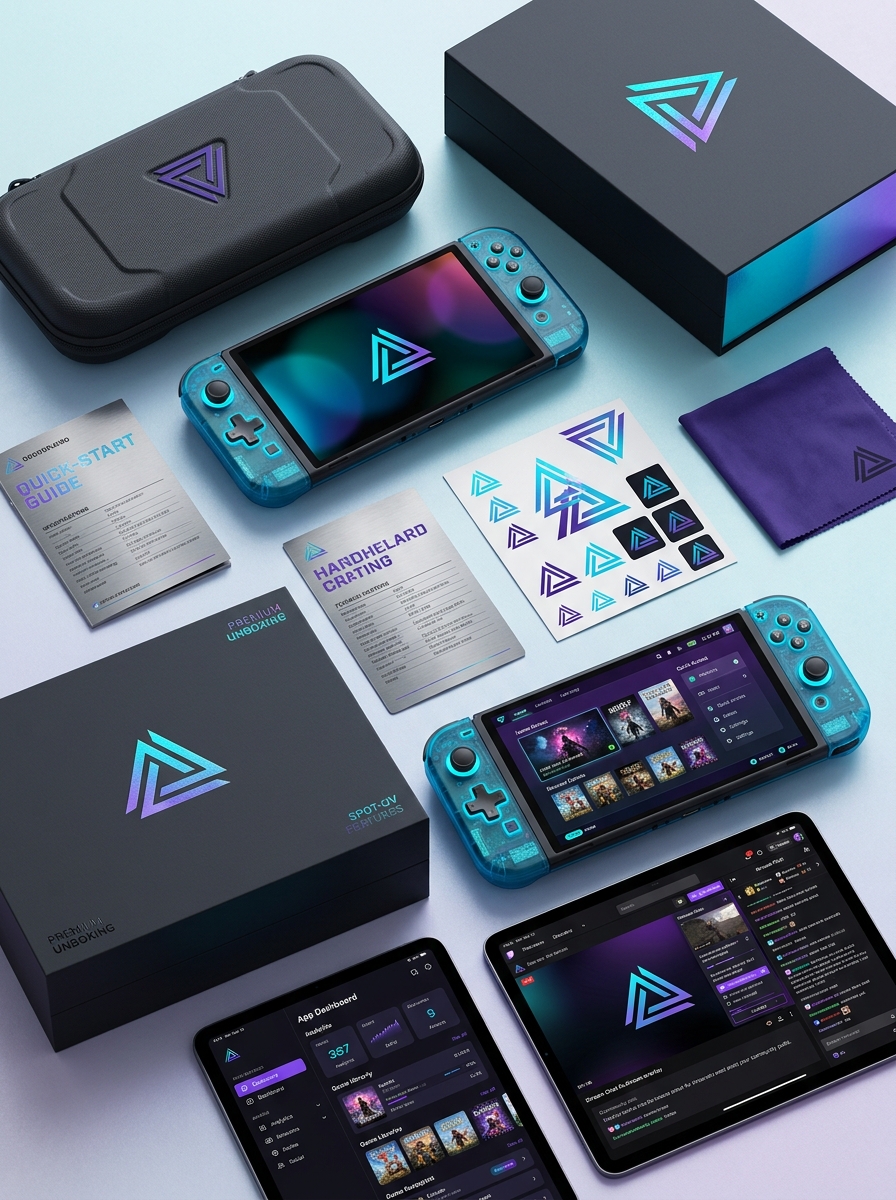
The first interaction a gamer has with a new handheld device begins long before the power button is pressed. Handheld gaming console packaging serves as a vital bridge between brand identity and consumer anticipation. Beyond mere protection, effective packaging must balance ergonomic storage with visual storytelling. Modern design principles emphasize minimalist aesthetics, high-contrast typography, and tactile finishes that reflect the premium nature of the hardware within.
This exploration delves into the essential concepts of structural integrity and shelf appeal. From the engineering required to secure fragile screens to the "unboxing" choreography that builds excitement, every element is meticulously calculated. By understanding the intersection of functional durability and aesthetic sophistication, designers can create a physical experience that perfectly complements the digital adventures awaiting inside the box.
The Evolution of Handheld Console Packaging Design
Handheld gaming packaging has transitioned from purely functional storage to a premium unboxing experience. In the 1980s and 90s, consoles like the Nintendo Game Boy were housed in oversized cardboard boxes featuring vibrant illustrations and bulky protective inserts designed for high retail visibility.
As hardware became more sophisticated, the mid-2000s saw a shift toward compact, sleek aesthetics with the PSP and Nintendo DS. Today's modern era, led by the Nintendo Switch and Steam Deck, prioritizes sustainability and minimalism. Contemporary designs utilize recycled materials, smaller footprints, and high-quality matte finishes. This evolution reflects a broader industry move from toy-centric marketing to sophisticated lifestyle branding, where the packaging serves as the first touchpoint of a high-tech digital ecosystem.

Psychological Impact of the First Unboxing Experience
The initial unboxing of handheld gaming consoles triggers a profound psychological response characterized by heightened dopamine release and sensory satisfaction. This "first contact" ritual serves as a critical touchpoint in consumer psychology, blending tactile feedback with visual aesthetics.
As users remove protective layers, the olfactory scent of new hardware and the satisfying resistance of premium packaging reinforce a sense of ownership and prestige. This multisensory experience bridges the gap between digital anticipation and physical reality, establishing an immediate emotional bond with the device.
For gamers, the unboxing ceremony signifies the transition from expectation to immersion, cementing brand loyalty. This psychological imprint dictates long-term user satisfaction and influences the perceived value of the portable hardware, making the packaging design as essential as the ergonomic engineering of the console itself.
Brand Identity and Visual Consistency Across Hardware Lines
In the competitive handheld gaming market, brand identity serves as a vital anchor for consumer trust. Manufacturers achieve visual consistency by maintaining a signature design language across multiple hardware iterations. This involves the strategic use of color palettes, materials, and ergonomic silhouettes that make a device instantly recognizable.
Key components of consistent branding include:
- Control Layouts: Maintaining iconic button configurations, such as Nintendo's diamond pattern or Sony's geometric symbols, to ensure user familiarity.
- Industrial Aesthetics: Utilizing specific textures or form factors, like the Steam Deck's industrial grip or the Game Boy's vertical legacy.
- User Interface (UI) Integration: Aligning physical hardware aesthetics with digital system menus for a cohesive ecosystem.
By harmonizing these elements, brands cultivate long-term loyalty and distinguish their hardware in a crowded portable landscape.
Structural Engineering for Component Protection and Safety
Structural engineering in handheld gaming consoles focuses on balancing lightweight portability with extreme durability. The internal chassis acts as a protective skeleton, often utilizing magnesium alloys or reinforced polycarbonates to secure sensitive components like the motherboard and battery against mechanical shock.
Engineers implement impact-resistant housing and internal bracing to dissipate energy during accidental drops, preventing screen fractures and solder joint failures. Furthermore, structural design is pivotal for thermal safety; dedicated airflow paths and heat sink mounts are integrated into the frame to manage high TDP (Thermal Design Power) while keeping the outer shell cool to the touch. By incorporating shock-absorbing mounts for haptic engines and rigid compartments for lithium-ion batteries, manufacturers ensure long-term hardware reliability and user protection against physical and thermal hazards.
Balancing Information Density with Minimalist Graphic Trends
Modern handheld gaming consoles face a unique UI/UX challenge: maintaining high information density within limited screen real estate while adhering to minimalist graphic trends. As displays become more compact, designers must prioritize essential telemetry-such as battery life, connectivity, and system performance-without cluttering the user interface.
This balance is achieved through progressive disclosure, where secondary data is hidden until prompted, and the use of high-contrast, scalable typography. By leveraging negative space and flat design aesthetics, developers ensure that critical navigation remains intuitive.
Ultimately, semantic optimization of handheld interfaces allows for a sophisticated visual experience. This synergy between "less is more" and data-rich environments ensures that portable hardware remains functional, stylish, and immersive for the end user.
Color Theory and Texture in Premium Gaming Hardware
In the realm of handheld gaming consoles, color theory and tactile texture are essential for establishing a premium identity. Manufacturers utilize sophisticated color palettes-such as matte obsidian, metallic alloys, and muted earth tones-to evoke a sense of high-performance luxury. These choices influence player psychology, where darker tones often signify professional-grade hardware and minimize visual distractions during immersive gameplay.
Texture serves both aesthetic and functional purposes. Premium devices often feature micro-etched surfaces or soft-touch oleophobic coatings. These textures enhance ergonomic grip, reducing slippage during intense sessions while preventing unsightly fingerprint smudges. By integrating high-quality finishes with intentional color schemes, hardware designers create a multisensory experience that justifies a premium price point and distinguishes flagship handhelds from entry-level consumer electronics.
Sustainable Material Choices and Eco-Conscious Manufacturing
The handheld gaming industry is increasingly adopting green technology to minimize environmental impact. Modern manufacturers are pivoting toward recycled plastics and bio-based resins for console shells, reducing reliance on virgin materials. This shift is complemented by modular internal designs that promote repairability and longevity, directly combatting the global e-waste crisis.
Eco-conscious manufacturing also involves streamlining supply chains to utilize renewable energy and implementing carbon-neutral production processes. By choosing toxin-free components and biodegradable packaging, brands ensure a lower carbon footprint throughout the product lifecycle. These sustainable practices cater to the growing demand for ethically produced hardware, ensuring that portable gaming evolves into a more responsible and environmentally friendly hobby for the next generation of players.
Internal Layout Optimization and Accessory Compartmentalization
To maximize performance within the compact footprint of handheld gaming consoles, engineers prioritize internal layout optimization. This involves the strategic placement of the APU, battery, and cooling assemblies to ensure balanced weight distribution and superior thermal management. A dense, well-organized motherboard layout prevents heat soak, allowing for sustained high-frame-rate gameplay.
Effective accessory compartmentalization further enhances the user experience. Internally, modular housing protects sensitive components like haptic motors and analog sensors. Externally, specialized storage solutions utilize dedicated slots to organize essential peripherals, including:
- MicroSD cards and physical media.
- USB-C charging cables and power banks.
- External controllers and protective screen covers.
By integrating these structural efficiencies, manufacturers improve hardware durability and portability, ensuring that enthusiasts can maintain a clutter-free, high-performance mobile gaming ecosystem.
Strategic Design for Retail Visibility and Shipping Durability
In the competitive handheld gaming market, packaging serves a dual purpose: marketing and protection. To enhance retail visibility, manufacturers employ high-fidelity graphics and strategic window cutouts that showcase the console's ergonomics and screen quality, driving point-of-purchase interest.
Parallel to aesthetic appeal, shipping durability is paramount. Handheld devices contain sensitive components like haptic motors, analog sticks, and glass displays that are vulnerable to impact. Strategic design incorporates precision-molded internal trays and shock-absorbent corrugated layers to withstand the rigors of global logistics and e-commerce handling.
By optimizing for both shelf presence and structural resilience, brands reduce return rates and ensure a premium unboxing experience. This holistic approach to packaging design is essential for maintaining product integrity from the warehouse to the consumer's hands.
Future Innovations in Interactive and Digital-Linked Packaging
The landscape of handheld gaming consoles is shifting beyond the hardware itself, focusing on the initial physical interaction. Future packaging innovations leverage Augmented Reality (AR) and NFC technology to transform standard boxes into interactive digital hubs. By scanning integrated QR codes, users can unlock instant setup tutorials, exclusive character skins, or immersive 3D unboxing experiences via their smartphones.
Smart packaging also bridges the gap between physical retail and digital ecosystems. Utilizing blockchain-verified identifiers, manufacturers can ensure product authenticity while offering digital twins of the console for use in metaverses. These advancements prioritize sustainable materials while enhancing user engagement, turning traditional cardboard into a functional extension of the gaming experience. As handheld consoles evolve, interactive packaging serves as a critical touchpoint for brand loyalty and seamless digital-to-physical integration.
Leave a comment