
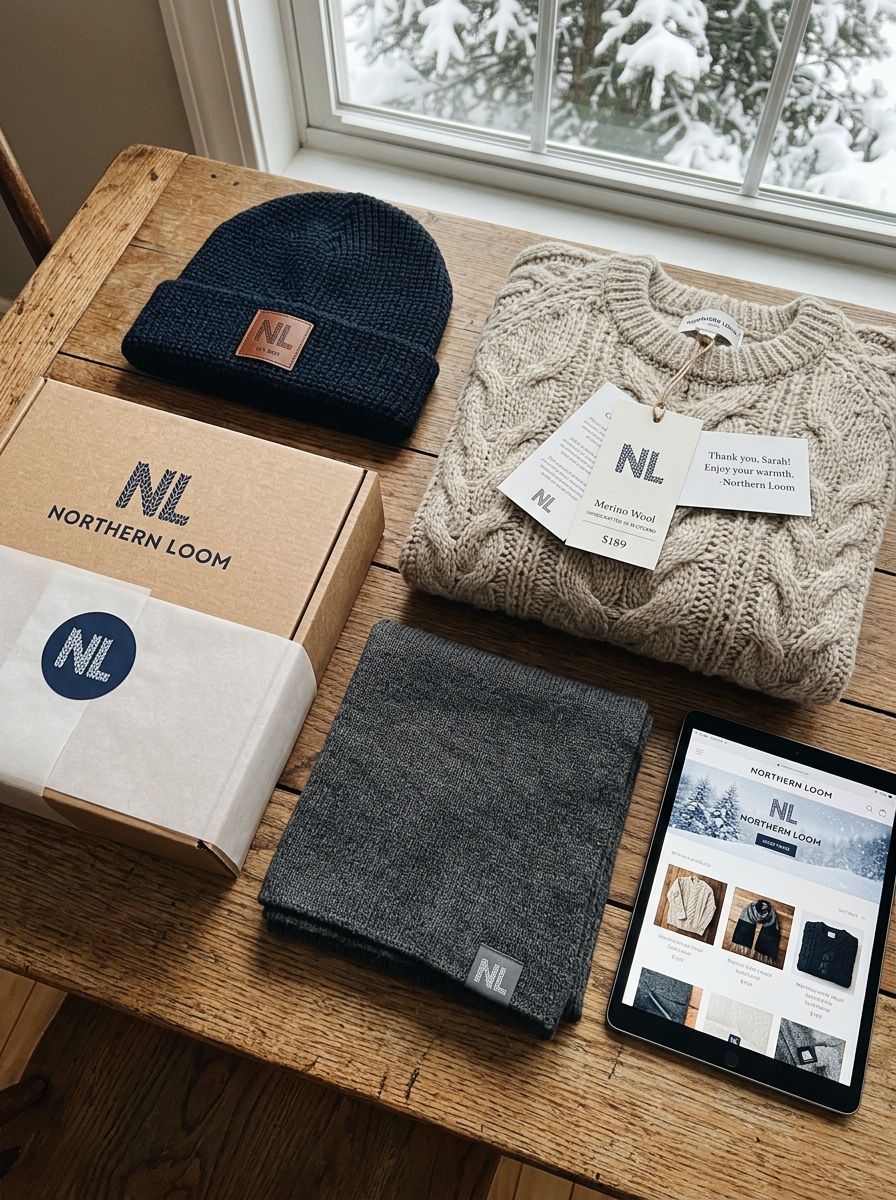
Elevating a knit beanie from a seasonal accessory to a luxury staple requires more than quality yarn; it demands an intentional approach to packaging design. As the first physical touchpoint for consumers, the presentation of headwear serves as a powerful medium for brand storytelling and functional excellence.
Mastering this craft involves a strategic fusion of structural integrity and brand aesthetic principles. By prioritizing tactile materials that complement the softness of the knit and utilizing minimalist visual identities, brands can create an immersive unboxing experience. Understanding the nuances of color theory, sustainable sourcing, and typography ensures that the packaging protects the product while reinforcing market positioning. This guide examines the essential design concepts necessary to transform standard enclosures into compelling brand assets that resonate with modern, style-conscious audiences.
Defining the Essence of Knit Beanie Packaging
The essence of knit beanie packaging transcends mere containment; it serves as a critical extension of brand identity and product integrity. For premium winter accessories, the packaging is the first physical touchpoint, bridging the gap between digital browsing and tactile satisfaction.
Effective packaging solutions prioritize protection against moisture and fabric snags while showcasing the cozy texture of the wool or acrylic fibers. By utilizing sustainable materials and minimalist designs, brands can mirror the warmth and comfort inherent in quality knitwear. Whether through custom branded boxes or eco-friendly mailers, thoughtful presentation enhances the unboxing experience, reinforcing customer loyalty and highlighting the craftsmanship of every stitch. In a competitive marketplace, strategic packaging defines the perceived value and luxury of your knit beanie collection.
Material Selection for Tactile Brand Appeal
The success of custom knit beanie hats depends heavily on material selection, as the physical touch directly influences brand perception. Selecting high-quality fibers creates a sensory connection with the consumer, reinforcing a message of premium quality and comfort.
- Merino Wool: Renowned for superior warmth and breathability, providing a soft-touch finish for high-end positioning.
- Acrylic Blends: Offer excellent durability and color retention while maintaining a soft, wool-like feel at a versatile price point.
- Cashmere: The ultimate in luxury textures, offering an ultra-lightweight feel and exceptional thermal insulation.
- Organic Cotton: Ideal for transitional seasons, providing a hypoallergenic, crisp, and sustainable tactile experience.
By strategically choosing textures that align with your brand identity, you enhance the user experience and foster customer loyalty through superior tactile appeal.
Visual Identity and Color Theory in Headwear Design
Establishing a strong visual identity for knit beanie hats requires a strategic application of color theory. Designers utilize specific palettes to evoke emotional responses and define brand positioning. For instance, warm earth tones suggest sustainability and comfort, while high-contrast neons appeal to vibrant urban streetwear markets.
The interaction between yarn texture and pigment depth is crucial; marled yarns create a multidimensional aesthetic, whereas solid, saturated hues emphasize the beanie's structural silhouette. By understanding complementary and analogous color schemes, creators ensure their headwear complements diverse skin tones and seasonal wardrobes.
Ultimately, thoughtful color selection transforms a functional knit cap into a powerful tool for self-expression and brand recognition, anchoring the accessory within a cohesive, professional design narrative.
The Role of Custom Tags and Labeling
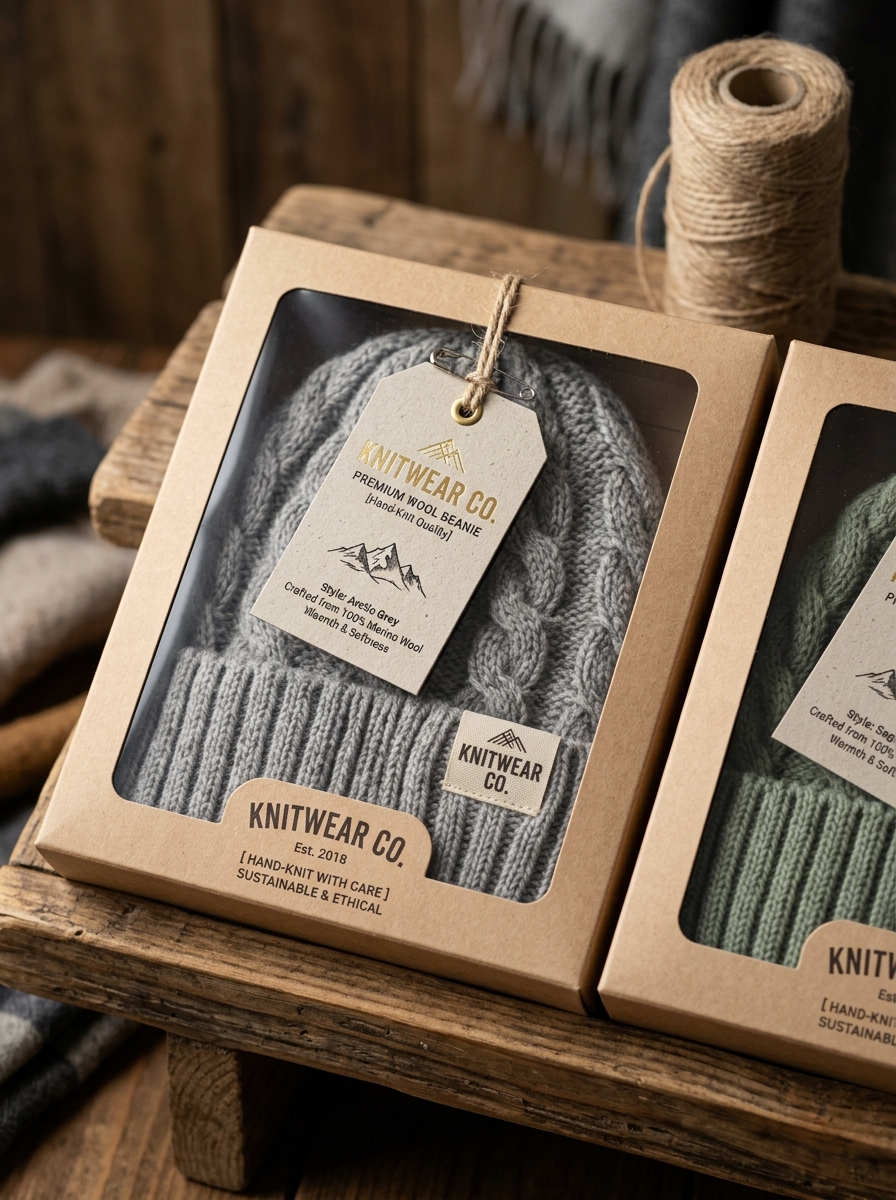
Custom tags and labeling are pivotal for professional knit beanie hats, blending brand identity with essential product information. A strategically placed woven label, hem clip, or embossed leather patch serves as a hallmark of quality, significantly increasing the retail appeal and perceived value of the headwear.
- Brand Recognition: Distinctive logos help consumers identify your knitwear and build long-term brand loyalty.
- Compliance and Care: Labels provide mandatory fiber content details-such as Merino wool or acrylic blends-and specific washing instructions to maintain the beanie's elasticity and soft texture.
- Professional Finish: High-quality labeling signals craftsmanship, transforming a basic knit cap into a premium, market-ready accessory.
By prioritizing thoughtful labeling, manufacturers ensure their beanies meet legal textile requirements while standing out in a competitive apparel market.
Balancing Protection with Display Functionality
Effective merchandising for knit beanie hats requires a strategic balance between safeguarding the fabric and showcasing design aesthetics. Because premium knits are prone to snagging, dust accumulation, and moisture absorption, protective measures are vital during transit and retail storage.
To optimize display functionality without compromising material quality, retailers often employ the following semantic solutions:
- Shape Retention: Utilizing recycled cardstock inserts to maintain the beanie's silhouette, whether it is a slouchy or cuffed style.
- Visual Clarity: Implementing high-clarity, breathable packaging that highlights intricate cable stitches and colorways.
- Accessible Branding: Positioning hang tags and pom-poms strategically to remain visible while protecting the delicate yarn from excessive handling.
By integrating these elements, brands ensure beanies remain in pristine condition while providing an engaging, tactile experience for the consumer.
Sustainable and Eco-Friendly Packaging Solutions
Protecting your knit beanie hats shouldn't come at a cost to the planet. Our commitment to sustainability extends beyond our cozy headwear to our eco-friendly packaging solutions. By utilizing compostable mailers, recycled tissue paper, and biodegradable materials, we ensure that every delivery remains plastic-free and environmentally responsible.
These conscious choices significantly reduce the carbon footprint of our shipping process while maintaining the pristine condition of your wool or acrylic beanies. Utilizing recycled paper tags and soy-based inks reflects a dedication to the circular economy. When you invest in our sustainable knitwear, you receive premium winter essentials wrapped in materials that respect the environment, providing a guilt-free shopping experience for the eco-conscious consumer.
Enhancing the Customer Unboxing Experience
Elevating the delivery of knit beanie hats through a premium unboxing experience is vital for building brand loyalty. The moment a customer opens their package, the presentation should reflect the quality of the craftsmanship. Using eco-friendly wrapping, branded tissue paper, and personalized inserts creates a tactile, luxury feel that resonates with consumers.
To optimize this touchpoint, include a care guide specifically for knitwear fibers like wool or acrylic. This not only adds value but also ensures the longevity of the headwear. Strategically placed social media prompts encourage customers to share their new winter accessories online, driving organic reach. By transforming a simple transaction into a memorable event, you differentiate your brand in the competitive knitwear market and turn first-time buyers into dedicated brand advocates.
Optimizing Design for Retail and E-commerce Shipping
Efficient knit beanie design balances aesthetic appeal with logistical practicality. To reduce shipping overhead, designers prioritize compressible materials like acrylic or fine wool blends. These resilient fabrics allow for vacuum-sealing or flat-packing, which minimizes dimensional weight and maximizes container density during bulk transit.
For e-commerce, "mailer-friendly" construction ensures beanies fit into standard poly-mailers, bypassing the high surcharges associated with rigid boxes. In a retail context, optimization involves using shape-retention yarns that resist permanent creasing during long-haul shipping. Integrating standardized folding patterns and durable hang-tag loops streamlines the transition from shipping carton to store shelf. By focusing on compactability and fabric recovery, brands can significantly lower fulfillment costs while ensuring the product arrives in pristine condition for the end consumer.
Incorporating Minimalist and Premium Brand Aesthetics
Elevating knit beanie hats requires a strategic focus on minimalist design and high-end materials. To achieve a premium brand aesthetic, prioritize clean lines, neutral color palettes, and superior fabrics like merino wool or cashmere. Minimalism in headwear is about intentionality and refined details.
Key elements for a premium look include:
- Subtle Branding: Utilize discreet woven labels or embossed leather patches to convey luxury without being overt.
- Texture and Gauge: Fine-gauge knits offer a sleek, sophisticated silhouette, while chunky textures provide a cozy yet polished feel.
- Sustainable Quality: Superior construction ensures longevity, aligning with the values of modern, eco-conscious consumers.
By blending understated elegance with exceptional craftsmanship, your headwear collection becomes a timeless staple that resonates with the luxury fashion market.
Future Trends in Beanie Packaging Innovation
The evolution of knit beanie hats is increasingly defined by sustainable and tech-driven packaging solutions. Modern brands are shifting toward eco-friendly materials, such as compostable mailers and FSC-certified recycled paper, to align with global environmental goals.
Key innovations currently shaping the industry include:
- Smart Packaging: Integration of QR codes on tags to provide digital care instructions and styling tips.
- Circular Design: Transitioning to reusable organic cotton pouches that serve as permanent storage for winter accessories.
- Minimalist Aesthetics: Reducing material bulk to lower shipping costs and carbon footprints.
These advancements prioritize sustainability and the unboxing experience. By merging functionality with green technology, future packaging ensures that the protection of premium knitwear is as thoughtful and durable as the hats themselves.
Leave a comment