
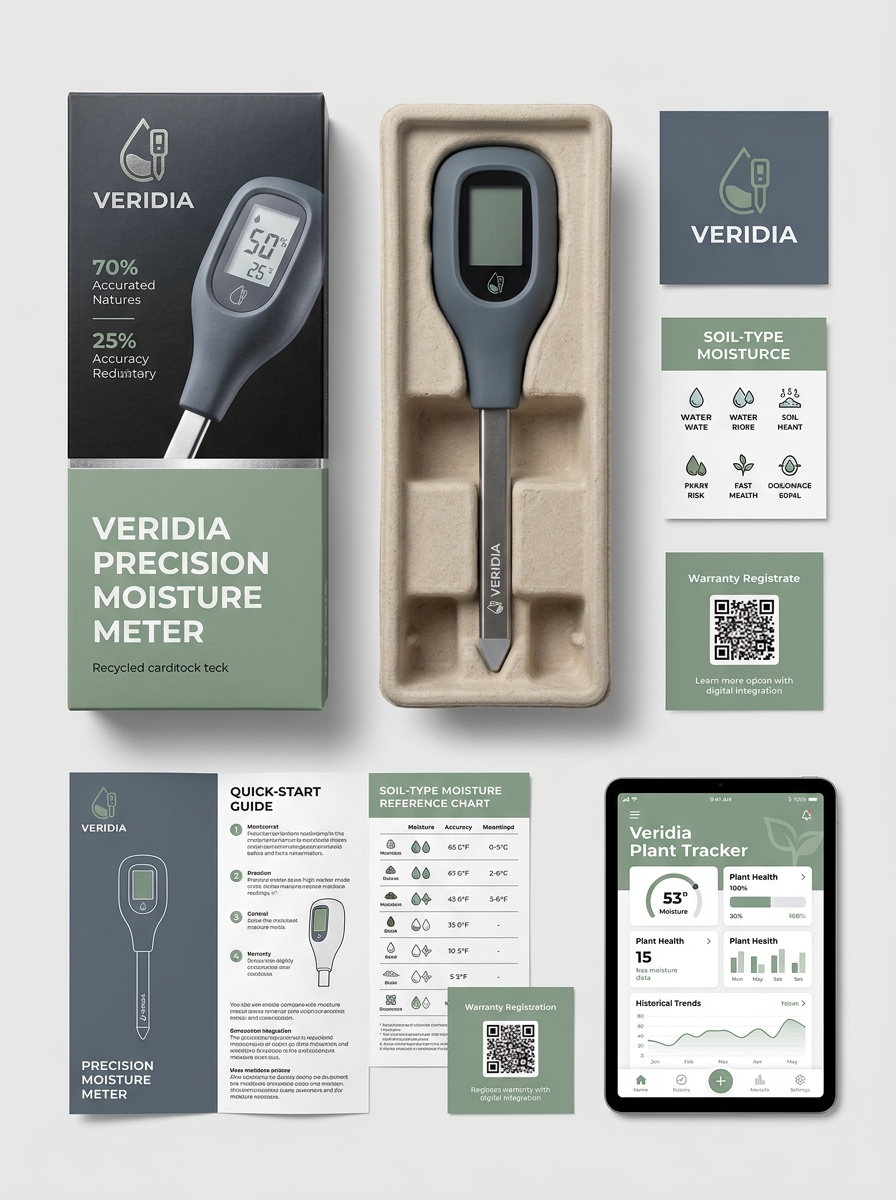
Effective packaging design for plant moisture meters serves as the vital intersection between technical utility and consumer lifestyle. As the indoor gardening market continues to flourish, manufacturers must leverage strategic visual identity to differentiate their products and establish immediate credibility on the shelf.
These design guidelines focus on harmonizing aesthetic appeal with functional clarity. By integrating cohesive typography, nature-inspired color palettes, and sustainable materials, brands can effectively communicate precision and environmental consciousness. Mastering brand identity through thoughtful packaging not only attracts the modern plant enthusiast but also reinforces perceived product quality. Understanding how graphic elements and structural design influence purchasing decisions is essential for any brand aiming to define excellence in the horticultural technology sector.
Visual Identity Foundations for Garden Technology
Establishing a strong visual identity for a plant moisture meter is essential for bridging the gap between natural organic environments and digital precision. The design language must communicate reliability and environmental harmony through strategic aesthetic choices:
- Color Palette: Utilizing earthy greens and moisture-indicating blues helps users instinctively associate the device with plant health and hydration levels.
- Typography: Clean, high-contrast sans-serif fonts ensure legibility on small digital displays or analog scales, even in bright outdoor sunlight.
- Iconography: Intuitive symbols for water droplets, soil types, and battery life allow for a seamless user experience across diverse demographics.
- Form Factor: Sleek, ergonomic housing reflects modern garden technology while remaining unobtrusive within a landscape or decorative pot.
A cohesive visual strategy ensures that moisture meters are perceived as professional-grade tools, fostering trust for both hobbyist gardeners and expert horticulturists.
Color Theory for Organic and Premium Brand Positioning
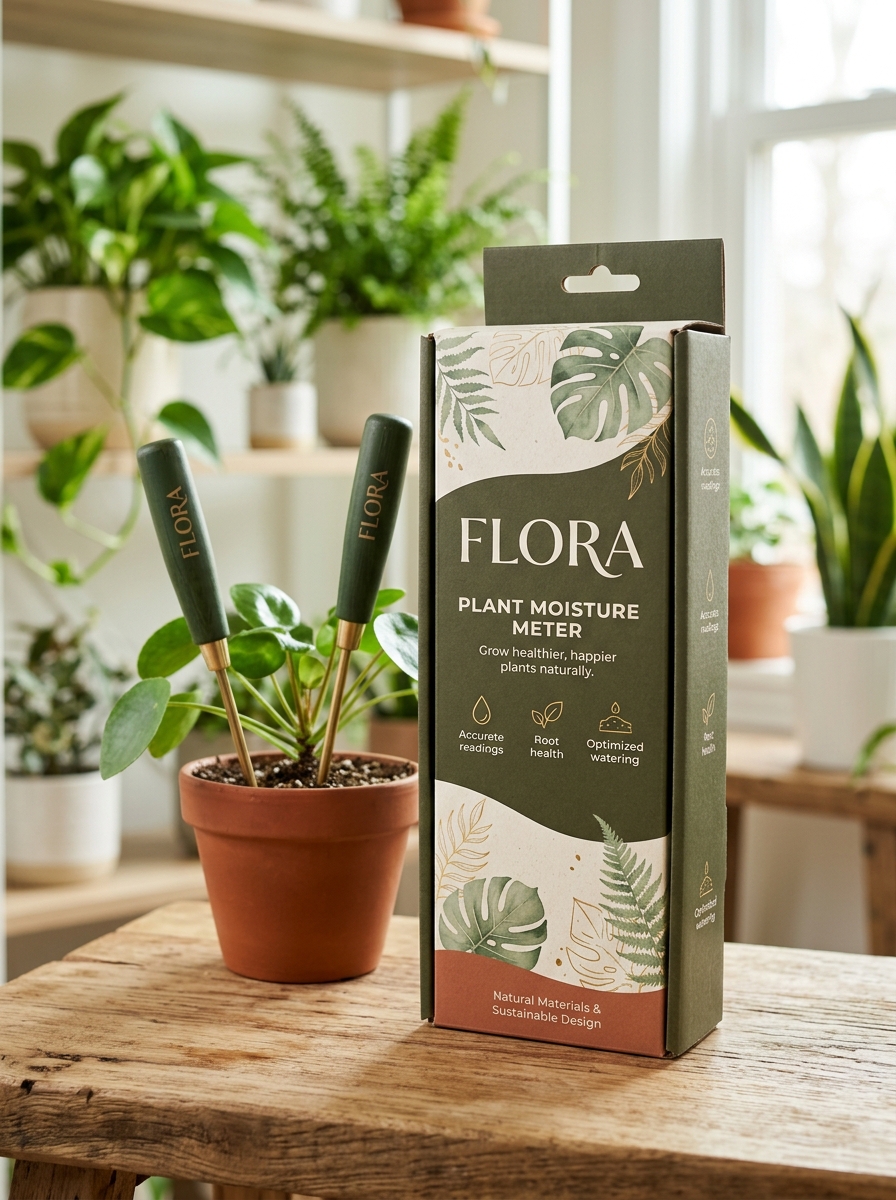
For high-end plant moisture meters, color theory is a vital tool in bridging the gap between nature and luxury. To achieve an organic brand positioning, designers should leverage earth-toned palettes, such as deep forest greens and muted terracottas, which symbolize growth and environmental sustainability.
To transition these products into the premium market, integrating sophisticated neutrals is essential. Matte charcoal, slate, or midnight black provide a canvas that suggests professional-grade technology. When paired with metallic accents like brushed gold or silver, the device communicates precision and durability.
This visual strategy appeals to discerning indoor gardeners by blending ecological harmony with high-end aesthetic appeal, ensuring the tool feels like a sophisticated home accessory rather than a simple utilitarian gadget.
Typography Selection for Technical Clarity and Legibility
Effective typography for a plant moisture meter prioritizes rapid data interpretation and user precision. To ensure technical clarity, designers should select high-contrast sans-serif typefaces. These fonts offer clean terminals and open counters, which maintain legibility even on small digital displays or analog scales under varying light conditions.
For numeric readouts, monospaced fonts are ideal as they provide consistent character widths, allowing moisture percentages to be read without visual shifting. It is crucial to choose a font with distinct glyphs to prevent confusion between similar characters, such as the number "1" and the lowercase "l". By implementing a clear typographic hierarchy and adequate font weight, the device ensures that critical soil hydration data is accessible at a glance, facilitating better plant care and preventing over-irrigation.
Eco-Friendly Material Choices and Sustainable Textures
Modern plant moisture meters are increasingly designed with sustainability in mind, utilizing eco-friendly materials to reduce environmental impact. Manufacturers are transitioning from virgin plastics to recycled ABS and natural bamboo components. These materials provide a durable yet responsible alternative for conscious gardeners.
The sustainable textures often include ergonomic, matte finishes achieved through organic fiber composites. These surfaces offer a non-slip grip without the use of toxic coatings. Furthermore, high-quality meters feature lead-free copper probes and stainless steel sensors, ensuring that no harmful chemicals leach into your potting soil. By choosing tools made from renewable resources and finished with natural textures, plant enthusiasts can monitor soil hydration while supporting a circular economy and maintaining a healthy, chemical-free indoor garden.
Hierarchy of Information for Immediate Consumer Impact
To convert shoppers effectively, the information architecture for a plant moisture meter must prioritize immediate utility. The hierarchy should follow this strategic flow:
- Primary Value Proposition: Highlight the core benefit first-preventing root rot and overwatering through instant, accurate soil analysis.
- Operational Simplicity: Emphasize "plug-and-play" features, such as battery-free operation and easy-to-read color-coded scales that require no technical expertise.
- Versatility and Durability: Detail the probe's compatibility with various soil types and its application for both indoor houseplants and outdoor landscaping.
- Actionable Guidance: Conclude with added value, such as included watering charts or species-specific moisture requirements.
By structuring data from urgent problem-solving to long-term care support, you reduce cognitive friction and accelerate the purchasing decision.
Integrating High-Quality Imagery and Product Visuals
High-quality imagery is essential for showcasing the technical features and practical benefits of a plant moisture meter. Clear, high-resolution visuals allow indoor gardeners to inspect the probe's build quality and the legibility of the display interface. By integrating macro shots of the sensor tip and detailed views of the moisture scale-whether it uses color-coded analog zones or a digital LCD-customers can better understand the device's precision.
Effective visual integration also includes lifestyle photography showing the meter in various soil types, helping users visualize the tool in their own plant care routine. Optimized images with descriptive alt text improve search engine visibility while providing context. Using diagrams to illustrate proper insertion depth adds educational value, ensuring users achieve accurate soil hydration readings for healthier plants.
Minimalist Graphic Elements for Modern Aesthetic Appeal
Modern plant moisture meters prioritize both functionality and style through minimalist graphic elements. By stripping away unnecessary visual clutter, these devices feature clean interfaces that complement contemporary home decor. Instead of overwhelming analog dials, many high-end meters utilize intuitive iconography, such as simple droplets or streamlined color scales, to indicate soil hydration levels instantly.
This aesthetic approach ensures that the tool remains unobtrusive while providing essential data at a glance. High-contrast symbols and sleek typography enhance readability for indoor gardeners, allowing for quick assessments of plant health. Incorporating a minimalist design not only simplifies the user experience but also transforms a utilitarian gardening tool into a sophisticated accessory suitable for any modern living space or office environment.
Structural Packaging Innovation for Product Protection
To maintain the precision of a plant moisture meter, structural packaging innovation is essential. These devices feature sensitive metal probes and delicate internal sensors that are highly susceptible to bending or calibration drift during transit. Modern engineering solutions utilize custom-molded, shock-absorbent inserts and reinforced corrugated shells to immobilize the instrument.
By integrating protective cradles, manufacturers prevent mechanical stress on the probe-to-display connection. This strategic protective packaging not only guards against physical impact and moisture ingress but also ensures the device arrives ready for immediate, accurate soil testing. Utilizing sustainable, high-density materials further reflects brand quality while minimizing the carbon footprint. Ultimately, these structural advancements reduce product return rates and guarantee that the gardener receives a reliable tool for optimal plant health management.
Consistent Brand Voice through Unified Design Assets
In the competitive gardening tool market, establishing a reliable brand voice for your plant moisture meter is essential for building consumer trust. By utilizing unified design assets, manufacturers ensure that every touchpoint-from digital product listings to physical packaging-reflects a professional and cohesive identity.
A strategic visual language, incorporating synchronized color palettes, typography, and high-resolution imagery, helps hobbyists and professional gardeners instantly recognize your soil moisture sensor. Whether customers are browsing an online storefront or reading a user manual, consistent iconography for hydration levels and branded instructional guides enhance the perceived value of the product.
Ultimately, design harmony transforms a simple soil hygrometer into a trusted household essential. By maintaining visual consistency, you simplify the purchasing decision and foster long-term brand loyalty among plant enthusiasts.
Future-Proofing Brand Identity for Product Line Expansion
To ensure long-term growth, a plant moisture meter brand must evolve from a single-tool utility into a comprehensive smart gardening ecosystem. Future-proofing involves developing a versatile visual identity and brand architecture that seamlessly accommodates product diversification.
As the product line expands to include pH testers, light sensors, and automated irrigation systems, maintaining brand consistency is vital. A modular design language ensures that new soil health innovations feel like a natural extension of the original moisture sensor.
By prioritizing scalable brand assets and a unified value proposition centered on "effortless plant care," companies can build lasting consumer trust. This strategic approach allows for rapid market adaptation, ensuring the brand remains relevant as horticultural technology trends shift toward holistic, data-driven gardening solutions.
Leave a comment