
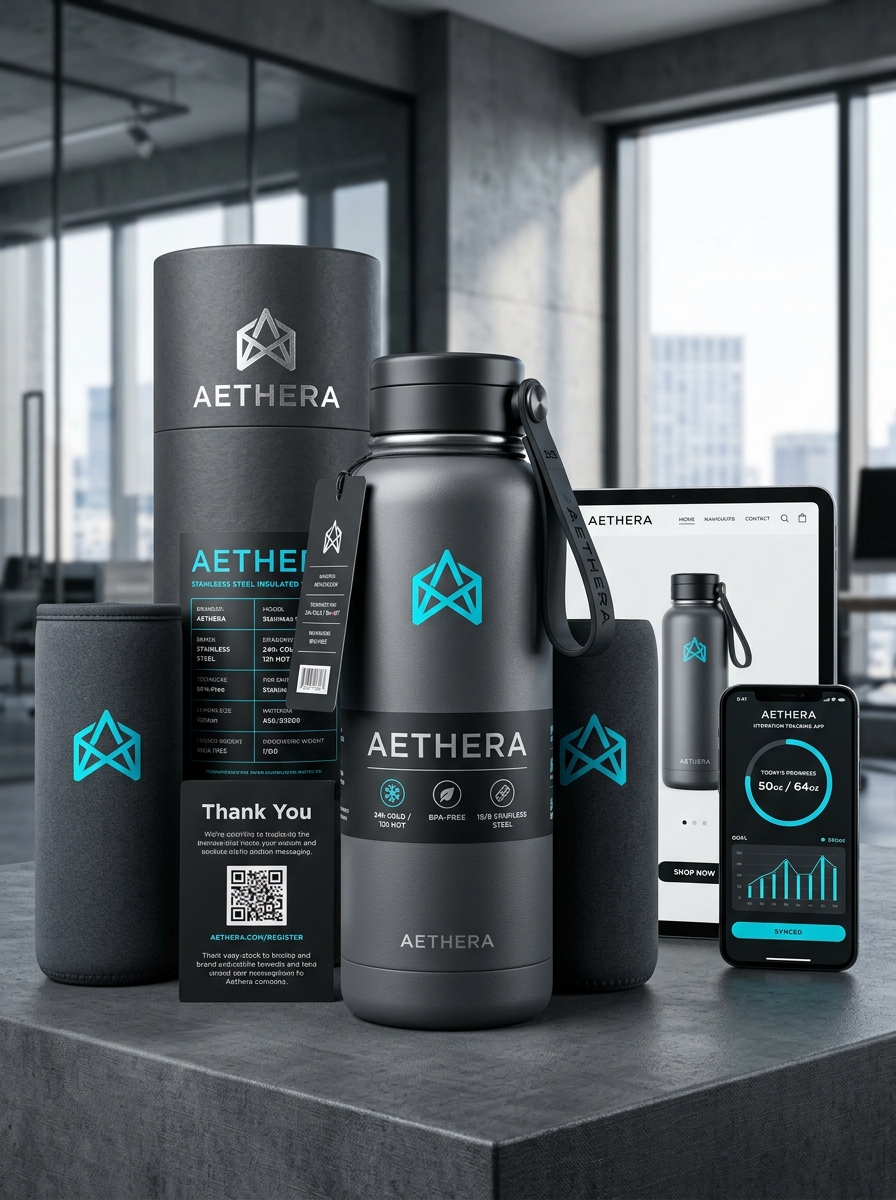
Packaging for insulated water bottles serves as a vital bridge between technical performance and consumer lifestyle. More than a simple container, effective design must communicate thermal efficiency and durability before the product is even touched. In a marketplace driven by sustainability and style, the marriage of structural integrity and visual aesthetics is paramount.
Successful packaging strategies prioritize high-quality, eco-friendly materials that reflect the product's premium nature. By blending minimalist typography with ergonomic structural layouts, brands can create an immersive unboxing experience that resonates with eco-conscious shoppers. This exploration covers the essential design principles required to craft packaging that not only protects the flask but also reinforces a cohesive brand identity through sophisticated visual storytelling.
The Strategic Role of Packaging in Brand Identity
In the competitive market for insulated water bottles, packaging serves as a primary brand ambassador. It transcends simple protection, acting as a vital storytelling medium that communicates quality and durability before the product is even touched.
Strategic packaging design leverages several key elements to solidify brand identity:
- Sustainability: Utilizing plastic-free, recyclable materials reinforces an eco-friendly brand image essential for hydration products.
- Visual Consistency: Signature logos, typography, and color palettes create immediate shelf recognition.
- Unboxing Experience: Premium tactile finishes and structured inserts suggest superior thermal performance and luxury.
By aligning aesthetic appeal with functional design, packaging transforms a standard hydration tool into a lifestyle statement, fostering consumer trust and long-term brand loyalty.
Material Selection for Durability and Sustainability
Choosing the right materials is critical for the performance and environmental impact of an insulated water bottle. Most premium models are constructed from 18/8 food-grade stainless steel, a robust material known for its corrosion resistance and long-term durability. This ensures the flask remains BPA-free and prevents metallic leaching, maintaining the purity of your water.
From a sustainability perspective, stainless steel is a superior choice because it is 100% recyclable and built to last for years, effectively reducing single-use plastic waste. Many eco-conscious designs also integrate sustainable bamboo lids and food-safe silicone seals to ensure a leak-proof experience without relying on harmful synthetics. By prioritizing high-quality, non-toxic materials, these bottles offer a double-wall vacuum insulation solution that is as kind to the planet as it is to the user.
Visual Hierarchy and Information Placement Techniques
Optimizing the presentation of an insulated water bottle requires a strategic visual hierarchy to guide consumer decision-making. Key selling points, such as thermal retention hours (hot/cold) and BPA-free material, should occupy primary focal points using bold typography.
- Top-Level Info: Place vacuum insulation technology and capacity (oz/ml) above the fold for immediate impact.
- Iconography: Use intuitive icons for secondary features like leak-proof lids, sweat-proof finishes, and dishwasher safety to facilitate rapid scanning.
- Technical Specs: Position detailed engineering data, such as 18/8 stainless steel grades, in structured lists to satisfy analytical buyers.
By aligning information placement with natural reading patterns, you prioritize durability and portability, ensuring the most persuasive features are processed first.
Applying Color Theory to Hydration Product Marketing
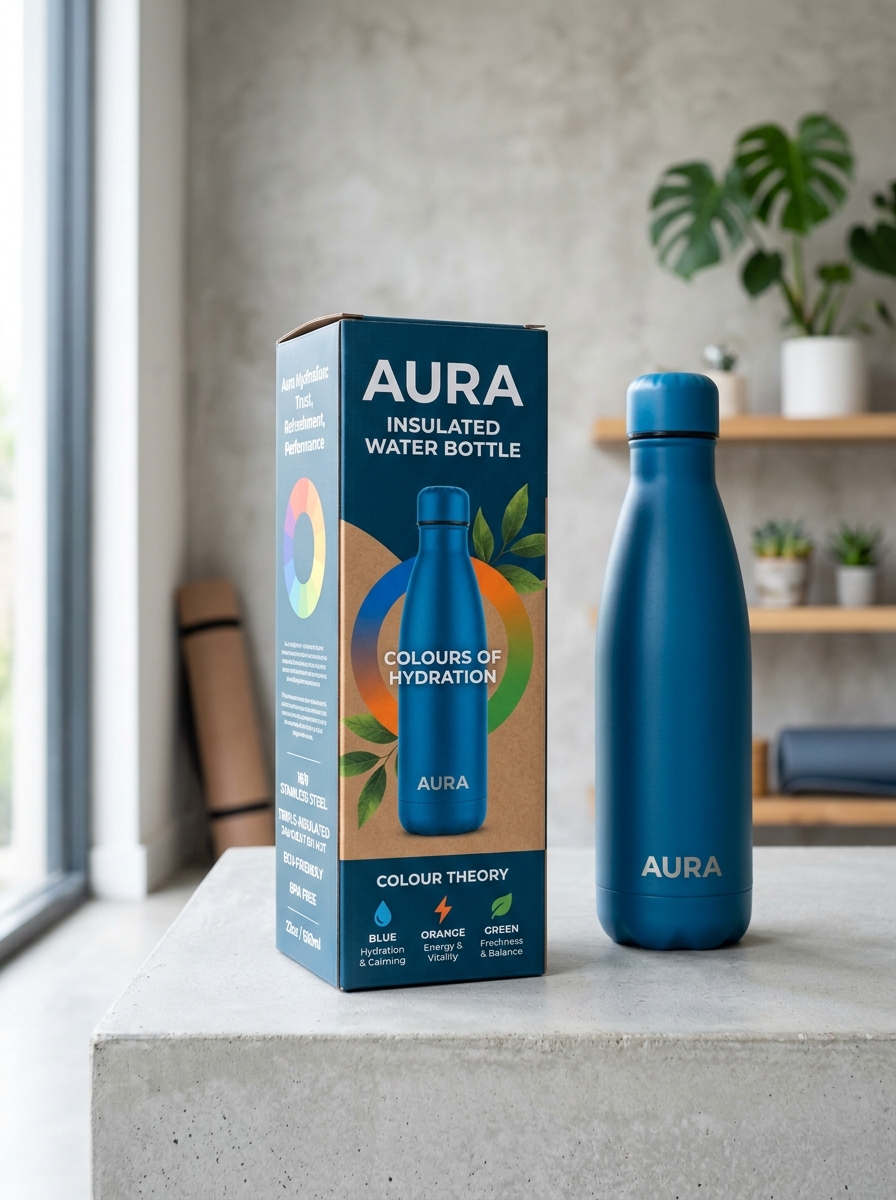
Color theory is a strategic tool in insulated water bottle marketing, leveraging psychological triggers to influence consumer behavior and brand perception. Brands select specific palettes to align their products with target lifestyles. For instance, cool blues and crisp whites emphasize purity and thermal efficiency, signaling the bottle's ability to keep water ice-cold. In contrast, earthy tones like forest green or terracotta appeal to eco-conscious consumers and outdoor adventurers seeking a connection to nature.
High-energy hues, such as vibrant neons, are used to attract the fitness demographic by conveying vitality and movement. Meanwhile, matte black and metallic finishes suggest professional durability and premium quality. By mastering these visual cues, marketers can differentiate their stainless steel hydration gear, ensuring the product's aesthetic resonates emotionally with the consumer's personal identity and functional requirements.
Typography Trends for Premium Insulated Bottle Brands
In the premium insulated water bottle market, typography is a critical element of brand identity. Current trends favor minimalist sans-serif fonts, which communicate a sense of modern engineering and clinical cleanliness. These streamlined typefaces reflect the sleek, powder-coated finish of high-end stainless steel vessels.
Furthermore, many lifestyle-oriented brands are adopting bold, condensed typefaces to emphasize durability and an adventurous spirit. For luxury-tier products, sophisticated serifs are gaining traction to position bottles as high-fashion accessories. Small-caps and increased letter spacing are also utilized to evoke an airy, premium feel. By strategically selecting typography, reusable bottle brands can effectively signal their price point, target demographic, and core values-ranging from rugged outdoor performance to minimalist urban elegance.
Designing for the Ultimate Consumer Unboxing Experience
The unboxing experience for a premium insulated water bottle serves as the first physical touchpoint for quality assurance. To create a memorable impression, packaging should utilize sustainable, high-density materials that reflect the product's durability. Secure, precision-cut inserts are essential to protect the powder-coated finish and vacuum seal from transit damage.
Strategically incorporating minimalist elements, such as a localized care guide or a QR code for warranty activation, enhances user engagement without unnecessary clutter. By prioritizing tactile sensations and eco-friendly aesthetics, brands can transform a routine delivery into a premium event. This thoughtful design reinforces the bottle's value proposition, encouraging social sharing and fostering brand loyalty from the moment the lid is lifted.
Structural Integrity and Functional Packaging Design
The structural integrity of a premium insulated water bottle is primarily defined by its double-walled, vacuum-sealed construction. Utilizing high-grade 304 stainless steel, these bottles are engineered to withstand physical impacts while maintaining a thermal barrier that prevents heat transfer. This durability ensures the internal vacuum remains intact, preserving the bottle's temperature-retention capabilities over time.
Complementing the product, functional packaging design is critical for safeguarding the bottle during logistics. Semantic-focused packaging utilizes reinforced, eco-friendly materials to protect the exterior powder coating and delicate lid mechanisms from abrasions. By integrating custom-fit inserts, manufacturers minimize movement within the box, ensuring the structural integrity of the vacuum seal is never compromised during transit. This holistic approach guarantees that the consumer receives a high-performance, pristine product ready for long-term use.
Eco Friendly Innovations in Reusable Bottle Containers
Modern insulated water bottles are revolutionizing sustainability through advanced engineering and conscious manufacturing. Manufacturers are increasingly utilizing recycled stainless steel to reduce the carbon footprint associated with raw material extraction. These eco-friendly innovations prioritize both performance and the planet:
- Vacuum Insulation: High-performance thermal retention reduces reliance on single-use plastic bottles.
- Sustainable Coatings: The shift toward VOC-free powder coatings ensures durability without harmful chemical runoff.
- Circular Design: Many brands now offer replaceable lids and silicone seals to extend the product's lifecycle and minimize landfill waste.
By integrating BPA-free materials and ethically sourced components, these reusable containers provide a safe, non-toxic hydration solution. Choosing a technologically advanced insulated bottle is a critical step in reducing ocean plastic pollution and supporting global conservation efforts.
Targeting Demographics Through Graphic Aesthetics
Graphic aesthetics are essential for segmenting the insulated water bottle market, transforming functional containers into lifestyle symbols. Manufacturers utilize specific visual languages to resonate with diverse consumer identities. For example, minimalist designs featuring matte finishes and neutral tones appeal to corporate professionals seeking an understated, high-end look.
In contrast, bold, vibrant patterns and neon gradients target Gen Z and younger demographics, positioning the bottle as a trendy fashion accessory. For outdoor enthusiasts, rugged textures, laser-engraved logos, and earthy palettes emphasize durability and utility. By aligning bottle artwork with cultural trends and personal values, brands create an emotional connection with their audience. This strategic use of color theory and surface design ensures that the product speaks directly to the aesthetic preferences of its intended user, driving brand loyalty in a competitive marketplace.
Future Directions in Water Bottle Packaging Trends
The future of insulated water bottle packaging is rapidly evolving toward a circular economy. Brands are shifting away from single-use plastics, instead adopting eco-friendly materials such as molded pulp, FSC-certified recycled cardboard, and biodegradable films. This transition ensures that the packaging is as sustainable as the reusable product inside.
Key trends include minimalist design, which reduces secondary waste while maintaining premium protection for stainless steel finishes. Additionally, smart packaging is gaining traction; manufacturers are integrating QR codes to provide digital warranties, hydration tracking tutorials, and carbon footprint transparency.
By prioritizing compostable shipping solutions and carbon-neutral logistics, the industry is aligning with global environmental goals. These semantic innovations reflect a commitment to reducing waste and enhancing the consumer experience through functional, responsible design.
Leave a comment