
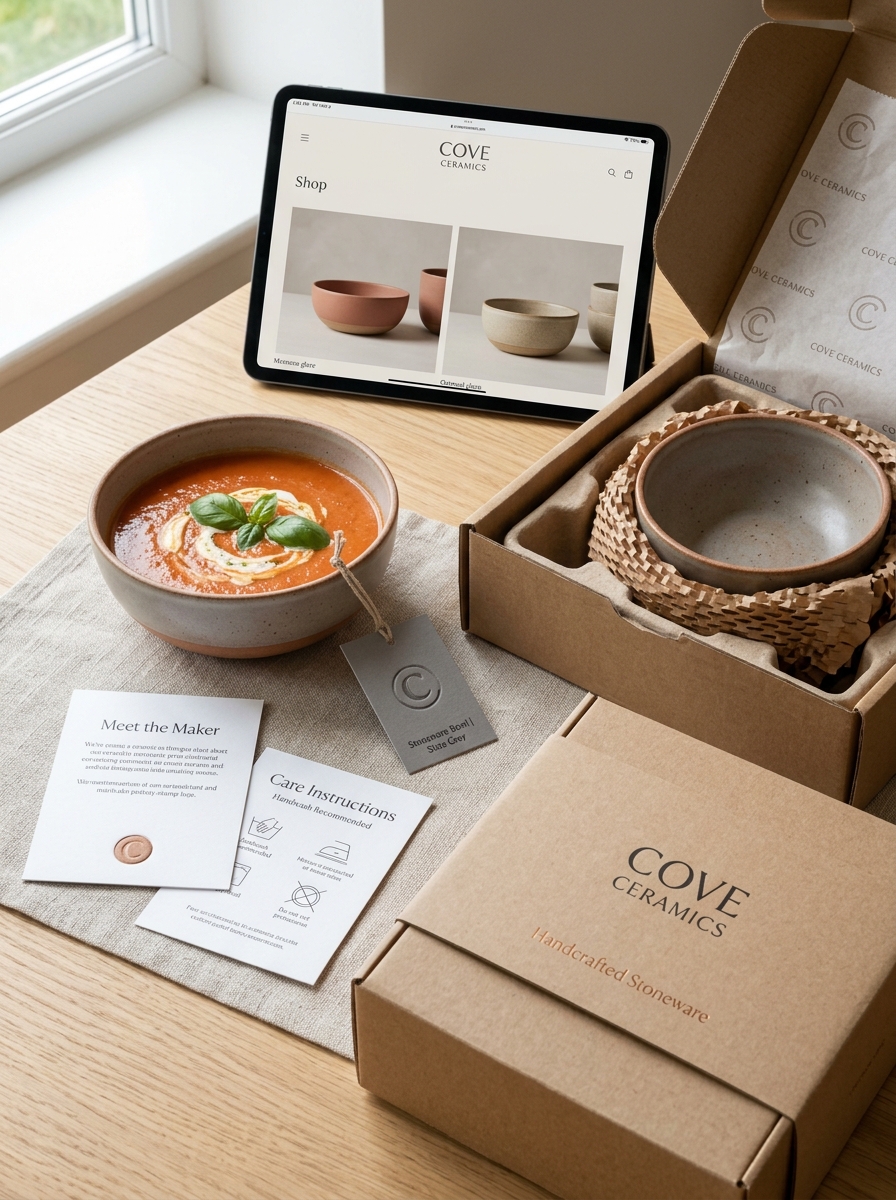
Packaging for ceramic food bowls serves as far more than a protective layer; it is the first tangible touchpoint of a brand's identity. Elevating a product from simple kitchenware to a luxury lifestyle statement requires a sophisticated fusion of structural integrity and visual storytelling.
By integrating minimalist aesthetic principles with premium tactile finishes, brands can create an immersive unboxing experience that resonates with discerning consumers. This exploration delves into essential design concepts-ranging from geometric silhouettes to refined typography-that define high-end ceramic packaging. Understanding how strategic material selection and thoughtful artistic details interact allows manufacturers to transform functional containers into powerful assets for premium branding and long-term market positioning.
The Evolution of Premium Ceramic Bowl Packaging
The packaging for ceramic food bowls has undergone a significant transformation, moving beyond basic protection to prioritize sustainability and brand identity. Historically, heavy-duty plastics and foam were the industry standard for securing fragile stoneware. As consumer demand for eco-friendly solutions grew, manufacturers pivoted toward biodegradable molded pulp and high-test corrugated cardboard.
Modern premium packaging now utilizes precision-engineered inserts that stabilize the bowl's rim and base, neutralizing impact during transit. This evolution focuses on the "unboxing experience," where minimalist aesthetics meet structural integrity. By combining recycled materials with reinforced paper technology, brands ensure that every artisan-crafted ceramic piece remains crack-resistant while reflecting a commitment to environmental stewardship. These advancements in protective packaging are now considered as vital as the quality of the ceramic glaze itself.
Materiality and Tactile Excellence in High-End Box Design
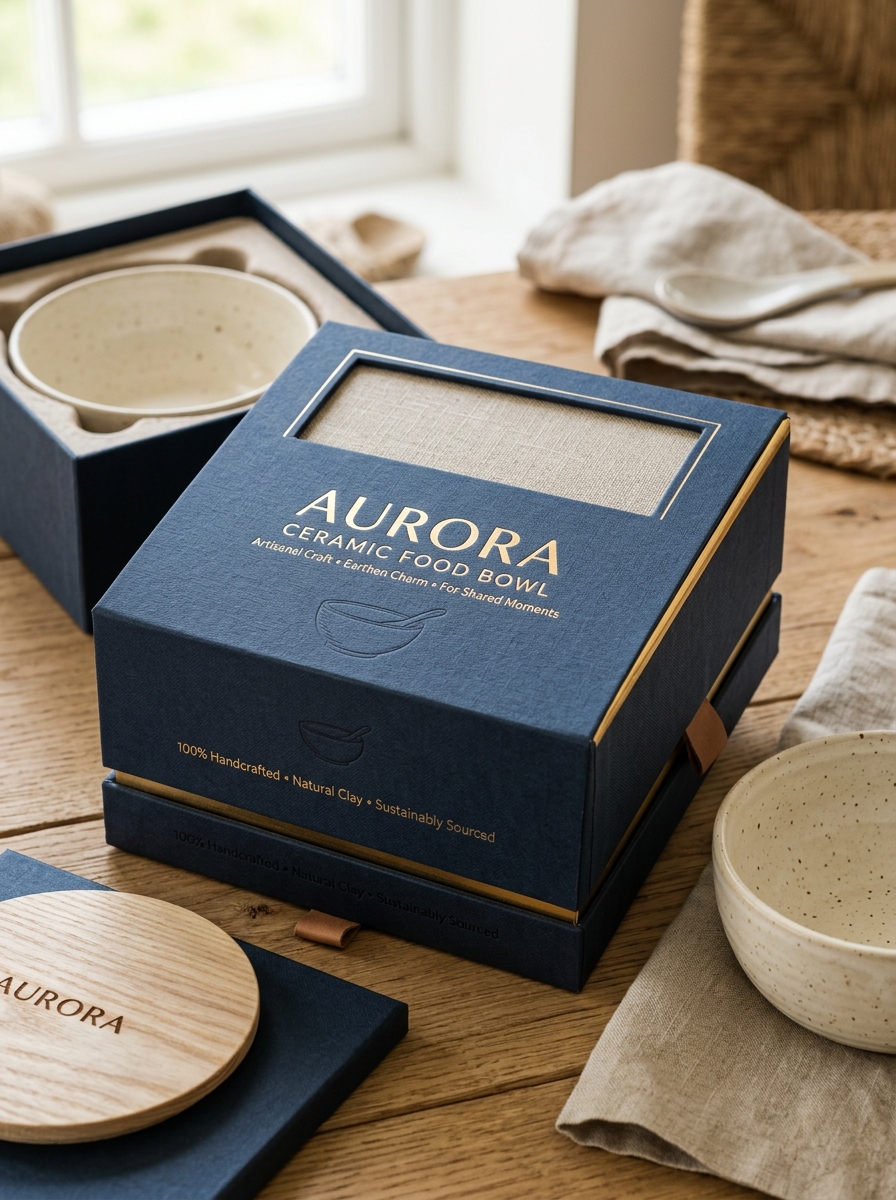
High-end ceramic food bowls demand packaging that reflects their artisanal integrity. In luxury box design, materiality involves selecting premium substrates like heavy-duty rigid board, organic linen textures, or sustainable specialty papers. These materials provide the structural durability necessary to protect delicate stoneware while establishing an immediate sense of prestige.
Tactile excellence is achieved through sophisticated finishing techniques such as debossing, matte aqueous coatings, or spot UV treatments. This sensory approach ensures the consumer's first physical interaction is memorable, mirroring the smooth, high-fire glazed surface of the ceramic bowl within. By prioritizing weight and surface texture, premium packaging communicates craftsmanship and value, transforming the unboxing process into a cohesive part of the luxury culinary experience.
Minimalist Aesthetic Principles for Timeless Brand Identity
In the competitive market for ceramic food bowls, minimalist design serves as a cornerstone for building a timeless brand identity. By embracing the "less is more" philosophy, brands focus on clean lines, balanced proportions, and the inherent beauty of raw materials like stoneware and porcelain.
Key aesthetic principles include:
- Neutral Palettes: Utilizing monochromatic tones to ensure the product complements any interior decor.
- Functional Simplicity: Removing unnecessary ornamentation to highlight the bowl's ergonomic shape and utility.
- Tactile Texture: Using matte or reactive glazes to create a premium, sensory experience that resonates with modern consumers.
Adhering to these minimalist principles ensures brand longevity, positioning products as sustainable, high-quality essentials rather than fleeting trends. This clarity in design fosters a sophisticated image that strengthens consumer loyalty.
The Art of Structural Engineering for Fragile Ceramics
Engineering a durable ceramic food bowl requires a precise balance between material science and artisanal design. Despite their perceived fragility, high-quality ceramics utilize specific structural principles to ensure longevity. The process begins with selecting high-fire clays, such as stoneware or porcelain, which undergo vitrification at extreme temperatures to create a dense, non-porous body.
Strategic wall thickness is crucial; uniform distribution prevents internal stress during the kiln's cooling phase, significantly reducing the risk of thermal shock. Furthermore, a reinforced rim and a stable foot ring provide essential impact resistance and weight distribution. Finally, a specialized silica-based glaze acts as a protective exoskeleton, enhancing the bowl's tensile strength while making it resistant to scratches and chemical erosion. This fusion of physics and craft ensures that every bowl remains functional for daily use.
Leveraging Color Theory to Evoke Culinary Sophistication
In the realm of fine dining, a ceramic food bowl serves as more than a mere vessel; it is a vital tool for visual storytelling. By applying color theory, designers can significantly influence a diner's perception of flavor and quality. For example, deep charcoal or obsidian glazes create a high-contrast backdrop that makes the vibrant colors of fresh ingredients pop, signaling luxury and professional-grade presentation.
Conversely, muted earth tones like sage or terracotta evoke an organic, artisanal aesthetic, aligning perfectly with modern farm-to-table trends. These strategic color choices are essential for enhancing culinary sophistication. By selecting the right palette, you transform functional dinnerware into a sophisticated canvas, ensuring every meal is presented as a curated sensory experience that resonates with guests.
Strategic Typography and Graphic Hierarchy for Luxury Appeal
Elevating a ceramic food bowl to luxury status requires a meticulous approach to visual communication. Strategic typography serves as a brand's silent ambassador; employing refined serif fonts evokes a sense of heritage and artisanal craftsmanship, while minimalist sans-serif type conveys modern sophistication.
A structured graphic hierarchy directs the consumer's gaze, ensuring that key brand identifiers and quality markers-such as kiln-fired bottom stamps or elegant packaging-command attention without overwhelming the product's natural beauty. By balancing intentional font weights with generous negative space, designers create a premium aesthetic that mirrors the tactile elegance of high-end stoneware. This sophisticated visual flow reinforces perceived value, transforming a functional dining object into a curated piece of art that resonates with discerning consumers seeking both style and substance in their culinary experience.
Curating the Ultimate Unboxing Experience for Ceramic Goods
The unboxing experience for a ceramic food bowl is the first physical touchpoint between your brand and the customer. To elevate this moment, prioritize a blend of durability and aesthetics. Since stoneware is fragile, utilizing sustainable, shock-absorbent materials like corrugated cardboard or honeycomb wrap ensures the product arrives safely without sacrificing eco-friendly values.
Enhance the sensory journey by incorporating branded tissue paper, a minimalist sticker, or a printed care guide that explains how to maintain the bowl's glaze. A well-designed unboxing not only protects the ceramic kitchenware but also reinforces the perceived value of the craftsmanship. By focusing on premium presentation and secure packaging, you transform a simple delivery into a memorable brand experience that encourages customer loyalty and social sharing.
Sustainable Luxury and Eco-Friendly Material Innovations
Modern ceramic food bowls represent a sophisticated intersection of high-end design and environmental stewardship. By integrating eco-friendly material innovations, such as reclaimed clay bodies and lead-free, non-toxic glazes, artisans are reducing the ecological footprint of fine dining. These sustainable luxury pieces are crafted using high-fire techniques that ensure exceptional durability, effectively combating the "throwaway" culture associated with mass-produced alternatives.
Beyond aesthetics, the use of natural, mineral-based components ensures that each bowl is chemically inert and safe for food contact. Innovations in energy-efficient kilning further minimize carbon emissions during production. By prioritizing biodegradable materials and ethical craftsmanship, premium ceramic bowls offer a timeless, eco-conscious solution for the modern home, proving that true luxury lies in products that respect both the consumer and the planet.
Visual Storytelling Through Heritage-Inspired Packaging Elements
For a premium ceramic food bowl, packaging serves as more than a protective layer; it is a vessel for cultural storytelling. By integrating heritage-inspired design elements-such as traditional motifs, calligraphy, or textures mimicking ancient kilns-brands communicate the rich history of their craftsmanship.
These visual cues allow consumers to connect with the provenance of the ceramicware instantly. Utilizing earthy color palettes and artisanal paper stocks reflects the raw materials used in the pottery process. This strategic heritage packaging transforms the unboxing experience into a journey of cultural discovery, reinforcing the value of the hand-finished bowl within. By blending historical aesthetics with modern sustainability, the packaging honors the timeless legacy of ceramic artistry while appealing to the conscious, contemporary diner.
Harmonizing Form and Function for Global Market Consistency
High-quality ceramic food bowls bridge the gap between artistic design and industrial scalability. To maintain global market consistency, manufacturers prioritize standardized dimensions and premium food-grade glazing. This ensures every vessel offers superior heat retention and structural durability across diverse culinary traditions.
By integrating ergonomic shapes with non-toxic, eco-friendly materials, these bowls meet rigorous international safety standards. Key features for market-leading ceramics include:
- Material Integrity: High-fire clay resistant to thermal shock.
- Safety Compliance: Lead-free, non-porous surfaces for maximum hygiene.
- Universal Utility: Optimized for microwave, oven, and dishwasher safety.
The synergy of aesthetic appeal and mechanical precision allows brands to deliver a reliable user experience. This consistency ensures that ceramic food bowls serve as functional, sustainable masterpieces in any cultural or hospitality context worldwide.
Leave a comment