
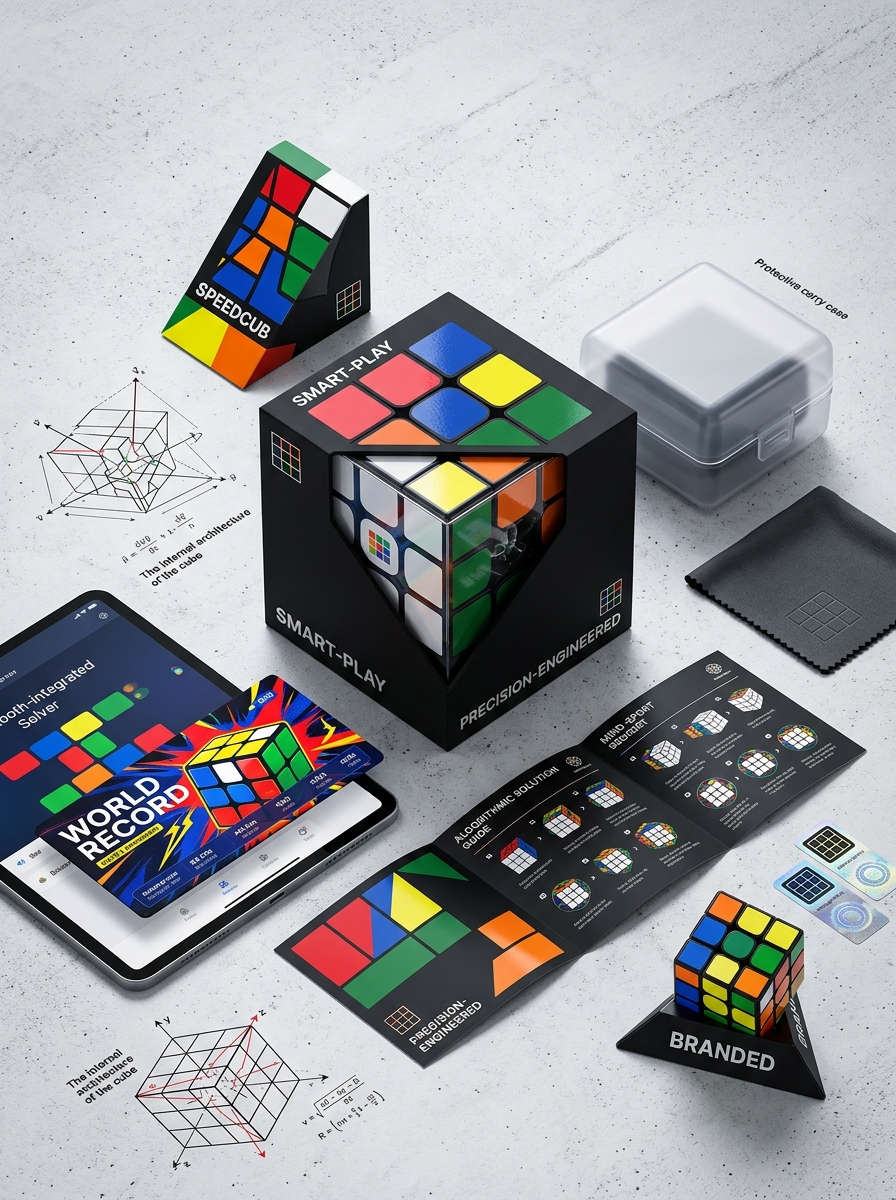
Elevating a Rubik's Cube from a classic toy to a premium collector's item requires a deep understanding of packaging design. Successful packaging does more than protect the product; it communicates the complexity and satisfaction inherent in solving mechanical puzzles. By focusing on visual aesthetics such as geometric symmetry and vibrant color theory, designers can mirror the iconic nature of the cube, creating an immediate impact on the shelf.
This guide examines the core concepts of puzzle branding, emphasizing how innovative structures and high-quality finishes enhance the unboxing experience. From transparent windows that highlight internal mechanisms to sustainable materials that appeal to modern consumers, mastering these design elements is essential for establishing brand authority and fostering a lasting connection with the global cubing community.
The Evolution of Rubik's Cube Packaging Standards
The history of Rubik's Cube packaging reflects the puzzle's transition from a 1980s novelty toy to a professional competitive instrument. Early packaging focused on simple retail visibility, utilizing basic cardboard boxes or clear plastic cylinders. As speedcubing culture emerged, manufacturers like GAN, MoYu, and QiYi elevated standards to include premium, high-durability display cases designed to protect delicate internal mechanisms and magnets.
Modern packaging now prioritizes a sophisticated unboxing experience, often featuring accessory kits, adjustment tools, and collector-grade stands. Furthermore, the industry is shifting toward environmental sustainability, with many brands adopting plastic-free, recyclable paper-based designs. This evolution ensures that packaging serves a dual purpose: securing the puzzle during global shipping while appealing to the aesthetic and functional demands of serious collectors and professional speedcubers worldwide.
Aligning Visual Aesthetics with Brand Identity
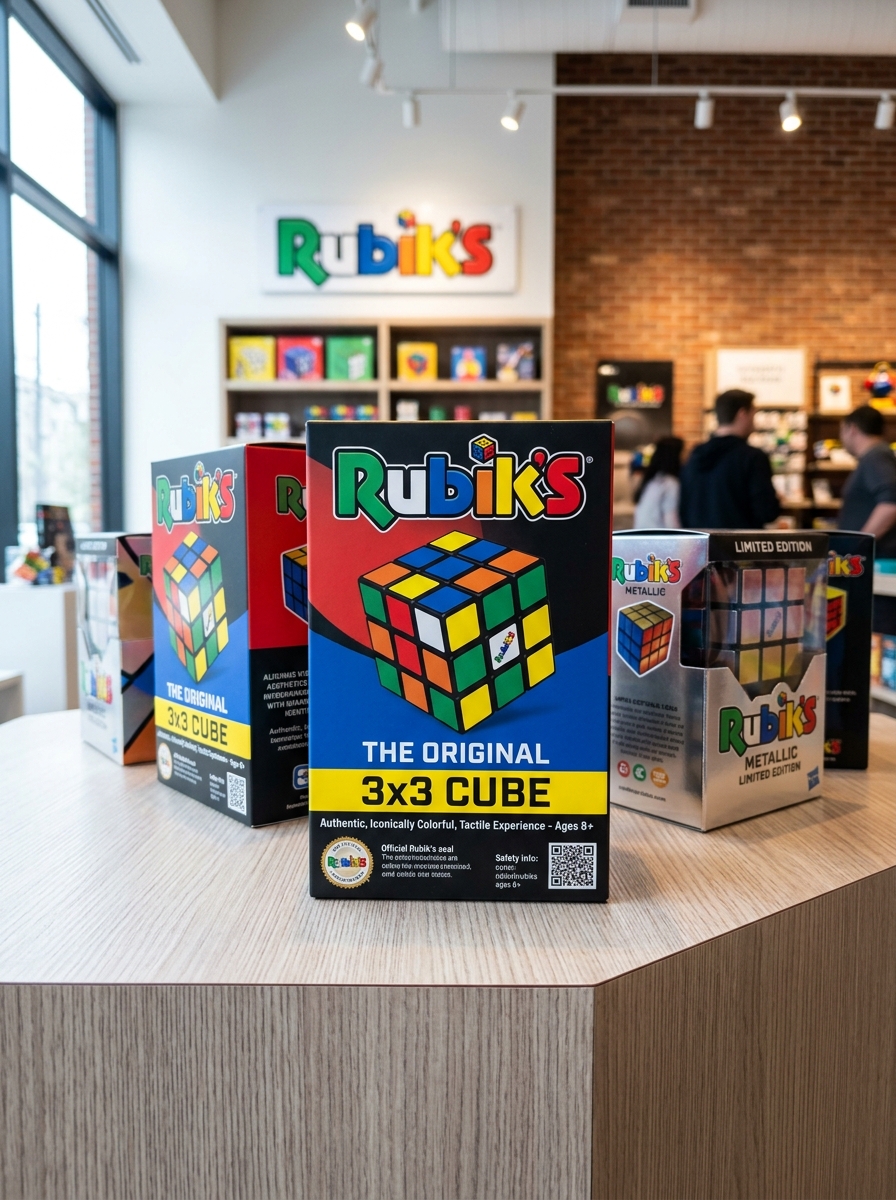
In the competitive world of Rubik's Cubes, visual aesthetics serve as a primary bridge to brand identity. Manufacturers leverage specific design elements-such as stickerless vibrant plastics, matte finishes, or the classic black-framed stickered look-to communicate their unique market position.
For instance, high-performance speedcube brands often use signature internal textures and minimalist logos to signal technical innovation and premium quality. This visual language tells the consumer whether a puzzle is designed for professional competition or nostalgic, casual play. By meticulously choosing color palettes and surface textures, brands create an immediate psychological connection with solvers. Ultimately, aligning these aesthetic choices with brand values ensures that a cube's outward appearance reflects its internal engineering, fostering brand loyalty and recognition within the global puzzle community.
Optimizing the Unboxing Experience for Speedcubers
For competitive speedcubers, the unboxing process is a critical introduction to a puzzle's performance. To optimize this experience, brands must focus on both tactile satisfaction and technical utility. High-quality packaging should protect the cube's delicate corner-cutting mechanisms while offering a premium feel.
- Customization Tools: Include specialized screwdrivers, tensioning nuts, and interchangeable magnets to allow for immediate professional setup.
- Factory Lubrication: Ensuring a smooth, pre-lubricated "out-of-the-box" feel is essential for a positive first impression.
- Support Materials: Provide detailed algorithm pamphlets and QR codes linking to digital tutorials for advanced solving techniques.
- Protective Accessories: Include hard-shell cases or microfiber pouches to maintain the cube's exterior finish.
By integrating these professional-grade elements, manufacturers can foster brand loyalty and provide speedcubers with everything needed to achieve new personal bests right from the first turn.
Material Selection for Durability and Product Protection
Selecting premium materials is vital for the longevity and performance of Rubik's Cubes. Most professional-grade puzzles are constructed from ABS plastic (Acrylonitrile Butadiene Styrene), a thermoplastic favored for its high impact resistance, structural toughness, and low-friction properties. This ensures the cube remains intact during high-speed rotations and accidental drops.
To further enhance product protection, manufacturers often apply UV-coatings or frosted finishes to the exterior. these treatments provide a scratch-resistant layer that maintains the cube's aesthetic appeal over time. Internally, the use of stainless steel for springs and high-grade magnets prevents oxidation and mechanical fatigue. By prioritizing these durable materials, manufacturers guarantee a reliable speedcubing experience while protecting the intricate internal mechanisms from wear and tear, ensuring the puzzle remains functional for thousands of solves.
Leveraging Color Theory to Reflect Solving Complexity
Color theory is fundamental to the ergonomics and cognitive processing of Rubik's Cube solving. The standard Boy scheme-arranging high-contrast colors like white opposite yellow and red opposite orange-is not merely aesthetic; it is engineered for optimal visual recognition.
By maximizing chromatic differentiation, solvers can identify patterns and execute complex algorithms with greater speed. High-saturation palettes reduce the cognitive load required to distinguish edge and corner pieces under varied lighting conditions. Advanced cubers utilize color relationships to predict state transitions, where the contrast between primary and secondary colors signals the puzzle's underlying mathematical complexity. Ultimately, strategic color application bridges the gap between manual dexterity and mental processing, streamlining the path to a more efficient solution.
Integrating Technical Specifications and Performance Data
To optimize speedcubing performance, enthusiasts must analyze the synergy between technical specifications and real-world performance data. Key specifications include dimensions (typically 55-56mm), weight in grams, and the specific magnetic array configurations. These hardware details directly dictate performance metrics such as corner-cutting degrees, rotational inertia, and "pop" resistance.
Modern competitive cubes utilize complex dual-adjustment systems that allow users to calibrate spring tension and axis distance independently. By integrating data on friction coefficients and magnet strength levels, cubers can predict how a puzzle will respond during high-TPS (turns per second) algorithms. This data-driven approach enables a tailored experience, matching a cube's tactile feedback and stability to the user's specific turning style, whether aggressive or fluid. Understanding these technical intersections is vital for achieving consistent, record-breaking solve times.
Strategic Use of Transparency and Die-Cut Windows
In the competitive puzzle market, Rubik's Cube packaging leverages transparency and die-cut windows to maximize retail impact. Clear plastic panels provide 360-degree visibility, showcasing the iconic 3x3 grid and its vibrant, color-coded faces. This visual accessibility confirms product authenticity and high-quality manufacturing, which is vital for both speedcubers and collectors.
Furthermore, strategically placed die-cut windows enhance the sensory experience. By allowing potential buyers to touch the cube's surface or feel the texture of the plastic, brands bridge the gap between visual appeal and tactile feedback. This interactive design increases "shelf appeal" and builds consumer trust. Whether for classic models or modern speed cubes, these elements ensure the Rubik's brand remains instantly recognizable while highlighting the intricate mechanics and engineering that define this world-famous logic puzzle.
Digital Integration Through Smart Packaging and QR Codes
Modern Rubik's Cubes are bridging the gap between tactile play and digital innovation through smart packaging. By incorporating unique QR codes on product boxes or the cubes themselves, manufacturers provide enthusiasts with instant access to a comprehensive digital ecosystem.
This integration enhances the user experience by offering:
- Interactive Tutorials: Scannable codes lead beginners to step-by-step video guides and algorithm solvers.
- Performance Tracking: Integration with mobile apps allows speedcubers to log solve times and analyze move efficiency.
- Augmented Reality (AR): Digital overlays help users visualize rotations and complex patterns in real-time.
- Community Connection: QR codes facilitate quick entry into global leaderboards and online cubing forums.
By leveraging these digital tools, the classic puzzle evolves into a data-driven hobby, making the learning curve more accessible for a new generation of tech-savvy cubers.
Sustainability and Eco-Friendly Material Innovations
As environmental awareness grows, the speedcubing industry is shifting toward more sustainable manufacturing practices. Traditionally, Rubik's Cubes are constructed from petroleum-based ABS plastics, which are durable but have a significant carbon footprint. To mitigate this, leading manufacturers are exploring eco-friendly material innovations to appeal to conscious consumers.
Key developments include the integration of recycled plastics and biodegradable bio-plastics derived from renewable sources like corn starch. Beyond the puzzles themselves, brands are reducing waste by replacing plastic inserts with FSC-certified recycled cardboard packaging. Some premium editions even utilize sustainable bamboo or wood, offering a tactile, green alternative to synthetic materials. These advancements ensure that the puzzle industry evolves, maintaining high-performance standards-such as low friction and high durability-while significantly reducing its long-term environmental impact.
Creating Shelf Impact in a Competitive Puzzle Market
In the saturated Rubik's Cube industry, standing out requires more than mechanical precision; it demands superior shelf impact. To capture the attention of both casual hobbyists and professional speedcubers, manufacturers must prioritize innovative packaging design and high-contrast visual aesthetics.
Effective retail strategies involve using transparent windows to showcase the cube's vibrant shades and tactile finishes, such as frosted or UV-coated surfaces. Brands can differentiate themselves by highlighting technical specifications-like magnetic positioning or "MagLev" technology-directly on the box using bold, modern typography. By blending iconic branding with premium materials, puzzle companies can enhance perceived value, ensuring their products dominate the competitive landscape and drive impulse purchases in a crowded puzzle market.
Leave a comment