
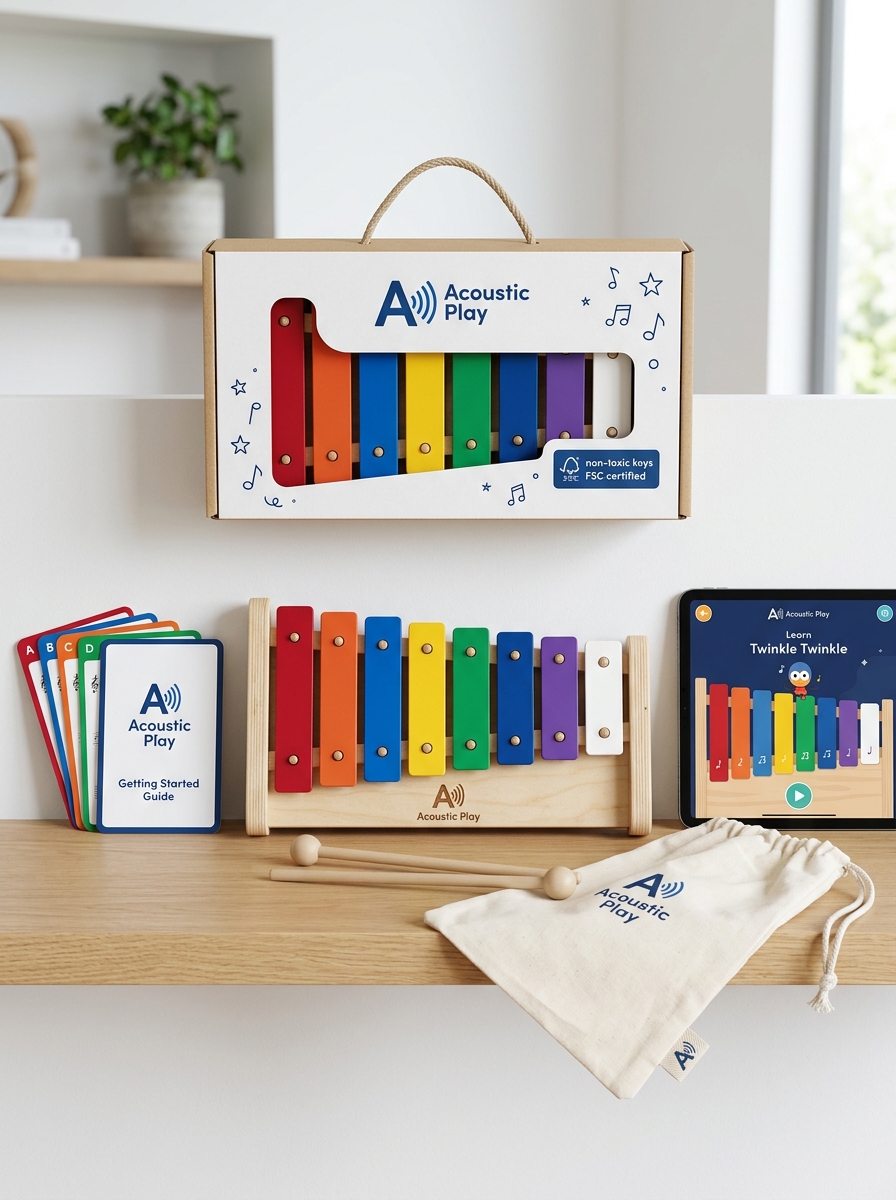
Elevating a musical instrument from a mere product to a premium experience begins with strategic container engineering. Mastering xylophone packaging design involves a sophisticated blend of structural protection and visual storytelling. Because of the instrument's unique physical dimensions and fragile acoustic components, designers must prioritize shock-absorbent materials without sacrificing shelf appeal.
This exploration covers essential concepts-from sustainable cushioning to vibrant graphic layouts-that resonate with percussionists and educators alike. By harmonizing functional durability with sophisticated aesthetics, brands can ensure their instruments arrive in tune while making an unforgettable first impression. Understanding the intersection of ergonomics and brand identity is the key to creating packaging that truly resonates within the modern musical instrument market.
The Foundation of Xylophone Brand Identity
Establishing a premier xylophone brand identity relies on the fusion of acoustic excellence and meticulous craftsmanship. The cornerstone of any reputable manufacturer is the quality of the tone bars; whether utilizing traditional Honduras Rosewood or innovative synthetic materials, the sound profile must be distinct, bright, and resonant.
To differentiate in the percussion market, brands focus on several semantic pillars:
- Intonation Precision: Expert quint-tuning that ensures harmonic clarity.
- Resonator Design: Engineering that optimizes projection and sustain.
- Frame Integrity: Durable, rattle-free architecture suitable for orchestral or marching environments.
Ultimately, a xylophone brand's identity is cemented through its commitment to consistent tonal beauty, providing percussionists with a reliable instrument that translates physical technique into professional musical expression.
Structural Engineering for Key and Resonator Protection
The structural integrity of a xylophone relies on precision engineering to safeguard delicate acoustic components. The frame serves as a rigid foundation, preventing the rosewood or synthetic keys from warping due to environmental fluctuations. To mitigate mechanical stress, keys are suspended using high-tension cords and rubber grommets, which isolate vibrations and protect the bars from direct impact damage.
Below the keys, resonators are secured via reinforced mounting brackets to maintain perfect alignment and prevent denting. Advanced structural designs often incorporate:
- Cross-bracing: Enhances frame stability during transport.
- Suspension Rails: Minimize wood-to-metal contact to prevent splintering.
- Protective End Caps: Shield resonators from physical shocks.
These engineering solutions ensure long-term tonal consistency and protect the instrument's complex architecture against physical wear and atmospheric changes.
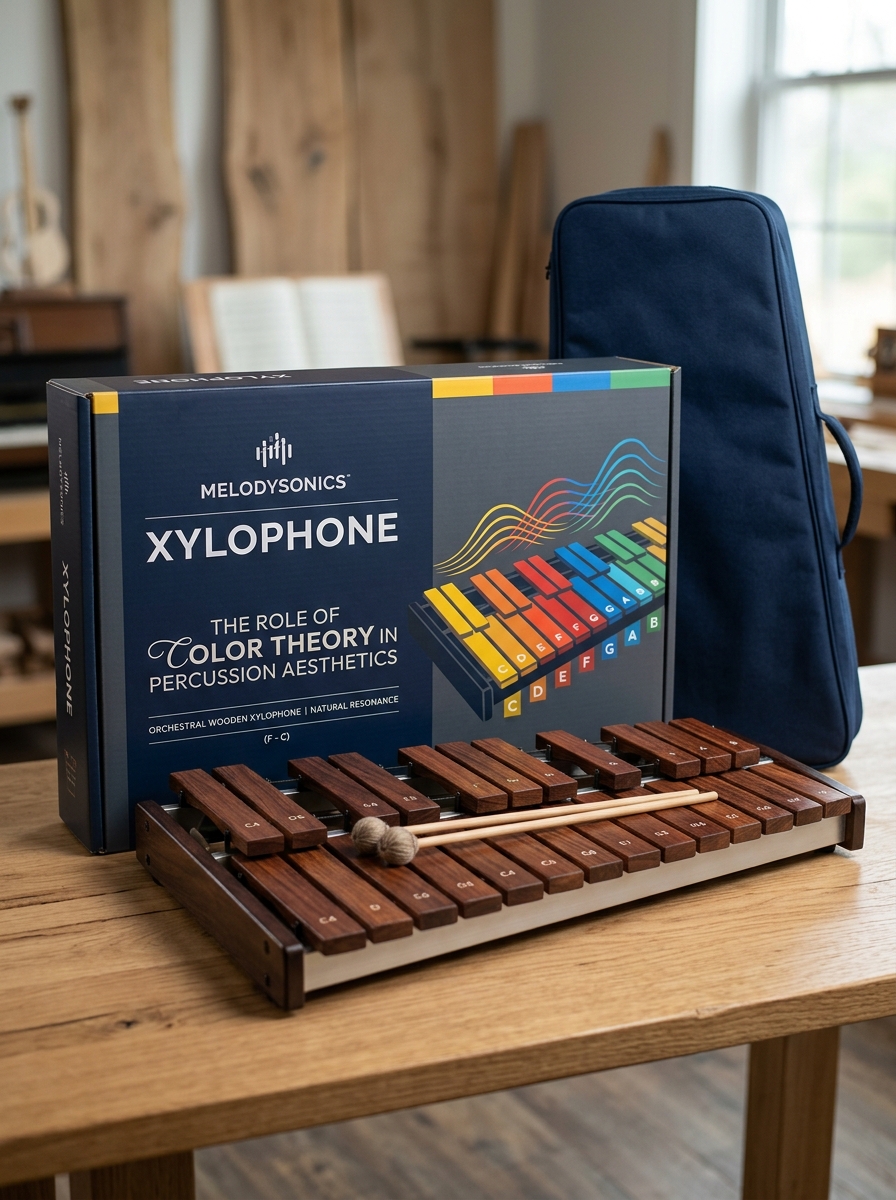
The Role of Color Theory in Percussion Aesthetics
In the world of percussion, color theory serves both functional and psychological purposes. For the xylophone, vibrant, color-coded bars are frequently used in pedagogical settings to assist beginners in pitch recognition. This visual mapping utilizes high-contrast hues to create a multisensory learning experience, making complex musical scales more accessible.
Beyond education, the aesthetic design of professional xylophones often employs natural wood tones, such as the deep reds of rosewood or the warm browns of padauk. These colors evoke a sense of organic resonance and craftsmanship. In modern performances, monochromatic or metallic finishes may be used to project a sleek, contemporary image. By integrating color theory, manufacturers ensure the instrument's visual presence complements its acoustic character, ultimately enhancing the stage presence and the audience's emotional connection to the performance.
Sustainable Material Selection for High Quality Design
Crafting a professional-grade xylophone requires a precise balance between acoustic excellence and environmental responsibility. Traditionally, the finest bars are carved from dense tonewoods like Honduran Rosewood, prized for its bright, percussive bite and harmonic clarity. However, due to the endangered status of many tropical hardwoods, modern manufacturers are pivoting toward sustainable material selection.
Ethical sourcing involves utilizing FSC-certified woods or high-performance alternatives like Padauk. For educational and outdoor instruments, synthetic composites-such as fiberglass-reinforced resins-provide exceptional durability and weather resistance while mimicking natural overtones. By prioritizing renewable resources and eco-friendly manufacturing processes, designers ensure that the production of high-quality xylophones remains viable. This commitment to sustainability preserves both the instrument's melodic heritage and the global ecosystems that provide its resonant voice.
Mastering Typography and Visual Hierarchy on the Box
Effective packaging design for a xylophone relies heavily on typography and visual hierarchy to communicate functionality and brand value. Utilizing bold, high-contrast sans-serif typefaces for note labels (A through G) ensures maximum legibility for young musicians and beginners.
Designers establish a clear hierarchy by scaling font sizes to distinguish the brand name from technical specifications. By strategically placing critical information-such as the diatonic scale range-at the optical center, the layout guides the viewer's eye naturally across the box.
Strategic use of white space and deliberate kerning around the instrument's imagery prevents visual noise. This ensures the vibrant colors of the xylophone bars remain the focal point, reinforcing the product's educational appeal and making the learning process intuitive from the first glance.
Designing an Immersive Unboxing Experience for Musicians
For a percussionist, unboxing a new xylophone is a sensory introduction to their musical journey. A premium experience prioritizes the protection of delicate rosewood bars or high-grade synthetic resonators, ensuring they arrive with perfect intonation.
To optimize this moment for musicians, manufacturers should focus on:
- Structural Integrity: Utilizing custom-molded inserts to prevent bar misalignment or surface scratches during transit.
- Tactile Quality: Including professional-grade mallets and microfiber cleaning cloths in accessible, high-finish compartments.
- Educational Value: Providing intuitive assembly guides and tuning certificates to build immediate trust.
By blending sustainable packaging with an elegant presentation, brands emphasize the instrument's acoustic excellence. This thoughtful approach ensures the musician feels the resonance and precision of the xylophone from the very first strike.
Balancing Artistic Appeal with Functional Portability
Modern xylophone design achieves a sophisticated harmony between aesthetic elegance and mobile utility. Manufacturers prioritize premium tonewoods, such as Honduras Rosewood or high-quality synthetics, ensuring the instrument remains a visual centerpiece on stage. These precision-tuned bars are often paired with sleek, powder-coated resonators that enhance both resonance and professional appearance.
To address functional portability, professional models incorporate innovative modular frames and collapsible structures. The use of lightweight aluminum alloys and detachable resonators allows percussionists to disassemble the instrument quickly for transport. High-grade locking casters and height-adjustable gas-lift systems provide stability during performances while facilitating easy movement between venues. This synergy ensures that the xylophone maintains its concert-grade acoustics and artistic integrity without sacrificing the durability required for touring musicians and orchestral ensembles.
Custom Inserts and Internal Layout Optimization
Custom inserts are essential for safeguarding a xylophone's precision-tuned components. Utilizing high-density foam and precision-cut layouts, these inserts isolate individual tone bars-particularly delicate rosewood-to prevent impact damage and surface scratches during transport.
Internal layout optimization enhances portability by strategically arranging resonators, frame rails, and stand components. This spatial efficiency reduces the overall footprint of flight cases while ensuring structural stability. By incorporating dedicated compartments for mallets and assembly hardware, these optimized designs prevent shifting and internal friction.
For professional percussionists, a well-organized internal configuration facilitates rapid setup and protects the instrument's tonal calibration. Ultimately, custom internal engineering minimizes mechanical wear and vibration-related stress, preserving the xylophone's resonance and pitch integrity over years of use.
Safety Standards and Labeling for Global Distribution
Distributing xylophones internationally requires strict adherence to global safety protocols to protect consumers. Manufacturers must comply with ASTM F963 (USA) and EN71 (Europe) standards, ensuring instruments are free from heavy metals, lead-based paints, and sharp edges. Materials like wood and resonators must be non-toxic and finished with child-safe coatings.
Effective labeling is essential for legal distribution. This includes clear age-appropriateness markers and choking hazard warnings for mallets or small components. For electronic models, CE and FCC certifications are mandatory for electromagnetic compatibility. Providing multi-language safety instructions and displaying ISO certification marks ensures seamless customs clearance and reinforces brand trust. By meeting these rigorous benchmarks, manufacturers guarantee that their xylophones are safe for educational and recreational use worldwide.
Future Innovations in Modern Musical Instrument Packaging
The evolution of xylophone packaging is moving toward a fusion of sustainability and high-tech protection. Future innovations prioritize custom-molded, biodegradable inserts tailored to the specific dimensions of rosewood or synthetic bars and resonators. These eco-friendly materials offer superior shock absorption compared to traditional plastics, ensuring the instrument's precise tuning remains intact during transit.
Emerging smart packaging solutions now include integrated NFC tags and QR codes, providing percussionists with instant access to assembly tutorials and maintenance guides. Furthermore, the development of "hybrid" cases-combining the rigidity of a hardshell with the lightweight portability of soft-sided gig bags-is revolutionizing how mallet instruments are transported. These advancements focus on ergonomic design and weather-resistant coatings, safeguarding the xylophone's acoustic integrity against humidity and temperature fluctuations.
Leave a comment