
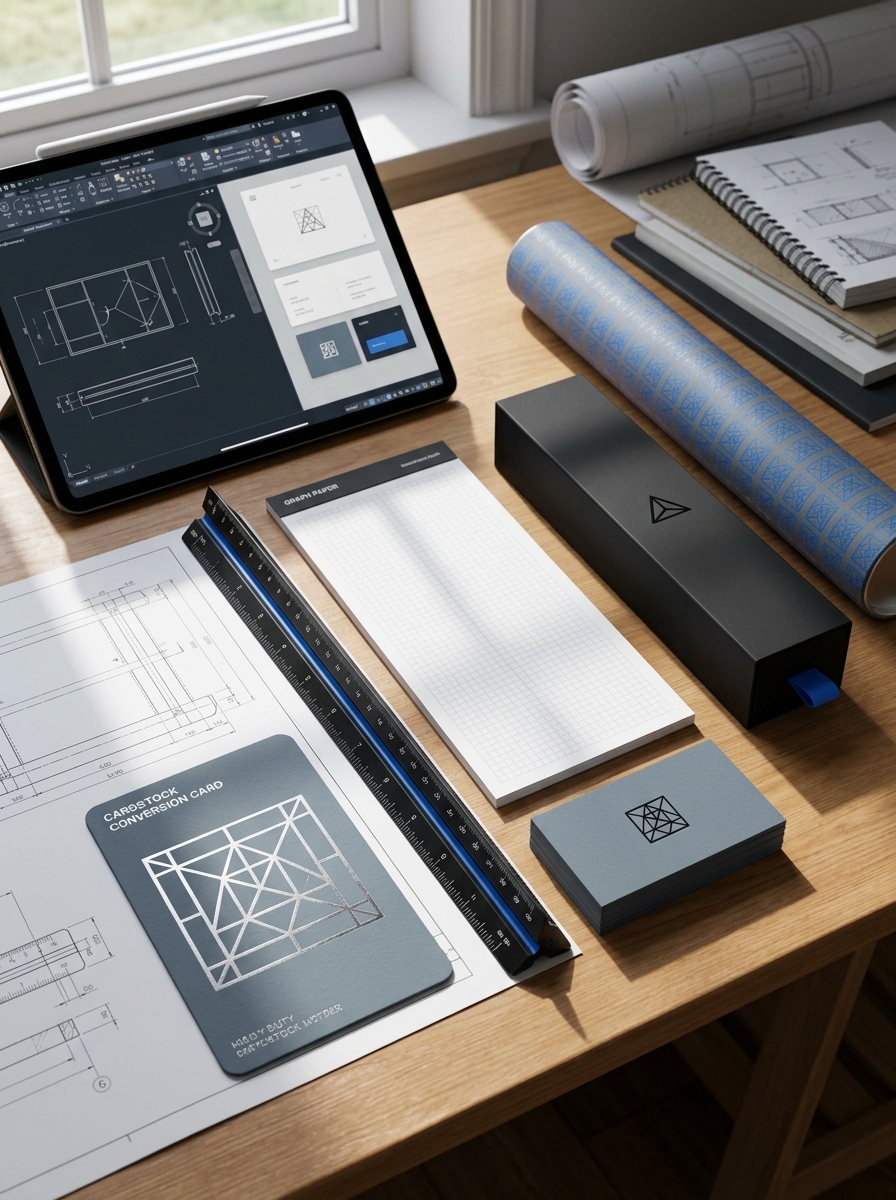
Achieving excellence in ruler packaging design necessitates a sophisticated balance between structural integrity and visual clarity. As essential precision tools, rulers require packaging solutions that mirror their inherent accuracy while providing robust protection during transit and retail display.
Mastering this niche involves prioritizing functional utility through durable materials and enhancing visual appeal with strategic branding. Effective designs often utilize transparent elements or die-cut windows, allowing consumers to inspect scale markings and material quality without compromising the package's strength. By focusing on ergonomic layouts and sustainable substrates, designers can create a compelling user experience that resonates with professionals and students alike. This exploration delves into the core principles of aesthetics and engineering required to elevate ruler packaging into a powerful brand asset.
The Role of Strategic Ruler Packaging Design
Strategic packaging design for rulers serves both functional and marketing purposes. As precision measuring tools, rulers require packaging that protects their straight edges and printed increments from scratches or warping during transit. Maintaining the integrity of these markings is essential for ensuring long-term measurement accuracy.
From a retail standpoint, effective packaging enhances brand visibility and consumer trust. Clear windows allow buyers to inspect scale types-such as metric, imperial, or architectural graduations-at a glance. Whether utilizing hanging tabs for organized displays or sustainable cardboard sleeves, the design communicates product quality and professionalism. By prioritizing both durability and clear communication of technical specs, manufacturers can differentiate their products in a competitive market, ensuring the ruler remains a reliable instrument for students, architects, and engineers alike.
Identifying Target Demographics for Measuring Tools
Understanding the primary users of measuring tools is essential for effective product positioning. The market for rulers is segmented into several distinct target demographics, each requiring specific features:
- Education Sector: Students and educators need affordable, durable, and easy-to-read rulers for mathematics, geometry, and basic drafting.
- Professional Trades: Architects, engineers, and carpenters require high-precision scale rulers or stainless steel rules that offer exact increments and long-term durability.
- Creative Professionals: Graphic designers and artists often seek transparent rulers with grid patterns for layout accuracy.
- DIY and Hobbyists: Home crafters and quilters prioritize specialized tools, such as non-slip rulers or those with fabric-specific markings.
By identifying these groups, manufacturers can optimize tool materials-ranging from flexible plastic to heavy-duty aluminum-to meet the unique demands of each user category.
Selecting Durable and Sustainable Packaging Materials
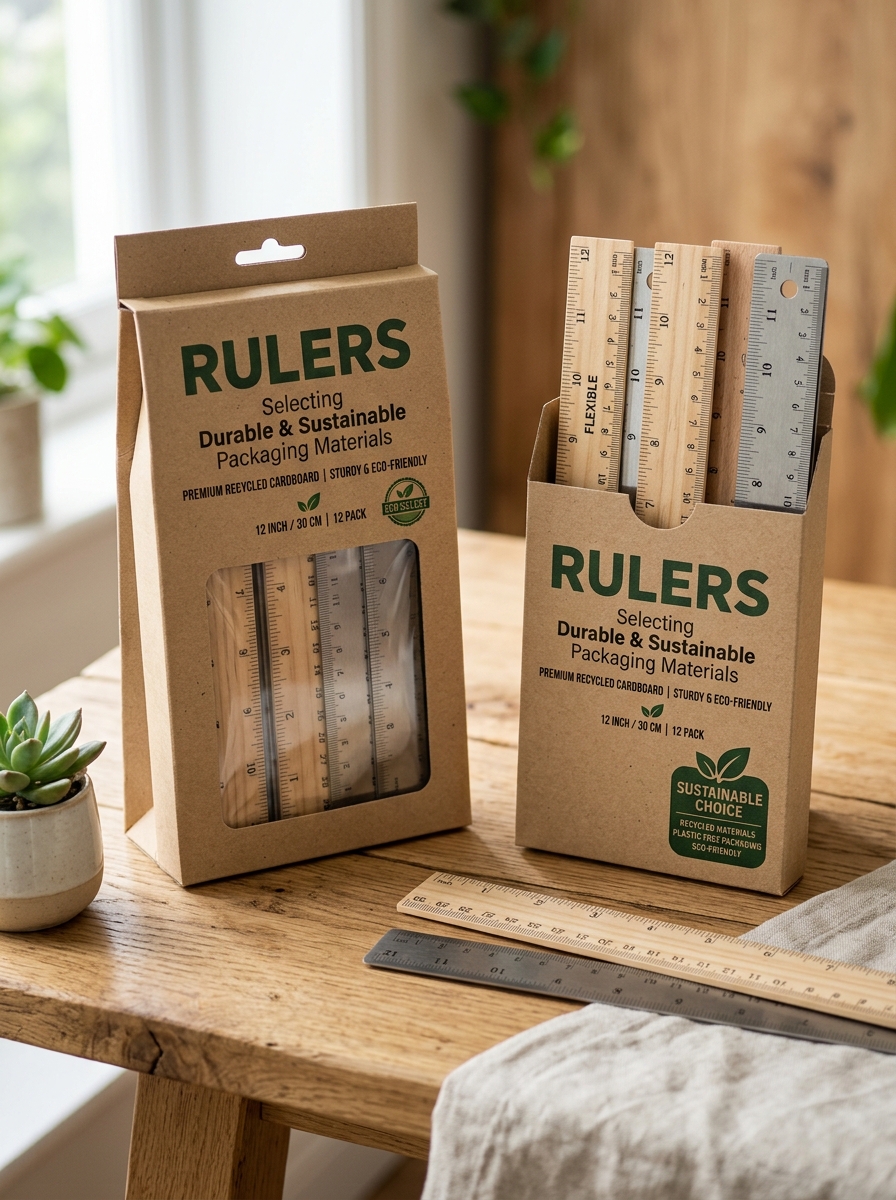
For precision instruments like rulers, packaging must balance protection with environmental responsibility. Selecting durable materials is essential to safeguard the tool's straight edges and calibrated markings from warping or scratching during transit. High-density corrugated cardboard and reinforced paperboard provide the necessary structural integrity without the need for bulky fillers.
Transitioning to sustainable packaging, such as FSC-certified paper, biodegradable bioplastics, or recycled cardstock, significantly reduces the ecological footprint. These eco-friendly alternatives offer robust defense against moisture and impact while remaining fully recyclable. By choosing plastic-free solutions and minimalist designs, manufacturers can ensure their measuring tools arrive in perfect condition while meeting the growing consumer demand for green, professional-grade stationery and hardware products.
Establishing Brand Identity Through Visual Hierarchy
In professional design, rulers serve as the silent architects of brand identity. By implementing a rigorous visual hierarchy, businesses can control how information is perceived, ensuring that key brand messages resonate with clarity. Precise alignment, facilitated by layout rulers, creates a sense of order and reliability that consumers associate with quality.
A strategic hierarchy uses scale, color, and spacing to guide the eye through a composition. When these elements are balanced using consistent measurement standards, the resulting brand cohesion strengthens market presence. Utilizing rulers to maintain uniform margins and gutters across various media ensures that the visual language remains stable, professional, and instantly recognizable, ultimately turning abstract design principles into a powerful brand asset.
Emphasizing Measurement Precision and Scale Clarity
In the world of rulers and measuring instruments, accuracy is paramount. High-quality rulers are engineered with measurement precision at their core, often utilizing laser-etched or photo-engraved markings to ensure that every graduation is perfectly spaced. This level of detail is critical for professionals in engineering, drafting, and architecture, where even a microscopic discrepancy can lead to significant errors.
Beyond accuracy, scale clarity ensures that data is easily readable. Clear, high-contrast markings and bold numerals help prevent parallax errors and reduce eye strain during prolonged use. Whether the tool features metric, imperial, or dual scales, a focus on sharp, durable increments allows users to achieve exact dimensions consistently. By prioritizing both precision and legibility, these tools provide the reliable foundation necessary for any technical or creative project requiring exact linear measurements.
Structural Integrity for Protection and Damage Prevention
The structural integrity of a ruler is critical for maintaining long-term measurement accuracy and tool durability. High-quality rulers are manufactured from robust materials such as hardened stainless steel, anodized aluminum, or impact-resistant polymers to prevent warping, bending, and thermal expansion. This rigidity ensures the straightedge remains true, preventing the physical deformation that leads to calibration errors.
To enhance damage prevention, professional-grade rulers often feature protective coatings and etched graduations that resist abrasion and chemical wear. Structural features like beveled edges protect the markings from friction, while non-slip backings safeguard the workpiece from scratches during use. By prioritizing material density and reinforced profiles, a ruler maintains its precision even in demanding workshop environments, effectively extending the lifespan of the instrument and ensuring reliable, repeatable results.
Optimizing Shelf Presence and Retail Display Impact
To maximize the retail visibility of rulers, manufacturers must focus on strategic packaging and merchandising techniques. Enhancing shelf presence starts with high-clarity packaging, such as transparent blister packs or open-faced carding, which allows customers to inspect the precision of the markings and the quality of the material-whether it be stainless steel, shatter-resistant plastic, or sustainable wood.
Key strategies for increasing display impact include:
- Vertical Integration: Utilizing pegboard hooks ensures slim ruler profiles remain visible at eye level rather than getting lost in deep shelves.
- Color-Coded Branding: Using distinct colors to differentiate between metric, imperial, or specialized drafting scales helps shoppers find the right tool quickly.
- Feature Highlighting: Point-of-purchase displays should emphasize unique selling points like non-slip backings or etched graduations to communicate durability and accuracy.
Leveraging Transparency for Product Visibility
Transparent rulers are essential tools for precision-driven tasks where visual clarity is paramount. By utilizing clear acrylic or high-grade polycarbonate, these measuring devices provide users with an unobstructed view of the underlying substrate. This "see-through" design eliminates guesswork, allowing for exact alignment with margins, grid lines, or intricate patterns.
In professional fields such as graphic design, engineering, and tailoring, a clear ruler ensures the measurement scale does not obscure critical details of the work surface. Consequently, leveraging transparent materials enhances accuracy by enabling real-time verification of positioning. Choosing a transparent measuring tool facilitates superior control over layout and composition, making it the preferred choice for any application requiring meticulous attention to detail and maximum product visibility.
Integrating Eco-Friendly and Recyclable Solutions
Modern stationery manufacturing is prioritizing sustainability by integrating eco-friendly materials into ruler production. To reduce environmental impact, manufacturers are pivoting from virgin plastics to FSC-certified bamboo, sustainably sourced timber, and recycled post-consumer polymers. These materials offer the same precision and durability as traditional options while significantly lowering the carbon footprint.
In addition to bio-based materials, recyclable aluminum rulers provide a long-lasting, heavy-duty alternative that can be repurposed indefinitely. Implementing biodegradable coatings and plastic-free packaging further ensures these measuring tools align with a circular economy. By choosing rulers made from renewable or recycled resources, consumers and industries contribute to waste reduction and support global conservation efforts without compromising on measurement accuracy.
Future Innovations in Measuring Instrument Packaging
The evolution of ruler packaging is shifting toward sustainability and digital integration. To protect the precision of measuring edges, future innovations utilize eco-friendly, high-density biodegradable polymers and reinforced recycled composites that prevent warping and thermal expansion during transit.
Beyond physical protection, smart packaging is becoming a standard. Features such as embedded QR codes and NFC tags allow professionals to access digital calibration certificates and measurement conversion tools instantly via smartphone.
Additionally, minimalist, shock-absorbent designs are being engineered to reduce material waste while ensuring that delicate increments remain legible and accurate. By merging protective structural engineering with IoT connectivity, the next generation of packaging enhances the longevity and reliability of rulers in demanding industrial and educational environments.
Leave a comment